As an Amazon Associate, we earn from qualifying purchases. Some links on this site are affiliate links at no extra cost to you. Our recommendations are based on thorough research and editorial judgment.

Best Insect Repellents for Outdoor Use: How to Choose

The best insect repellent depends on the insects, disease risk, activity, skin and clothing use, weather, and how often you can reapply. In the U.S., start with an EPA-registered product and follow its label. DEET, picaridin, IR3535, oil of lemon eucalyptus or PMD, and permethrin-treated clothing serve different uses; no repellent works for every insect or situation.
Key Takeaways
- Choose an EPA-registered repellent with an active ingredient and use listed for the insects and exposure you expect.
- DEET, picaridin, IR3535, and oil of lemon eucalyptus or PMD are skin-applied options; permethrin belongs on clothing or gear as labeled.
- Follow the label for application, reapplication, age, pregnancy, clothing, ventilation, and washing instructions.
- Apply sunscreen first and repellent second, keep repellent away from eyes and mouth, and never spray it in an enclosed area.
- Do not use human repellent on pets unless the product label specifically allows it; ask a veterinarian about animal-safe options.
Understanding Active Ingredients in Insect Repellents
You may be interested

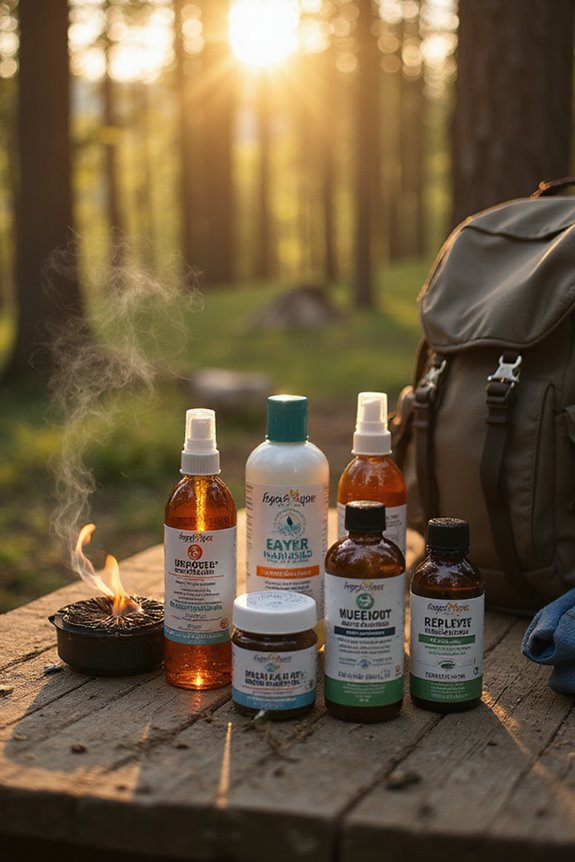
DEET and picaridin are common skin-applied ingredients; IR3535 and oil of lemon eucalyptus or PMD are other options in registered products. Permethrin is used to treat clothing and gear, not as a substitute for applying a skin product. Compare the target insects, label directions, concentration, application area, reapplication guidance, and local disease advice. “Natural” does not automatically mean effective or safer for every person.
Types of Insect Repellents Available
Options include lotions, pumps, sprays, wipes, sticks, treated clothing, treated gear, and area devices. Skin products help protect exposed skin when used as directed; treated clothing can add coverage without applying product everywhere; and area devices may work only in a defined space and condition. Check whether a product is registered for mosquitoes, ticks, biting flies, or the insects relevant to your route.
Safety Considerations When Using Repellents
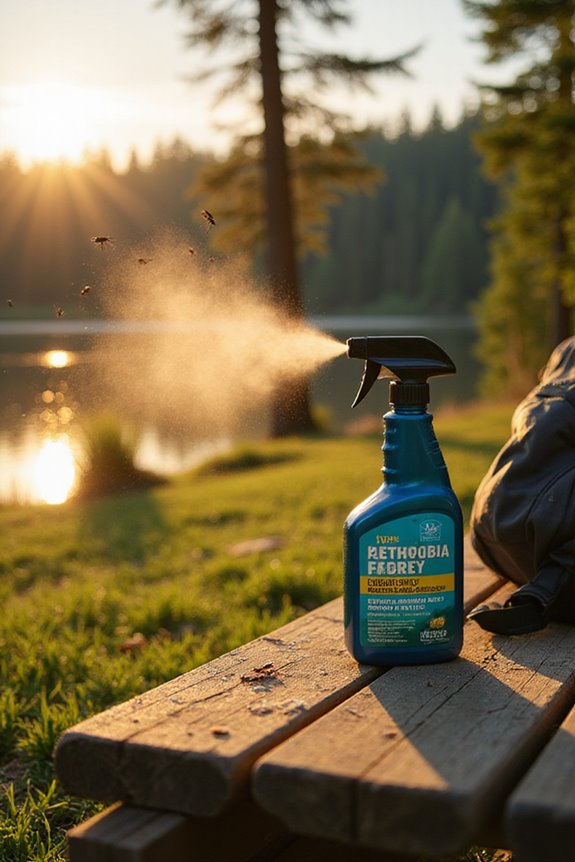
Read and follow the label. Apply only to exposed skin or clothing as directed, never to eyes, mouth, cuts, or irritated skin, and do not spray near food or in enclosed areas. Adults should apply repellent to their own hands before applying it to a child’s face, and children should not handle the product. Wash treated skin and clothing after the outing when the label recommends it, and store the container out of reach.
Effectiveness Ratings of Popular Ingredients
Effectiveness and protection time depend on the active ingredient, concentration, insect, sweat, water exposure, temperature, activity, and how completely the product is applied. Do not compare a single percentage or marketing phrase as if it were a universal guarantee. Use the label’s reapplication interval, and choose a product tested or registered for the insects and setting you face.
Recommended Products for Outdoor Use
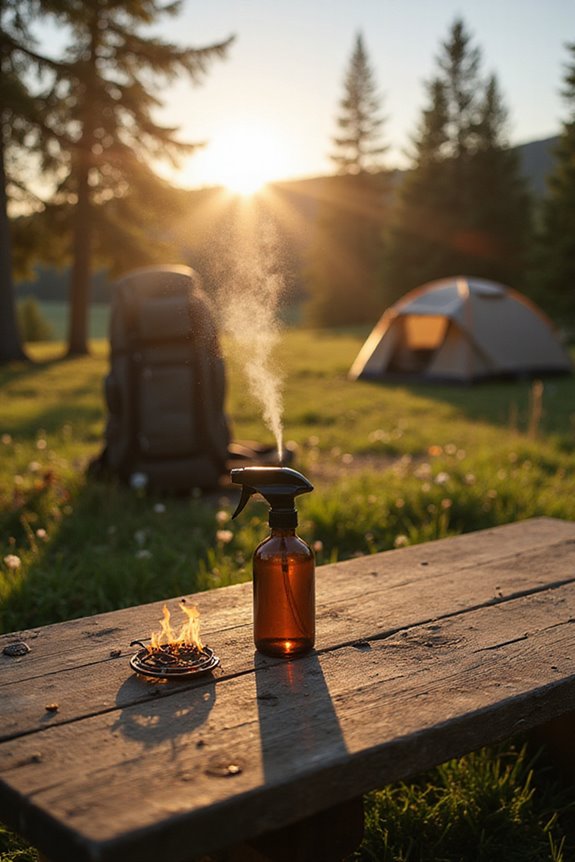
Compare current products by active ingredient, registration or approval where applicable, target insects, format, skin tolerance, clothing compatibility, scent, reapplication, and package instructions. Product names and formulas can change, so verify the label before buying. A repellent can reduce bites but cannot replace long sleeves, screens, tick checks, or local disease-prevention guidance.
Tips for Maximum Protection Outdoors
Cover exposed skin with clothing when practical, apply sunscreen first and repellent second, and use only the amount directed on the label. Do not spray directly on the face; apply to hands first. Reapply only as directed after sweating or water exposure, and use light-colored clothing and a tick check when the route calls for them. Combine repellent with screens, nets, and avoidance of peak insect activity.
Recommended Products
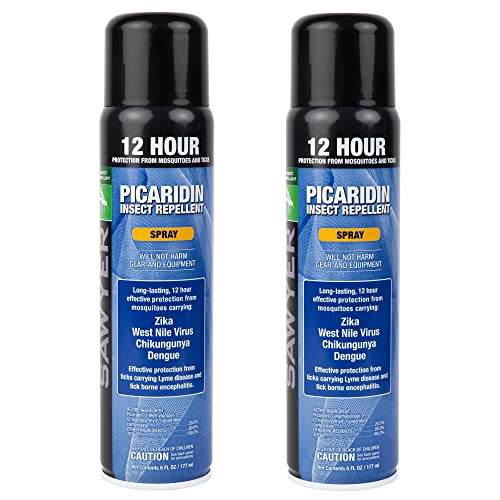
Non-greasy, fragrance free, odorless; dries quickly and won't damage plastics or synthetic coatings — safe for use on clothing, backpacks, watches, sunglasses, fishing line, firearm finishes, and more
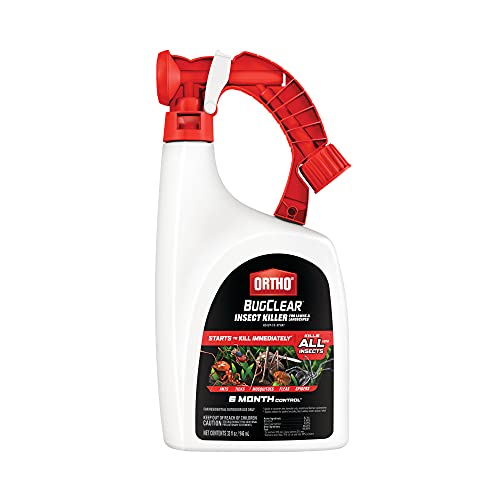
OUTDOOR BUG KILLER: Use Ortho BugClear Insect Killer for Lawns & Landscapes Ready-To-Spray mosquito spray for yards to kill 235 listed bugs, including ants, ticks, armyworms, mosquitoes, fleas, spiders and periodical cicadas
The Growing Trend of Plant-Based Repellents
Plant-derived ingredients can be useful when they appear in a properly labeled or registered product, but an essential-oil blend is not automatically equivalent to a tested repellent. Check the active ingredient, target insect, duration, skin directions, child restrictions, and reapplication requirements. Choose based on evidence and the exposure you need to manage rather than the word “natural.”
Recommended Products
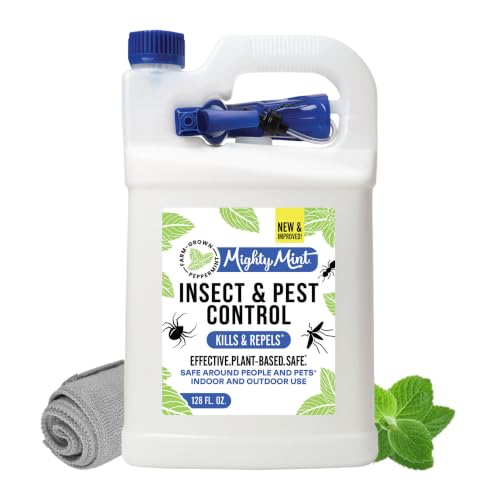
Pet-Friendly & Family-Safe Formula – Mighty Mint is a top pick for pet parents looking for a natural, pest control solution. Safe to use around dogs, cats, and kids when applied as directed—no harsh fumes or dangerous chemicals, just powerful peppermint protection you can trust.
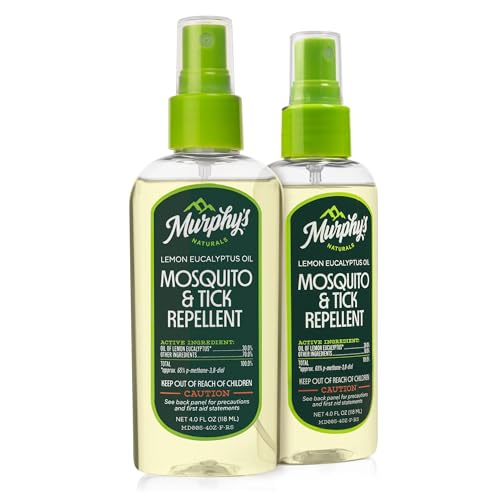
30% OIL OF LEMON EUCALYPTUS: EPA-registered formula with a plant-based active ingredient provides up to 6 hours of mosquito protection and up to 4 hours for ticks. Picaridin Free* and DEET-free* for dependable outdoor coverage. *Not a safety claim

REPELS MOSQUITOES: Repels mosquitoes that may transmit the Zika, West Nile, Dengue and Chikungunya viruses.
Frequently Asked Questions
Can I Use Insect Repellent on Pets?
Do not apply a human insect repellent to a pet unless the product is specifically labeled for that animal and use. Some ingredients can be dangerous to pets, and animals may lick treated fur. Ask a veterinarian for a species- and weight-appropriate product, and follow the veterinary or product instructions exactly.
How Long Do Insect Repellents Remain Effective After Application?
Protection time varies with the active ingredient, concentration, insect, sweat, water, heat, clothing, and application. Follow the product label rather than relying on a fixed number of hours. Reapply only when the label allows, and wash the product off when the outdoor exposure ends if instructed.
Are There Any Natural Alternatives to Commercial Insect Repellents?
Some plant-derived ingredients are available in labeled or registered repellents, but homemade essential-oil mixtures may offer inconsistent protection and can irritate skin or harm pets. Use a product intended for the insect and exposure, follow its label, and add clothing, nets, screens, and tick checks rather than relying on a homemade formula alone.
What Should I Do if I Experience a Reaction to a Repellent?
Stop using the product and wash treated skin with soap and water. Follow the label’s first-aid instructions and contact a healthcare professional or poison-control service if symptoms persist or are concerning. Seek emergency care for trouble breathing, facial or throat swelling, faintness, widespread hives, or other signs of a severe allergic reaction, and keep the product container available.
Can Insect Repellents Affect the Effectiveness of Sunscreen?
Apply sunscreen first and insect repellent second, following both labels. Reapply sunscreen as directed, because sweat, water, time, and the repellent product can affect how well sun protection remains on the skin. Use clothing, shade, and eyewear as additional protection.