As an Amazon Associate, we earn from qualifying purchases. Some links on this site are affiliate links at no extra cost to you. Our recommendations are based on thorough research and editorial judgment.

How to Protect Your Skin During Outdoor Activities

Good outdoor sun protection combines broad-spectrum, water-resistant sunscreen with shade, protective clothing, a wide-brimmed hat, sunglasses, and planning around the UV index. Apply sunscreen to exposed skin according to the label, remember often-missed areas such as the ears and neck, and reapply as directed after swimming, sweating, or towel drying. Children and people with sensitive skin may need extra care.
Key Takeaways
- Use a broad-spectrum, water-resistant sunscreen with SPF 30 or higher on exposed skin, following the product label.
- Reapply at least every two hours when outdoors and sooner after swimming, sweating, or towel drying, as directed.
- Combine sunscreen with tightly woven or labeled sun-protective clothing, a wide-brimmed hat, sunglasses, and shade.
- Check the UV index and local conditions when planning outdoor activities, while remembering that shade does not eliminate UV exposure.
- Use age-appropriate guidance for children, avoid overheating, and ask a healthcare professional about unusual or severe skin reactions.
Understanding the Importance of Sun Protection
You may be interested

Sun protection matters because ultraviolet exposure can cause sunburn and contribute to long-term skin damage. No single measure is complete on its own: combine sunscreen with shade, clothing, a hat, sunglasses, and sensible timing. Use the UV index and the product label to guide decisions, and pay extra attention to children, sensitive skin, reflective surfaces, and high-altitude or water-based activities.
Effective Sunscreen Application Techniques
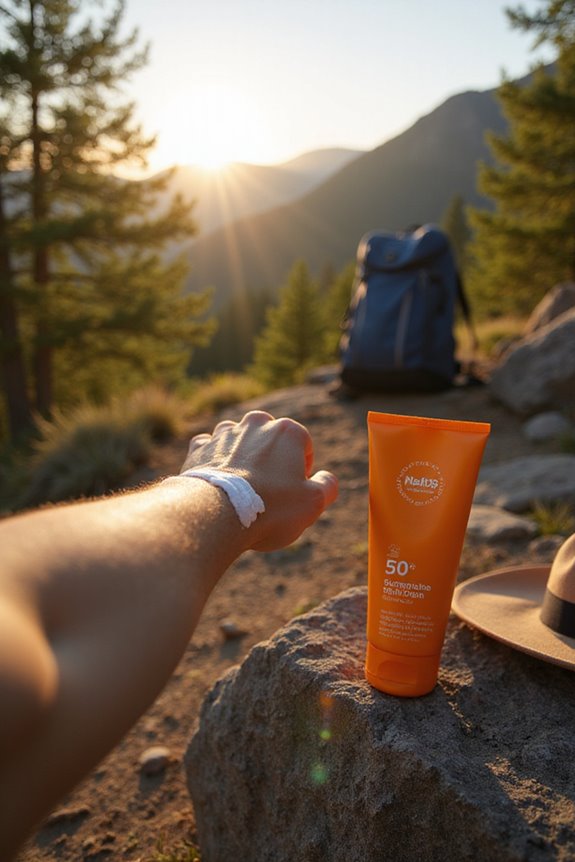
Apply sunscreen generously and evenly to all exposed skin, including the ears, neck, tops of the feet, and other areas that are easy to miss. Follow the product label for timing and reapplication. Reapply at least every two hours while outdoors and sooner after swimming, sweating, or towel drying. For spray products, avoid inhaling the mist, protect the eyes and mouth, and rub in as directed so coverage is even.
Recommended Products

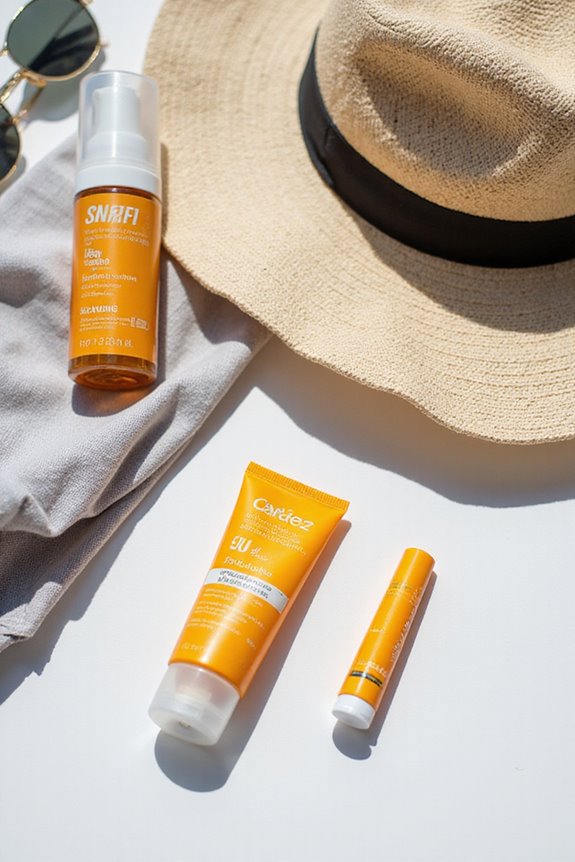
SPF sun protection: Oil-free broad spectrum SPF 50 sunscreen spray with Helioplex technology that delivers UVA/UVB protection from sunburn and harsh summer elements

BROAD SPECTRUM SPF 30 + SETTING SPRAY: Lightweight clear mist helps protect against UVA/UVB rays while locking makeup in place for long-lasting wear. Ideal for daily sun protection without disrupting foundation or finish.

Lightweight, fast-absorbing sunscreen spray: With broad spectrum SPF 70 primes skin for makeup and helps improves skin complexion and radiance
Choosing the Right Protective Clothing
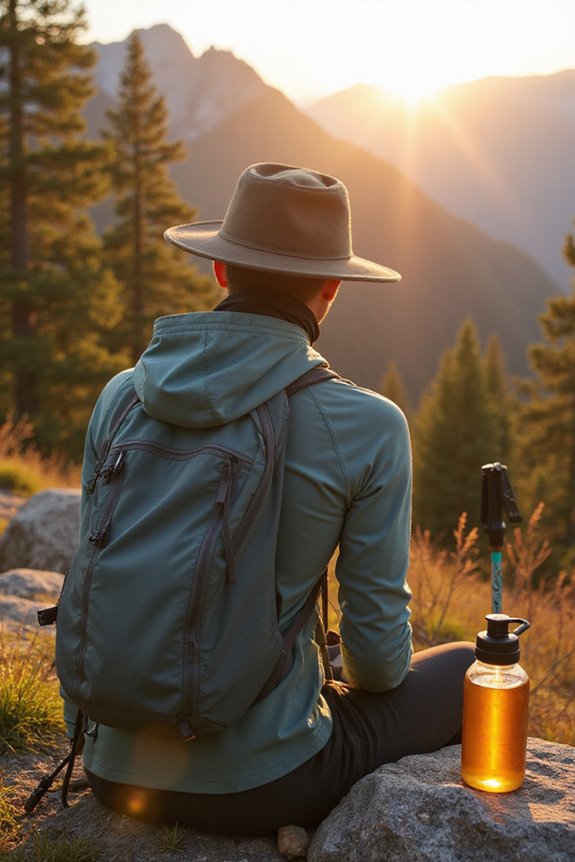
Choosing the right protective clothing can truly transform a day spent outdoors from a potential skin disaster to a comfortable adventure. Imagine donning a long-sleeved shirt made from tight-weave polyester, blocking up to 90% of harmful UV rays while keeping you cool. Opting for pants with UPF fabrics not only shields your legs but also adds a stylish touch to your outfit. And let’s not forget a wide-brimmed hat, which becomes your personal shade umbrella, guarding your face and neck. With the right fabric selection and clothing styles, like breathable materials and adjustable cuffs, you can enjoy the sun without worry. So, gear up in your sun-smart attire, and embrace the great outdoors with confidence!
Recommended Products

Polyester Material, Lightweight, Quick Dry, Moisture Wickingand Comfortable
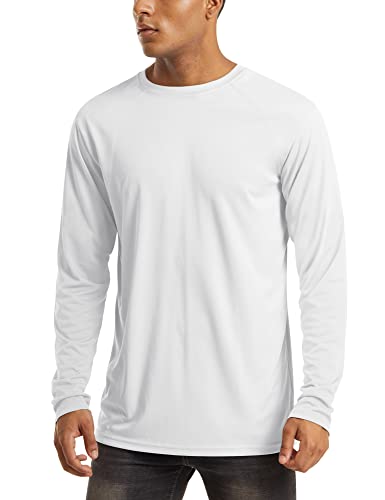
Materials: Polyester; Wrinkle-free, Quick Dry and Soft

Made from 100% bird's-eye polyester material, which is extremely breathable & lightweight, soft and comfy to wear, stay cool, quick moisture wicking to keep you dry.
Seeking Shade and Timing Your Activities
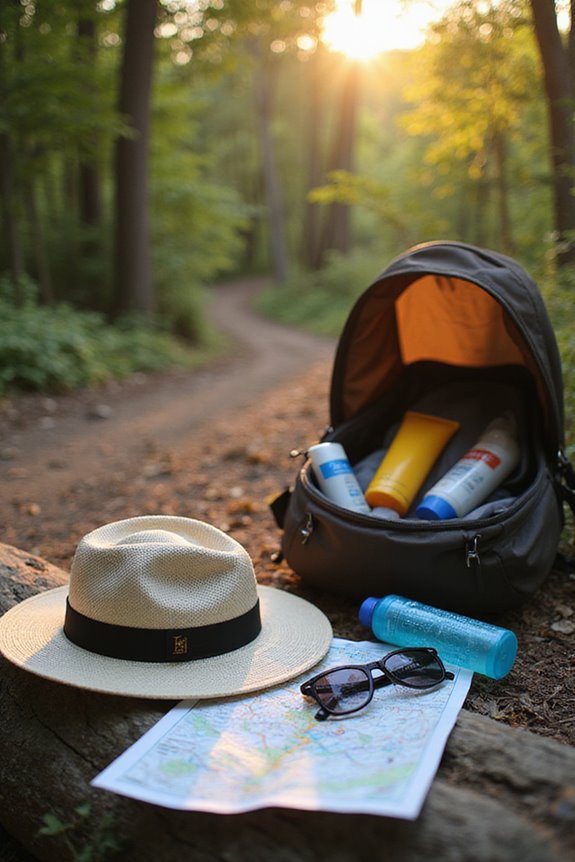
Use shade from trees, umbrellas, canopies, or other structures when available, but continue using protective clothing and sunscreen because shade does not block all UV exposure. Check the local UV index and weather conditions when planning activities, take breaks from direct sun, and watch for heat symptoms as well as sunburn.
Recommended Products

☂ Sun Protection: With silver interior coating, the outdoor umbrella blocks 98% UVA and UVB rays to keep you cool in the shade. The tilt feature allows you to adjust the angle with a push-button for optimal shade all day long.

[Portable and Convenient] - Designed with portability in mind, this umbrella is lightweight and easy to carry with you wherever you go.

PROTECT YOURSELF FROM THE SUN: Wondershade portable sun shade umbrella blocks 98% of harmful UV rays to help keep you cool and comfortable outdoors.
Encouraging Healthy Sun Protection Habits

Make sun protection part of the routine: keep sunscreen, a hat, sunglasses, and protective clothing with your outdoor gear; apply sunscreen before exposure; and set a reminder to reapply according to the label. Choose clothing with a stated UV-protection rating when you need predictable coverage, and use shade and UV-index information to plan breaks.
Frequently Asked Questions
Can I Use Sunscreen on Children Under Six Months Old?
For babies younger than six months, prioritize shade, lightweight protective clothing, a wide-brimmed hat, and avoiding overheating. If shade and clothing are not enough, ask a pediatrician or follow guidance from a qualified healthcare professional before using sunscreen.
What Should I Do if I Get Sunburned?
Move out of the sun, cool the skin with a cool bath or compress, drink fluids, and use a gentle moisturizer if comfortable. Do not pop blisters. Seek medical advice for severe pain, extensive blistering, fever, confusion, signs of infection, or a reaction involving a child or vulnerable person.
How Often Should I Reapply Sunscreen Outdoors?
Like clockwork, sunscreen types necessitate vigilant reapplication frequency. Every two hours, regardless of SPF, it demands attention. Environmental factors can accelerate degradation, reminding one that diligent upkeep is essential for effective sun protection.
Are Spray Sunscreens as Effective as Lotions?
The effectiveness of spray sunscreens versus lotion consistency depends on proper application. While spray application offers quick coverage, lotion provides a thicker layer, often ensuring more reliable and even protection from harmful UV rays.
What Are the Signs of Skin Damage From Sun Exposure?
Sunburn symptoms manifest as fiery redness and blisters, while skin discoloration reveals uneven patches and age spots. These alarming signs underscore the relentless damage sun exposure inflicts, hastening aging and revealing the skin’s fragility.