As an Amazon Associate, we earn from qualifying purchases. Some links on this site are affiliate links at no extra cost to you. Our recommendations are based on thorough research and editorial judgment.

How to Store Camping Gear Properly

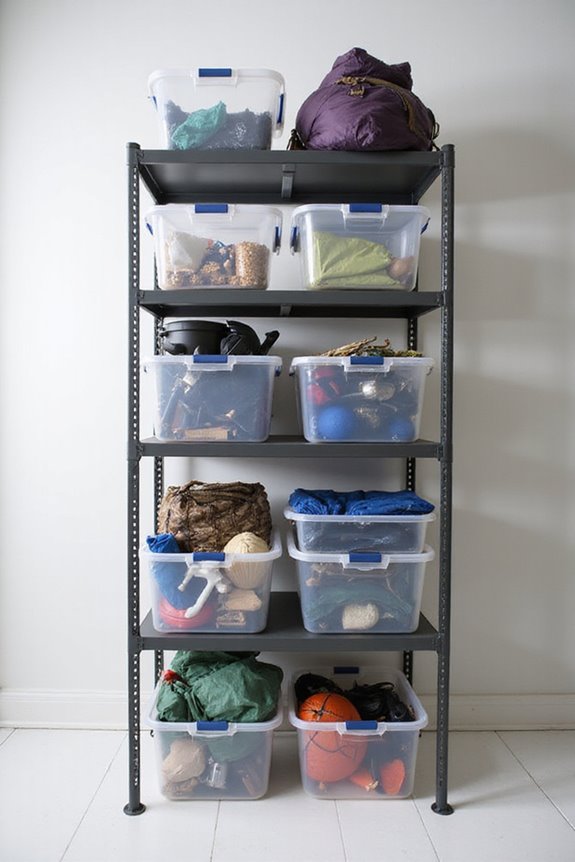
Proper camping-gear storage starts before the gear goes into a bin. Clean and dry each item, inspect for damage, follow material-specific care instructions, and store equipment in a cool, dry, ventilated place. Organize by use and season so essentials are easy to find, but avoid sealing damp tents, sleeping bags, or clothing where moisture can create mold.
Key Takeaways
- Clean, dry, inspect, and repair gear before long-term storage.
- Use containers that match the item: rigid protection for hard goods and breathable storage for items that need airflow.
- Organize shelter, sleep, cooking, clothing, safety, and repair equipment so the next pack is simple.
- Control humidity, heat, pests, sunlight, chemicals, and compression according to each material’s care instructions.
- Review stored gear before every trip and replace batteries, fuel, damaged parts, or expired supplies as needed.
Choosing the Right Storage Containers
You may be interested



Choose a container by the gear’s moisture, impact, ventilation, size, weight, and security needs. Rigid totes can protect cookware and tools, while breathable sacks may be better for dry sleeping bags or tents. Do not assume a box is waterproof because it has a lid; check the seal, keep it off damp floors, and allow gear to dry before closing it.
Organizing Your Gear Effectively
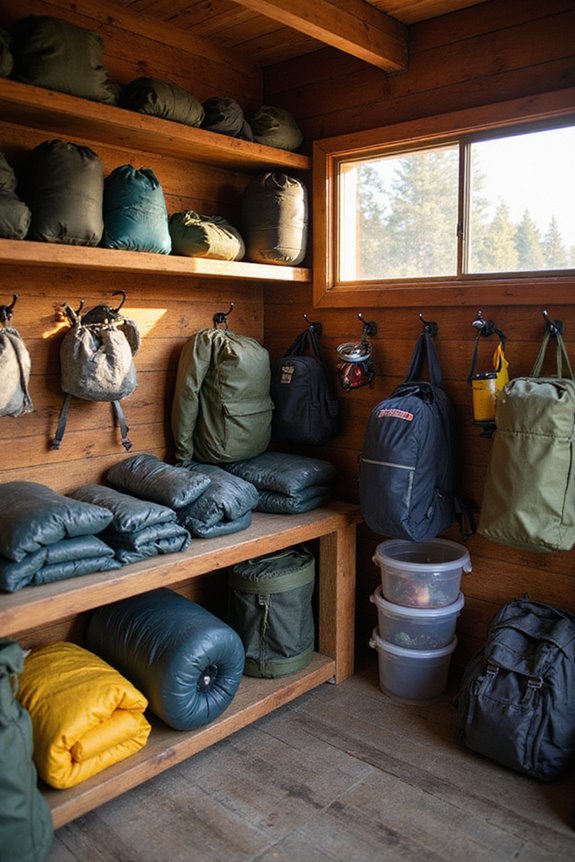
Group equipment by function and trip type, then label containers with the contents and any special care notes. Keep frequently used items accessible, place small parts in secure pouches, and store repair items with the gear they support. A set of travel organizer bags can help separate small items, but do not overfill soft bags or hide safety-critical equipment.
Maximizing Garage and Closet Space
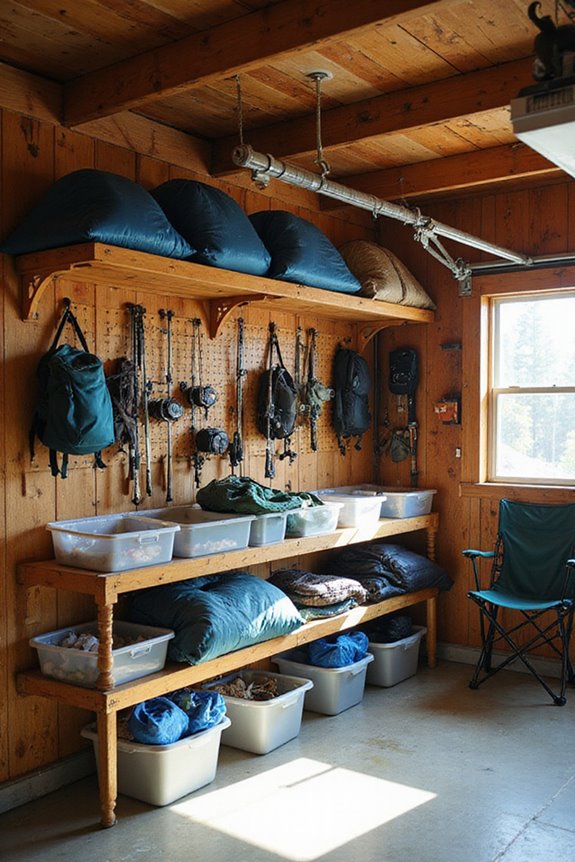
Use shelves, bins, or safely mounted racks to make vertical space useful, but check load limits and keep heavy items low and stable. Do not hang gear by straps or fabric areas that can stretch or deform. Leave enough clearance for ventilation, inspect overhead hardware, and avoid storing equipment where a leak, heat source, exhaust, or chemical spill could damage it.
Recommended Products

900 lbs Tested, 450 lbs Rated Weight Capacity: Our overhead garage storage rack undergoes rigorous double load testing (900 lbs) to ensure unmatched safety and durability, supporting up to 450 lbs for your tools and equipment.
Maintaining and Caring for Your Gear
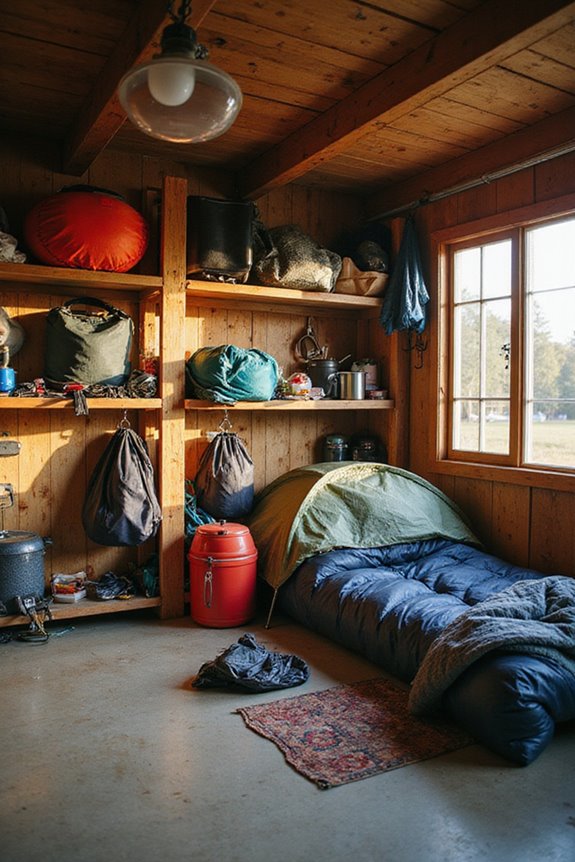
Follow the care label for tents, coatings, sleeping bags, stoves, cookware, waterproof clothing, and electronics. Remove dirt and salt, dry gear fully, inspect seams, poles, zippers, valves, cords, and batteries, and make repairs before storage. Keep fuels, chemicals, food, and scented items separate from fabric and sleeping equipment, and dispose of damaged or expired materials safely. See these tent weather-resistance features as part of a broader inspection, not as a substitute for care instructions.
Ensuring Portability and Accessibility
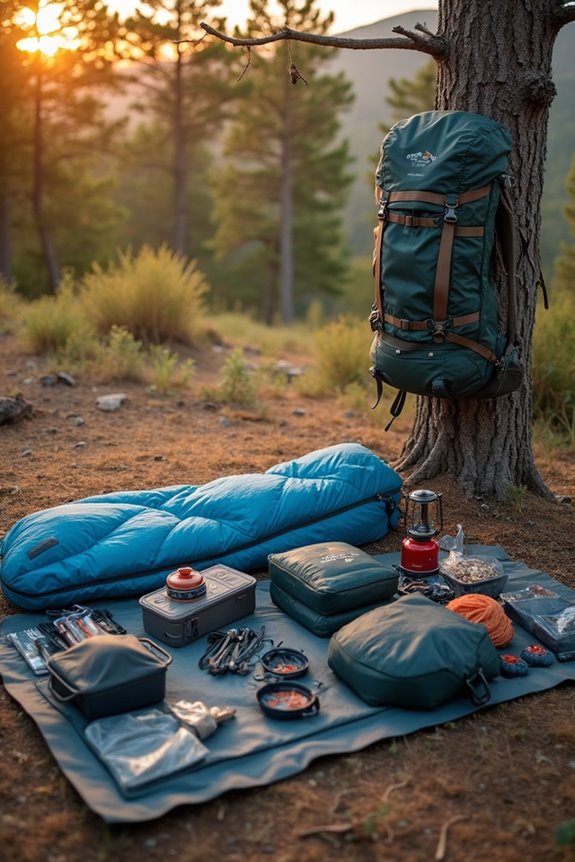
Store the items you use together near one another, and keep heavy containers manageable to lift and carry. Use handles and wheels only on stable surfaces, protect fragile gear from shifting, and keep first aid, lighting, navigation, and repair supplies easy to reach. Leave a little room so items can be removed without tearing bags or crushing equipment.
Cost-Effective Storage Solutions
Cost-effective storage can come from clean, suitable containers you already own, clear labels, simple shelves, and reusable pouches. Choose by protection and fit rather than buying a specialized box for every item. Avoid repurposing containers that held chemicals, food residue, or materials that could damage fabric and coatings, and do not use a container as a camp seat unless it is designed and safe for that load.
Recommended Products

Quantity: You will receive 8 pcs collapsible bowls with lids, can easily meet your daily use
Seasonal Gear Management
Rotate gear by the conditions and trips you actually plan, but inspect stored items before moving them into active use. Clean and dry summer or winter equipment before it goes away, keep batteries and fuels within their care and safety guidance, and note missing or damaged parts. A seasonal checklist prevents a forgotten mold spot, flat battery, or missing pole from appearing at the trailhead.
Frequently Asked Questions
What Materials Are Best for Outdoor Gear Storage?
There is no single best material. Rigid plastic or metal can protect hard equipment from impact, while breathable fabric or a large storage sack can help soft insulation and tents avoid trapped moisture. Match the container to the item, keep gear clean and dry, and do not confuse water resistance with ventilation.
How Often Should I Replace My Storage Containers?
Replace a container when cracks, weak hinges, failed seals, sharp edges, UV damage, contamination, or deformation could expose or damage the gear. Inspect it before each season or trip; a sound container can last much longer than a fixed calendar, while a damaged one may need immediate replacement.
Can I Store Camping Gear in My Basement?
You can if the area stays dry, ventilated, reasonably stable in temperature, and free from leaks, pests, fuel, and chemicals. Keep gear off the floor, avoid sealing damp fabric, monitor humidity, and check for condensation or odor. If the basement is persistently damp, use a drier storage location.
What Are the Signs of Pests in Stored Gear?
Look for droppings, gnaw marks, holes, nesting material, chewed straps, unusual odors, insects, or disturbed packaging. Isolate affected gear, clean it safely, inspect nearby items, and address the pest source. Do not use contaminated sleeping or cooking equipment until it has been cleaned and assessed appropriately.
How Do I Prevent Mold on My Camping Gear?
Dry tents, tarps, clothing, sleeping bags, and mats completely before storage. Keep them in a cool, ventilated place, avoid compressing damp insulation, inspect for condensation, and use the care method recommended for the material. If mold appears, isolate the item and follow the manufacturer’s cleaning guidance; severe contamination may require specialist advice.