As an Amazon Associate, we earn from qualifying purchases. Some links on this site are affiliate links at no extra cost to you. Our recommendations are based on thorough research and editorial judgment.

What to Pack for a Day Hike: Essential Checklist

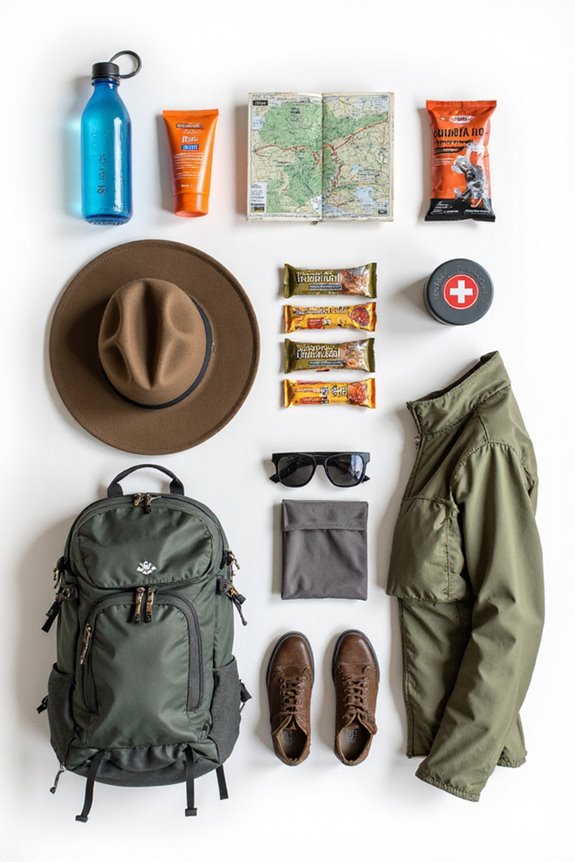
A good day-hike packing list matches the route, forecast, season, distance, remoteness, group, and your experience. Start with water, suitable clothing and footwear, food, navigation, first aid, sun and insect protection, weather layers, communication, and a plan for emergencies. Pack for the conditions you may face—not only the weather at the trailhead—and avoid carrying items you cannot use safely.
Key Takeaways
- Choose clothing and footwear for the terrain, forecast, temperature range, and chance of wet or cold conditions.
- Carry enough safe water for the route and refill options, plus a treatment method when natural sources are uncertain.
- Pack food that matches the effort, duration, dietary needs, weather, and your ability to carry or store it safely.
- Bring navigation, first aid, communication, sun and insect protection, and personal medication as appropriate.
- Tell someone your plan, check conditions and closures, and pack a simple emergency margin.
Essential Clothing and Footwear
You may be interested



Choose footwear that matches the surface and support you need, and wear it on shorter outings before a long hike. Use comfortable socks, a moisture-managing base layer, and adaptable layers for wind, sun, cold, or rain. Carry a warm or waterproof layer when conditions may change. You can review weather-protective jacket features, but match the final layer to the hike rather than a product label.
Recommended Products

Mid-Crew length sits below the calf for non-restrictive, all day comfort.

Soft, breathable, moisture-wicking fibers
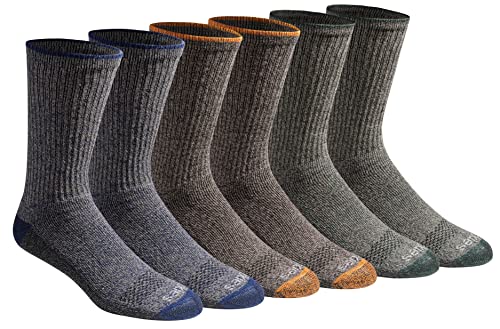
Soft Breathable Moisture Control Fibers
Hydration Requirements
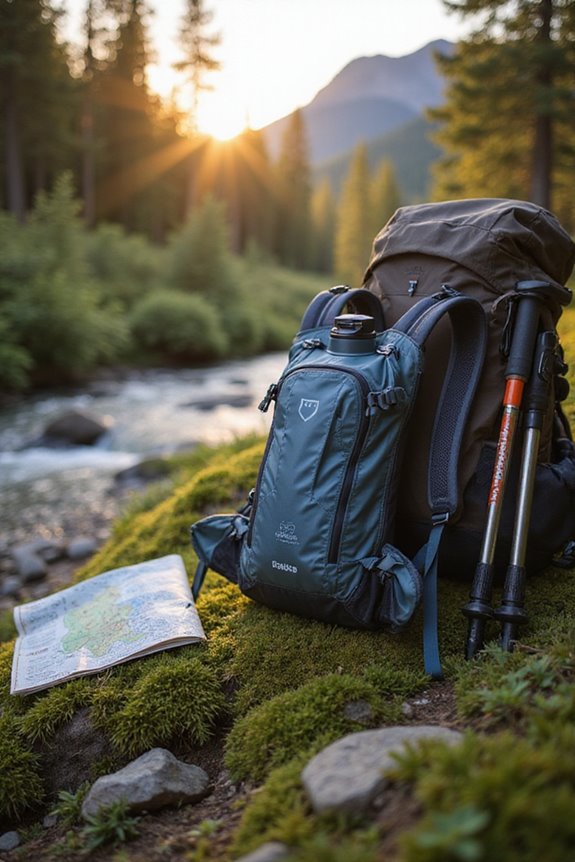
Plan water around the route length, heat, humidity, pace, elevation, group, and reliable refill points. Carry enough for the conditions and keep a treatment or filtration method when natural water is not confirmed safe. Drink regularly without forcing excessive amounts, take shade and rest breaks, and adjust the plan if heat, illness, or unexpected delays increase risk.
Nutrition and Snacks
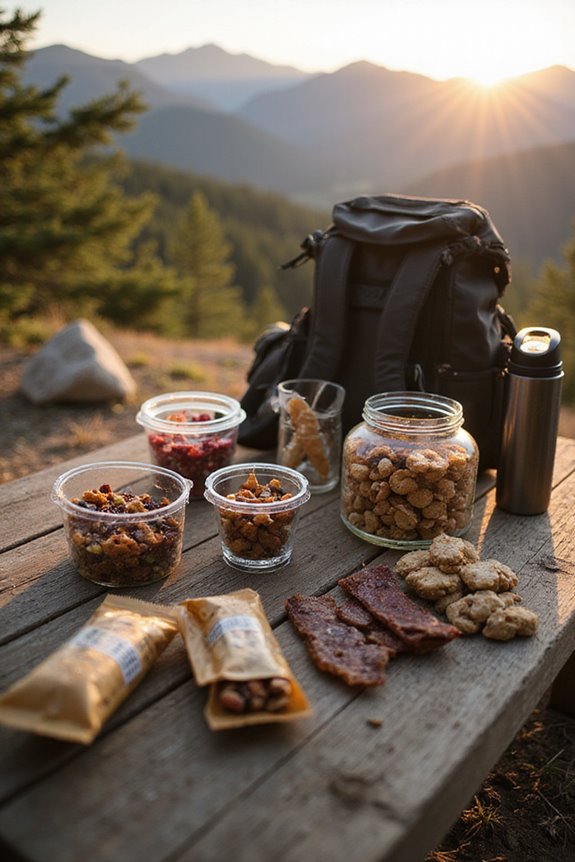
Pack familiar, easy-to-carry food that suits the hike and your dietary needs. A mix of carbohydrates, protein, fats, and salty foods can give you options during a longer or harder day, but appetite and requirements vary. Pack a little extra for delays, protect food from heat and wildlife, and carry out wrappers and scraps.
Navigation Tools
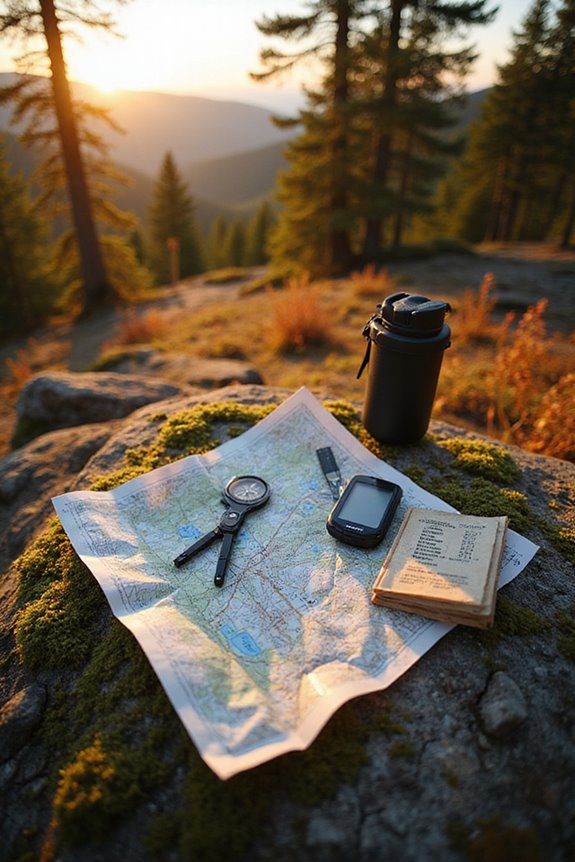
Carry the route map, a compass, and a charged phone or GPS device with offline data when appropriate. Learn how to use the tools before departure, check the route and junctions, and keep a power plan for remote terrain. Do not rely on a signal or battery alone; tell someone your route and turnaround plan.
Recommended Products

Liquid-filled compass: Ensures reliable navigation with smooth and accurate directional readings, making it a must-have tool for hiking trails and backcountry adventures
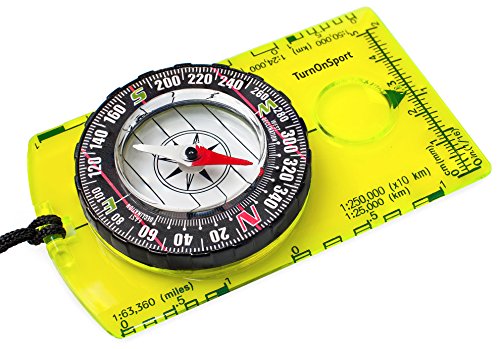
KEY FEATURES: This manual magnet compass consists of Acrylic Baseplate with Azimuth bearing and 360 degree rotating bezel. With the help of a magnetic needle which consists of a liquid-filled capsule (bubble free) helps to swing fast and freely point you towards north. The Magnifying Glass is used for reading and navigating geological maps. Along with this, it has the compass Ruler Scale of 1:24000 for precise route mapping

【Easy to Handle & Read】- With its liquid-filled compass, this compass delivers reliable and accurate readings. The luminous dial enhances visibility in low-light conditions, while the adjustable luminous marching line allows for easy navigation. The thumb hold and magnifying viewer further contribute to a fast and easy read, ensuring convenience during your outdoor explorations.
Safety and First Aid Supplies
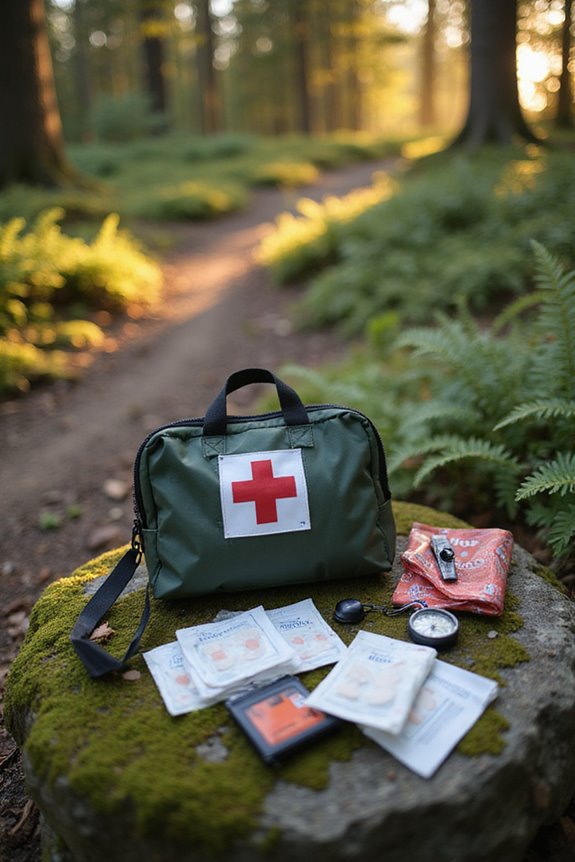
Pack a first-aid kit suited to the group and route, including supplies for blisters, minor wounds, tape, dressings, gloves, and personal medication. Add an emergency blanket, light, whistle, communication device, and any item needed for the season or terrain. Use medicines only as labeled or advised by a qualified professional, and learn basic first aid before relying on the kit.
Recommended Products

Lightweight Emergency Kit: This ultralight medical kit fits easily in your pack's side pocket for convenient access; includes supplies to clean and bandage wounds, aid muscle aches, dress blisters, and treat other common outdoor discomforts
Sun and Insect Protection
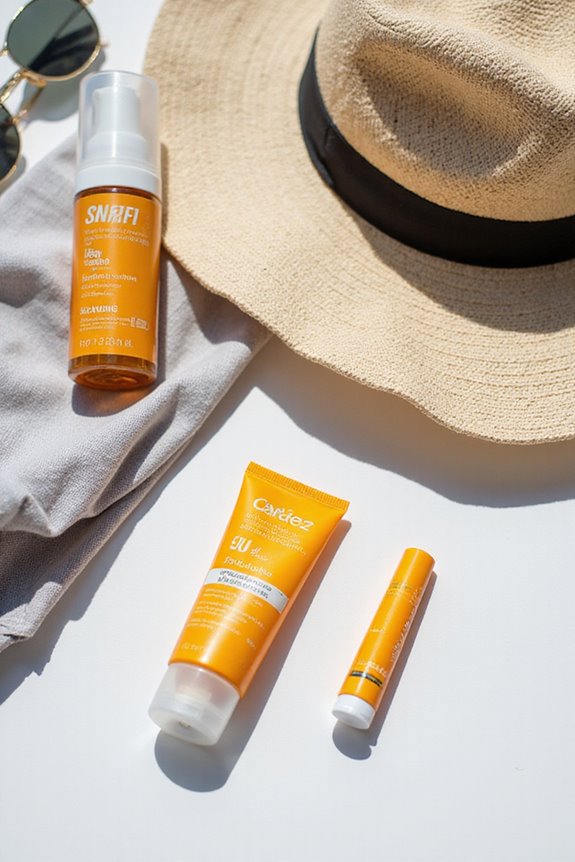
Use sunscreen and lip protection according to the label, wear sunglasses and a hat, and choose clothing that covers exposed skin when useful. Insect protection may include repellent, long sleeves, treated clothing, or netting depending on the area. Check the product instructions, allergies, reapplication needs, and local disease or wildlife guidance.
Recommended Products

UV Protection: Crafted with UPF 50+ fabric, which has excellent sun protection that keeps you shielded from harmful UV rays, allowing you to enjoy the outdoors worry-free.

UV Protection: UPF 50+ rated fabric helps reduce UVA and UVB exposure on covered skin, providing reliable sun protection during outdoor activities while the long sleeve design offers comfortable coverage and helps protect against strong sunlight

Materials: Polyester; Wrinkle-free, Quick Dry and Soft
Weather Preparedness
Check the forecast, warnings, closures, sunrise and sunset, wind, precipitation, heat, cold, and route exposure before leaving. Carry layers that protect against the conditions you may encounter, and turn around when weather or terrain exceeds your plan. A weather-protective outer layer can help, but it cannot replace route judgment, shelter planning, or an early turnaround.
Recommended Products

Packability and Portability: 33,000ft packable rain jacket women is super lightweight, with packable carrying pouch, easy to keep in your handbag, travelling bag, suitcase or car. It's intelligently designed to allow minimal space occupation.Ultra-light weight only 250g.
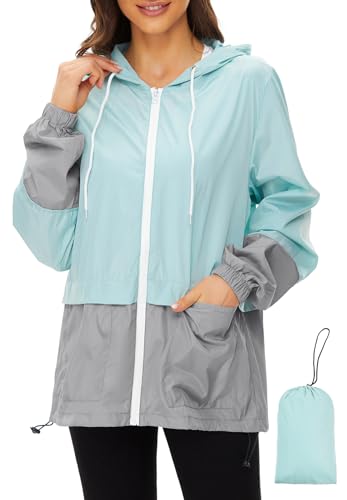
[Pack & Go Convenience] — Designed for convenience, this light rain jacket women is easy to fold and store, making it the perfect travel companion for travel, work, or spontaneous outings. Its compact design fits easily into backpacks or totes, so you're always prepared for unexpected weather. It provides better rain protection than a short rain jacket yet is more flexible than a long raincoat.

𝗪𝗮𝘁𝗲𝗿𝗽𝗿𝗼𝗼𝗳 𝗘𝘅𝘁𝗿𝗲𝗺𝗲 : Menbrane tech fabric, Rated at 10,000mm to withstand heavy rain
Personal Items and Extras
Consider identification, permits, emergency contacts, cash or payment, keys, medication, glasses, hygiene items, a headlamp, and a small repair item. Bring a camera or notebook only if it adds value without displacing water, navigation, or safety gear. Keep essentials protected from rain and accessible without unpacking the whole bag.
Packing Tips and Organization
Choose a comfortable daypack with enough room for the route without encouraging overpacking. Put dense items close to your back, protect soft or fragile gear, keep water accessible, and place navigation and first aid where you can reach them quickly. Use small pouches only when they improve access, and test the loaded pack before departure.
Frequently Asked Questions
How Do I Choose the Right Hiking Trail for My Skill Level?
Compare distance, elevation, terrain, exposure, navigation, weather, water, remoteness, and escape options with your current experience and group. Read the official route description and recent conditions, start conservatively, and leave a margin for fatigue or delays. Difficulty labels vary, so do not use a rating alone.
What Should I Do if I Encounter Wildlife on the Trail?
Stay calm, keep your distance, do not feed or approach the animal, and give it a clear route away from you. Follow local wildlife guidance, secure food and scented items, and back away without running when appropriate. If the animal behaves aggressively or the route is unsafe, seek help and follow the land manager’s instructions.
How Can I Stay Motivated During a Long Hike?
Break the route into manageable sections, take planned food and water breaks, and use a steady pace. Hike with a partner when appropriate, notice landmarks, and reassess energy rather than pushing through worsening symptoms. Turning around is a valid decision when the weather, time, health, or terrain changes.
What Are the Signs of Dehydration While Hiking?
Thirst, dry mouth, headache, dizziness, unusual fatigue, and reduced performance may signal a hydration problem, although they can have other causes. Slow down, rest in a cooler place, drink appropriately, and reassess the route. Confusion, fainting, persistent vomiting, severe weakness, or worsening symptoms require urgent help rather than continued hiking.
How Do I Properly Dispose of Human Waste While Hiking?
Follow the local land manager’s sanitation rules. Use a toilet when provided; otherwise, use the approved method for the area, which may include digging a small hole or packing waste out. Carry toilet paper and hygiene supplies in a sealed bag, keep waste away from water and camps, and never leave wipes or other trash behind.