As an Amazon Associate, we earn from qualifying purchases. Some links on this site are affiliate links at no extra cost to you. Our recommendations are based on thorough research and editorial judgment.

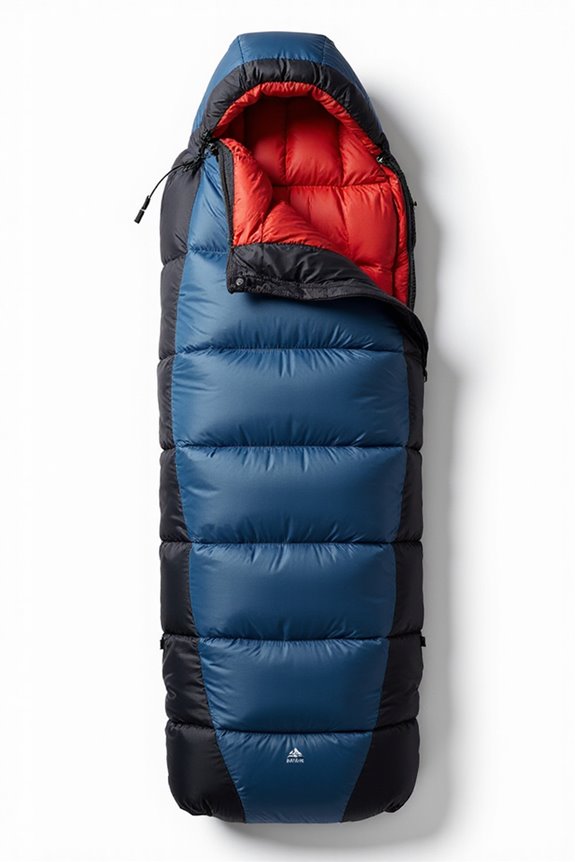
Best Sleeping Bags for Cold Climates: Buying Guide

The best sleeping bag for a cold climate matches the lowest conditions you expect, your sleep system, your fit, and your ability to manage moisture. Compare the comfort and limit ratings, insulation, shape, hood, draft protection, shell, packed size, and care requirements. A sleeping bag rating is not a guarantee: the pad, shelter, clothing, wind, humidity, fatigue, and personal comfort also affect warmth.
Key Takeaways
- Use the comfort rating and limit or lower rating carefully, and compare the test standard and conditions.
- Match down or synthetic insulation to moisture risk, climate, pack weight, care, and budget.
- Choose a shape and size that reduce drafts without compressing insulation or restricting sleep.
- Look for a hood, draft collar, draft tube, suitable shell, and a sleeping pad with enough insulation.
- Store the bag uncompressed, keep it dry, follow the care label, and test the full sleep system before a cold trip.
Understanding Temperature Ratings
You may be interested



Temperature ratings help compare bags when they are tested under a stated standard, but the labels have different meanings. A comfort rating is intended to describe a more comfortable sleep for a reference sleeper; a limit or lower rating describes colder conditions with less comfort margin. Check which standard and rating a product uses, then add margin for wind, moisture, altitude, poor nutrition, fatigue, and your personal tendency to sleep warm or cold.
Key Features to Look For
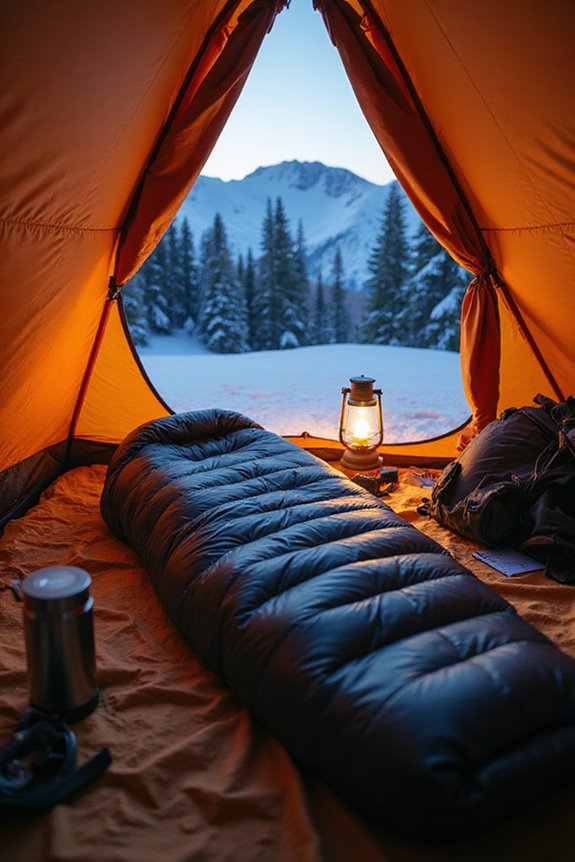
Compare down and synthetic insulation, shell fabric, baffle design, hood, draft collar, draft tube, zipper, footbox, fit, and packed size. Down can offer efficient warmth when kept dry, while synthetic insulation may be easier to manage in damp conditions. A water-resistant shell does not make a sleeping bag waterproof, so plan for shelter and moisture control separately.
High-End Sleeping Bags for Extreme Cold
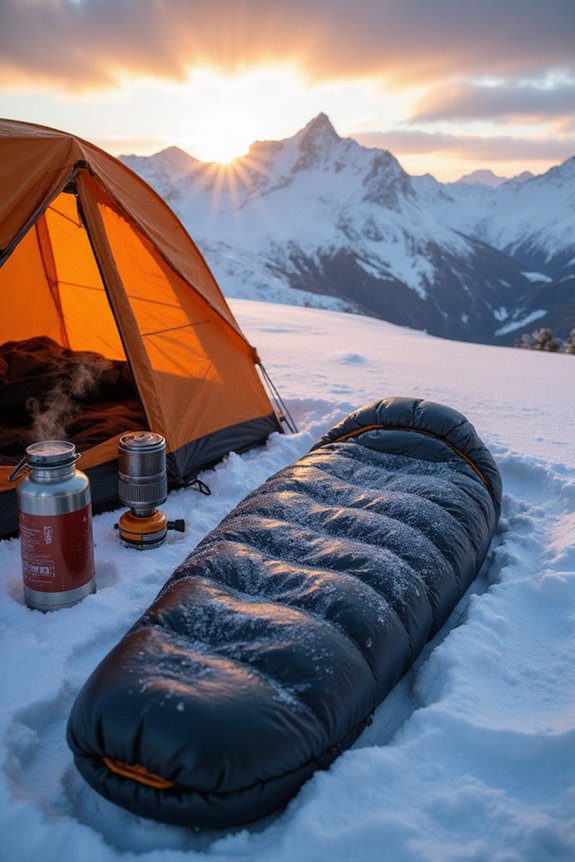
For severe cold, review the complete system rather than a brand name or one headline rating. Check the exact bag’s tested rating, insulation type and amount, hood and collar design, zipper behavior, shell, fit, repair support, and compatibility with your pad and shelter. Extreme conditions demand margin, practice, weather monitoring, and an emergency plan; a premium bag cannot remove those risks.
Recommended Products

Bigger and More Spacious: Keencamp sleeping bag measures (78.74+11.81)*35.43 inches, with a package size of 16.53*13.38*5.51 inches. It has been enlarged and widened to provide ample space, allowing even XXL individuals to move freely inside.
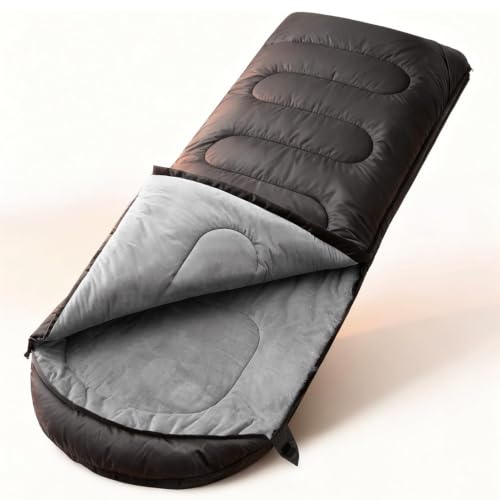
Each Winter Sleeping Bag measures 86.6 by 32.68 inches; Ideal for Most Users: Comfortably accommodates users up to 6 feet tall, including adults and teenagers.

XXL SIZE FOR EXTRA SPACE:Measuring 90" x 39", this oversized sleeping bag fits adults up to 6 ft. 7 in. tall and provides plenty of room for big and tall sleepers, side sleepers, and anyone who prefers extra space.
Best Value Options for Budget-Conscious Buyers
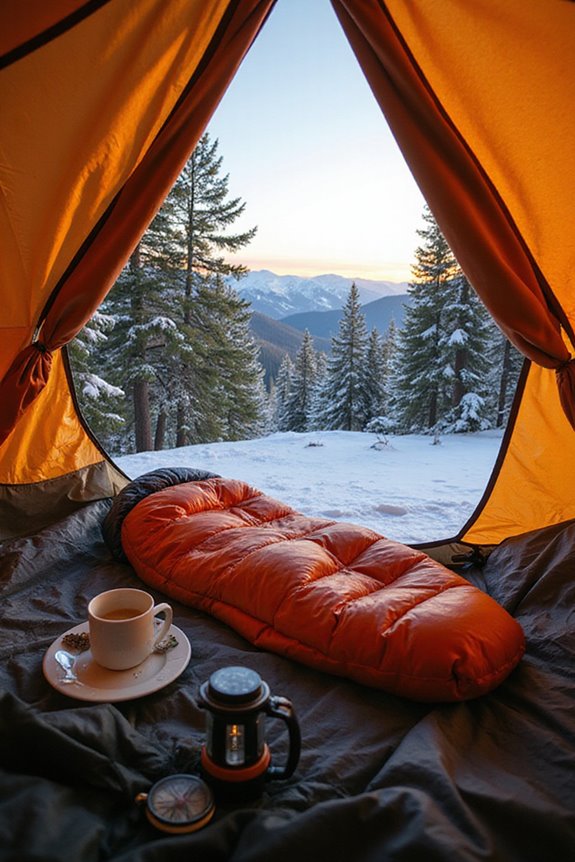
Value comes from matching the bag to the conditions and the frequency of use. Compare tested ratings, insulation, fit, zipper, hood, packed weight, warranty, repairability, and care—not only the price. A budget bag may suit fair-weather trips but leave too little margin for cold exposure. Check current specifications and recent availability before purchase.
Lightweight Sleeping Bag Choices
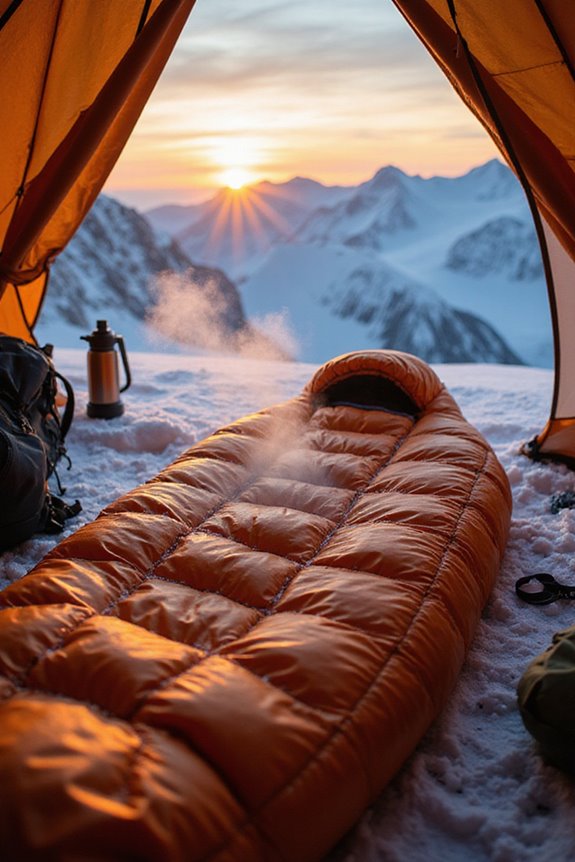
A lighter bag may reduce pack weight, but warmth, insulation amount, fit, durability, and moisture protection still matter. Compare the packed weight with the bag’s tested rating and intended season, and include the stuff sack or storage accessories in your planning. Use a sleeping pad with suitable insulation so the bag is not asked to compensate for heat lost to the ground.
Recommended Products

BEST YEAR ROUND SLEEPING BAG - Temperature rated for 50°F to 77°F. Easily fits a 6ft adult and weighs only around 3lbs. It's perfect for spring, summer, fall, and cool weather. The ultra-strong, waterproof outer protective shell is made from our unique waterproof hex-tech design, double-layered with S-shape stitching, and 3D inner synthetic fiber fill for optimal warmth and insulation to protect you from the elements.

High Quality Material: It's perfect for spring, summer, fall, and cool weather. Crafted from durable, waterproof 210T polyester outer, filler highly elastic hollow cotton for warmth retention, lining breathable and skin-friendly durable fabric, this sleeping bag shields you from moisture and wind. Whether you're camping in mild or cooler temperatures (50°F-68°F), the hollow cotton filling provides warmth and insulation for a restful sleep

FOR THE LOVE OF COMFORT: The innovative fill packs down without sacrificing performance; Roomy footbox; Zipper draft tube; Soft liner provides a comfortable night's sleep
Materials Used in Cold Weather Sleeping Bags
Shell and lining fabrics affect abrasion, breathability, moisture handling, and care. Down insulation can lose loft when wet, while synthetic insulation often remains more forgiving but may differ in weight and packed size. Check the fill, baffles, coatings, zipper, and seam construction, and plan how the bag will dry if condensation or wet gear becomes a problem.
Specialized Features That Enhance Performance
A well-designed hood, draft collar, draft tube, shaped footbox, adjustable zipper, and sensible ventilation can improve comfort in cold conditions. These features work only when the bag fits and the insulation is not compressed by clothing or an undersized shelter. Practice the adjustments at home and avoid sealing in damp clothing that will reduce loft.
Comparing Fill Power and Fill Weight
Fill power describes the loft of down, while fill weight describes how much insulation is present. Higher fill power can provide efficient warmth for a given weight, but it does not tell you the bag’s total warmth without the fill weight, construction, fit, and tested rating. Compare the complete specification rather than selecting by one number.
Tips for Choosing the Right Sleeping Bag
Start with the coldest realistic conditions, then choose a tested rating with a sensible margin. Match the shape to your sleeping position, check shoulder and foot space, and confirm the bag works with your sleeping pad, shelter, clothing, and moisture plan. Consider zipper side, hood adjustment, packed size, repair support, and whether down or synthetic insulation fits the trip.
Maintaining Your Sleeping Bag for Longevity
Follow the care label and use a cleaner suitable for the insulation. Spot-clean small marks when possible, wash only when needed, dry completely, and check for clumps or damp areas before storage. Keep the bag out of direct sun and away from wet gear, store it loosely in the supplied large sack or as directed, and repair damaged shells, zippers, or baffles early.
Frequently Asked Questions
How Do I Properly Store My Sleeping Bag During the Off-Season?
Clean and dry the bag completely, then follow the manufacturer’s storage instructions. Avoid long-term compression in a small stuff sack; use a large breathable storage sack or another approved method. Keep it in a cool, dry place away from sunlight, pests, heat, and damp gear, and inspect it before the next trip.
Can I Use a Sleeping Bag for Camping in Mild Weather?
Yes, if its comfort rating and features match the expected conditions. A bag that is too warm can be uncomfortable, while an under-rated bag may leave you cold. Check the forecast, use ventilation when appropriate, and avoid relying on a rating without considering your pad, clothing, shelter, and personal comfort.
What Is the Difference Between Down and Synthetic Insulation?
Down often offers efficient warmth and compressibility when kept dry, while synthetic insulation can be more forgiving around damp conditions and may dry more predictably. Compare the complete bag’s tested rating, weight, packed size, moisture strategy, care, durability, and repair options rather than treating one insulation type as universally better.
How Often Should I Wash My Sleeping Bag?
Wash only when the care instructions and the bag’s condition call for it. Regularly air it out, use a liner when appropriate, spot-clean small marks, and keep food and wet clothing out of the bag. When a full wash is needed, use a compatible cleaner and dry the insulation completely to prevent clumping or mildew.
Are There Sleeping Bags Specifically Designed for Women?
Some bags are cut or insulated for body shapes, fit preferences, or sleeping patterns that a manufacturer markets toward women, but needs vary by person. Compare the actual dimensions, insulation, hood, footbox, comfort and limit ratings, and fit. Choose based on warmth and movement rather than a gender label, and test the bag with your sleep system.