As an Amazon Associate, we earn from qualifying purchases. Some links on this site are affiliate links at no extra cost to you. Our recommendations are based on thorough research and editorial judgment.

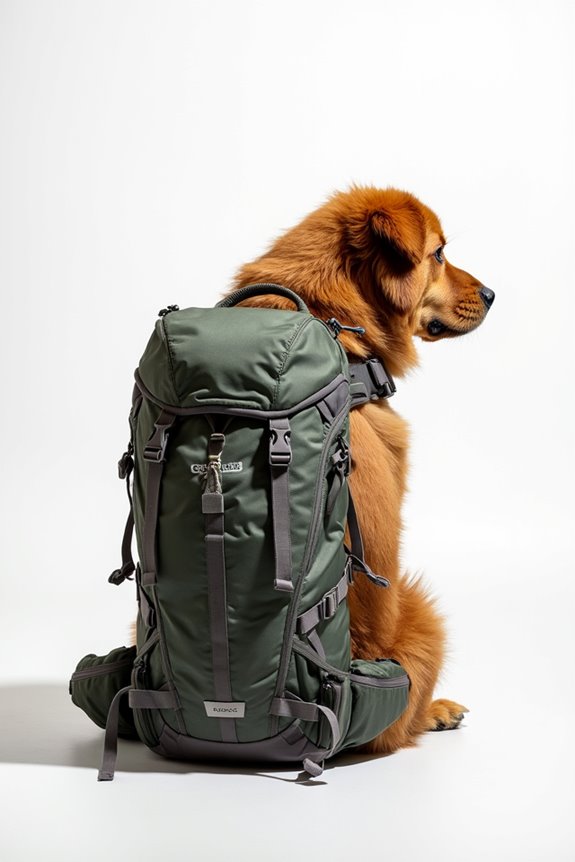
Best Dog Backpacks for Hiking: How to Choose Safely

The best dog backpack for hiking should fit securely, allow natural movement, distribute a light load evenly, and stay comfortable as conditions change. Start with your dog’s health, age, body shape, coat, experience, and the trail—not the brand or storage volume. Introduce the pack gradually, inspect your dog often, and carry essential supplies yourself when a load would be unsuitable.
Key Takeaways
- Fit the pack to the dog’s chest, girth, back, and movement; do not choose by breed label alone.
- Start with an empty or very light pack, build tolerance gradually, and stop for rubbing, limping, stress, overheating, or unusual fatigue.
- Keep the load balanced and modest, with the handler carrying water and essential safety gear when appropriate.
- Look for breathable contact areas, secure adjustment, reflective details, durable construction, and easy cleaning.
- Ask a veterinarian about suitability for puppies, seniors, short-nosed dogs, dogs with joint or heart conditions, or any dog with symptoms.
Key Features to Look for in a Dog Backpack
You may be interested

Useful features include stable adjustment, padded contact areas, breathable panels, secure closures, balanced side compartments, reflective details, and a design that does not restrict the shoulders or elbows. Check that the pack stays in place while walking, climbing, and turning. A leash attachment should not pull the load awkwardly, and quick-release adjustments can help when the dog becomes uncomfortable.
Recommended Products

HANDS-FREE, PADDED STRAP PET CARRIER: The PupPak Front Carrier is ideal for carrying smaller pups who aren’t always ready for long hikes, but are an integral part of the pack! Padded shoulder straps and adjustable buckles provide a supportive, hands-free fit for all body types. Be sure to cross the straps in the back before enjoying a hands-free adventure with your pup.

PET BACKPACK DIMENSIONS: This dog carrier size is 14.5''L x 10‘'W x 14.5‘'H. Perfect for cats, dogs, and most other small pets weighing no more than 15 lbs ! There are multi-window design of the backpack carrier and it comes with ample room and bed so your pet travels in comfort. You can use it to carry small dogs or cats for biking, camping, outdoor walking, or meeting friends. Always measure your pet before purchasing to ensure a perfect fit
Top Dog Backpacks for Hiking
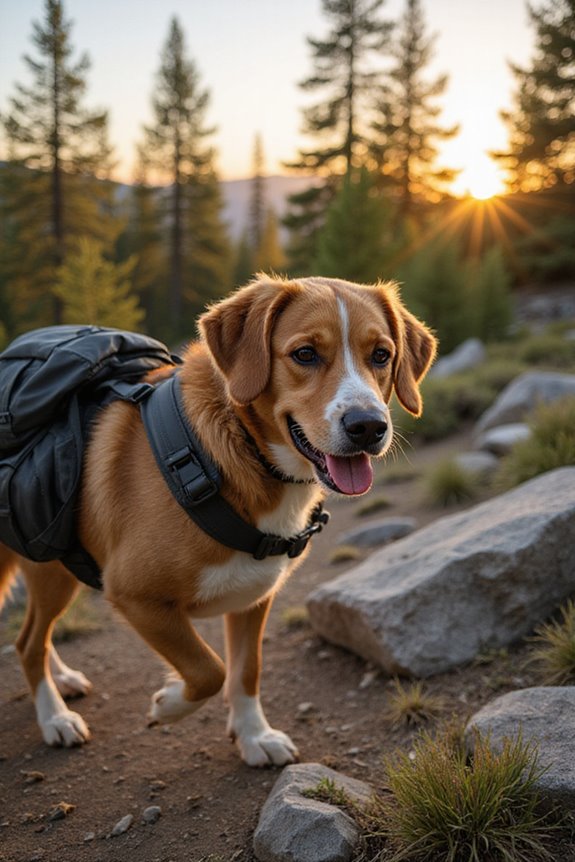
When comparing models, focus on the current product’s fit range, adjustment system, load guidance, materials, ventilation, pockets, cleaning instructions, warranty, and return policy. A model that suits one dog may not suit another because chest shape, coat, stride, and tolerance differ. Read recent reviews for similar dogs and test the fit before a long hike.
Recommended Products

DOG SADDLE BAG: This dog backpack harness for dogs to wear is designed with utility in mind for both the owner and your best friend. Multiple compartments with adjustable fit ensurse this dog vest with pockets fits snuggly on your dog while holding all essentials such as treats, doggie bag, toys, first aid supplies and travel bowls. Ideal for medium to large size dogs. Comes with a built in poop bag dispenser for picking up doggie waste!

DOG SADDLE BAG: This dog backpack harness for dogs to wear is designed with utility in mind for both the owner and your best friend. Multiple compartments with adjustable fit ensurse this dog vest with pockets fits snuggly on your dog while holding all essentials such as treats, doggie bag, toys, first aid supplies and travel bowls. Ideal for medium to large size dogs. Comes with a built in poop bag dispenser for picking up doggie waste!

Y-Shaped Harness Design that prevents slippage, evenly distribute weight of loaded packs, and hugs the torso without hindering movement. Perfect for weighted dog vest.
Durability and Weather Resistance
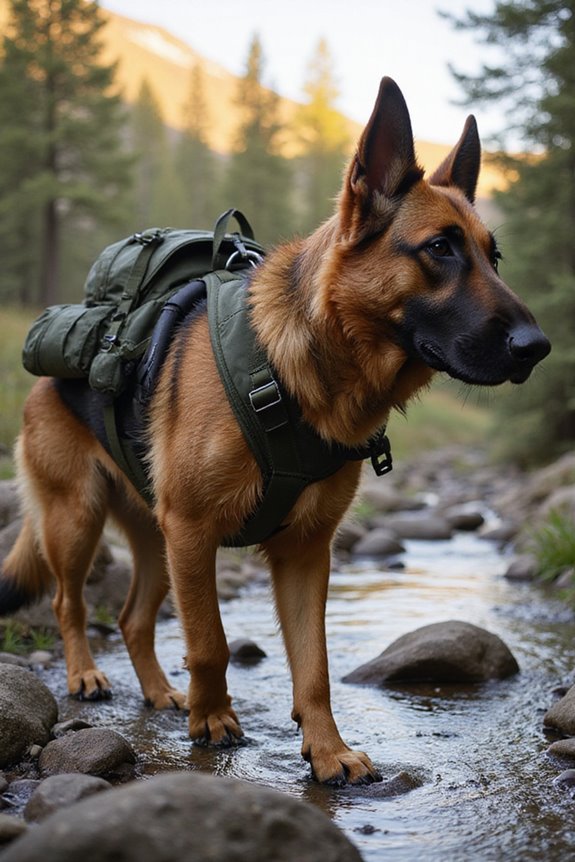
Check stitching, stress points, buckles, zippers, adjustment hardware, and the fabric’s care guidance. Water-resistant material may shed light moisture without keeping contents dry in prolonged rain, so use liners or separate waterproof bags as needed. Inspect the pack after each trip, remove grit, dry it fully, and replace parts that no longer hold securely.
Recommended Products

【Includes】 3 inch carabeeners hook clips with Keyrings. Elegant, various vibrant colors, strong and practical; with smooth edges. Rhino Carabiner Clips are crafted out of top-grade aerospace Aluminum 7075 while offering 12kN (2697 lbs.) of strength. This quick locking caribiner is one handed operation for easy setup/usage. This caribeaner clip D shaped design provides the strongest careebiner with a safe locking mechanism. 889 compliant.

【Breathable and Durable】 Crafted from durable 600D nylon, offering excellent tear and abrasion resistance, with a breathable mesh lining that maximizes functionality and comfort during long outings
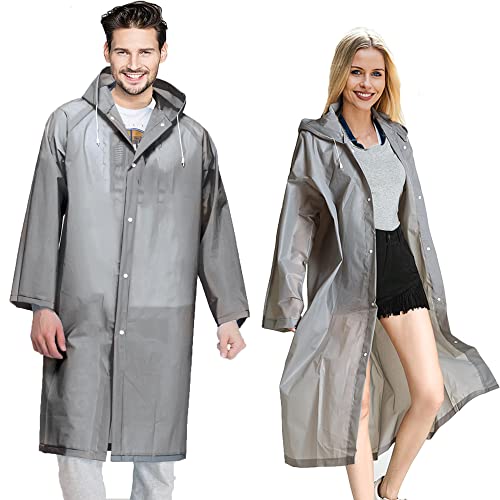
*SAFE & HIGH-QUALITY RAINCOAT: Made of 100% EVA, an environmentally friendly material, the rain poncho is non-toxic, no smell, and is harmless. Extremely waterproof and lightweight, the long sleeves and big drawstring hood design will keep your arms, head, and neck dry.
Comfort and Ergonomic Design
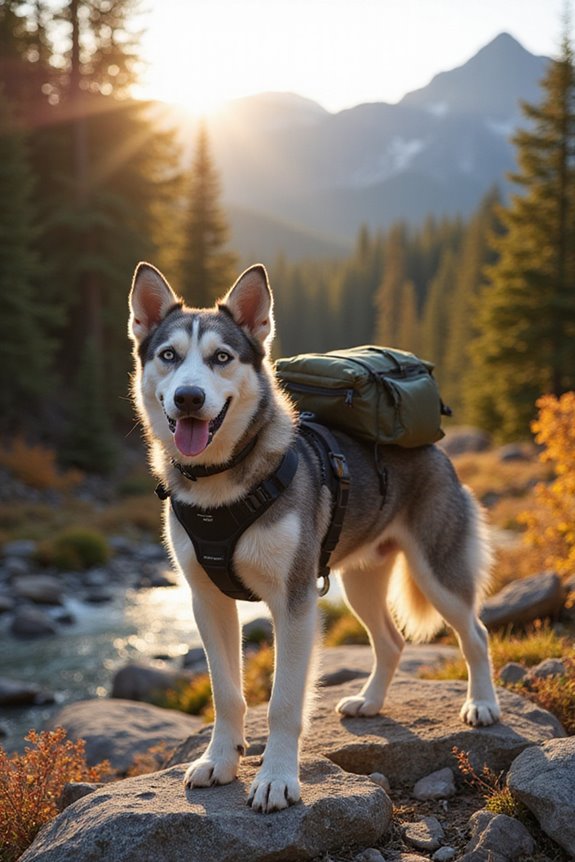
The pack should sit close to the dog without rubbing the neck, armpits, spine, or hips. It should not limit shoulder extension, shorten the stride, pull to one side, or make the dog change posture. Check under the straps during breaks, especially when the coat is wet or the trail is warm. A dog that freezes, scratches, pants excessively, or tries to remove the pack may need a fit change or a break.
Storage Capacity for Extended Hikes
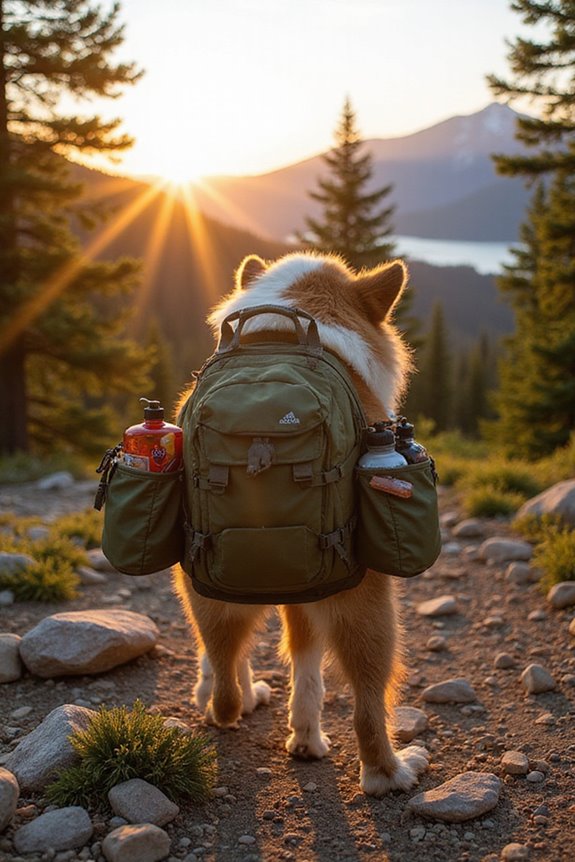
Choose only enough capacity for light, balanced items your dog can safely carry. Soft items can reduce shifting, but never pack sharp objects, hot items, food that may attract wildlife, or anything that could injure the dog. The handler should usually carry water, first aid, navigation, extra layers, and emergency equipment. Recheck balance after the pack is filled and before the trail becomes technical.
Customer Feedback and Reviews
Reviews are most useful when they describe the dog’s size and shape, coat, trail conditions, fit process, load, weather, and length of use. Look for recurring comments about rubbing, slipping, hot spots, broken hardware, and cleaning rather than relying on star ratings alone. Confirm important claims against the current manufacturer instructions and return terms.
Price Comparison and Value
Value depends on safe fit, repairability, durability, comfort, and how often the pack will be used—not only the purchase price. Compare the pack, replacement parts, warranty, return policy, and any waterproof liners or accessories you would need. A cheaper pack is poor value if it causes rubbing, shifts under load, or cannot be adjusted to your dog.
Recommended Products

Size Purchase Suggestion: Size M:14.6"(L)*8.3"(W)*16.5"(H), is suitable for dogs from 5 to 9 lbs. We highly recommend for small dogs less than to 9 lbs(If your pet's weight falls between sizes, please choose the larger size). Please DO measure your pets "weight and the height of sitting", and choose according to the size chart (fig.4)

MEASURE FIRST FOR THE RIGHT FIT: The Foxfocus dog carrier backpack measures 13.3"L x 9.4" W x 24.4 " H. Designed for dogs with a back length of 17.5-20", chest girth up to 29", and neck size of 13-16", recommended weight: 22-28 lbs. Pro Tip: Always measure your dog’s back length, chest girth, and neck size to ensure the perfect fit

PRODUCT DIMENSIONS: The Foxfocus dog carrier backpack measures 10.2"L x 6.6"W x 21.2" H. Designed for dogs with a back length of 15-17.5", chest girth ≤25", and neck size of 10-13". It supports a recommended weight of 16- 22 lbs. Tip: Always measure your dog's back length, chest girth, and neck size for a perfect fit
Tips for Choosing the Right Backpack for Your Dog
Measure your dog according to the manufacturer’s chart, try the pack with an empty load, and watch the walk from the side and behind. Add one light item at a time, use short familiar outings, and reward calm behavior. Keep the load balanced, protect sensitive skin, avoid hot conditions, and let your dog set the pace. For puppies, older dogs, flat-faced breeds, overweight dogs, or dogs with medical concerns, ask a veterinarian before training with a pack.
Recommended Products
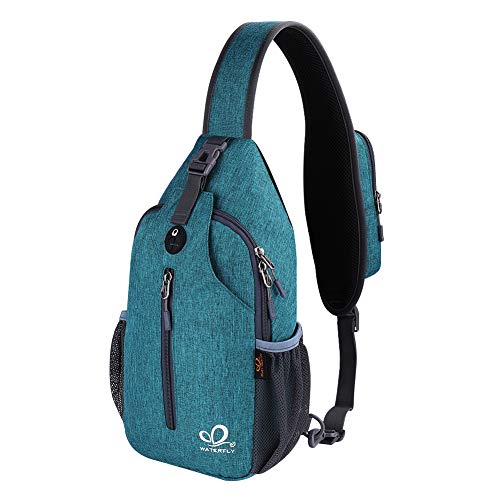
Keep Everything in Order: Size: 7 x 3.5 x 15 inches /18 x 9 x 38 cm. The front zipper bag and buckle bag allow you to store iPad mini, iPhone 7 Plus, power band, etc., with several separate small compartments inside, it can effectively keep your small items like makeup, tissue, keys and so on. The side mesh pocket is 6 inches height, it can hold 2.4 inch(diameter) bottle

FOLDABLE DESIGN: Unfold size 16.9*11.4*5.5in, folded size 8.7*6.3in.You can fold this backpack when you don't need it, which saves space and allows you to easily pack it in your suitcase, backpack

HIGH-QUALITY HIKING GEAR: The Outward Hound DayPak is one of our bestselling and most popular dog backpacks. Lightweight and convenient, this pack can comfortably fit extra essentials you may need while exploring the great outdoors.
Frequently Asked Questions
Can Small Dogs Use Large-Sized Backpacks?
A small dog should not use a large pack simply because it has more storage. The pack must fit the dog’s measurements, stay balanced, avoid restricting movement, and remain light enough for the individual dog. If the right fit is unavailable, carry the supplies yourself.
How Do I Introduce My Dog to a Backpack?
Let your dog investigate the empty pack, then reward calm contact. Put it on briefly indoors, adjust it without tightening into the neck or armpits, and progress through short walks before adding a small balanced item. Increase time and load gradually only when the dog remains relaxed. Stop if there is rubbing, distress, limping, overheating, or unusual fatigue.
Are There Any Dog Backpack Safety Regulations?
Rules vary by park, trail, transport provider, and local authority, so check the exact destination. Regardless of formal rules, use a secure, correctly fitted pack, follow leash and wildlife requirements, and monitor the dog’s condition. A veterinarian can help assess whether pack carrying is appropriate for an individual dog.
What Is the Ideal Weight Limit for Dog Backpacks?
There is no safe universal percentage for every dog. Load tolerance depends on age, fitness, body condition, breed traits, health, terrain, temperature, distance, and training. Follow the manufacturer’s guidance as a starting point, keep the load conservative, build up slowly, and ask a veterinarian for an individual recommendation. The handler should carry critical water and safety supplies.
How Do I Clean and Maintain a Dog Backpack?
Empty the pack, remove hair and grit, and follow the care label. Spot-clean or hand-wash compatible materials with a mild cleaner, rinse thoroughly, and dry completely before storage. Inspect straps, seams, buckles, and zippers after each trip, and do not use the pack if a failure could let it shift or injure the dog.