As an Amazon Associate, we earn from qualifying purchases. Some links on this site are affiliate links at no extra cost to you. Our recommendations are based on thorough research and editorial judgment.

How to Choose a Rain Jacket

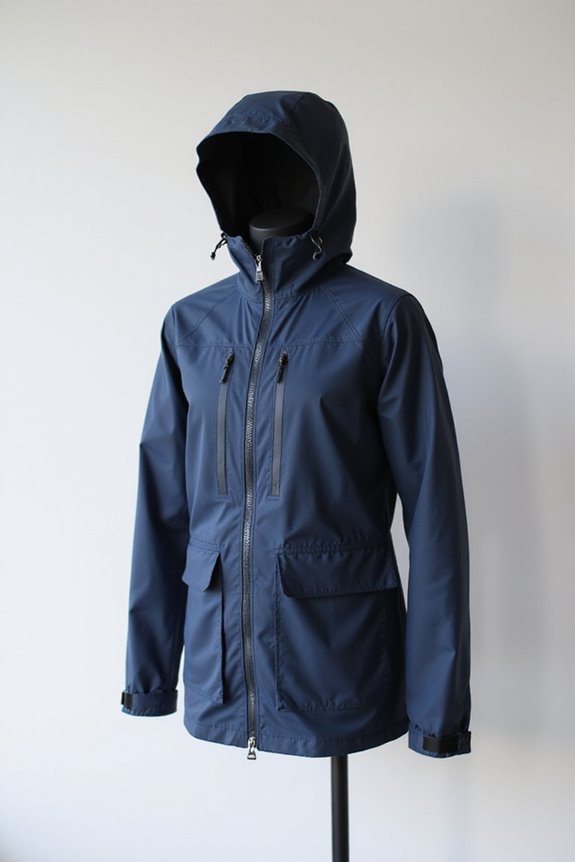
The best rain jacket depends on the weather, activity, layering, and amount of protection you actually need. Compare waterproof construction, breathability, seam treatment, hood and cuff design, fit, packability, care, and repair support. A jacket that works for a commute may not be the right choice for sustained mountain rain, so start with the conditions rather than a brand name or isolated rating.
Key Takeaways
- Match the jacket’s construction and coverage to the duration and intensity of expected rain.
- Check whether the seams, zippers, hood, cuffs, and hem support the stated weather protection.
- Balance breathability with ventilation openings, layering room, weight, and durability.
- Choose fit and pockets around the activity, pack, clothing layers, and movement you need.
- Read the care label and compare return, warranty, repair, and reproofing support.
Key Features to Look For in Rain Jackets
You may be interested

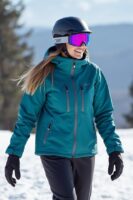

Look for a waterproof membrane or coating suited to the intended conditions, fully or strategically taped seams, a hood that adjusts without blocking vision, secure cuffs, and a hem that stays in place. Ventilation openings can help manage heat, but their position and weather protection vary. Breathability labels are measured in different ways, so compare like with like and consider real-world ventilation rather than treating one number as a guarantee.
Best Performance Rain Jackets for Outdoor Activities
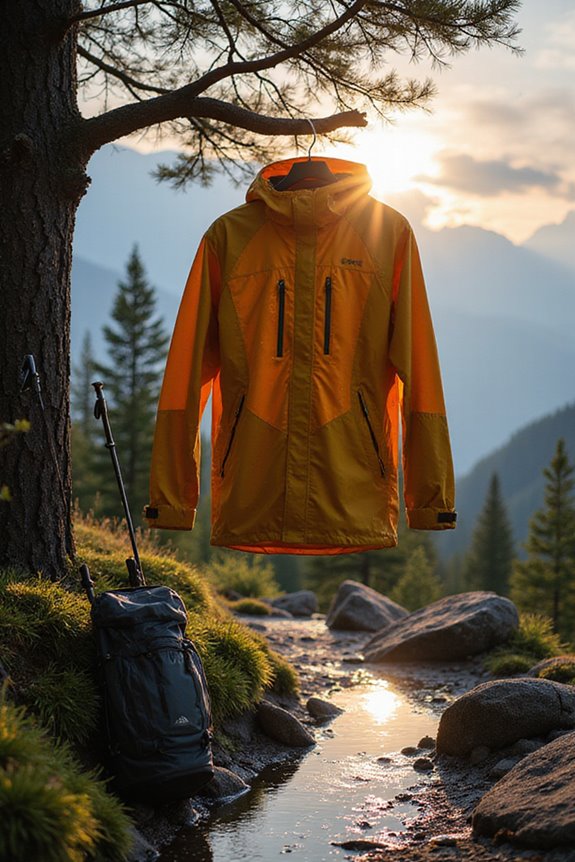
For hiking, cycling, climbing, or backpacking, compare the jacket’s coverage, hood movement, pocket access, pack compatibility, abrasion resistance, and ventilation with the route. A durable three-layer construction may suit repeated rough use, while a lighter design may be easier to carry for occasional showers. Check the exact model specification and return terms; product names and materials can change across seasons or regions.
Budget-Friendly Rain Jacket Options
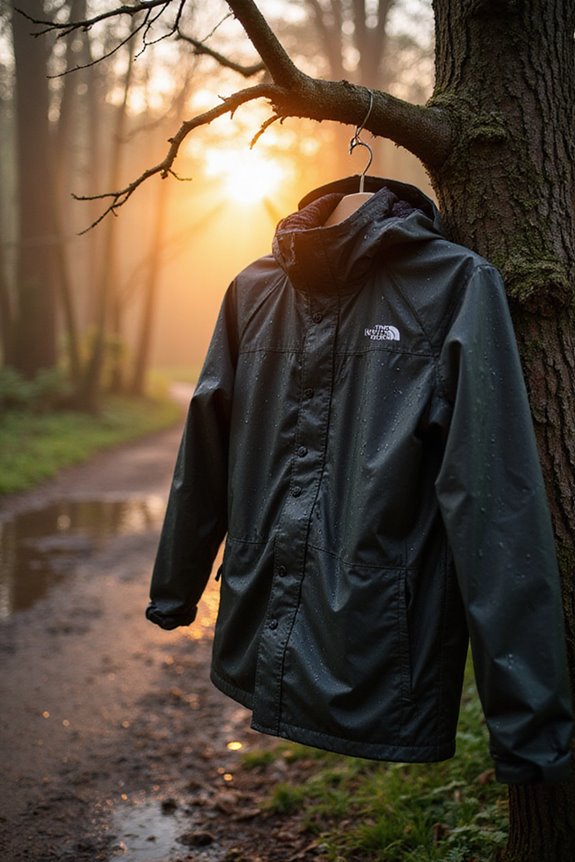
Set a budget after deciding which features are essential. A lower-priced jacket may be suitable for short commutes or occasional rain, while frequent exposure may justify stronger construction, better ventilation, easier repair, or a more useful warranty. Compare the complete specification, not just the price: a low upfront cost is poor value if the fit, weather protection, or durability does not suit your use.
Recommended Products

Waterproof & Windproof for Ultimate Protection – This rain jacket men is made of high-quality waterproof fabric, effectively blocking rain while offering excellent wind resistance to keep you dry and comfortable outdoors.
Understanding Key Technologies and Materials
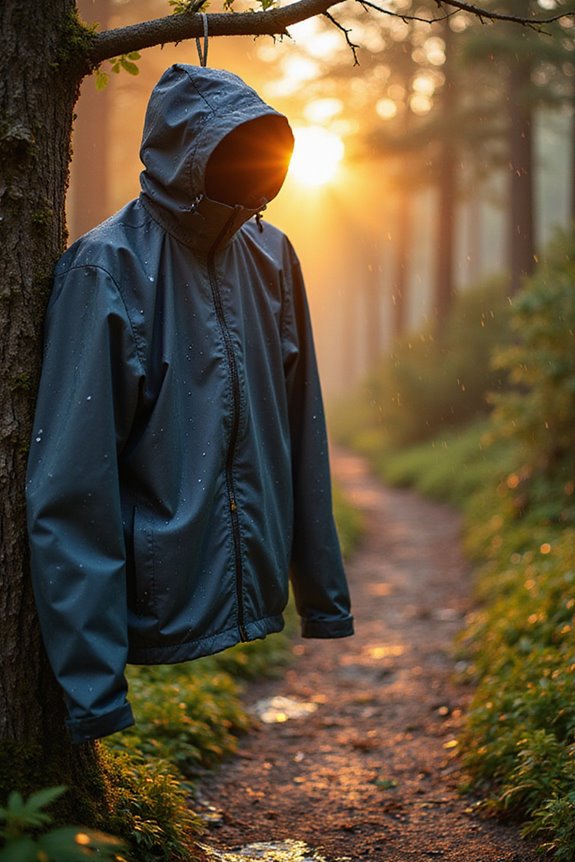
While many people might think that all rain jackets are created equal, understanding the key technologies and materials used in their construction can make a world of difference in staying dry and comfortable. Waterproof technologies, like GORE-TEX, offer microscopic pores that block rain while letting moisture escape, keeping the wearer from feeling like a boiled chicken. The fabric breathability is vital, so jackets with 3-layer membranes provide superior protection but can feel bulkier. Lighter options, like 2.5-layer jackets, balance weight and durability, but may sacrifice some breathability. Durable Water Repellent (DWR) finishes help water bead off, enhancing performance. With various materials like nylon and polyester blends, choosing the right jacket can truly transform a soggy day into an adventure.
Ultralight and Lightweight Rain Jacket Choices
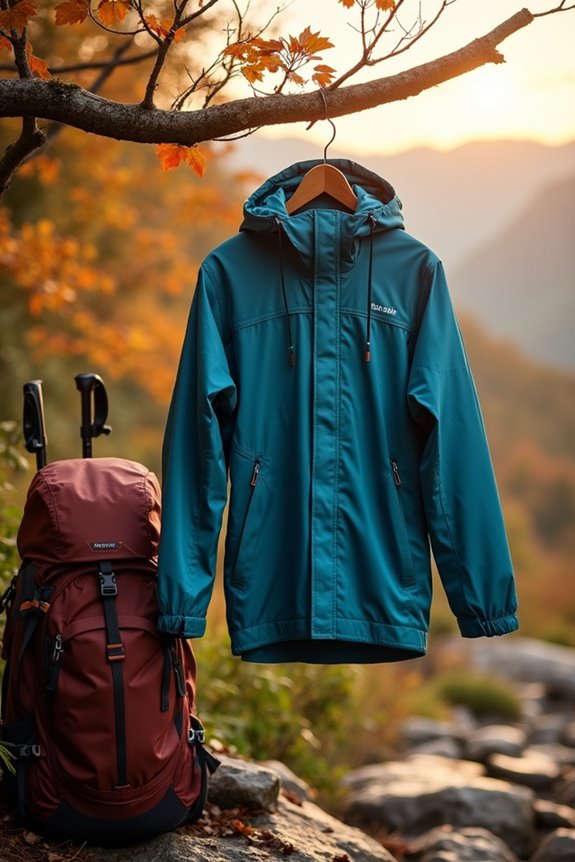
Lightweight jackets are useful when pack space and carried weight matter, but lower weight can involve trade-offs in fabric robustness, pockets, ventilation, or long-term durability. Check the packed size, hood and cuff adjustment, waterproof construction, repairability, and whether the jacket fits over the layers you will actually wear. Choose the lightest option that still meets the conditions, rather than chasing a product number.
Recommended Products

【Material】Rain jacket for men waterproof is made of ripstop, high density nylon waterproof shell fabric.Seams are 100% fully sealed and welded with TPU membrane, keep you all-day dry in overcast and rainy.
Comparing Fit and Style in Rain Jackets
Try the jacket over the base and insulation layers you expect to use. Lift your arms, reach forward, turn your head, and check that cuffs, hem, and hood remain secure. A trim fit may move efficiently but leave little layering room; a relaxed fit may accommodate layers but catch more wind. Pockets, zippers, visibility, and everyday appearance matter too when the jacket must work across activities.
Environmental Considerations in Rain Jacket Selection
Consider buying a durable jacket, repairing it, choosing second-hand when the condition is sound, and selecting a product with credible material or manufacturing information. Recycled content is one factor, not proof that a garment is low-impact. Check the brand’s specific certification, repair, take-back, and care claims, and avoid treating broad sustainability language as a verified result.
Price Vs Performance: Making the Right Choice
Compare price with the weather protection, fit, durability, ventilation, repair support, warranty, and frequency of use you expect. A premium feature is worthwhile only when it solves a real problem for your route or routine. Read recent reviews for recurring construction issues, verify the exact model specification, and confirm the return policy before removing tags or using the jacket outdoors.
Recommended Products

𝗪𝗮𝘁𝗲𝗿𝗽𝗿𝗼𝗼𝗳 𝗘𝘅𝘁𝗿𝗲𝗺𝗲 : Menbrane tech fabric, Rated at 10,000mm to withstand heavy rain

[Waterproof] 33,000ft Packable rain jacket for men features superior waterproof fabric and full heat seam-sealed construction, with 10000mm H2O in waterproof level. All zippers outside are 100% water resistant, keep your storage items dry. This shell allows you to dry completely even during downpour rain.
Frequently Asked Questions
How should I care for a rain jacket?
Follow the garment’s care label for detergent, temperature, washing, drying, and reproofing. Avoid fabric softener, harsh cleaners, and unapproved heat. Clean dirt and body oils when needed, dry the jacket fully, and inspect seams, zippers, and the surface finish before the next trip.
How should I store a rain jacket?
Clean and dry it completely, then store it in a cool, dry, ventilated place away from prolonged heat, sunlight, oils, and sharp objects. Follow the maker’s guidance on hanging or folding, and do not seal a damp jacket in a bag.
Can I wear a rain jacket over a winter coat?
Only if the outer jacket has enough room for the layers without restricting movement, compressing insulation, or preventing the hood and cuffs from working. Try the complete combination before relying on it in wet weather.
Are there rain jackets for children?
Yes. Choose a child-sized jacket with suitable coverage, safe closures, visibility, comfortable movement, and care instructions. Check the fit regularly as the child grows, and avoid loose cords or features that create an entanglement hazard.
How can I assess rain-jacket breathability?
Compare the manufacturer’s stated test method and rating only with products tested the same way. Also inspect ventilation openings, fit, lining, and expected activity. No breathability label removes the need to manage layers, pace, and moisture from inside the jacket.