As an Amazon Associate, we earn from qualifying purchases. Some links on this site are affiliate links at no extra cost to you. Our recommendations are based on thorough research and editorial judgment.

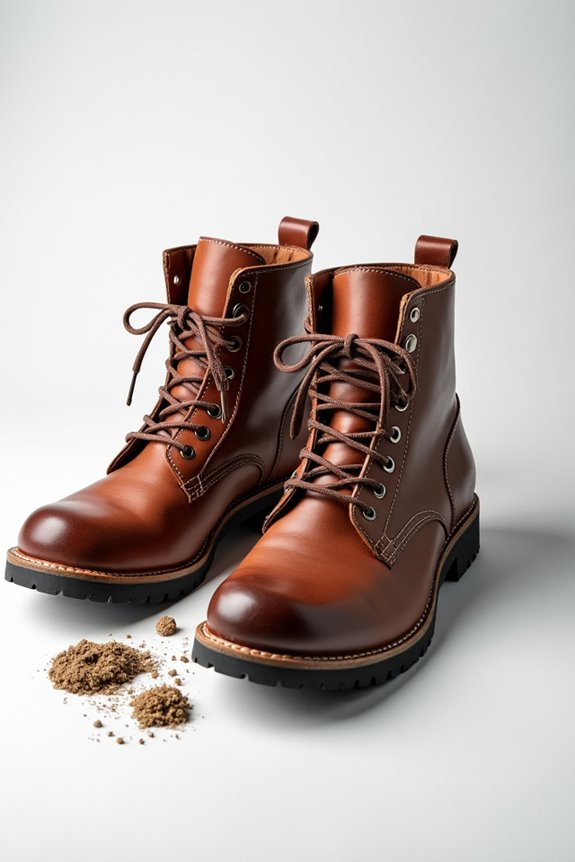
How to Break In New Hiking Boots

Break in new hiking boots gradually so you can identify pressure, heel movement, rubbing, heat, and fit problems before a long hike. Start indoors with the socks and insoles you plan to use, move to short easy walks, then test terrain and load in stages. Stop, adjust, or return the boots when discomfort persists rather than trying to force a poor fit.
Key Takeaways
- Wear the boots indoors with your hiking socks and insoles to find pressure points, heel lift, and toe contact early.
- Move to short, easy outdoor walks only when the indoor fit is comfortable, then increase distance and terrain gradually.
- Test lacing, traction, ankle support, moisture management, and foot comfort with the load and conditions you expect.
- Use socks and insoles that fit the boot without making it tight, and stop before a hot spot becomes a blister.
- Use the return or exchange policy if the boot shape, width, volume, or support remains wrong; materials do not fix every fit problem.
Wear Boots Gradually Indoors
You may be interested



When it comes to breaking in new hiking boots, there’s no better place to start than in the comfort of your own home. Wearing those boots indoors allows for a gradual adjustment, perfect for busy indoor activities like folding laundry or pacing around the kitchen. Thick socks and your trusty hiking insoles help mimic real conditions, ensuring a snug fit. Over a few hours or days, the boots begin to soften and adapt, enhancing boot flexibility. Snug lacing indoors not only keeps the boots secure but also helps identify pesky pressure points before heading outdoors. Plus, who doesn’t enjoy a little home-based boot dance? This indoor phase is essential for avoiding blisters and ensuring a comfortable adventure ahead!
Progress to Short Outdoor Walks
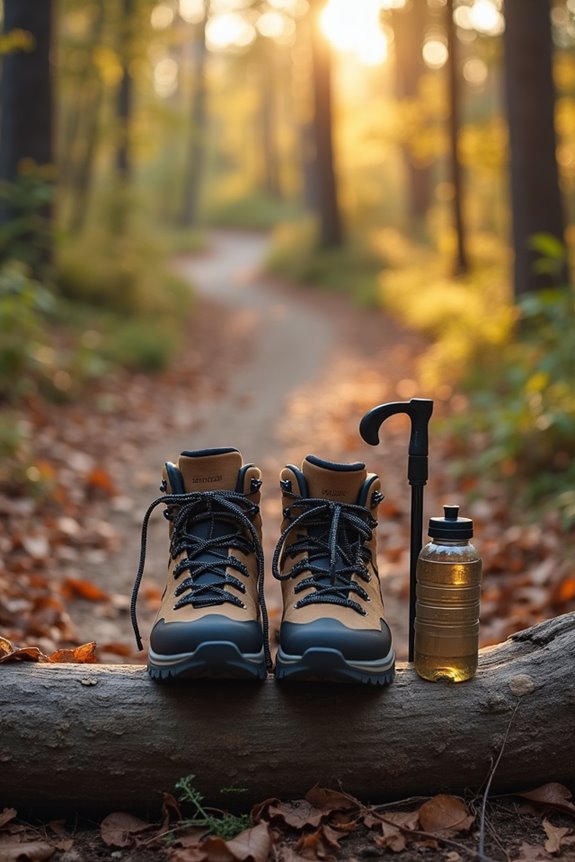
Progressing to short outdoor walks is an exciting milestone in the boot-breaking journey, and it’s all about taking those first steps into the great outdoors. Once those boots feel cozy at home, it’s time to hit the trails—albeit gently. Starting with short distances on easy terrain will let the feet adjust without overwhelming them. Picture a leisurely stroll through a park, where the ground is forgiving and the views are charming. As confidence grows, gradually increase both distance and intensity, but don’t rush! Keep an eye on comfort levels; if something feels off, it’s perfectly fine to pause and reassess. With each little adventure, these boots become more familiar, paving the way for future explorations into the wild.
Recommended Products

[COMBAT-INSPIRED SILHOUETTE]: A cap toe, round profile and low block heel shape these women's classic elegent combat ankle boots with a clean retro edge, giving jeans, leggings, skirts and casual dresses an easy grounded finish
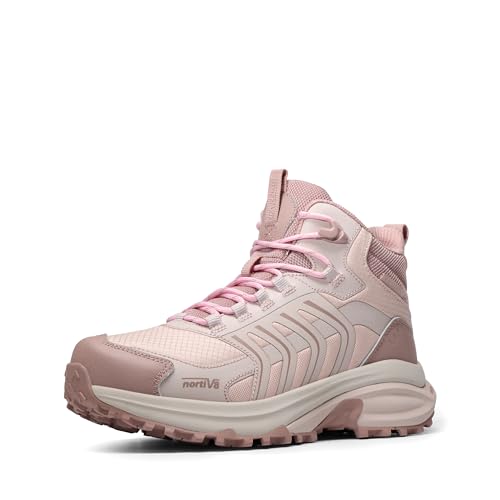
4-IN-1 Rebound Tech: Featuring innovative 4-in-1 rebound tech, NORTIV 8 hiking boots for women are engineered with the supercritical foam insole for step-in softness, a Strobel insole for sustained cushioning, and a dual-density EVA midsole that enhances shock absorption, providing energy return and lasting support for hikes.
Simulate Trail Conditions
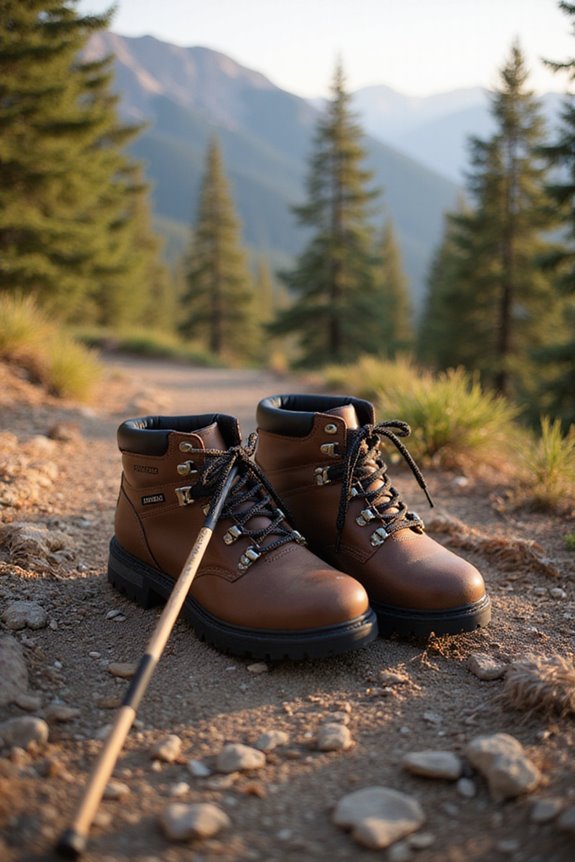
After those initial short walks, the next step involves simulating actual trail conditions to really put those new boots to the test. This means walking on a mix of surfaces like pavement, grass, gravel, and some uneven trails. A little incline helps, too, as it engages those foot muscles and checks boot support. Gradually, it’s wise to tackle rocky or root-covered paths to find any pesky pressure points. Don’t forget to introduce moisture effects—light rain or dew can soften leather, helping it mold to your feet. As you experiment with different terrain variety, remember to wear the hiking socks you plan to use; they can make a huge difference in comfort. Happy hiking!
Recommended Products

Stay Dry in Wet Weather – Designed to keep feet dry through rain, puddles, wet grass, mud, and rainy-day commutes. Unlike regular socks, DexShell Waterproof Everyday Socks add waterproof protection below the cuff line, helping your feet stay dry, warm, and comfortable in everyday wet conditions.

Mid-Crew length sits below the calf for non-restrictive, all day comfort.

Size Chart- X-Small Size- fits for US Shoe Size men 5-6.5 and women 5.5-7.5; Small size fits for US men 7-9 and US women 8-10.5; Medium size fits for US men 9.5-12 and US women 11-13; Large size fits for US men 12.5-14.5 and US women 13.5-15.5. The cuff of socks is not waterproof, please don't let water over the top of socks
Avoid Common Break-In Myths
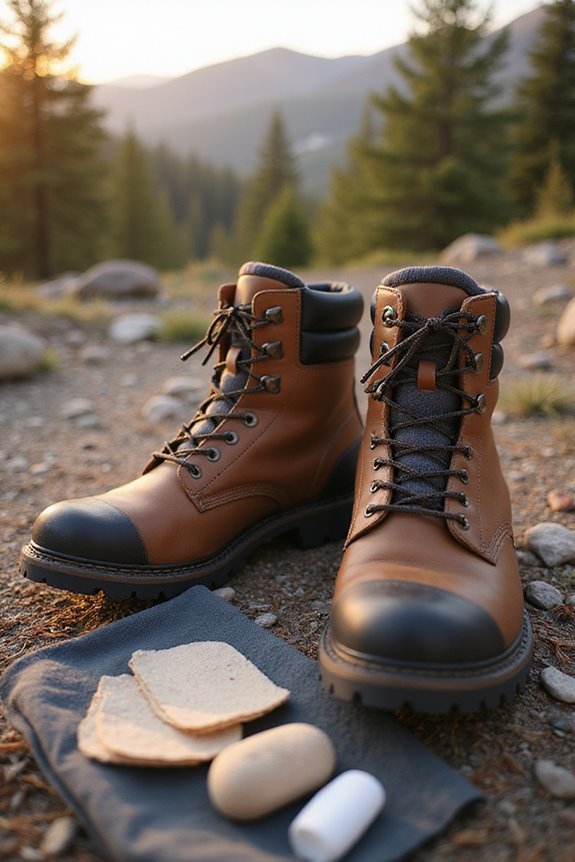
Why do so many people fall for common myths about breaking in hiking boots? These break-in misconceptions can lead to unnecessary discomfort, leaving hikers frustrated. For instance, a thick sole doesn’t automatically mean better protection; modern materials have evolved to provide ample support without the bulk. And while some believe every boot requires a lengthy break-in, lighter models often mold to the foot quickly, enhancing boot comfort right from the start. Leather boots, too, are more forgiving than many think, adapting to feet without excessive wear. It’s essential to recognize that not all boots are created equal; understanding their features can save hikers from painful blisters and unhappy trails. So, ditch the myths and embrace the truth for a smoother hiking experience!
Manage Foot Comfort and Care
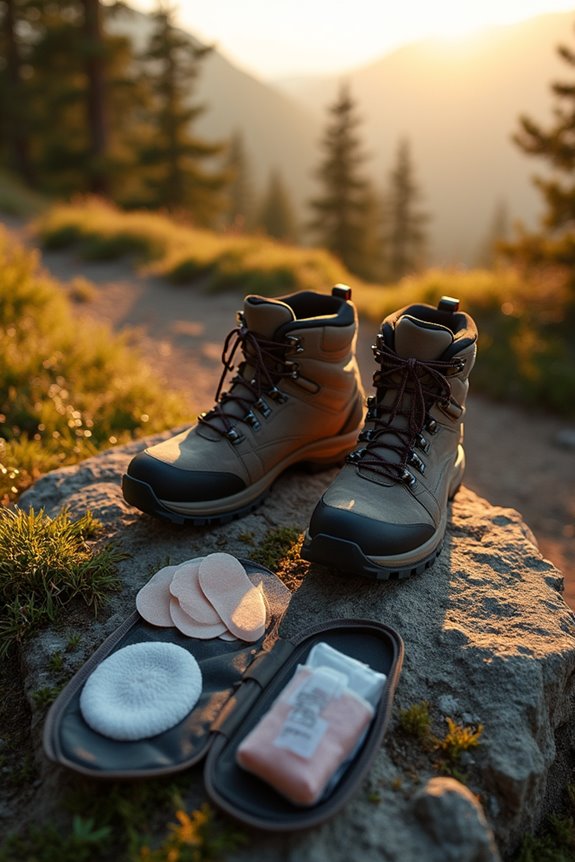
When it comes to hiking boots, managing foot comfort and care is essential for a successful adventure. Starting with insole selection, a cushioned insole can make all the difference, providing much-needed support during those long treks. Pair that with the right sock choice—moisture-wicking socks are a game changer for preventing blisters. As those new boots soften, spending a few hours wearing them at home helps feet adapt. It’s vital to check for any pressure points and adjust lacing accordingly. Remember, if discomfort persists, don’t hesitate to return those boots. After all, hiking should be about enjoying nature, not nursing sore feet. With the right approach, every hike can be a comfortable journey!
Recommended Products

ALL DAY COMFORT - Triple layer comfort insoles are specially made with dual layer foam to absorb impact and ventilated to keep your feet cool.
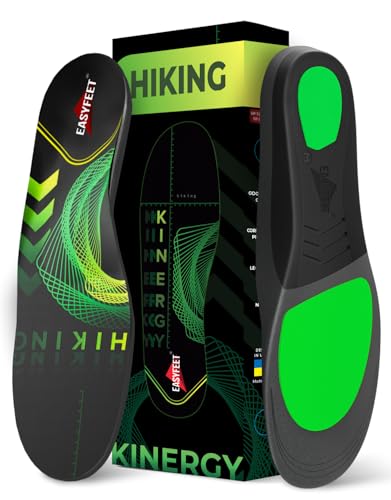
Ultimate Hiking Support: Kinergy hiking insoles, designed for both men and women, offer unparalleled arch support and cushioning. Crafted for rugged terrains, these hiking boot insoles for men minimize fatigue and enhance stability, ensuring every step on your outdoor adventures is secure and comfortable
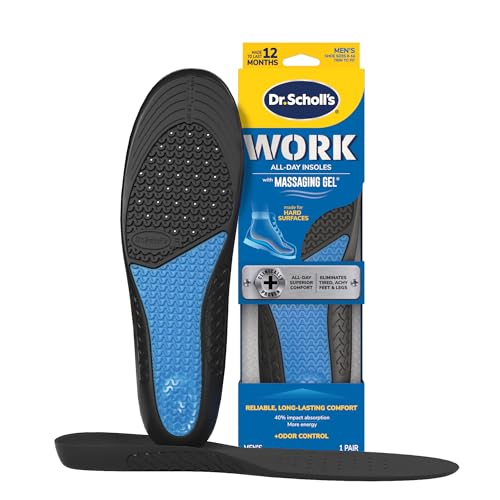
CLINICALLY PROVEN ALL-DAY SUPERIOR COMFORT: Dr. Scholl’s Work All-Day Insoles for Men deliver proven comfort throughout the day, for hard-working feet. Designed for those with physically demanding jobs and active, on-your-feet lifestyles
Final Trail Test and Adjustment
Setting out on those initial hikes with new boots can feel like a thrilling adventure, yet it’s also a test of endurance and comfort. During this final trail test, it’s crucial to conduct a thorough trail evaluation. Hikers should tackle various terrains—rocky trails, muddy patches, and uneven paths—to scrutinize performance metrics like fit, support, and traction. Short to moderate hikes are best for observing any hot spots or discomfort. Adjustments may be necessary; tweaking lacing patterns can improve fit and reduce heel slippage. If pressure points arise, swapping insoles might just do the trick. Ultimately, verifying the boots’ readiness for long hikes guarantees that foot fatigue and pain remain at bay, paving the way for many more adventures ahead.
Do not use a long or remote hike to test an uncertain fit. Carry blister care, adjust early, and turn back when pain, numbness, instability, or skin damage develops.
Recommended Products

Comfortableness: NORTIV 8 Men's Waterproof Hiking Boots certainly delivers on all-day comfort! Removable and shock-absorbent cushioned insoles offer the support for your feet.

Comfortableness: NORTIV 8 Men's Waterproof Hiking Boots certainly delivers on all-day comfort! Removable and shock-absorbent cushioned insoles offer the support for your feet.
Frequently Asked Questions
How Long Does It Typically Take to Break In New Hiking Boots?
There is no reliable universal timetable. Break-in depends on the boot construction, materials, initial fit, walking conditions, and your feet. Increase wear gradually and judge the boot by comfort, stability, and absence of persistent hot spots rather than by a calendar.
Can I Wear My Boots With Thick Socks to Speed up the Process?
Wearing boots with thick socks can enhance the break-in process by providing cushioning and reducing friction. Sock materials like merino wool help manage moisture, though caution is needed if boots are already snug or too warm.
What Should I Do if My Boots Still Hurt After Breaking Them In?
If boots continue to cause discomfort, individuals should consider seeking pain relief through boot adjustments, such as adding insoles or heel cushions. Consulting a professional may also help determine if a different boot is necessary.
Are There Specific Brands Known for Easier Break-In Periods?
In a world where comfort reigns supreme, brand recommendations like Merrell and La Sportiva stand out for their comfort features, offering easier break-in periods, while Columbia and Salomon provide solid options for diverse hiking adventures.
How Can I Tell if My Boots Fit Properly Before Breaking Them In?
To determine proper boot sizing, one must assess foot shape, ensuring a snug fit with adequate space for toes and heel. Trying boots at day’s end helps accommodate any swelling, ensuring overall comfort and stability.