As an Amazon Associate, we earn from qualifying purchases. Some links on this site are affiliate links at no extra cost to you. Our recommendations are based on thorough research and editorial judgment.

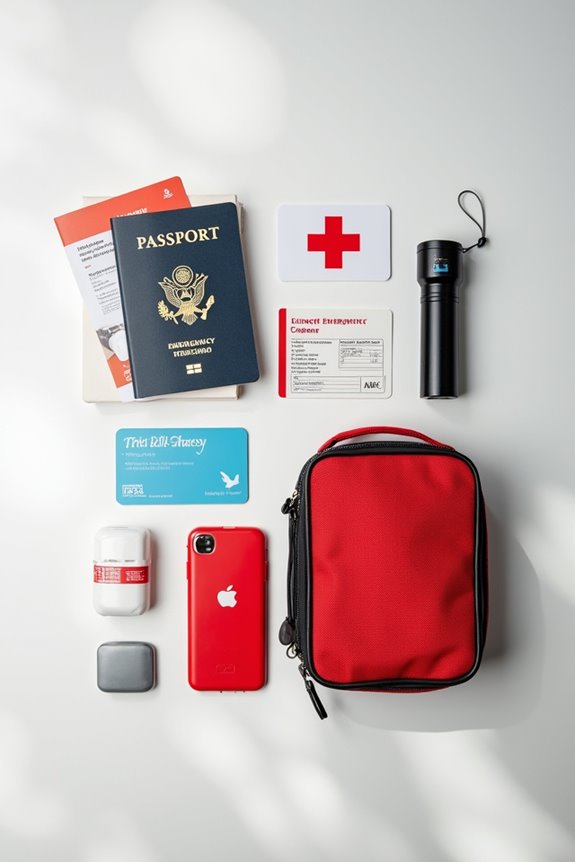
How Do I Handle Emergencies While Traveling?

Handling emergencies while traveling can feel intimidating, but a little preparation goes a long way. First, know local emergency numbers—like 911 in the U.S. and 112 in Europe—so you’re not scrambling when every second counts. Familiarize yourself with local healthcare facilities. Travel insurance might seem like an extra cost, but it could save you from hefty medical bills. Stay calm, assess your situation, and remember: being prepared means a smoother journey, and there’s more to learn about staying safe on the go!
Key Takeaways
- Know local emergency numbers and save them on your phone for quick access during a crisis.
- Identify nearby healthcare facilities before traveling to ensure prompt medical assistance if needed.
- Prepare for emergencies by having travel insurance that covers medical expenses and other unexpected issues.
- Stay calm and assess the situation; contact local emergency services and inform travel companions of the emergency.
- Document the incident thoroughly for future insurance claims and potential follow-up care.
Understanding Travel-Related Health Risks
You may be interested


When starting on an adventure overseas, it’s easy to get swept up in the excitement of new sights, sounds, and flavors, but travelers should also take a moment to reflect on the health risks that might lurk beneath the surface. Many travelers, especially those heading to developing countries, face a high risk of traveler’s diarrhea, primarily from enterotoxic *E. coli*. Additionally, malaria looms large in endemic areas, yet only about half of travelers take necessary prophylactic medications. Health preparation is essential, and getting travel vaccinations can greatly reduce exposure to diseases like hepatitis A and yellow fever, which many people overlook. By considering these health risks, travelers can enjoy their journeys while minimizing potential health hiccups.
Common Medical Emergencies and Their Causes
Travelers often find themselves facing a variety of medical emergencies while soaring through the skies, and it’s essential to be aware of what might occur at 30,000 feet. One of the most common issues is syncope, or fainting, often triggered by syncope causes like dehydration, anxiety, or low cabin oxygen levels. Picture someone suddenly swooning; it can be alarming! Then there are respiratory emergencies, where shortness of breath or asthma attacks could arise, often due to airborne allergens or infections. These situations demand quick action, sometimes requiring supplemental oxygen. While gastrointestinal issues and trauma may pop up, it’s the cardiac and neurological events that can really shake things up. Awareness is key to steering through these unexpected in-flight surprises!
Prevention Strategies for Safe Travel
Preparing for a trip isn’t just about packing the right clothes and booking accommodations; it’s also about arming oneself with knowledge and strategies to stay safe and healthy. Travel safety starts with understanding the risks, like infectious diseases and road safety. A pre-travel consultation can be a lifesaver, helping travelers grasp potential health hazards. Additionally, knowing the traffic laws of your destination, like wearing seat belts or using child car seats, can prevent accidents. It’s essential to evaluate the safety of your destination by checking crime rates and political stability. Such emergency preparedness not only enhances one’s travel experience but also mitigates risks, allowing travelers to focus on making unforgettable memories instead of worrying about potential mishaps.
How to Access Emergency Medical Services
How does one even begin to navigate the maze of emergency medical services while traveling? First off, knowing local emergency numbers is essential; for instance, 911 in the US or 112 in Europe can be life-savers. But don’t stop there! It’s wise to scout out nearby healthcare facilities before you need them—think hospitals with solid emergency departments. Keep in mind that EMS accessibility challenges vary by region. In some places, EMS might just whisk you away, while in others, they focus on advanced care at the scene. If you’re ever in doubt, your hotel staff or even local embassies can be great resources. So, arm yourself with knowledge, and you’ll be ready when emergencies strike!
Importance of Travel Insurance
Steering through the unpredictable world of travel can often feel like riding a roller coaster—exciting yet nerve-wracking. Travel insurance is like that safety harness, offering essential insurance benefits when unexpected bumps occur. As the market for travel insurance is projected to soar to $71.8 billion by 2032, it’s clear that more travelers are recognizing the value. With various policy types available, from medical coverage to trip cancellation, travelers can tailor their protection to suit their needs. Despite rising risks, only 38% of U.S. travelers opt for insurance. It’s important to remember that a single medical emergency can lead to hefty out-of-pocket costs, making coverage a significant consideration for anyone starting on their next adventure.
Steps to Take After an Emergency Occurs
In the wake of an emergency, the first instinct should be to take a deep breath and assess the situation. Emergency preparedness kicks in as travelers must contact local emergency services using the country-specific number they saved before the trip. If phones fail, flag down nearby people for help. It’s essential to minimize movement if injured, keeping pressure on any wounds. Once immediate response actions are taken, alert travel companions about the situation. Check for safe shelter and follow local authority guidelines. Gather necessary documents for replacements if needed and document everything for insurance claims. Finally, breathe and stay calm; panic won’t help. Remember, traveling has its surprises, but with preparation, they can be managed effectively.
Frequently Asked Questions
What Should I Pack in a Travel Emergency Kit?
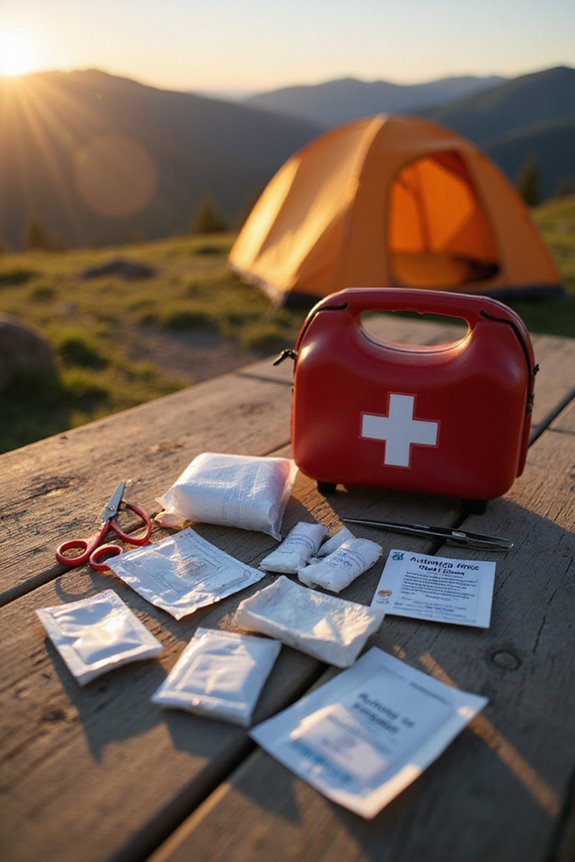
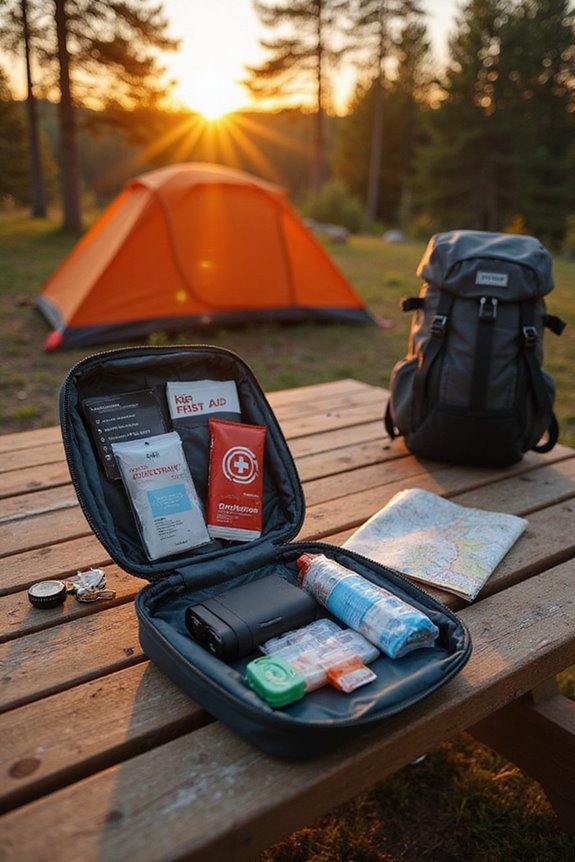
In a forest of uncertainties, the wise traveler packed essential supplies: a first aid kit brimming with plasters, antiseptics, and medications. Preparedness transformed potential chaos into a manageable path, guiding them safely through unforeseen challenges.
How Can I Find Local Medical Facilities While Traveling?
Travelers can efficiently locate medical facilities by utilizing local hospital directories and travel health apps. These resources provide essential information about nearby hospitals, clinics, and available services, ensuring prompt access to necessary healthcare during their trips.
Is It Safe to Drink Tap Water at My Destination?
Determining tap water safety involves researching local regulations and water quality. Travelers should verify government advisories and consider precautions like boiling or filtering water in regions known for unsafe drinking water to avoid illness.
What Should I Do if I Lose My Medication While Abroad?
Upon losing medication abroad, one should promptly seek pharmacy locations to explore replacement options. Contact local authorities, consult a healthcare professional, and gather necessary documentation to facilitate the medication replacement process effectively.
How Can I Communicate During a Medical Emergency in a Foreign Country?
Effective communication during a medical emergency often requires overcoming language barriers. Keeping emergency contacts accessible and utilizing translation apps or bilingual documents can facilitate interaction with healthcare providers, ensuring accurate information exchange and timely assistance.