As an Amazon Associate, we earn from qualifying purchases. Some links on this site are affiliate links at no extra cost to you. Our recommendations are based on thorough research and editorial judgment.
Best Outdoor Destinations for Adventure Travel

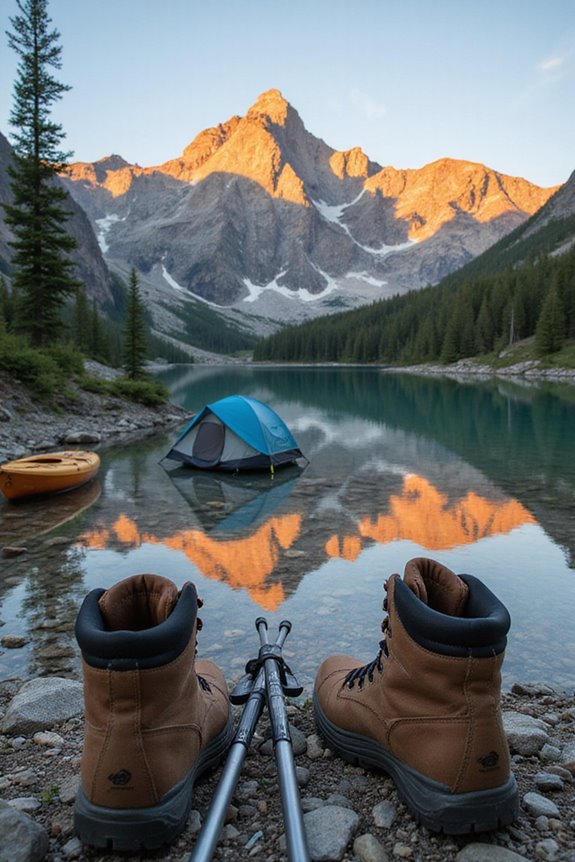
The best outdoor destination depends on the activity, season, access, budget, experience, and level of remoteness you want. Australia, the United States, New Zealand, Mexico, and Luxembourg each offer different combinations of coast, mountains, forests, trails, water, and culture. Before booking, check official park rules, permits, weather, transport, safety notices, and conservation requirements for the exact area.
Key Takeaways
- Choose a destination by activity, season, access, difficulty, budget, and the amount of remoteness you can manage.
- Verify permits, closures, weather, transport, local hazards, and official park or land-manager rules before departure.
- Australia, the United States, New Zealand, Mexico, and Luxembourg offer different outdoor landscapes and trip styles.
- Use local operators and current guidance for activities involving water, wildlife, altitude, or technical terrain.
- Protect the places you visit by following designated routes, carrying out waste, and respecting communities and wildlife.
Australia: A Comprehensive Outdoor Experience
You may be interested
Australia offers a wide range of outdoor experiences, from reef and coastal activities to desert, forest, and long-distance walking. Match the region to the season and activity: heat, remote distances, fire conditions, marine hazards, wildlife, and limited services can change the trip significantly. Use official park and marine guidance, carry sufficient water for the route, and choose qualified operators for activities beyond your experience.
Recommended Products


THE ORIGINAL ADVENTURE GEAR: Our waterproof dry bag can get your gear through any weather. 1680D Ripstop ballistic oxford welded construction with roll down zip top + 8 compression straps for unrivalled performance. Also suitable as marine dry bags.

United States: Diverse Landscapes and Adventures
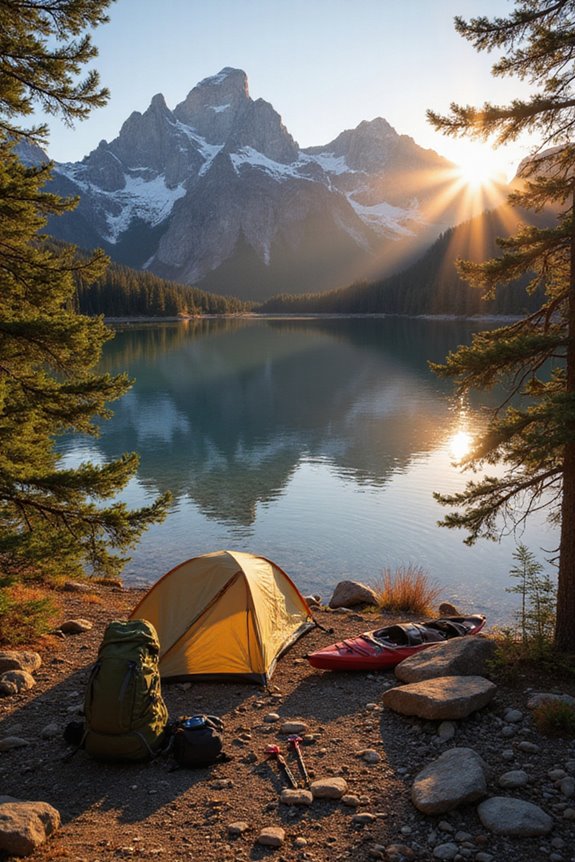
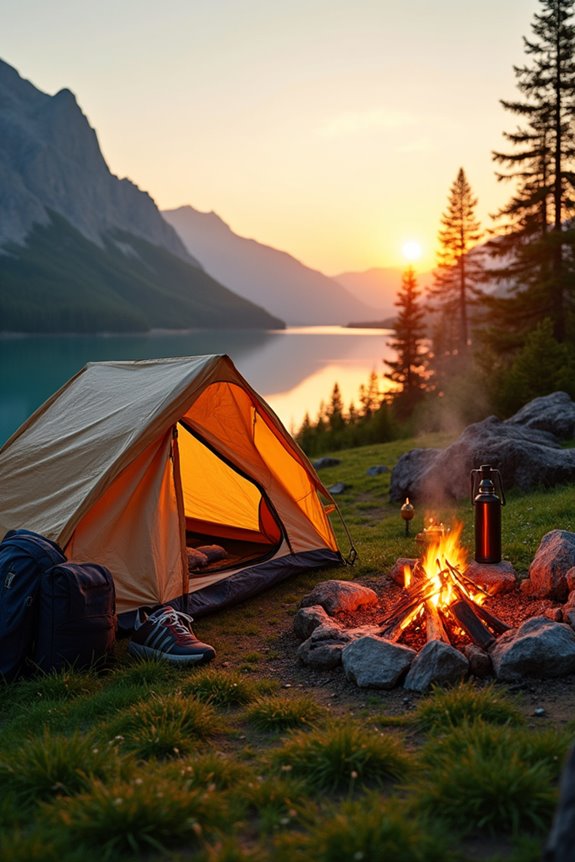
The United States spans coast, desert, forest, mountain, and winter environments, with options ranging from accessible day trails to remote backcountry routes. Research the exact park or public-land unit rather than relying on a national label: permits, shuttle systems, seasonal closures, wildlife rules, weather, and emergency coverage vary. For colder trips, a suitable winter camping tent is only one part of a complete shelter and safety plan.
Recommended Products

FOUR SEASON TENT: While other 3 season tents are only available for spring, summer and fall, this extreme weather tent is suitable for all seasons of the year. In winter, the snow skirt of this 2 person tent makes sure that it can keep snow away. The roll-able design makes it convenient when there is no snow around. In other seasons, the mesh design of the 4 season backpacking tent keeps bugs away while the double-layer door ensures ventilation

FOUR SEASON TENT: While other 3 season tents are only available for spring, summer and fall, this extreme weather tent is suitable for all seasons of the year. In winter, the snow skirt of this 2 person tent makes sure that it can keep snow away. The roll-able design makes it convenient when there is no snow around. In other seasons, the mesh design of the 4 season backpacking tent keeps bugs away while the double-layer door ensures ventilation

【Premium Material & Cozy Camping】Crafted from 20D single-sided silicone-coated nylon, our hot tent with stove jack ensures durability and lightness, providing a reliable shelter for camping. Equipped with a stove jack, it offers a cozy space for solo campers, while accommodating a wood stove may make it a bit crowded for two person.If you carry a tent stove, It is recommended to use single person.
New Zealand: Compact Natural Wonders
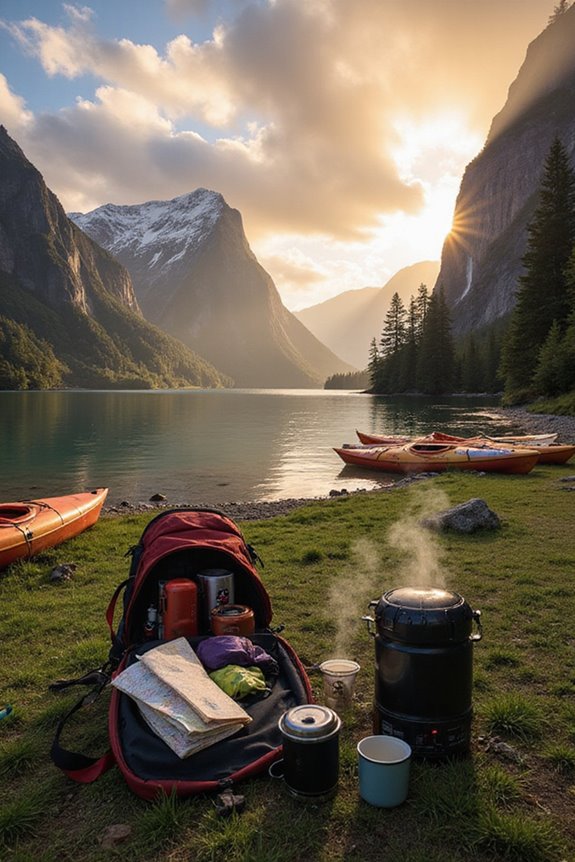
New Zealand combines alpine routes, fjords, forests, volcanic landscapes, beaches, and well-known multi-day walks. Conditions can change quickly, and routes may involve river crossings, exposed terrain, limited phone coverage, or strict booking requirements. Check the Department of Conservation or local authority guidance, allow time for weather changes, and choose a route that matches your skills, equipment, and transport plan.
Recommended Products

STOP BLISTERS BEFORE THEY START: WŪRU Wool provides premium, all-natural blister prevention by forming a soft, protective barrier over "hot spots." It significantly reduces the friction and rubbing between your socks and skin that cause painful blisters.

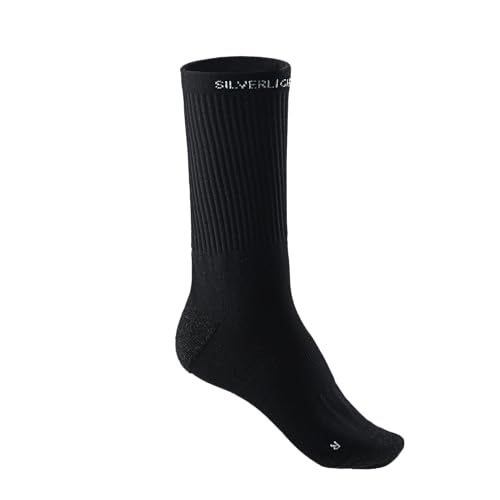
100% ODOR-FREE: Silverlight Technology for odor-free hiking with silver coated threads that never wash out.
Mexico: Rich Ecosystems and Landscapes
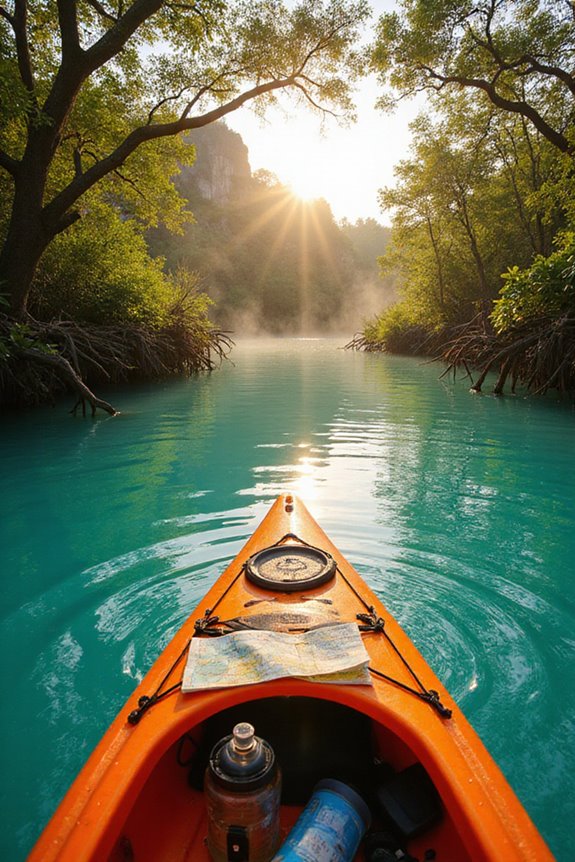
Mexico offers beaches, reefs, forests, deserts, canyons, volcanoes, and protected natural areas. Outdoor planning should account for heat, water access, seasonal storms, altitude, road conditions, wildlife, local regulations, and the security guidance for the specific region. Use authorized guides where navigation or technical skills are involved, stay on permitted routes, and support conservation rules that protect sensitive habitats.
Recommended Products

Luxembourg: Peaceful and Safe Outdoor Escapes
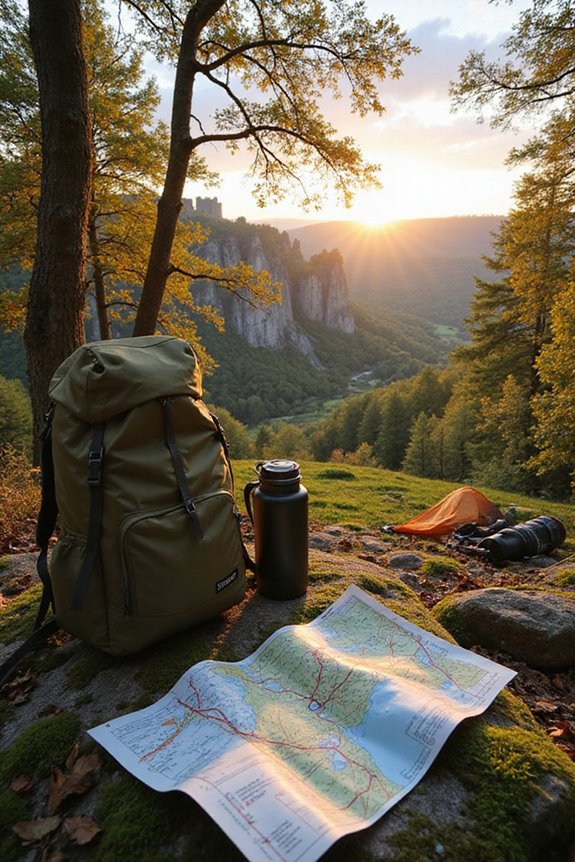
Luxembourg can suit travelers looking for compact walking, cycling, forests, river valleys, rock formations, historic sites, and campground access. Plan around the route length, public transport, weather, trail surfaces, and opening times of sites and facilities. The Mullerthal and Éislek areas offer different landscapes, so check local route information and avoid describing any destination as risk-free.
Frequently Asked Questions
What Gear Do I Need for Outdoor Adventures?
Start with the route and forecast, then pack suitable footwear, weather layers, navigation, water, food, a first-aid kit, sun and insect protection, lighting, communication, and emergency items. Camping adds shelter, sleep insulation, cooking equipment, and waste storage. Technical activities may need specialist gear and instruction; check the local operator or land manager’s list rather than using a generic kit list.
How Can I Ensure My Safety While Hiking?
Choose a route within your ability, check conditions and closures, tell someone your plan, carry navigation and communication, and allow time for delays. Stay on permitted trails, manage water and weather exposure, and turn around when conditions or energy become unsafe. For remote or technical routes, use local advice or a qualified guide.
What Are the Best Seasons for Outdoor Activities?
The best season depends on the destination and activity. Consider temperature, rainfall, snow, wildfire, daylight, insects, crowds, closures, and water conditions. Check current local forecasts and official alerts close to departure, because shoulder-season conditions can change quickly.
Are There Age Restrictions for Adventure Activities?
Some activities, parks, operators, permits, and equipment have age, height, health, supervision, or experience requirements. Check the exact provider or land manager before booking, and be honest about ability and medical needs. Children and older adults may need different pacing, equipment, supervision, and contingency planning.
How Can I Minimize My Environmental Impact Outdoors?
Use designated trails and campsites, carry out food and waste, keep wildlife at a distance, avoid collecting natural objects, reduce single-use packaging, and follow local fire and sanitation rules. Respect quiet areas and nearby communities, use refill points responsibly, and choose operators that explain their environmental practices without making vague claims.