As an Amazon Associate, we earn from qualifying purchases. Some links on this site are affiliate links at no extra cost to you. Our recommendations are based on thorough research and editorial judgment.

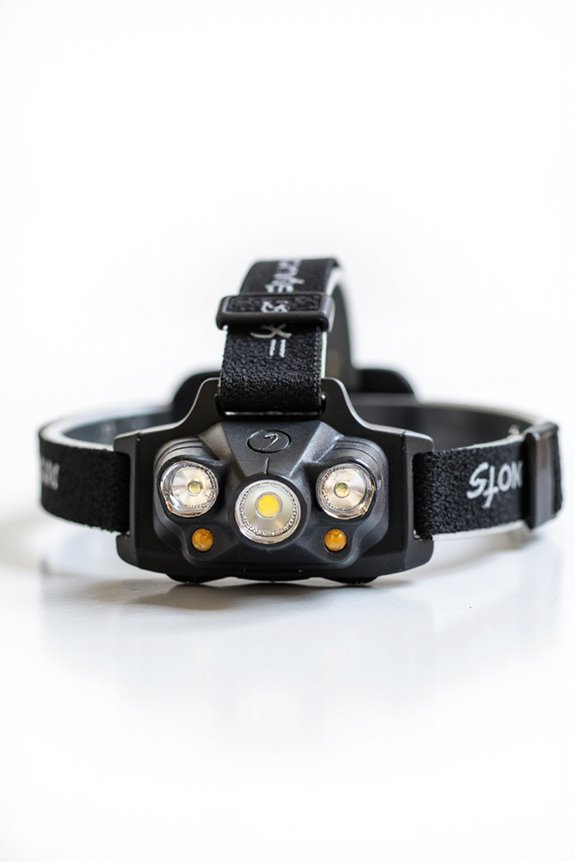
Best Headlamps for Night Hiking: What to Look For

The best headlamp for night hiking should give you enough usable light for the route, stay comfortable, run reliably for the planned time, and remain easy to control in the dark. Compare beam pattern, brightness modes, battery type, weather protection, fit, buttons, red light, charging, and backup options. Maximum lumens alone do not determine trail safety or battery life.
Key Takeaways
- Choose brightness and beam pattern for the terrain, speed, weather, group, and tasks you expect.
- Check runtime at the modes you will actually use, along with battery type, charging, cold-weather behavior, and a backup plan.
- Prioritize a stable, comfortable fit and controls that work with gloves, wet hands, or limited visibility.
- Read the exact ingress or weather-resistance rating and follow the manufacturer’s limits.
- Use red light, dimming, and considerate beam control around other people and wildlife.
Performance & Brightness
You may be interested



Compare the usable beam rather than the headline lumen number. A focused beam can help with distant route features, while a flood beam supports close work and uneven ground; many hikes benefit from both. Look at brightness steps, beam shape, regulation, glare, and how the light behaves as the battery discharges. Test the lamp on the actual terrain before relying on it in a remote setting.
Battery Life & Power Options
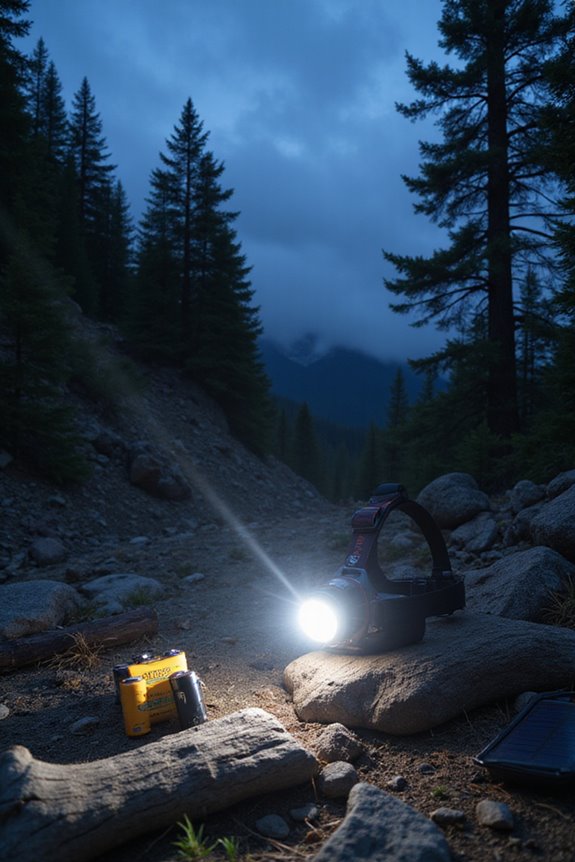
Read runtime charts for each brightness mode and check whether they describe regulated output, declining brightness, or a specific battery. Compare rechargeable and replaceable systems, charging time, cold-weather performance, spare-battery access, and how you will recharge away from an outlet. Carry a backup light or battery that is compatible with the lamp, not just a generic power source.
Weight & Comfort
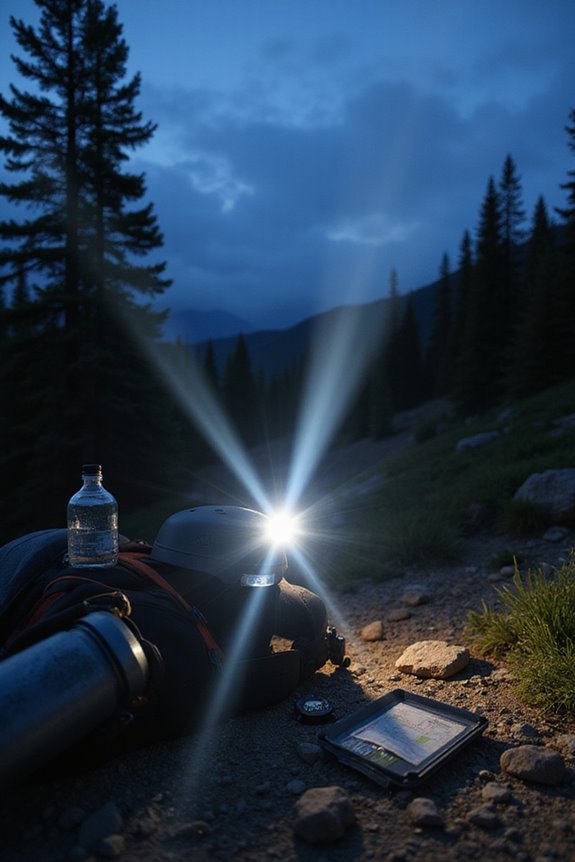
A headlamp should stay stable without creating pressure, bouncing, or hot spots. Check strap adjustment, top straps or rear battery placement, lamp tilt, lens position, and compatibility with a hat or helmet. Wear it for a longer test at home, and remember that a lighter lamp may trade away battery capacity, balance, or controls.
Durability & Weather Resistance
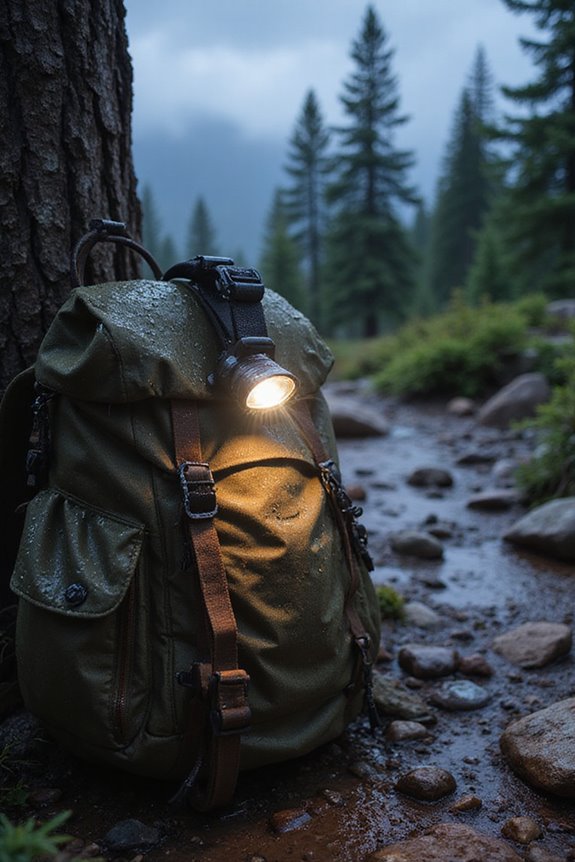
Review the case, lens, strap, battery door, charging port, operating temperature, impact guidance, and exact ingress rating. Water resistance may cover rain or splashes without allowing immersion, saltwater, or high-pressure spray. Keep contacts clean and dry, close covers as directed, and follow the manufacturer’s limits instead of treating a rating as universal waterproofing.
User Interface & Features
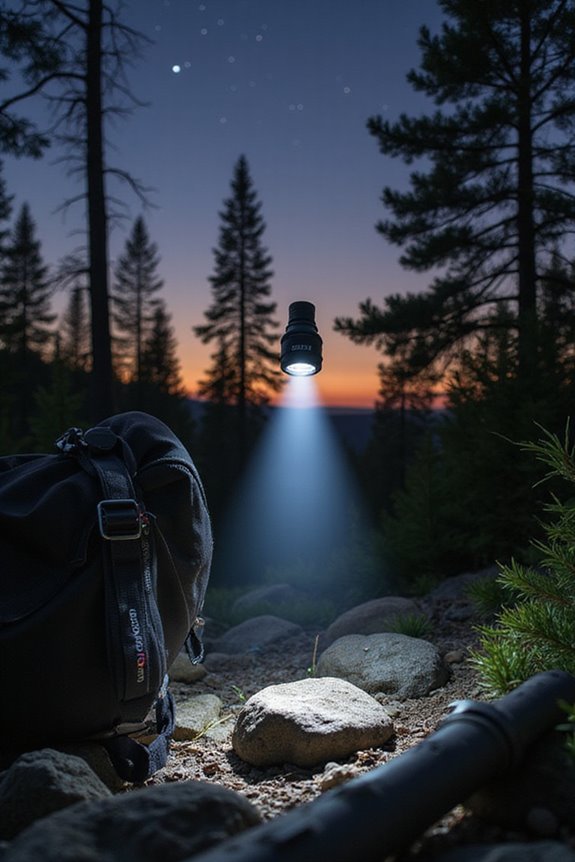
Useful controls include a simple lockout, direct access to low and high modes, a memory function, a battery indicator, a tilting lamp, and buttons you can find by touch. Red light can reduce glare and preserve dark adaptation for some tasks. Test the control sequence before the hike so you are not cycling through bright modes near other hikers or wildlife.
Specialized Use Cases
Choose a softer, dimmable red or low beam for camp tasks, wildlife-aware travel, or stargazing, and a more controlled forward beam for route finding. Trail running, climbing, cycling, search work, and emergency use may require different mounting, beam, battery, or signaling features. Match the lamp to the activity and carry a second light when failure would create a serious problem.
Top Picks for Maximum Lumens
High-output headlamps can help on open or technical terrain, but brightness should be matched to the route and used with restraint around other people. Compare sustained output, beam control, heat, runtime, battery access, fit, and weather protection. A lower mode that remains stable may be more useful than a short boost that quickly drains the battery or creates glare.
Lightweight Options for Extended Use
For long outings, balance weight against runtime, comfort, battery access, and reliability. A compact lamp may suit a short route, while a longer trip may justify a larger battery or a spare. Check how the lamp sits during movement, whether the strap can be adjusted over layers, and whether the low mode is usable for camp tasks.
Recommended Products

[ Red LEDs Super Bright Headlamp ]: Newly upgraded powerful rechargeable LED floodlight headlamp with dual-light of red light. The lightweight hardhat headlamp with 2 independent function keys, nice for hunting, car maintenance, fishing, camping, hiking, runnning, dog-walking, emergency use and more. Use these redlight head lamps to keep night vision in the dark night, or have one stand-by for the power going out.
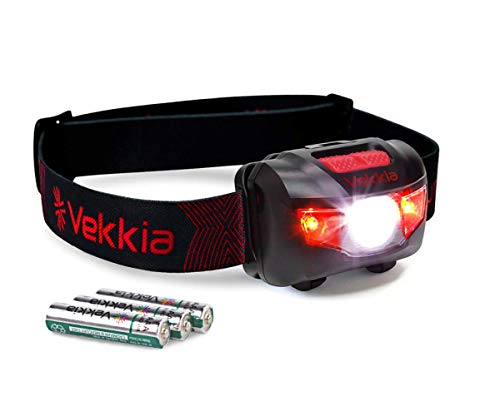
【Versatile Design & Super Lightweight】 Adjust the Beam Angle up to 45 degrees with an easy up or down movement. Light Up The Night - 262 FT Range. Lightweight design weighs just 2.6 oz with Batteries .
Best Rechargeable Models
Rechargeable models reduce the need for disposable batteries, but they depend on charging access, cable compatibility, battery health, and temperature. Check the current runtime and charging instructions for the exact model, charge before departure, use a protected cable, and carry a backup light or power option for routes where a dead battery has serious consequences.
Recommended Products
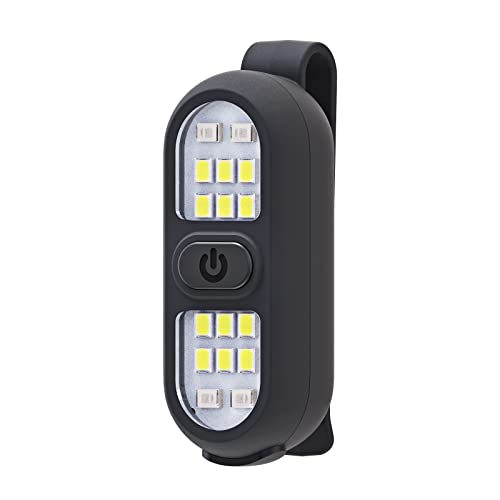
Multiple Scenarios: It is not only a Clip on Running Light but also a very good choice for dog walking, jogging, hiking, biking and camping. This portable flashlight is designed for outdoor activities with light weight and clip. This hands free flashlight would be a vest light, a chest light, a waist light or a headlamp which is up to you. It is a very good partner for chest pack, head band, running belt, reflective vest and T Shirt.

ULTRA-LIGHT & POWERFUL - Weighs just 1.34 oz yet delivers up to 360 lumens with a beam distance of 119 yards, perfect for all-day wear without strain.
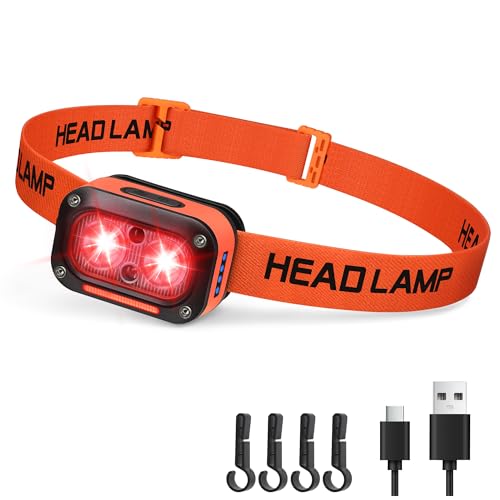
[ Red LEDs Super Bright Headlamp ]: Newly upgraded powerful rechargeable LED floodlight headlamp with dual-light of red light. The lightweight hardhat headlamp with 2 independent function keys, nice for hunting, car maintenance, fishing, camping, hiking, runnning, dog-walking, emergency use and more. Use these redlight head lamps to keep night vision in the dark night, or have one stand-by for the power going out.
Essential Features for Night Hiking
Prioritize a beam that fits the terrain, adjustable brightness, stable fit, reliable battery, simple controls, weather protection, and a red or low mode. Add a lockout to prevent accidental activation in a pack, reflective details if useful, and a backup light for remote routes. Keep your eyes adapted to darkness, avoid shining into others’ faces, and pair the lamp with navigation and route judgment.
Frequently Asked Questions
How Do I Choose the Right Headlamp for My Needs?
Start with the route, pace, darkness, weather, duration, and whether you need distance, close-up work, or both. Compare the runtime at the chosen mode, comfort, controls, battery system, weather rating, red light, and support. Test it with your gloves, hat, and pack before the trip.
Can I Use a Headlamp for Other Activities Besides Hiking?
Yes, if the fit, mount, beam, weather protection, and battery suit the activity. A hiking lamp may work for camping or emergencies, while cycling, climbing, running, or water use may require different mounting and safety features. Check the manufacturer’s intended use and local rules.
Are Headlamps Safe for Young Children to Use?
Children should use a headlamp only with age-appropriate supervision and a design that has secure straps, protected batteries, simple controls, and no accessible small parts. Keep bright beams away from eyes, check the fit, and do not let a lamp replace adult supervision near roads, water, heights, or fire.
What Is the Best Way to Clean and Maintain My Headlamp?
Wipe the lens and housing with a soft, slightly damp cloth, remove grit from seals and controls, and follow the care instructions for the battery and charging port. Dry it fully before storage or charging, inspect straps and covers, and do not use solvents that may damage plastics or seals.
How Do I Properly Store My Headlamp When Not in Use?
Clean and dry the lamp, protect it from heat and moisture, and follow the battery maker’s storage guidance. Remove replaceable batteries when the lamp will sit unused if the instructions recommend it, and store rechargeable units at the stated level. Check the lamp and charge it before a trip rather than discovering a depleted battery at the trailhead.