As an Amazon Associate, we earn from qualifying purchases. Some links on this site are affiliate links at no extra cost to you. Our recommendations are based on thorough research and editorial judgment.

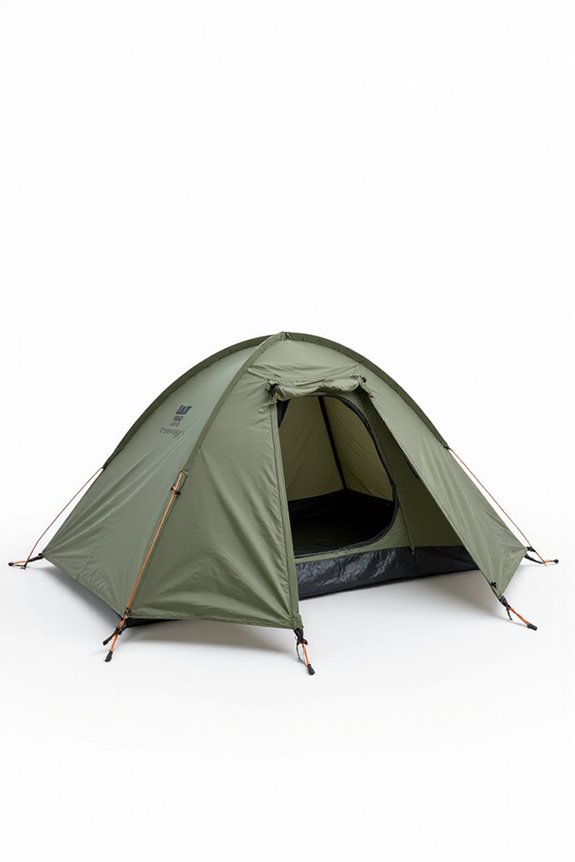
Best Tents for Windy Conditions: What to Look For

The best tent for windy conditions is the one whose design, components, setup, and stated limits match the exposure you expect. Compare pole structure, profile, fabric, guyout points, anchors, ventilation, and ease of pitching. Site selection and correct tension matter as much as the tent itself; no shelter should be treated as a guarantee in severe weather.
Key Takeaways
- Compare low-profile shapes, pole geometry, fabric, seams, guyout points, and the manufacturer’s weather guidance.
- Use strong, compatible stakes and guy lines, and pitch the shelter with every required attachment secured.
- Choose a site that reduces exposure without creating hazards from dead trees, loose branches, flooding, or rockfall.
- Orient the tent to reduce broadside wind, tension it evenly, and inspect the structure as conditions change.
- Leave or shelter elsewhere when forecast or observed conditions exceed the tent’s limits.
Key Features of Wind-Resistant Tents
You may be interested

Look for a stable pole structure, a low or smoothly shaped profile, reinforced stress points, secure guyout options, and a fly that can be tensioned without flapping. Pole material and diameter matter, but so do hub connections, sleeves, clips, zippers, seam construction, and replacement support. Ventilation should limit condensation without leaving large openings exposed to driving weather.
Recommended Products

2026 LATEST VERSION OF TELESOPIC TARP POLES: the diameter of the tarpaulin pole is increased to 1.26in/32mm, the height is increased to 8.7ft/2.65m, the minimum storage size is 2.9ft/88cm, each pole can bear a load of up to 60LBS,The entire pole is made of aviation aluminum, waterproof and rust-proof

Package Included: You will receive a pre-assembled 16-section tent pole replacement with a total length of 20ft, four washers, and an instruction manual. With these replaceable tent pole repair kits, you can easily replace broken poles for tents.

Included rainfly offers extra weather protection
Best Tent Shapes for Wind Performance
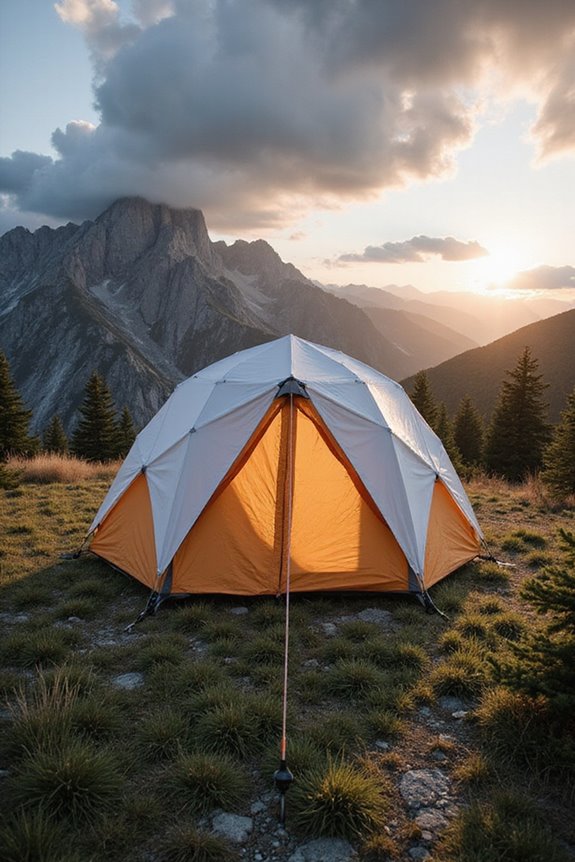
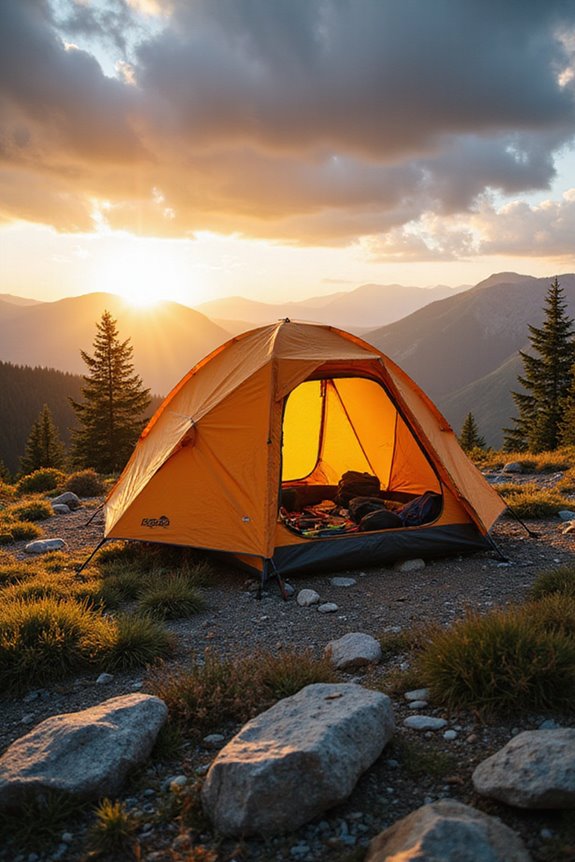
Dome and geodesic-style designs can spread wind loads through curved poles, while tunnel designs can offer useful interior space when their ends are correctly oriented and fully guyed. A pyramid or other supported shape may perform differently again. Shape is only one factor: pitch direction, anchoring, fabric tension, site exposure, and the specific model’s construction all affect performance.
Recommended Products

Dark Tent: The blackout camping tent is perfect for sleeping in and allows you to have privacy on outdoor adventures.Dark space technology 99% UV protection reduces heat for comfortable rest at any time.

Lightweight and Durable: The OneTigris STELLA Camping Tent features a lightweight and durable 20D Nylon outer fabric with a single-layer silicone coating, making it both sturdy and easy to carry at only 4.4lb/2kg. Suitable for backpackers, bushcrafters, everyday campers, and families Waterproof: With a 3000mm waterproof rating, the STELLA camping tent is perfect for use in all weather conditions. The removable blackout outer tent allows for greater flexibility in use.

Sets up in under 5 minutes thanks to pre-attached poles
Material Considerations for Wind Resistance

Compare the fabric’s weight, weave, coating, tear resistance, seam construction, and repair guidance. Nylon, polyester, canvas, and high-strength laminates each involve trade-offs in weight, stretch, abrasion resistance, moisture behavior, and price. A durable fabric cannot compensate for poor anchoring or overloaded poles, so evaluate the complete shelter system.
Recommended Products

Protection with Waterproof Coating: The surface of this fabric is treated with a specialized waterproof coating that provides excellent water and wind protection. It is ideal for making picnic blankets and lightweight raincoats, and the variety of colors allows for easy coordination with different occasions.

EMMA KITES 40D Ripstop Nylon is ultra-light [48 GSM], durable, tear proof, airtight and water resistant [500~1000mm HH]. Further enhanced by PU coating for better UV protection, extended service life and low stretch. A vibrant range of colors on offer, perfect for expressing your style and demands of various creative projects, from kites, windsocks, inflatables, flags to stuff sacks, bags, pack covers, extending to tarps, hammocks, and more.

【Multi-Use CANVAS FABRIC】210Denier ripstop canvas fabric is an airtight, waterproof and UV resistant fabric. At the same time, the material is wear-resistant and durable, light weight, high strength, no elasticity, with thickened silver PU sunscreen coating on the back, waterproof and windproof. Due to the excellent strength and weight, it can be carried quickly and easily outdoors and can be flexibly applied to various places. DIY projects will bring more enjoyable time for you and your family.
Popular Wind-Resistant Tent Models
When comparing models, use the current specifications rather than a generic list of “windproof” tents. Check the pole layout, guyout points, included stakes, fly coverage, packed weight, repair options, and the conditions the manufacturer describes. Independent field reports can add context, but a quoted wind limit is not a universal promise and may depend on pitch, anchoring, surface, and gust pattern.
Recommended Products

Set-up in 60s: The instant camping tent features a pop-up X-frame pole structure with a removable rain cover. Integrated eave poles make it no tools or assembly are required and set up in just 60 seconds! Save valuable time on your outdoor camping trips, especially on rainy days

Roomy 6 People Family Tent: Spacious design offers enough room for 6 people family, with a size 10' x 9' x 78"(H) (90 sq ft),2 air mattresses or 6 sleeping bags are well fit in the tent,78 inch center height is enough for you to stand up changing.

Roomy 6 People Family Tent: Spacious design offers enough room for 6 people family, with a size 10' x 9' x 78"(H) (90 sq ft), 2 air mattresses or 6 sleeping bags are well fit in the tent, 78 inch center height is enough for you to stand up changing.
Factors Influencing Tent Stability in Wind

Stability depends on the tent’s geometry, pole condition, fabric tension, anchor quality, soil, pitch direction, exposure, and how much wind reaches the site. Avoid dead trees, loose branches, ridgelines during severe weather, flood-prone ground, and areas where wind can funnel between obstacles. Recheck guy lines and poles as conditions change, and do not remain in a compromised shelter.
Tips for Proper Tent Setup in Windy Conditions
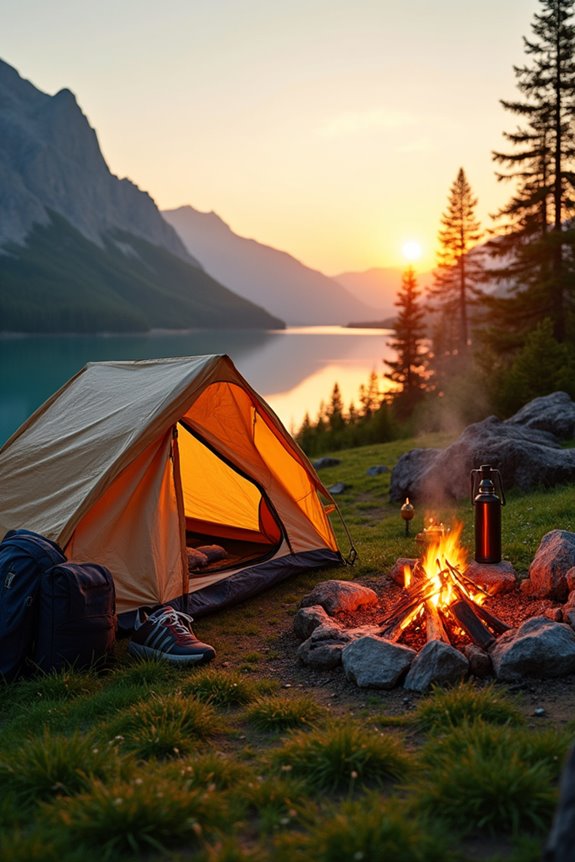
Read the instructions before the trip and practice the pitch at home. Choose the most sheltered safe site available, point the lower or narrower end into the prevailing wind when appropriate, secure the windward anchors first, and tension every guy line evenly. Use the correct stake for the ground, keep the fly and doors closed as conditions require, and avoid relying on a high waterproof rating as evidence of wind performance. If the shelter begins to deform, find a safer option.
Evaluating Cost vs. Value in Wind-Resistant Tents
Judge value by the conditions, frequency, and consequences of your trips. Compare the complete package—tent, poles, fly, stakes, guy lines, footprint, packed weight, warranty, and replacement parts—rather than the headline price. A cheaper tent may be appropriate for sheltered use, while exposed or cold-weather trips can justify stronger construction and better support. Buy within the model’s intended use, not an exaggerated promise of storm protection.
Recommended Products

FOUR SEASON TENT: While other 3 season tents are only available for spring, summer and fall, this extreme weather tent is suitable for all seasons of the year. In winter, the snow skirt of this 2 person tent makes sure that it can keep snow away. The roll-able design makes it convenient when there is no snow around. In other seasons, the mesh design of the 4 season backpacking tent keeps bugs away while the double-layer door ensures ventilation
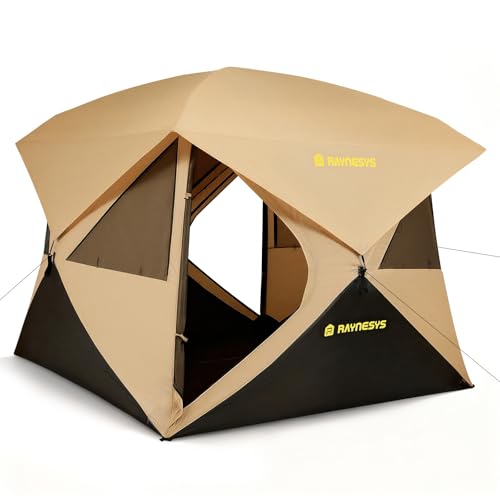
【Set Up in 60 Seconds】 The 4 person camping tent features a pre-assembled X-shaped pole structure that can be assembled in 60 seconds. It's easy to set up even for one person. No more spending a lot of time building the tent when camping outdoors. This camping tent also comes with a removable rainfly.

Lightweight & Convenient: The internal size of the Forceatt camping tent is 102x94.5x63 in (260x240x160 cm), which can accommodate four person at the same time. At the same time, it has a package size of 45 x 25cm and weighs 9.7lb (4.4kg), which saves space and is easy to carry.
Frequently Asked Questions
How Do I Choose the Right Tent for My Camping Style?
Start with the trip: backpacking, car camping, mountaineering, shoulder-season use, or fair-weather weekends each place different demands on a tent. Compare capacity, packed weight, weather exposure, pole structure, ventilation, setup, repair support, and the space needed for gear. Choose a model whose stated use matches the conditions rather than buying by shape alone.
What Accessories Enhance Tent Stability in Windy Conditions?
Compatible guy lines, strong stakes for the soil, spare cords, a footprint used correctly, and repair materials can improve setup and recovery. Match the anchor to sand, soil, snow, or rock, and use every designed guyout point. Accessories cannot make a shelter safe beyond its construction or the site’s conditions.
Can I Use a Regular Tent in Windy Weather?
A regular tent may be suitable for light or moderate wind if it is pitched correctly and the conditions stay within the manufacturer’s guidance. Check the forecast, avoid exposed or hazardous sites, use all anchors, and be ready to leave if the shelter flexes, leaks, or becomes unstable. Do not use a casual tent as a substitute for a shelter designed for severe exposure.
How Do I Maintain My Tent’s Durability Against Wind Damage?
Dry the tent before storage, inspect poles, clips, zippers, seams, webbing, and guyouts, and repair small damage early. Clean it according to the fabric and coating instructions, avoid unnecessary UV exposure, and replace worn stakes or cords. Do not add coatings or adhesives unless they are compatible with the material and intended repair.
Are There Specific Brands Known for Wind-Resistant Tents?
Several outdoor brands make tents intended for different levels of weather exposure, but performance belongs to the specific model and pitch—not the brand name alone. Compare current construction details, test information, warranty, repair support, and independent reports from similar conditions. Verify availability and specifications before purchase.