As an Amazon Associate, we earn from qualifying purchases. Some links may be affiliate links at no extra cost to you. Although our opinions are based on curated research, we haven't used these products. Articles generated with AI.

How Do I Choose Eco-Friendly Sports Equipment?

Choosing eco-friendly sports equipment can feel like a fun treasure hunt. Start by looking for materials like natural rubber or recycled plastics; they’re not just good for the planet but often more durable too. Brands like Ocean Athletics are champions at sustainably sourcing. Consider upcycled gear or refurbished items; they extend the life of treasures already in circulation. Plus, it’s always smart to check for certifications. Weigh all these elements, and you’ll make a choice that’s as kind to the Earth as it is effective. There’s so much more to explore about this exciting journey!
Key Takeaways
- Research brands for eco-friendly certifications and transparency to ensure sustainable practices in their products.
- Opt for materials like natural rubber, bamboo, and recycled plastics that minimize environmental impact.
- Assess the durability of equipment, as eco-friendly options can often outperform traditional materials in longevity.
- Consider upcycled or refurbished gear to reduce waste and extend the life cycle of sports equipment.
- Evaluate the environmental benefits, such as biodegradability and sustainable sourcing, when choosing your sports gear.
Understanding Eco-Friendly Materials
You may be interested



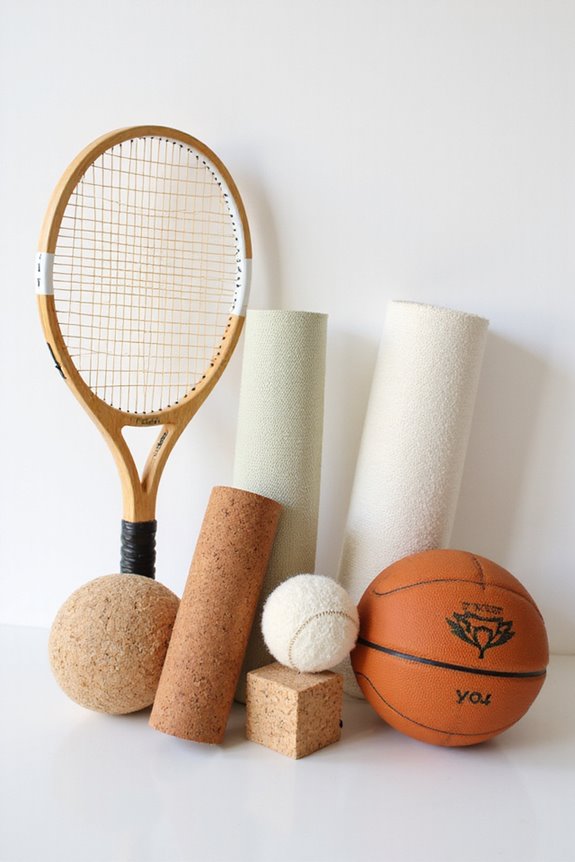
When it comes to choosing eco-friendly sports equipment, one might wonder what materials truly make the cut. Enter plant-based textiles and vegan alternatives that are both sustainable and effective. Imagine sporting a yoga mat made from natural rubber, offering a compostable solution instead of harmful PVC. Picture racquet handles crafted from lightweight bamboo, a renewable choice that shuns plastic. Then there’s hemp, which creates durable sports bags while being biodegradable. Organic cotton is a favorite for sportswear, reducing reliance on harmful synthetic fibers. Even the balls you kick can be vegan, made from thermoplastic polyurethane that mimics leather without any animal products. Adopting these materials doesn’t just feel good; it helps the planet, too!

GREAT COOKING UTENSIL: Made of luxury Acacia wood, non toxic cooking utensils won’t scratch non-stick pans. Not rough and crappy like so many others. Really great to cook with!

Comfort & Efficiency: The patented hexagonal design expands the contact surface between hand and handle, increasing grip efficiency by up to 14%. It allows a secure hold with less effort and tension, helping players maintain control and comfort during every shot.
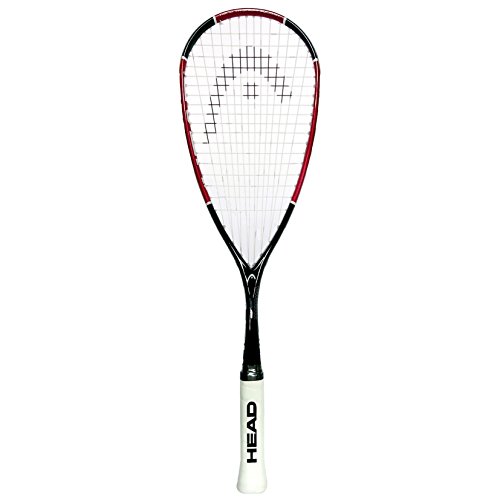
Head Nano Ti 110 squash racket.
Assessing Durability and Performance
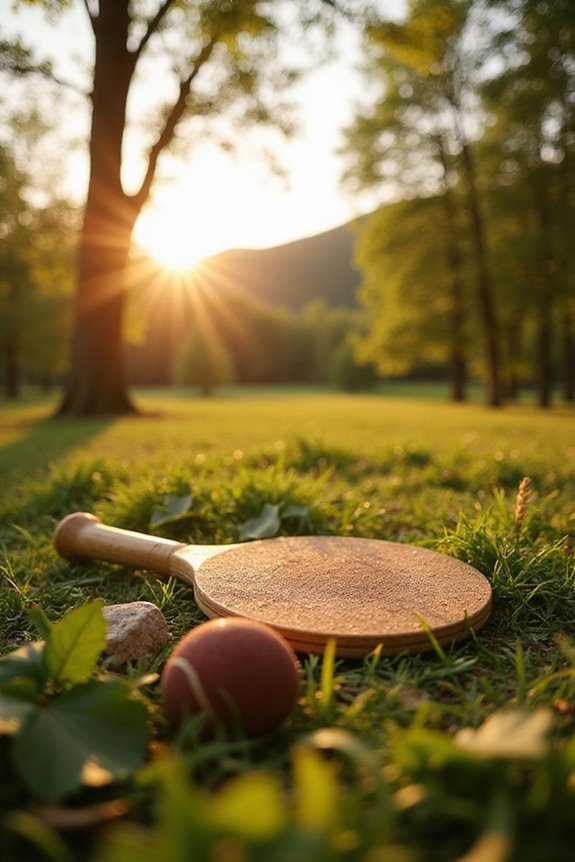
Choosing the right eco-friendly sports equipment isn’t just about materials; durability and performance play a massive role in how well these green choices hold up under pressure. When evaluating options, durability testing is essential. Products made from recycled metals and natural rubber often shine, proving to be robust and sustainable. Innovations like 3D manufacturing and advanced polymer strengthening guarantee that equipment lasts longer, resisting wear and tear. Performance metrics reveal how well these items perform over time—think embedded sensors for real-time condition tracking! Plus, with modular designs making repairs easier, athletes can keep their gear in top shape. So, when selecting eco-friendly equipment, remember: durability and performance are your trusty sidekicks on this green journey!
Recognizing Environmental Benefits

While many athletes might think of performance and style first, the environmental benefits of eco-friendly sports equipment are worth celebrating. Opting for gear made through sustainable sourcing can greatly reduce resource consumption, like lowering water usage and energy savings from recycling. Additionally, waste reduction is a huge factor; biodegradable materials mean less textile waste in landfills, and using recycled ocean plastics helps keep marine life safe. Imagine your favorite gear not only performing well but also protecting ecosystems! Plus, with a smaller carbon footprint, these products align with global climate goals. Choosing eco-friendly equipment isn’t just a trend; it’s a step toward preserving our planet, making it a win-win for athletes and Mother Nature alike.
Identifying Sustainable Brands

How does one even begin to navigate the world of sustainable sports brands? It can feel overwhelming, but focusing on brand certifications and product transparency helps. For instance, companies like Summersalt and Organic Basics proudly flaunt their eco-friendly credentials, using recycled materials and fair trade practices. Meanwhile, brands like CycleEco and Ocean Athletics not only offer great gear but also help the environment by using recycled metals and ocean-reclaimed plastics. Additionally, some brands are stepping up their game by providing detailed sustainability pages to show their practices. When shopping for sports equipment, spotting these certifications and transparency promises can make all the difference, leading to choices that truly reflect a commitment to the planet.

POKEMON HEADWEAR - Elevate your Pokemon adventure with our Pokemon Adult Embroidered Precurve Snapback Hat! This is not just a hat; it's a portal to the Pokémon world, where your favorite characters come to life in vibrant detail


Mid-profile fit for ease in the crown
Exploring Upcycled and Refurbished Options

Many sports enthusiasts find themselves with old equipment gathering dust in their garages, and instead of letting it languish, there’s a world of creativity and sustainability waiting to be explored. Upcycling benefits not only the environment but also sparks creativity—think tennis rackets transformed into unique mirrors or climbing ropes repurposed into crafts. Engaging with local communities can ignite interest in these innovative designs. Meanwhile, refurbishment techniques, like re-stringing tennis rackets, extend the life of cherished gear. By collaborating with businesses specializing in refurbishing, athletes can enjoy eco-friendly options that are cost-effective. Ultimately, exploring these avenues fosters a culture of sustainability while keeping sports alive and vibrant, proving that old gear can find new purpose in exciting ways.

Wilson Pro Staff Precision XL 110 Adult Recreational Tennis Racket - Grip Size 3 - 4 3/8"
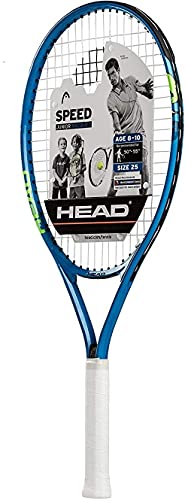
PRE-STRUNG RACQUET FOR KIDS LEARNING THE GAME: The HEAD Speed Junior series is designed specifically for young players developing coordination, technique, and control. Ideal for first-timers and casual youth players.

PERFECT FOR BEGINNERS: Designed for young players just starting their tennis journey, the HEAD Instinct 23 Junior Racquet offers easy maneuverability and confidence-building control for developing skills.
Evaluating Packaging and Shipping Practices
When it comes to choosing eco-friendly sports equipment, one cannot overlook the significant role that packaging and shipping practices play in the equation. Brands are now prioritizing sustainable logistics, aiming to minimize their carbon footprints. Consumers increasingly favor eco packaging, such as biodegradable films and recycled cardboard, which not only look good but also do good. Think of leading brands like Adidas and Nike; they’re using recycled PET plastics to package their gear, helping close the loop on waste. Shipping methods are evolving too, with lightweight packaging and carbon-neutral options gaining traction. Plus, some brands even encourage returning packaging for reuse, creating a circular economy. It’s a win-win—better for the planet and better for sports lovers everywhere!
Prioritizing Safety Standards
As consumers become more conscious of their purchasing choices, the spotlight has shifted from just eco-friendly packaging and shipping to an equally important aspect: safety standards in sports equipment. Choosing gear that adheres to safety audits and compliance certifications, like ISO standards, not only guarantees product reliability but also minimizes risks of skin irritation and allergic reactions. Think about it—who wants to deal with itchy rashes while trying to enjoy a game? Materials like organic cotton and recycled polyester enhance comfort and safety, especially for kids who are more sensitive. Plus, equipment designed for durability, like helmets engineered to absorb impacts, keeps athletes protected from injuries. Prioritizing safety standards guarantees that your eco-friendly choices are also safe and reliable!
Researching Consumer Demand Trends
How has the landscape of consumer demand shifted in recent years toward eco-friendly sports equipment? Today, a whopping 44% of global consumers lean toward brands that prioritize sustainability. This shift in sustainability preferences is evident as eco-conscious buyers enthusiastically seek products crafted from recycled or organic materials. Parents and youth athletes, in particular, are driving this trend, demanding transparency in supply chains and carbon-neutral production methods. Market analysis reveals a growth surge in eco-friendly hockey gear, thanks to heightened environmental awareness. Brands like Adidas are even incorporating recycled ocean plastics into their gear! This isn’t just a trend—it’s a movement where consumers expect brands to actively reduce their environmental impact, making sustainable choices a must-have rather than a nice-to-have.
Making Informed Purchasing Decisions
In a world where every purchase counts, making informed decisions about sports equipment can feel like traversing a maze, especially with the lure of flashy ads and trendy brands. To navigate this labyrinth, one must prioritize sustainable materials, like recycled polyester or organic cotton, which can help reduce waste. It’s also essential to choose brands that practice responsible sourcing and ethical production; look for certifications that guarantee fair labor practices. Additionally, selecting durable gear reduces the frequency of replacements, saving money and the environment alike. Finally, buy only what you truly need—don’t let trends dictate your choices. By making informed choices, consumers can enjoy their sports while treading lightly on the planet. Furthermore, consider opting for equipment made from eco-friendly natural latex, as it offers great elasticity while being better for the environment.
Frequently Asked Questions
Are Eco-Friendly Sports Products More Expensive Than Traditional Options?
The price comparison reveals that eco-friendly sports products often exceed traditional options, influenced by budget considerations related to sustainable materials and production processes. However, durability and long-term value may offset the initial higher costs.
How Can I Verify a Brand’s Sustainability Claims?
Seventy percent of consumers distrust unverified sustainability claims, highlighting the importance of brand transparency. Conducting sustainability audits and engaging credible third-party certifiers can effectively validate a brand’s environmental and social sustainability assertions, fostering consumer trust.
Do Eco-Friendly Products Perform as Well as Conventional Gear?
Performance comparisons reveal that eco-friendly products often match or exceed traditional gear, thanks to material innovations like recycled plastics and plant-based fabrics. These advancements support athletes’ needs without compromising durability or functionality in competitive settings.
Can I Recycle My Old Sports Equipment?
Recycling old sports equipment is possible through various recycling programs and donation options. Engaging in these initiatives can help reduce waste while providing opportunities for others to benefit from gently used gear.
What Certifications Should I Look for in Eco-Friendly Sports Gear?
When considering eco-friendly sports gear, understanding the importance of eco labels and certification standards is essential. Certifications like GRS, Bluesign®, and Fair Trade provide assurance of sustainable practices, recycled content, and ethical sourcing in production.