As an Amazon Associate, we earn from qualifying purchases. Some links on this site are affiliate links at no extra cost to you. Our recommendations are based on thorough research and editorial judgment.

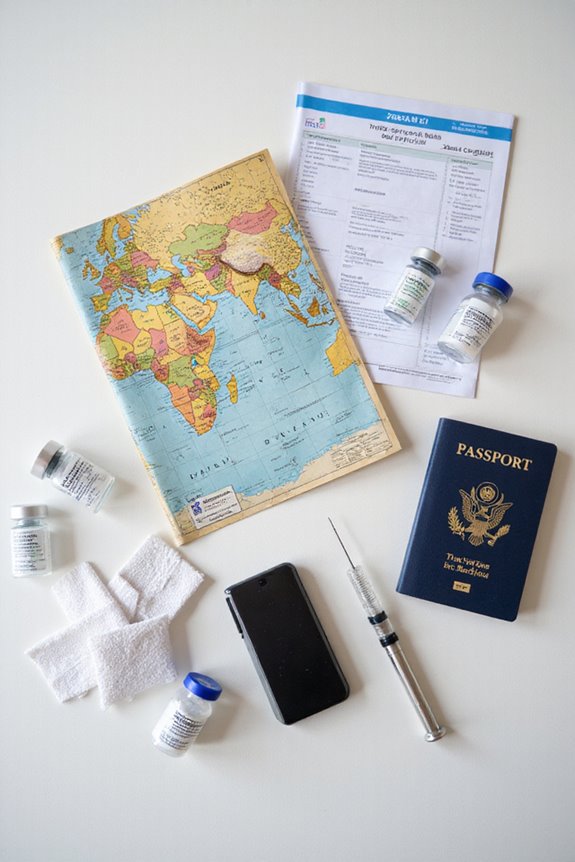
Adventure Travel Vaccinations: What to Check Before You Go

Travel vaccines depend on destination, itinerary, length of stay, activities, health history, age, pregnancy, and previous vaccinations. Start with routine immunizations, then use current destination guidance and a travel-medicine consultation to decide what is recommended or required. For a practical starting point, review the CDC routine-vaccine guidance and destination pages; travelers outside the United States should also check their national and destination health authorities.
Key Takeaways
- Review routine vaccines and your personal records before researching destination-specific recommendations.
- Check current official guidance for every country, transit stop, activity, season, and rural or urban area.
- Discuss health conditions, medicines, pregnancy, allergies, and planned exposures with a travel-health clinician.
- Book early enough for a consultation, multi-dose series, documentation, and any required waiting period.
- Vaccines do not replace food, water, insect, animal-contact, and other travel precautions.
Routine Vaccinations for Adventure Travel
You may be interested



Check that routine vaccines are current for your age, health history, and country of residence. Depending on the traveler, these may include vaccines such as measles-mumps-rubella, tetanus-diphtheria-pertussis, influenza, polio, varicella, or others on the applicable schedule. Bring your immunization record to a clinician; do not restart or duplicate a series without professional advice.
Recommended Products

✔ TRAVEL ESSENTIALS KIT – ALL-IN-ONE: Complete travel medicine kit with 75+ essentials for headaches, motion sickness, allergies, and stomach issues—perfect for flights, vacations, and everyday travel.
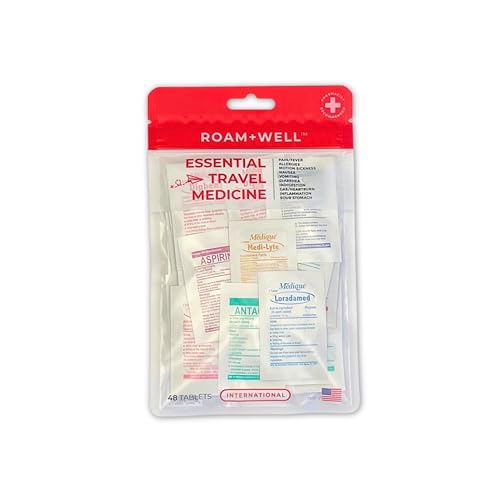
Ultra Compact: Roamwell's International travel medicine kit offers protection for every continent, while weighing less than a granola bar at just under 1.4 ounces.

ESSENTIAL MEDICATIONS ON THE GO - Never forget a crucial remedy. This travel size meds kit ensures you’re prepared for common travel ailments like headaches, allergies, upset stomachs and dehydration, keeping your adventures worry-free.
Destination-Specific Vaccinations

Use the current destination page for every country and transit point, then discuss the itinerary with a travel-health clinician. Recommendations can change with outbreaks, route, season, rural exposure, accommodation, food and water, animal contact, and length of stay. A vaccine may be recommended for protection without being an entry requirement, while an entry requirement may depend on where you arrived from or transited.
Vaccines for Vector-Borne and Zoonotic Diseases

Vaccines cover only some travel-related infections. Depending on the destination and exposure, a clinician may discuss vaccines, preventive medicines, insect-bite protection, food and water precautions, animal avoidance, and post-exposure plans. Malaria, dengue, rabies, leptospirosis, hantavirus, and other risks are managed differently; do not treat one vaccine or a repellent as broad protection against every hazard.
Timing and Administration of Vaccines

Book a travel-health appointment as early as practical. CDC guidance commonly suggests a consultation around four to six weeks before departure, but a last-minute traveler may still benefit from professional advice. Some vaccines require multiple doses or a waiting period; for example, an International Certificate of Vaccination or Prophylaxis for yellow fever generally becomes valid ten days after primary vaccination. Confirm the current rule for the exact trip.
Additional Vaccinations for High-Risk Activities and Regions

Activities can change the health assessment: remote trekking, animal contact, cave visits, freshwater exposure, medical work, extended stays, and limited access to care may add considerations. A clinician may discuss vaccines or medicines for particular risks, but the choice depends on destination and personal history. Carry a written plan for bites, illness, evacuation, and where to obtain care.
Recommended Products



Frequently Asked Questions
Are There Age Restrictions for Certain Travel Vaccinations?
Some vaccines and schedules have age, health, pregnancy, allergy, or immune-system considerations. Children, older adults, and people with chronic conditions may need individualized advice. Bring the traveler’s vaccine record and itinerary to a clinician rather than relying on a general age rule.
Can I Get Vaccinated at the Airport Before Traveling?
Airport services are not a reliable substitute for a travel-health appointment. Some airports or designated clinics may offer selected vaccines, but availability, documentation, and waiting periods vary. Arrange care before departure and confirm the provider can issue any required certificate.
What if I Am Allergic to Vaccines?
Tell the clinician about any previous reaction, its timing, symptoms, and the product involved. Do not self-select an alternative or skip a required vaccine without advice. A travel-health professional can assess contraindications, precautions, referral needs, and other ways to reduce exposure.
How Do I Obtain Vaccination Documentation for Travel?
Ask the administering provider or health authority for an official vaccination record and, when required, an International Certificate of Vaccination or Prophylaxis. Check that names, dates, vaccine details, signatures, and stamps are complete, and verify current entry requirements with the destination’s official source.
Are There Any Side Effects From Travel Vaccinations?
Side effects depend on the vaccine and person. Ask the provider what is common, what to do for discomfort, which symptoms need urgent care, and whether a planned activity should be delayed. Seek medical help for a severe or concerning reaction, and carry the vaccine record when traveling.