As an Amazon Associate, we earn from qualifying purchases. Some links on this site are affiliate links at no extra cost to you. Our recommendations are based on thorough research and editorial judgment.

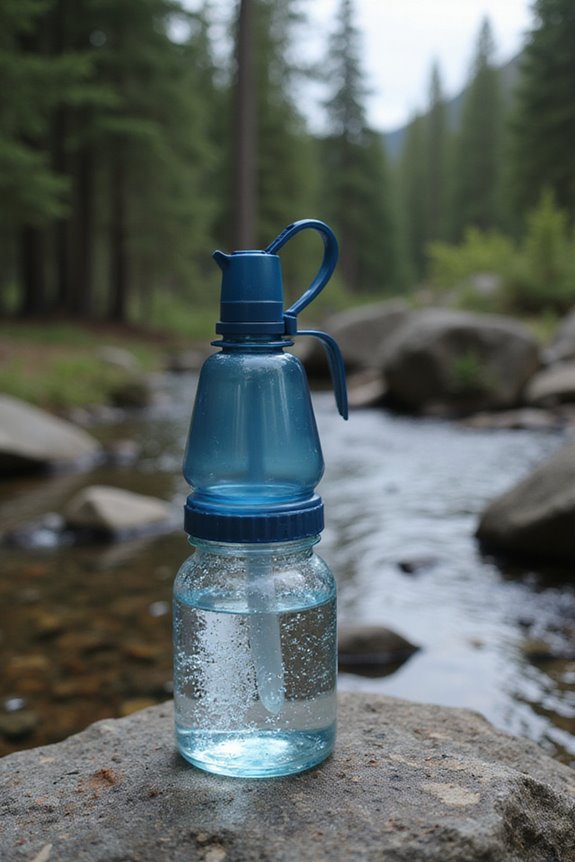
How to Purify Water in the Wilderness: Safe Methods

Untreated wilderness water can contain organisms or chemicals that are not visible. Start with the safest available source, follow local advisories, and use a treatment method suited to the contamination risk. Boiling or approved disinfection can address many microbes, but no treatment described here makes fuel, toxic chemicals, heavy metals, or radioactive material safe.
Key Takeaways
- Use bottled or officially approved water when available and follow local health advice.
- Let cloudy water settle, then pre-filter it through a clean cloth or suitable filter.
- Boiling is a reliable way to kill many bacteria, viruses, and parasites when done correctly.
- Portable filters have limits; check the label for parasites, bacteria, or viruses and follow the instructions.
- Store treated water in clean, covered containers and avoid recontamination.
Understanding the Importance of Water Purification
You may be interested

Clear, fast-moving water is not automatically safe. Microbes may cause gastrointestinal illness, while chemicals and heavy metals require a different response. Plan water capacity before the trip, identify reliable sources, and carry a treatment method with instructions and a backup.
Boiling Water: A Simple and Effective Method
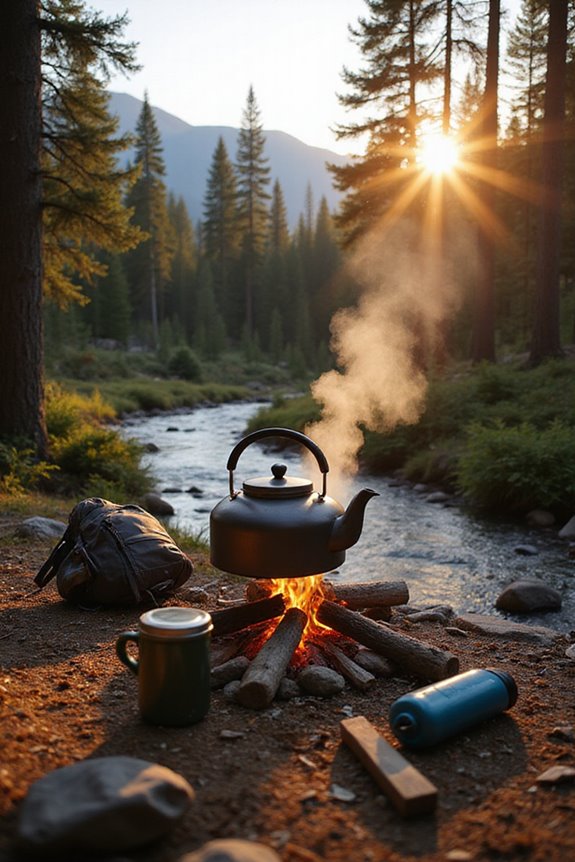
If you can, bring clear water to a rolling boil and follow current public-health guidance for the location and elevation. Let it cool in a clean covered container. Boiling can kill many disease-causing microbes, but it does not remove fuel, toxic chemicals, heavy metals, salts, or other non-biological contaminants. Use a cloth or filter first if the water is cloudy.
Recommended Products

Compact and Lightweight Design: Folds flat for easy transport or storage; perfect for backpacking, camping, and any outdoor adventure where space is limited

HIGHLY EFFICIENT - Our industry leading heat exchange technology minimizes wind impact and reduces boiling times by up to 30% compared to traditional backpacking stoves.
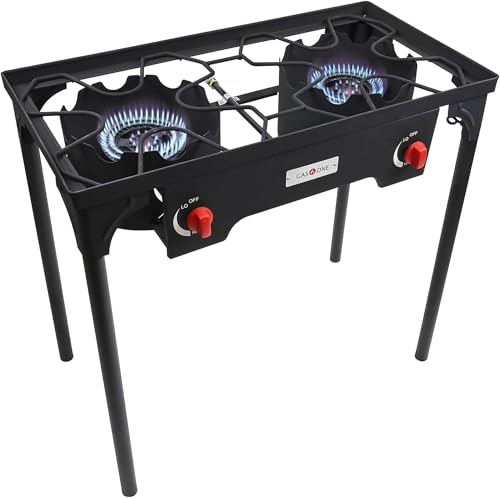
PROPANE DOUBLE BURNER FOR OUTDOOR COOKING - Equipped with two burner heads, Gas One’s Double Burner provides extreme heat for various different cooking scenarios. From tailgating to catering, this burner stands out for those looking for a little more range in their heat
Chemical Treatment: Using Iodine and Chlorine
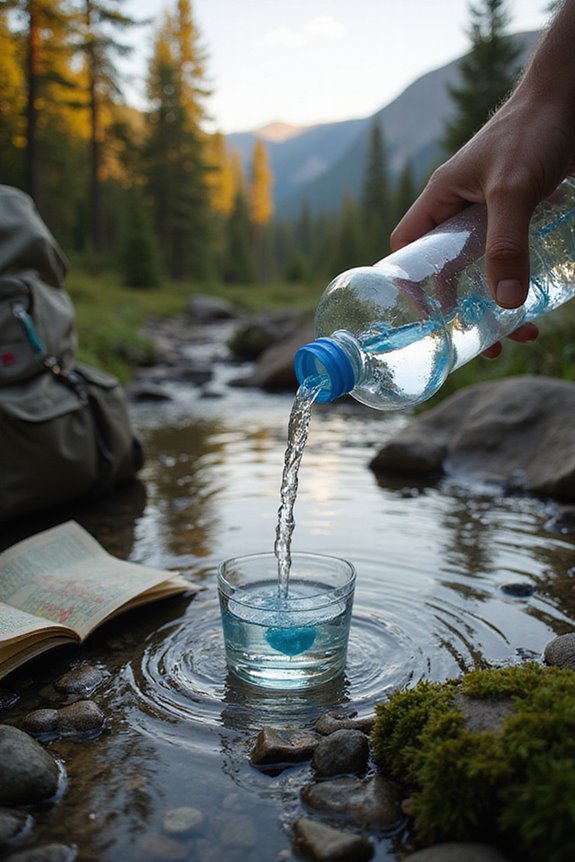
Use only a product labeled for drinking-water treatment and follow its label for dose, contact time, temperature, cloudiness, and storage. Chlorine dioxide, iodine, or other products differ in what they address and who should avoid them. Never improvise with household chemicals or mix products. When in doubt, boil or use another safe source.
Recommended Products

One bottle of 50 Potable Aqua Water Purification Tablets and one bottle of 50 Potable Aqua PA Plus tables

TWO BOTTLES INCLUDED: Includes two bottles, each with 50 Potable Aqua Water Purification Tablets, offering an effective solution for emergency water treatment in camping, hiking, and natural disasters.

DRINKING WATER, ANYTIME, ANYWHERE - Aquatabs are the world's leading water purification tablet and the ultimate choice for portable water treatment tablets. Removes 99.9999% of Bacteria, 99.99% of Viruses, and 99.9% of Cysts (Giardia).
Filtration Techniques for Clean Water
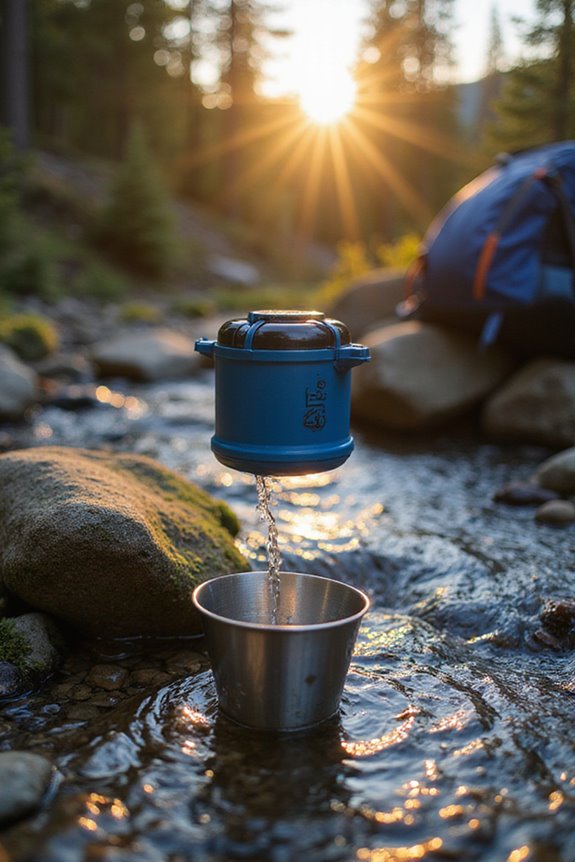
Portable filters vary. Check whether the product is rated for parasites, bacteria, viruses, sediment, or chemicals, and follow its flow, cleaning, freezing, and replacement instructions. Many filters do not remove viruses or dissolved chemicals, so filtered water may need additional disinfection.
Recommended Products

LIGHTWEIGHT 11OZ PUMP-ACTION WATER FILTER FOR BACKPACKING: A pump-action microfilter that turns wilderness streams, ponds, and questionable sources into clean, drinkable water. Backpacker Magazine approved for long-distance backpacking trips.
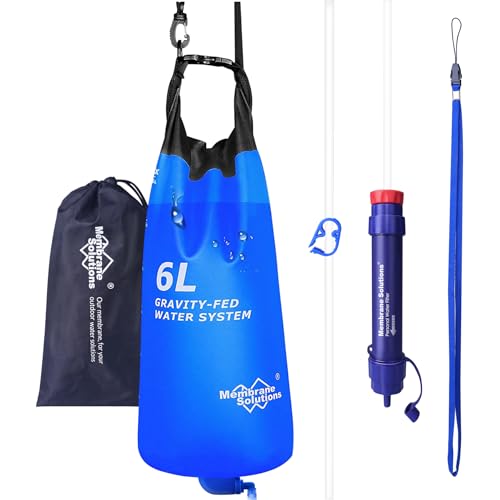
Built for Group Camping - Designed for camping, backpacking, and emergency preparedness, this 6L gravity water filter system provides fresh drinking water for 3–6 people. Ideal for basecamp, group trips, and survival situations where water matters most.

Triple Protection Filtration: Our survival water filtration system uses a pre-filter for large debris, 5-micron PP cotton for fine particles, and 0.01-micron ultrafiltration to eliminate 99.99% of sediment, and heavy metals - delivering safe, clean water wherever you go in the wild!
Utilizing Ultraviolet Light for Water Purification
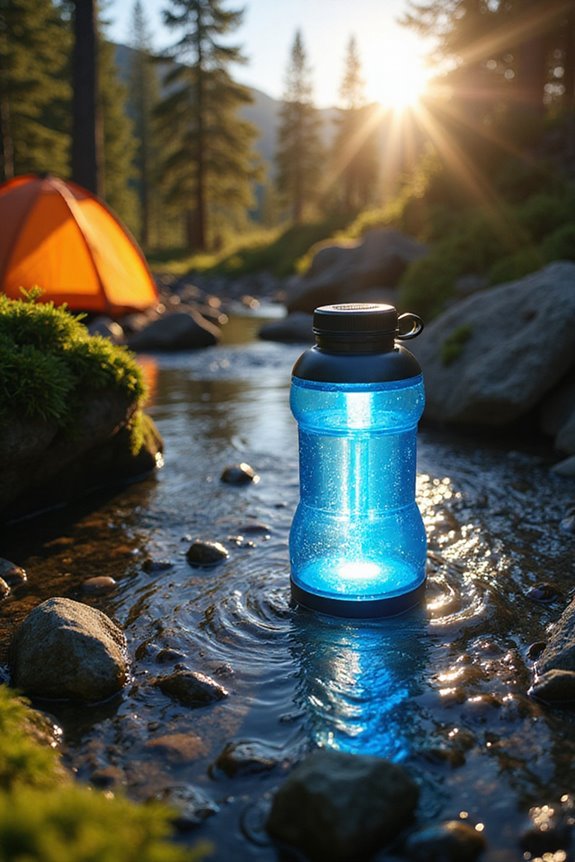
UV devices may treat certain microbes when water is clear, the battery is charged, the dose is delivered correctly, and the device is used according to its instructions. UV does not remove sediment, chemicals, or heavy metals. Pre-filter cloudy water and carry a backup method for low power or device failure.
Recommended Products
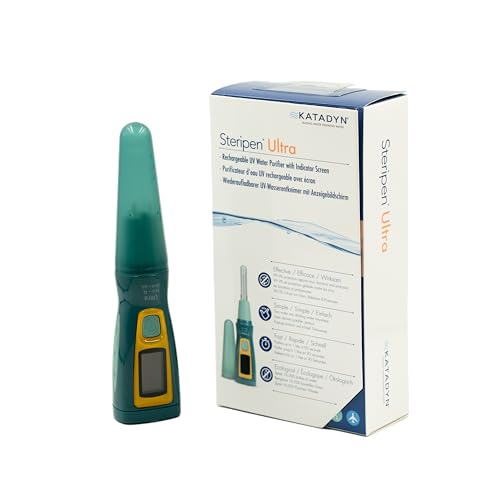
Lamp Life: 8,000 treatments

7-STAGE RO FILTRATION & REMINERALIZATION With 0.0001μm, our advanced 7-stage RO filtration process removes up to 99.99% of over 1,000 impurities, including PFAS, heavy metals such as lead and arsenic, chlorine, fluoride and more. Certified by WQA to NSF/ANSI/CAN 372 and tested by TÜV labs, this compact system ensures safety while using remineralization to enrich your water with essential minerals for balanced taste and health, ideal for daily drinking, coffee brewing, and tea preparation

Compact handheld UV water purifier designed specifically for outdoor enthusiasts
Distillation and Solar Stills: Advanced Techniques
Distillation and solar stills are slow, equipment-dependent options and may produce limited water in field conditions. They are not a simple replacement for a reliable filter, boiling, approved disinfection, or a safe water source. Treat water with suspected chemical contamination as unsafe and seek another source.
Recommended Products

[7400mWh (2000mAh) POWER BANK WILL KEEP DEVICES POWERED] The FosPower FOSPWB-2376 emergency radio incorporates a 7400mWh (2000mAh) power bank capable of providing emergency power to any small tablet or phone.

Battery Savior: This solar panel system charges and maintains 12V rechargeable batteries. Ideal for infrequently used vehicles; boats; outdoor electronics; lawnmowers; etc, it ensures instant device startup and protects batteries from long-term discharge. Equipped with a 12V cigarette lighter plug and alligator clips, connect the solar panel and the battery directly—convenient and hassle-free. Compatible with sealed lead-acid; lithium; LiFePO4; GEL; AGM; flooded; ect

【COMPACT SIZE, EASY TO CARRY】 Folds down to 19.3×26.4×1.1in and weighs only 9.7lb (4.4kg), making this 200W panel slim, portable, and simple to set up for RVs, vans, camping, or emergency backup.
Natural and Primitive Water Purification Methods
Do not rely on plants, sand, charcoal, cloth alone, or improvised filters to make wilderness water safe. These may improve appearance or remove some sediment but cannot be assumed to remove pathogens or chemicals. Use a tested treatment method with clear instructions.
Combining Methods for Optimal Water Safety
A filter followed by an approved disinfection method can provide broader protection when the product instructions support that combination. Filtering can reduce sediment, while boiling or chemical treatment addresses microbes. Check the limits of each method and avoid assuming that two methods remove every contaminant.
Frequently Asked Questions
Can I Drink Water Directly From Lakes or Rivers?
Not safely by appearance alone. Treat water according to current public-health guidance, or use a safe alternative. Clear water can still contain pathogens, and suspected chemical contamination requires a different source.
How Can I Tell if Water Is Safe to Drink?
You usually cannot tell by sight, smell, or taste. Check official advisories and use a treatment method rated for the likely risk. If fuel, chemicals, or heavy metals may be present, do not drink it after boiling or filtering.
What Should I Do if I Have No Purification Methods?
Use bottled or known-safe water if possible, reduce activity that increases dehydration, and seek help or a safer source. Do not rely on settling, plants, sand, or cloth alone as drinking-water treatment.
Are There Any Plants That Can Help Purify Water?
Do not rely on plants to purify drinking water in the field. Some may alter taste or help with sediment, but plant-based methods are not a dependable substitute for boiling, an approved disinfectant, a suitable filter, or safe bottled water.
How to Store Purified Water for Long-Term Use?
Use a clean, food-safe container with a tight lid. Avoid touching the opening, keep treated water away from untreated water, label it when needed, store it in a cool shaded place, and follow the treatment product’s storage guidance.