As an Amazon Associate, we earn from qualifying purchases. Some links on this site are affiliate links at no extra cost to you. Our recommendations are based on thorough research and editorial judgment.

How to Choose Trekking Poles

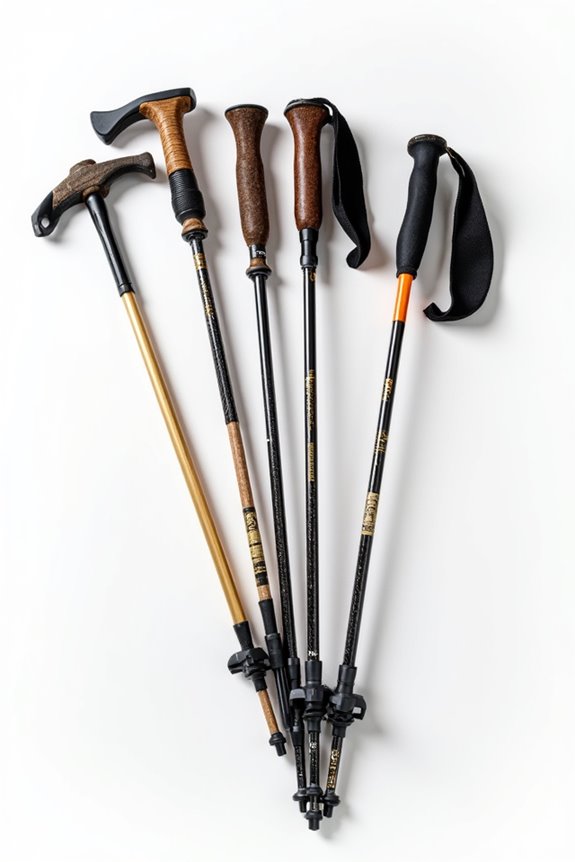
Choose trekking poles by the terrain, pack weight, walking style, hand comfort, storage needs, and the adjustments you expect to make. Compare adjustable and fixed lengths, one or two poles, carbon fiber or aluminum, grip and strap design, baskets, tips, locking systems, fit, and replacement parts.
Key Takeaways
- Choose adjustable or fixed poles based on terrain changes, packability, simplicity, and the number of users sharing the gear.
- Use one or two poles according to terrain, balance, pack weight, activity, and personal preference; more poles are not automatically better.
- Compare carbon fiber and aluminum by weight, durability, impact tolerance, cost, and repair or replacement options.
- Match grip, strap, basket, tip, and length to your hands, footwear, seasons, and expected surfaces.
- Check the locking mechanism, fit, and load guidance before relying on the poles for steep, wet, icy, or uneven terrain.
Understanding Pole Types: Adjustable vs. Fixed Length
When it comes to choosing the right trekking pole, how does one decide between adjustable and fixed-length options? Adjustable poles offer adjustable advantages, like the ability to customize length on the go, perfect for those unpredictable trails. Imagine hiking up a steep hill, then needing a shorter pole for the descent—adjustable poles have you covered! On the flip side, fixed-length poles boast fixed benefits, including simplicity and often lighter weight, a dream for ultralight backpackers. They’re sturdy, with fewer parts to wear down over time, making them a reliable choice. So, if you need flexibility and share gear, adjustable might be your best bet. But for those who crave durability in predictable environments, fixed-length options shine brightly.
Choosing Between One Pole or Two
Two poles can provide more contact points and support on uneven, steep, slippery, or heavily loaded routes, while one pole may be simpler for lighter terrain or when one hand needs to remain free. Choose based on balance, activity, pack weight, and whether the pole use changes your natural movement.
Focusing on Locking Mechanisms
Choosing the right trekking pole length is just the beginning of the adventure; locking mechanisms play a pivotal role in ensuring that those poles perform as they should on the trails. When diving into a locking mechanism comparison, trekkers often find themselves weighing lever locks against twist locks, push-button options, and even combination systems. User preference analysis reveals a growing favor for lever locks, celebrated for their reliability and quick adjustments, even in chilly weather. Twist locks, while lighter, can seize up when dirt gets involved, making them less dependable. Push-button locks are nifty but tricky to repair. Ultimately, understanding these options empowers adventurers to choose the best pole for their journey, ensuring a smoother trek ahead.
Assessing Weight and Portability
Compare the published weight of the complete pair, including straps, baskets, tips, and storage accessories. Carbon fiber may reduce weight, while aluminum may offer different impact and cost trade-offs. Packed length, collapsed sections, carry case, and durability also matter when the poles travel in or outside a pack.
You may be interested


Before a long route, test the pole length, locks, straps, tips, and baskets on similar terrain. Poles can support balance but should not be treated as a substitute for footwear, route planning, or appropriate care on steep or slippery ground.
Frequently Asked Questions
How Do I Maintain My Trekking Poles for Longevity?
How can one guarantee trekking poles remain durable? Regular cleaning techniques and proper storage tips, like disassembling for thorough cleaning and storing indoors, greatly enhance the longevity and performance of trekking poles over time.
Can I Use Trekking Poles for Running or Jogging?
Trekking poles can enhance running efficiency by engaging the upper body and improving stability on uneven terrain. However, they also introduce challenges like increased weight and potential interference with natural running form, requiring careful consideration.
What Are the Best Brands for Trekking Poles?
When considering trekking pole brands, Black Diamond and Leki stand out for their innovative features and durability. Other notable brands include MSR and Trekology, each offering poles with unique designs and best features for various hiking needs.
Are Trekking Poles Suitable for All Types of Hiking Trails?
On the Inca Trail, trekkers found trekking poles invaluable for traversing steep terrain. Their suitability varies; poles excel in rugged trail conditions, enhancing stability, but offer limited benefits on flat paths, underscoring the importance of terrain suitability.
How Do I Pack Trekking Poles for Air Travel?
Packing trekking poles for air travel involves utilizing effective packing techniques, such as disassembling and cushioning them within checked luggage. Proper organization and protection minimize damage risks, ensuring safe transit through various airport regulations and security checks.