As an Amazon Associate, we earn from qualifying purchases. Some links may be affiliate links at no extra cost to you. Although our opinions are based on curated research, we haven't used these products. Articles generated with AI.

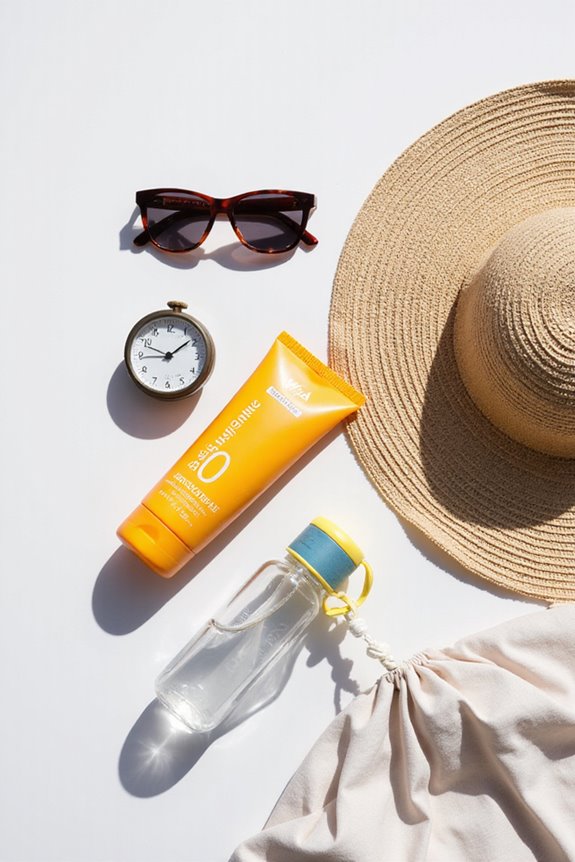
What Are The Best Ways To Sunbathe Safely?

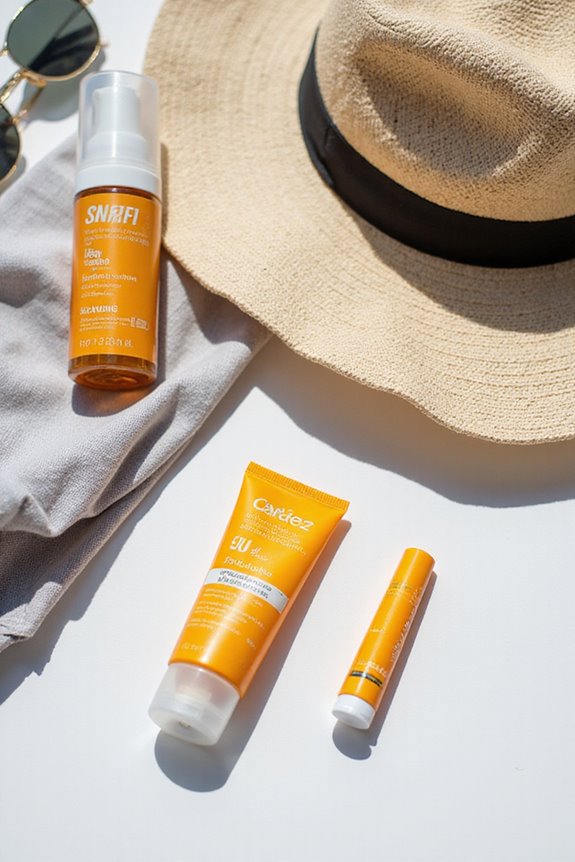
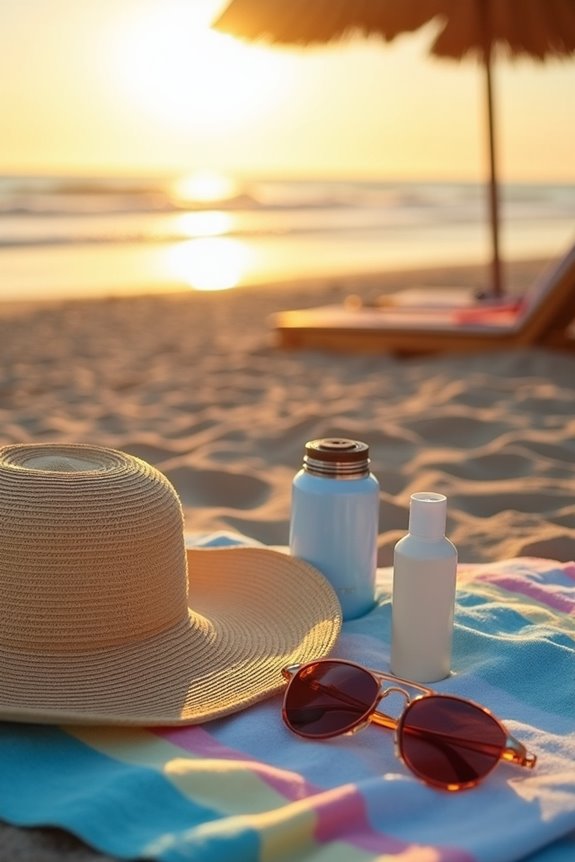
To sunbathe safely, one should apply SPF 30 sunscreen and reapply every two hours. Wearing sun-protective clothing, like a stylish long-sleeve shirt, can be a game changer. Timing is key; soak up some rays early or late when the sun’s not blazing. Don’t forget shade! Seek it out if your shadow is short—it’s a sign to cool off. And remember, even on cloudy days, UV rays can sneak through. Trust me, there’s more to uncover!
Key Takeaways
- Apply broad-spectrum sunscreen with at least SPF 30, reapplying every two hours, especially after swimming or sweating.
- Wear sun-protective clothing with high UPF ratings to shield your skin from harmful UV rays.
- Limit sun exposure during peak hours between 10 a.m. and 4 p.m., opting for early mornings or late afternoons instead.
- Utilize shade effectively, using structures like umbrellas and awnings, while remembering that reflections can still cause UV damage.
- Stay informed about the UV Index, and remember that UV rays can penetrate clouds, making sunscreen necessary even on overcast days.
Understanding Sun Protection Factors (SPF)
You may be interested
When it comes to enjoying a sunny day at the beach or lounging by the pool, understanding Sun Protection Factor, or SPF, can feel like trying to decipher a secret code. SPF effectiveness isn’t just about how long you think you can bask in the sun; it’s really about how much UV radiation your skin can handle. For instance, if you use SPF 30, you could theoretically stay out 30 times longer than without it. However, that’s under perfect conditions, which rarely happen. To make SPF application effective, slather on enough sunscreen—about two milligrams per square centimeter—and reapply every two hours, especially after a dip in the water. Remember, high SPF doesn’t mean you’re invincible; it’s just a part of the sun safety puzzle!
The Importance of Protective Clothing
Sun-protective clothing is like an invisible shield, quietly working to keep harmful UV rays at bay while allowing wearers to enjoy sunny days without worry. Crafted from fabric types like polyester and nylon, these garments boast impressive Ultraviolet Protection Factors (UPF), with ratings of 30 or even 50+ blocking up to 98% of UV radiation. Design features such as tight weaves, long sleeves, and high collars enhance protection, covering more skin and reducing exposure. Imagine lounging in a stylish long-sleeve shirt, feeling confident that your skin is safe. Plus, unlike sunscreen, this clothing doesn’t require reapplication! It’s a simple yet effective way to embrace the sun while safeguarding against its harmful effects—now that’s a win-win!
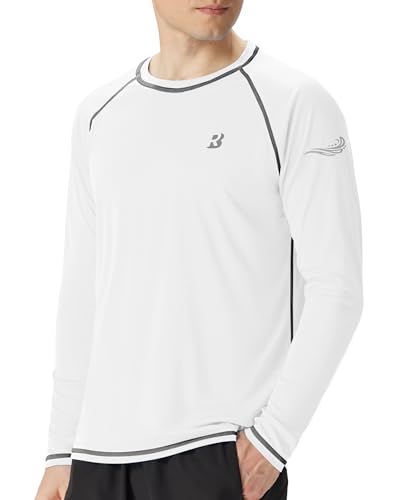
UPF 50+ Sun Protection: Advanced UPF 50+ fabric reliably blocks over 98% of UV rays, keeping your skin protected during beach relaxation, swimming sessions, or water sports. This long sleeve swim shirt maintains its shielding effect even when soaked
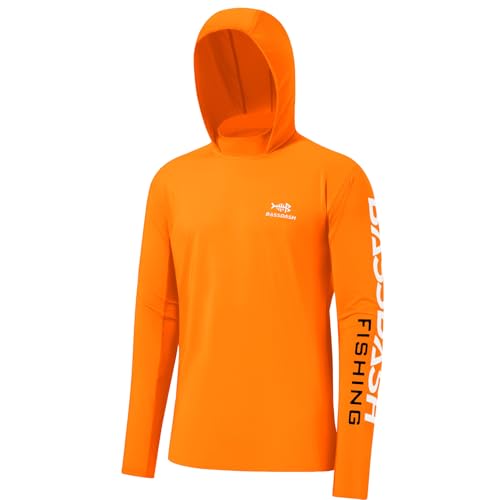
Long sleeve design and 50+ UPF protection keeps your skin healthy, so you can be active all day in the sun with confidence; Comfortable, relaxed mock turtleneck and hood for extra sun protection of the neck, face and ears

HUK: Uniting anglers through performance-engineered, technical gear designed to fuel your passion and pursuit no matter when, where or how you fish
Timing Your Sun Exposure
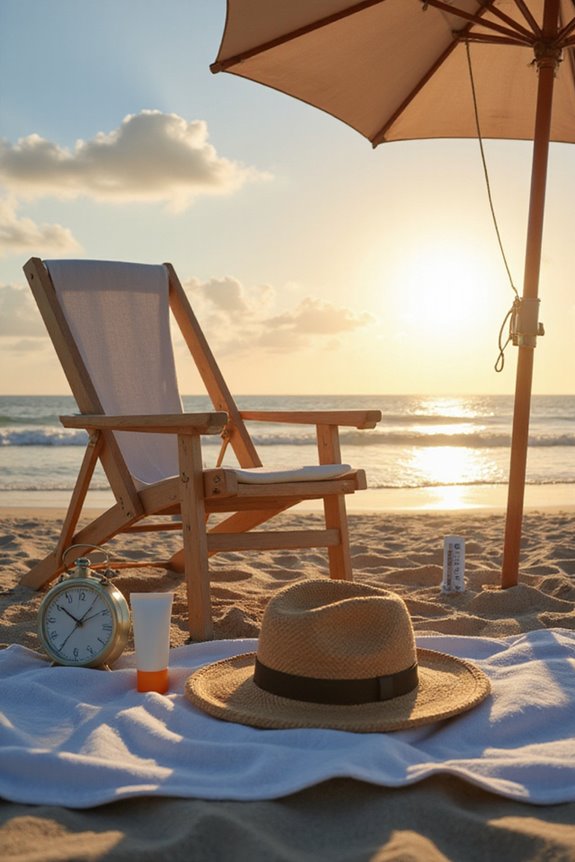
Timing sun exposure can feel like a game of strategy, especially when it comes to reaping the benefits of vitamin D while dodging those pesky UV rays. The sun’s strongest rays hit between 10 a.m. and 4 p.m., so planning is key. Early mornings or late afternoons are golden windows for ideal timing, allowing for about 8 to 10 minutes of sun on 25% of the skin for lighter complexions. Those with darker skin might need up to 30 minutes. And don’t forget, even on cloudy days, UV rays are sneaky! Keeping an eye on the UV Index can guide when to soak up the sun safely, ensuring that vitamin D production doesn’t come with a side of sunburn.
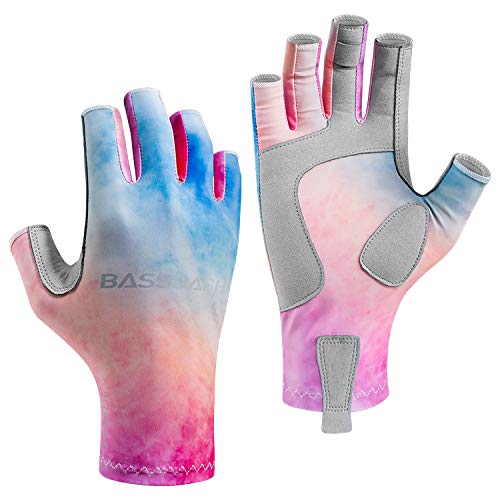
Accredited with a UPF 50+ rating, the gloves protect your hands and wrists from dangerous UV rays

One size for small to medium hands: These fashion sun gloves are made of 4-way stretch lightweight fabric to fit palm size 7.5cm-9cm and the middle finger is 8 cm. They cover 3 inches upper your wrist
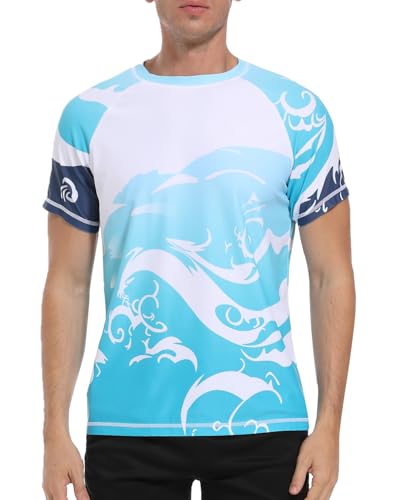
ADVANCED UPF 50+ SUN PROTECTION: Protect your skin during long hours in the water. Engineered with high-density fabric that provides UPF 50+ protection and blocks 98% of UVA/UVB rays. The perfect swim shirts for men who want to avoid sunscreen mess while surfing, paddleboarding, or deep-sea fishing.
Utilizing Shade Effectively
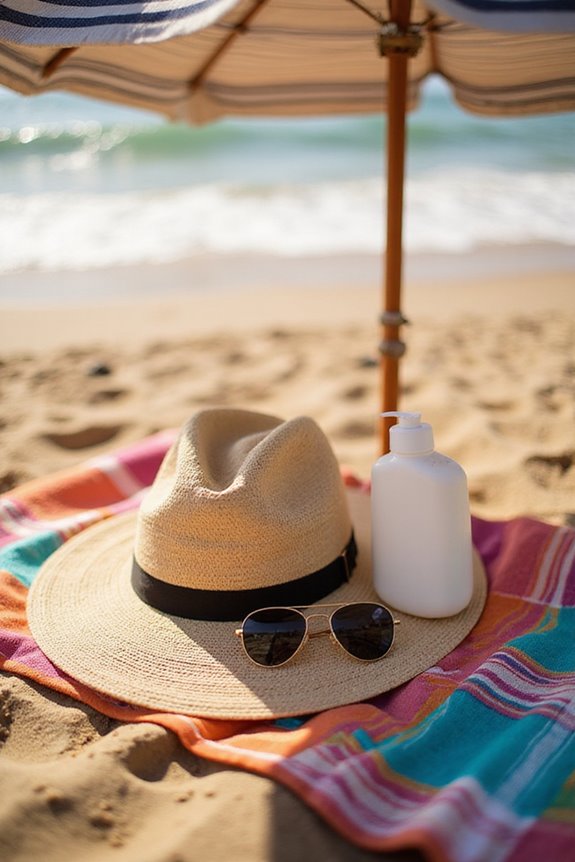
Shade, that glorious refuge from the blazing sun, plays an essential role in effective sun protection. Opting for larger shade structures, like pergolas or awnings, can greatly reduce UV exposure, offering better safety than small umbrellas. When lounging under these protective canopies, it’s important to remember that shade isn’t foolproof—reflections from water or sand can still sneak in and cause harm. To enhance safety, combining shade with sunscreen and UV-blocking clothing is a smart move. Following the “Shadow Rule” is a handy tip; if your shadow is short, it’s time to seek shelter! By embracing shade wisely, sunbathers can enjoy the outdoors while keeping sunburns at bay, making their sun-soaked days much more enjoyable.

TRUE 60-INCH COVERAGE: Features a generous 60-inch arc span (52-inch straight diameter) that provides ample space for 1-2 people or full coverage for your golf bag and cart. Note: Our 60-inch measurement refers to the curved arc span (see Image 3 for visual reference), ensuring maximum protection compared to standard 52-inch diameter umbrellas.

【UV Protection Golf Umbrella】The sliver coating 210T pongee fabric, which is used to built this large uv golf umbrella, is a kind of fabric features well water repellancy and uv blocking. More than that, the silver coating of the big sun umbrella outside reflects up to 98% harmful uv rays from sunlight. Our uv umbrellas for sun protection large is suitable for golf course, beach, outdoor activities, and watching sports games

Silver UV Umbrella UPF 50+ Protection --The canopy fabric material is 100% polyester. And canopy layer designs with UV protection 190T fog silver coating, match inner mesh fabric reflecting heat and glare to cool you down;
Common Misconceptions About Sun Safety
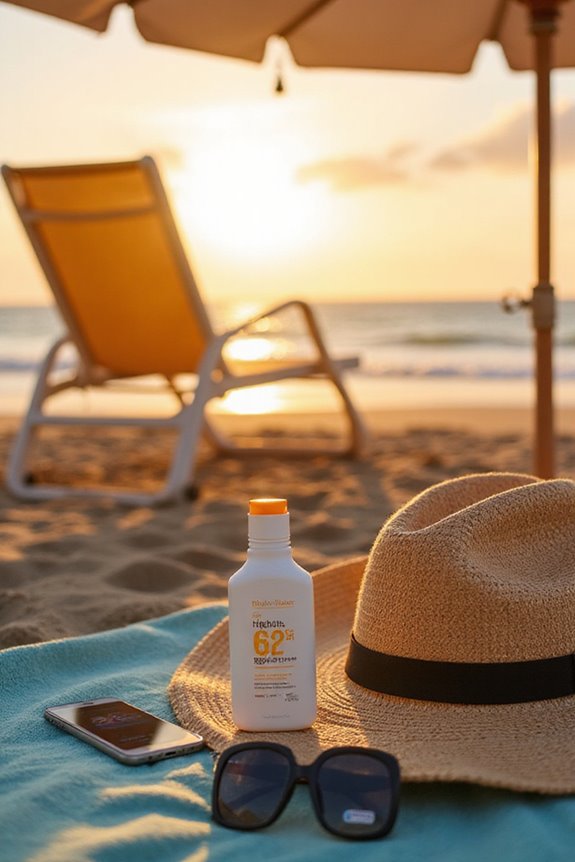
Many people are blissfully unaware of the common misconceptions surrounding sun safety, believing they can bask in the sun without a care. For instance, some think sunscreen is only necessary on sunny days, leaving them vulnerable even on overcast ones; up to 80% of UV rays can sneak through clouds! Others cling to SPF myths, thinking higher numbers guarantee complete protection, but SPF 30 is usually sufficient if applied properly. There’s also the false belief that indoor protection isn’t necessary; UVA rays can still reach you through windows. And let’s not forget about tanning beds, which are far from a safe alternative. Embracing these truths can make sunbathing a safer and more enjoyable experience!
Frequently Asked Questions
How Often Should I Apply Sunscreen While Sunbathing?
In an age reminiscent of courtly elegance, individuals must adhere to SPF guidelines, applying sunscreen every two hours during sunbathing. Enhanced protection necessitates more frequent applications, especially after water exposure or vigorous activities, ensuring effective sunscreen application.
Can I Get Sunburned on Cloudy Days?
Cloudy days do not eliminate the risk of sunburn. UV exposure can still occur through cloud cover, with significant rays penetrating, making it essential for individuals to remain vigilant about sun protection even when skies appear overcast.
What Types of Food Help Protect My Skin From Sun Damage?
Certain antioxidant foods, like blueberries and tomatoes, boost skin protection against sun damage. Additionally, maintaining hydration through fruits like watermelon is essential for skin resilience, ensuring a healthier appearance and enhanced recovery from UV exposure.
Is There a Safe Way to Achieve a Tan?
In the quest for a tan, one should consider self-tanning products instead of sun exposure. Natural oils can enhance the skin’s appearance, but caution is essential to avoid UV damage and guarantee skin health.
How Do I Know if My Sunscreen Is Expired?
To determine if sunscreen is expired, one should check for expiration signs such as unusual texture, color changes, or odor. Proper sunscreen storage away from extreme temperatures can help maintain its effectiveness and prolong shelf life.