As an Amazon Associate, we earn from qualifying purchases. Some links on this site are affiliate links at no extra cost to you. Our recommendations are based on thorough research and editorial judgment.

How to Train for a Hiking Trip Safely

Training for a hiking trip means preparing for the route’s distance, elevation, terrain, pack, weather, and expected pace. Combine manageable aerobic work, strength, balance, hiking practice, and recovery, then increase one demand at a time. Your plan should fit your current ability and leave enough margin for sleep, illness, pain, and changing conditions.
Key Takeaways
- Match training to the route’s terrain, elevation, distance, pack, weather, and technical demands.
- Build aerobic fitness with walking, hills, cycling, or another activity you can recover from consistently.
- Use strength and balance work for the hips, legs, trunk, ankles, and uneven-ground control.
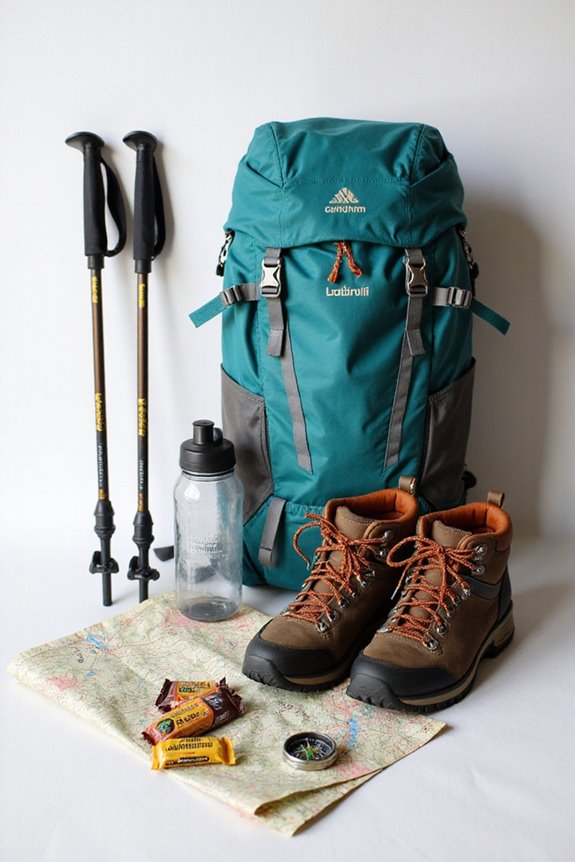
- Practice with the footwear, poles, pack, food, and clothing you expect to use on the trip.
- Increase training gradually, schedule recovery, and stop or seek advice when pain or unusual symptoms worsen.
Understanding the Importance of Strength Training
You may be interested


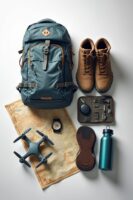
Strength training can help you tolerate climbing, descending, uneven ground, and pack carrying. Focus on controlled movements such as squats, step-ups, split squats, hinges, calf raises, rows, and trunk stability, adapting them to your ability. Progress through resistance, range, control, or repetitions one change at a time, and use professional guidance for an injury or medical condition.
Building Cardiovascular Endurance
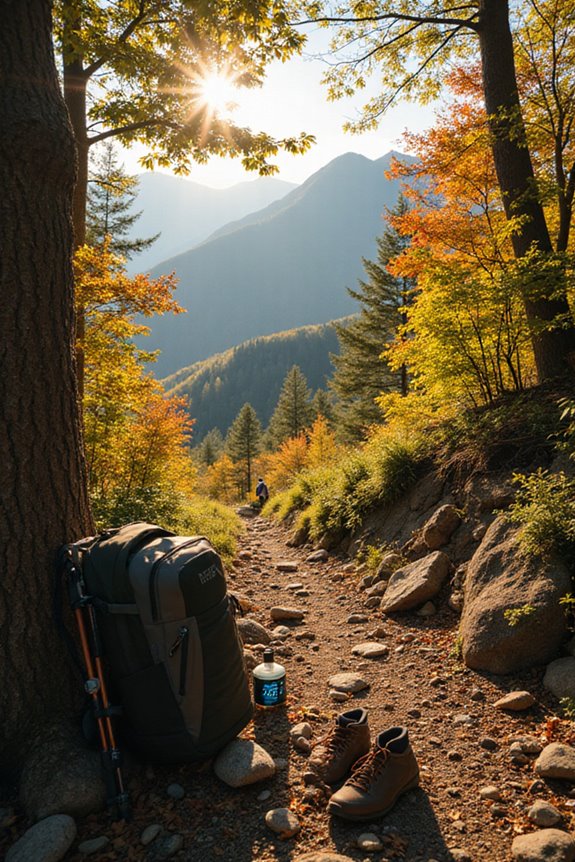
Build aerobic endurance with brisk walking, hills, stairs, cycling, swimming, or another sustainable activity. Include easier work and occasional route-specific efforts, but do not make every session hard. Progress duration, terrain, or intensity gradually, monitor recovery, and use perceived effort alongside any heart-rate data rather than treating a fixed zone or schedule as universal.
Incorporating Hiking-Specific Practice
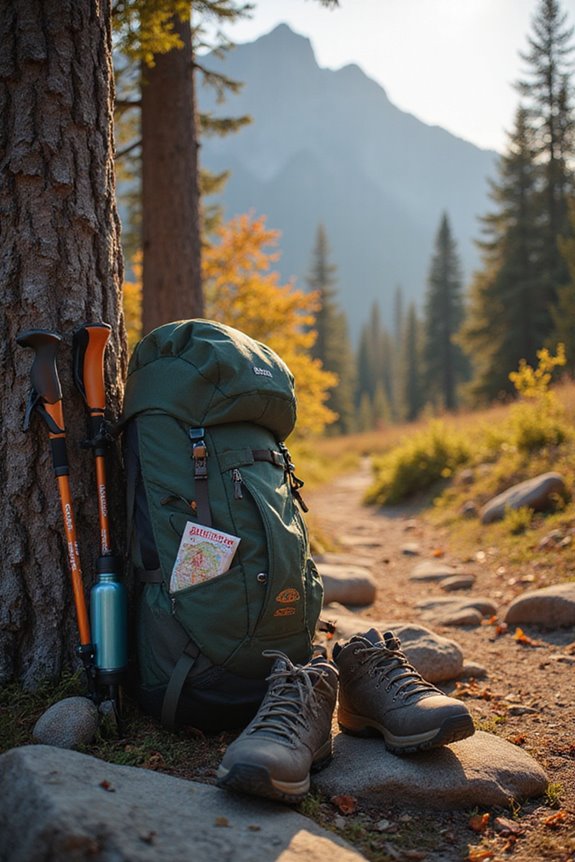
Practice the movement and equipment the trip requires. Walk on similar slopes, step-ups, controlled descents, uneven-surface balance, and loaded-pack sessions can build familiarity. Start with a light pack and short route, check footwear and pole fit, and stop before form breaks down. Technical terrain should be learned under appropriate instruction, not simulated recklessly.
Recommended Products

【Ergonomic and Comfortable Design】:This breathable backpack is engineered based on the natural movement patterns of the human back, conforming to muscle contours for superior comfort and ventilation. Its scientific weight distribution evenly disperses load across the entire pack, effectively alleviating muscle soreness caused by prolonged carrying.
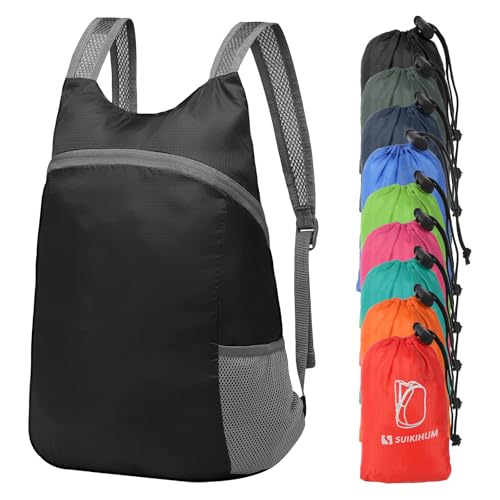
-Scratch-Resistant & Wear-Resistant- --Made of polyester fabric, it can effectively resist wear, tear and scratches in outdoor use. The surface of the backpack is treated with a water-repellent coating, which is very suitable for hiking, cycling, etc
Structuring Your Training Schedule
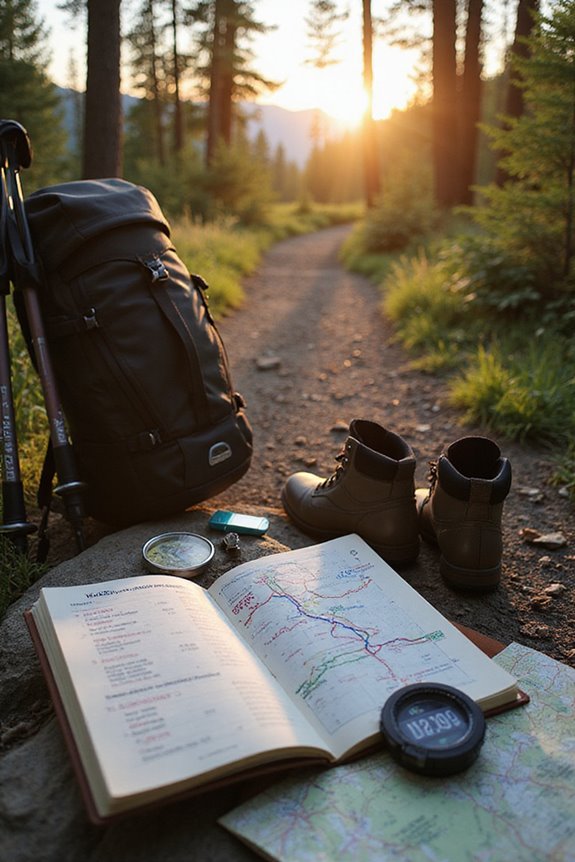
Build a schedule around your starting point and trip date with a mix of easy aerobic work, strength, route practice, and rest. Place harder sessions apart, keep at least one easier or recovery period after demanding work, and reduce training before the trip so you arrive rested. If fatigue, illness, pain, or life stress accumulates, adjust the plan rather than forcing the session.
Recommended Products

High End Exercise Bands. Our 12"³ By 2"³ Heavy Duty Loop Resistance Bands Come In 5 Varying Resistance Levels. This Makes Them Perfect Whether You Are Just Starting To Workout Or A Seasoned Workout Warrior. Our Extra Light And Light Bands Are Great For Beginners, While Our Medium, Heavy And Extra Heavy Exercise Bands Are Targeted For More Intermediate And Advanced Strength Training.

Premium Package: WIKDAY professional resistance loop bands includes 5pcs different levels , they are all 6in length and 2in width, but different thickness. According to your training needs at different stages, you can match the exercise bands with the appropriate resistance level, So Whether you are a fitness beginner, or a exercise warrior, WIKDAY workout bands will be your perfect choice

Adjustable Resistance Bands Set: 5 resistance levels, Pink 10 lbs, Medium pink 20 lbs, Blue 30 lbs, Grey 40 lbs, Black 50 lbs. Stackable exercise bands, both in 51", maximum resistance is 150 lbs
Injury Prevention and Recovery Strategies
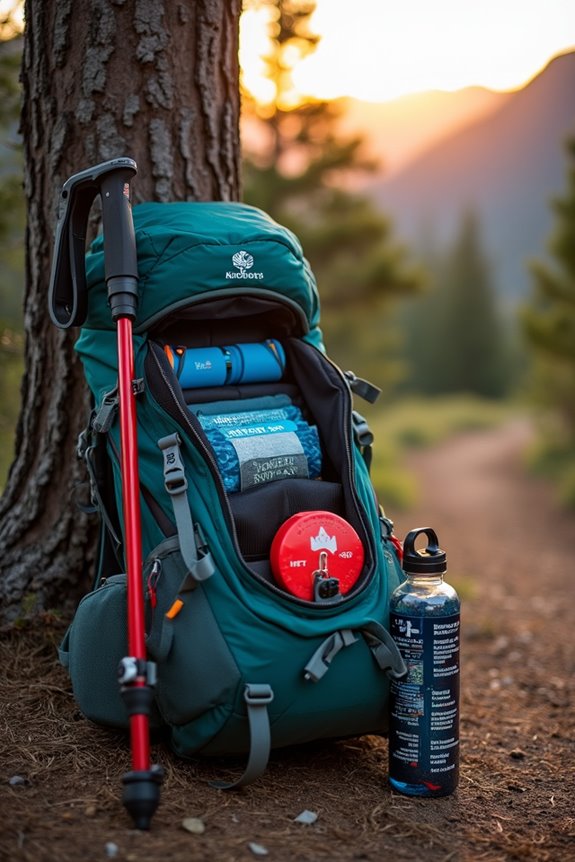
Warm up with easy movement, progress gradually, use footwear that fits, and vary surfaces and training loads. Recovery includes sleep, food, hydration, rest, and honest monitoring of pain or fatigue. Poles may help some hikers with balance and load management, but they do not correct a poor route plan. Stop for sharp, persistent, or worsening pain and seek qualified advice before returning.
Recommended Products

Unique Double Adjustable Straps Design:Protects against chronic ankle sprains, and fatigue.Perfect for post-surgery recovery, strains, arthritis injury recovery and injury prevention.
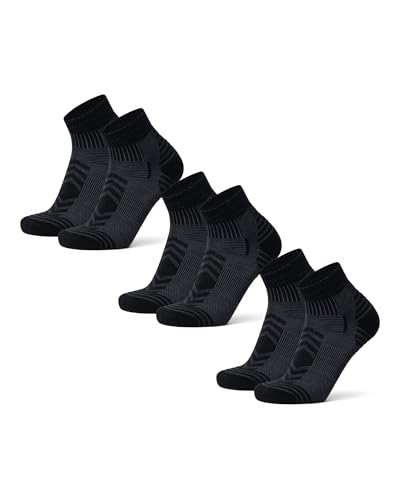
Low-Cut Summer Hiking Socks: A lightweight merino wool low-cut hiking sock for active hikers, trekkers, and travellers who keep moving through the warmest months, sitting below the ankle for a low-profile fit, ideal for summer trails but not intended for cold-weather alpine routes

Need A Faster Lace-Up? Speed Lacer design with quick-pull hook and loop closure tightens evenly in seconds, giving repeatable compression without re-tying mid-game—ideal for practices, tournaments, and everyday training.
Nutrition and Hydration for Optimal Performance
Eat enough to support the training load, include carbohydrate and protein sources that suit your diet, and practice the foods you will tolerate on the hike. Drink according to conditions, effort, access to water, and your own needs without forcing a fixed amount. For a medical condition, eating disorder history, or fluid restriction, seek individualized advice from a qualified clinician or dietitian.
Recommended Products

SPORT DRINK MIX: Created to replace the electrolytes lost in sweat and to provide a little bit of energy when working out, without offending your palate or gut. We reimagined sports drinks, stripping ours down to the bare essentials to safely hydrate and quench thirst, so that athletes feel and perform better.

✅ RAPID HYDRATION Tactical is an electrolyte replacement mix that helps you hydrate better than anything else. It replaces minerals that are lost in sweat, without excess sugar or any added junk. It is a must have for firefighters, construction workers, solar farms, oil fields, or anyone working hard under heat stress

Clean Electrolyte Hydration Mix – Stay hydrated with a balanced blend of essential electrolytes, B-vitamins, and trace minerals to support endurance, hydration, and recovery during outdoor activity or exercise.
Progress Tracking and Adaptation
Track a few useful signals: route time, terrain, effort, pack, recovery, pain, sleep, and how the session felt. Increase only one major demand at a time and hold or reduce it when recovery worsens. Use a journal or app to notice trends, not to chase a rigid percentage. The goal is a comfortable, repeatable build toward the actual trip.
Frequently Asked Questions
Recommended Products

NB DRY fast-drying technology wicks moisture away from your body to help you work out with ease

Lightweight and flexible, designed for comfort during all-day wear.

NB DRY fast-drying technology wicks moisture away from your body to help you work out with ease
What Are the Best Exercises for Improving Hiking Balance?
Start with supported single-leg stands, controlled step-downs, split squats, calf raises, hip work, and slow direction changes. Progress to uneven but safe surfaces only when you can control the movement. Keep a stable support nearby, wear suitable shoes, and seek professional help if balance problems are new or significant.
How Long Should My Training Sessions Last?
Session length should match your current fitness, the training goal, and how well you recover. Begin with a manageable amount, finish with good form, and add time gradually when the previous workload feels routine. A shorter consistent session is more useful than an occasional session that leaves you excessively sore or fatigued.
Can I Train for Hiking Indoors?
Yes. Treadmill incline walking, stairs, step-ups, cycling, rowing, strength work, and balance drills can build useful fitness when outdoor terrain is unavailable. Add outdoor practice before the trip if possible so you can test footwear, poles, pack fit, navigation, weather layers, and uneven surfaces.
What Should I Wear During Training?
Wear comfortable, moisture-managing layers and footwear suited to the surface and movement. Add insulation, sun protection, rain protection, or traction when conditions require it, and use the same shoes and pack gradually before the trip. Stop if clothing creates rubbing, overheating, numbness, or restricted movement.
How Do I Choose the Right Hiking Gear?
Choose gear by the route, weather, fit, weight, durability, and your ability to use it. Test jackets, footwear, packs, poles, navigation, lighting, and sleep equipment during training rather than on the main trip. Prioritize safety-critical fit and function, and borrow or rent before buying when you are unsure.