As an Amazon Associate, we earn from qualifying purchases. Some links on this site are affiliate links at no extra cost to you. Our recommendations are based on thorough research and editorial judgment.

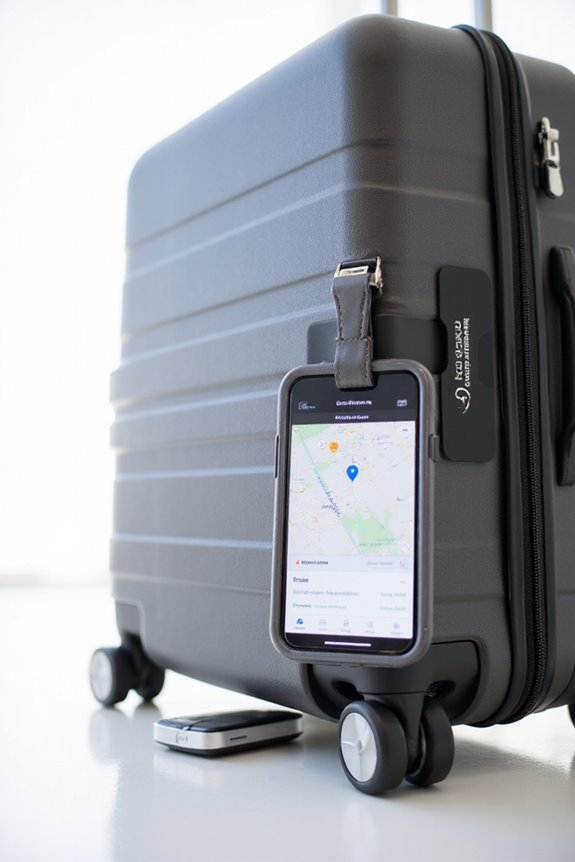
How to Prevent Lost Luggage: Practical Travel Tips

You cannot eliminate the risk of delayed or mishandled luggage, but you can make a bag easier to identify, reduce the impact of a delay, and document a claim quickly. Use clear contact details, keep essential items with you, check the bag tag before leaving the counter, and use the carrier’s current tracking and baggage-reporting process.
Key Takeaways
- Put a visible identifier and an internal contact card on each bag, without exposing more personal information than necessary.
- Use the airline or airport’s current baggage tools, and treat Bluetooth or RFID devices as locating aids rather than guarantees.
- Check the bag tag, destination, flight, and receipt at drop-off, then keep the reference until the trip ends.
- Carry medication, documents, valuables, essential electronics, and a change of clothes in your cabin bag where permitted.
- Report delay, loss, or damage promptly, keep photos and receipts, and follow the carrier’s claim deadlines and instructions.
Use Physical Identification Tags
You may be interested



Use a sturdy tag with your name and a travel contact method, and place a second contact card inside the bag in case the outer tag is damaged. Add a distinctive but non-sensitive marker that helps you recognize the case, and photograph the bag before checking it. Avoid displaying your full home address or information that makes the contents easier to target.
Leverage Digital Tracking Solutions
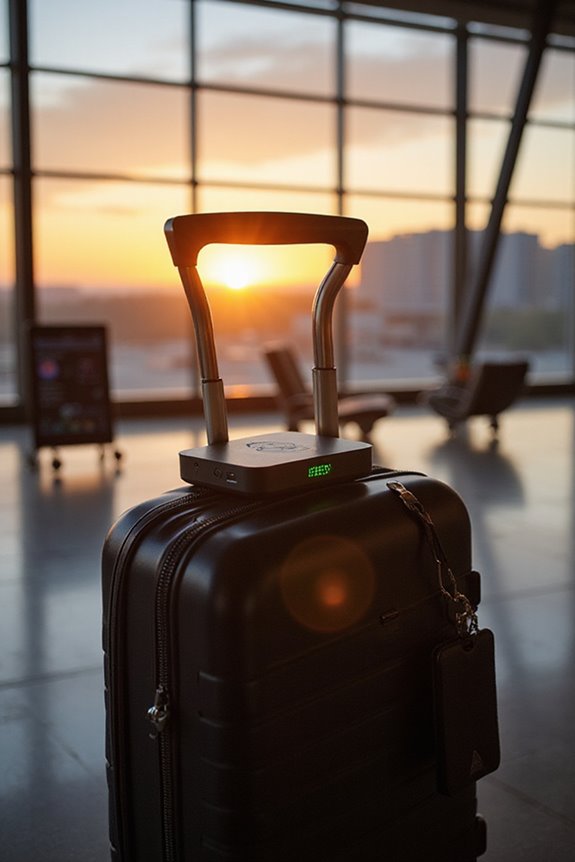
Airline apps and baggage systems may show scan events or status updates, while Bluetooth trackers can help you identify a nearby bag when compatible devices detect it. These tools depend on battery, network, permissions, device compatibility, and carrier procedures; they do not prevent loss or guarantee real-time location. Register and test any tracker before departure, and keep the airline baggage reference as the official claim link.
Optimize Check-In and Drop-Off
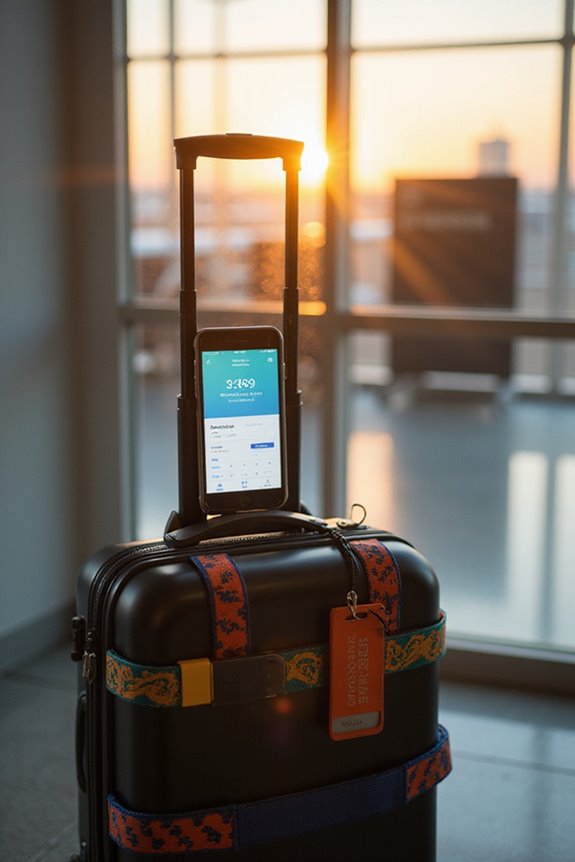
At check-in or bag drop, confirm that the tag shows the correct destination and flight, keep the baggage receipt, and check the bag is accepted by the system before leaving. Allow time for the carrier’s cut-off, use the same name and route details across the booking, and take a photo of the tag or receipt. Keep your hand luggage with you while moving through the airport.
Pack Smart to Minimize Loss Impact
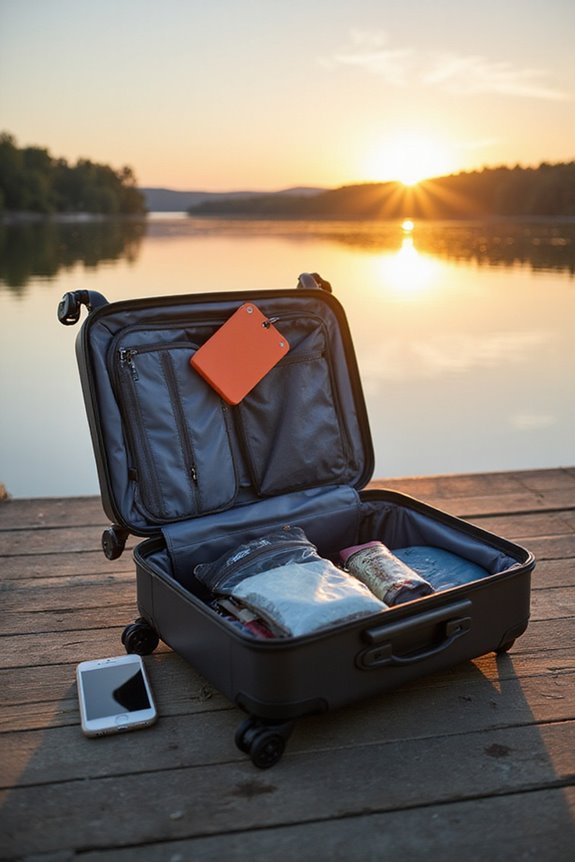
Pack medication, identification, travel documents, keys, valuables, essential electronics, chargers, and one change of clothes in your cabin bag where allowed. Keep copies or secure backups of important information, but protect sensitive data. Packing cubes such as these organizer options can make a delayed-bag kit easier to manage; always follow current airline restrictions for liquids, batteries, and sharp items.
Secure and Protect Luggage During Transit
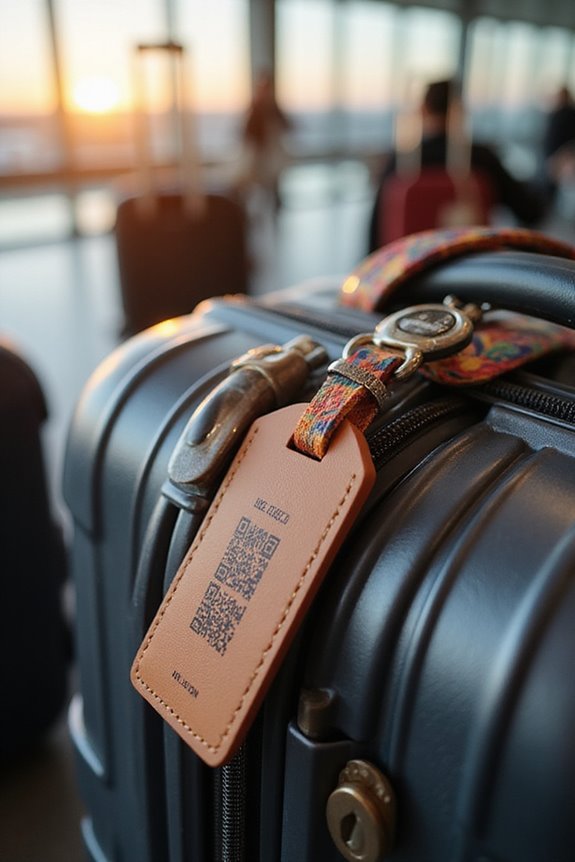
Use a lock or closure permitted by the departure and transit security rules, protect fragile items with suitable packing, and do not place irreplaceable valuables in checked luggage. Keep the bag’s exterior clean and identifiable, and consider insurance only after checking exclusions, documentation, limits, and claim deadlines. Security features can deter casual access but cannot guarantee that a bag will not be opened, delayed, or damaged.
Recommended Products

MOST DURABLE TSA RECOGNIZED AND ACCEPTED TSA LOCK. Forge TSA approved luggage locks are designed from the ground up to be the toughest luggage locks around. Our special alloy lock bodies, tightly braided and sheathed steel cables, hardened steel cable lock ends as well as patented internal mechanisms can take such a pounding that we back our product up with an unconditional lifetime guarantee. If you can find a way to break these locks, we’ll gladly refund or replace them.

Enhanced Security: Puroma luggage lock offers a 4-digit combination that provides 10,000 unique possibilities, making it significantly more secure than normal 3-digit locks. The white numerals on the black dials make it easy to read your code, even in low light conditions.

TSA APPROVED LUGGAGE LOCKS FOR AIRPORT SECURITY & TRAVEL PROTECTION – TSA approved luggage locks allow airport security agents to inspect your luggage without cutting or damaging the lock. Constructed with a durable zinc alloy body and reinforced internal components, these travel locks provide dependable protection for checked luggage, carry-on bags, backpacks, travel bags, suitcases, and personal travel gear during both domestic and international trips.
Frequently Asked Questions
What Should I Do if My Luggage Is Delayed Instead of Lost?
Use the airline’s baggage desk, app, or online reporting process as soon as you know the bag is missing. Keep the report reference, bag tag, itinerary, delivery address, messages, and reasonable receipts for necessary purchases. Check the carrier’s current reimbursement rules and claim deadlines, and do not assume a tracker alert replaces the official report.
Can I File a Claim for Damaged Luggage?
Report damage through the carrier’s required channel as soon as practical, ideally before leaving the baggage area when the airport process allows. Photograph the bag, tag, and damage, keep receipts and proof of value, and review exclusions for wear, overpacking, fragile contents, and late reporting. Travel insurance may apply separately under its current terms.
How Can I Ensure My Luggage Is Not Mistaken for Someone Else’s?
Use a distinctive strap, cover, tag, or non-sensitive marker, and check the bag tag before taking it from the carousel. Confirm the color, size, brand, and any unique marks rather than relying on appearance alone. Remove old tags and labels that could confuse scanners or other travelers.
Are There Specific Airlines Known for Fewer Lost Luggage Incidents?
Performance can change by airline, route, airport, season, connection, and baggage system, so avoid treating an old ranking as a guarantee. Check current carrier policies, transfer arrangements, and reporting procedures, then focus on actions within your control: correct tags, realistic connections, cabin essentials, tracking, and prompt reporting.
What Steps Can I Take if I Have Connecting Flights?
Confirm whether the bag is tagged through or must be collected and rechecked, and allow enough time for the connection and any security or customs process. Keep the baggage receipt, check the tag’s final destination, and avoid an unnecessarily tight connection when alternatives exist. Carry essentials and be ready to report a missing bag at the transfer or arrival point.