As an Amazon Associate, we earn from qualifying purchases. Some links on this site are affiliate links at no extra cost to you. Our recommendations are based on thorough research and editorial judgment.

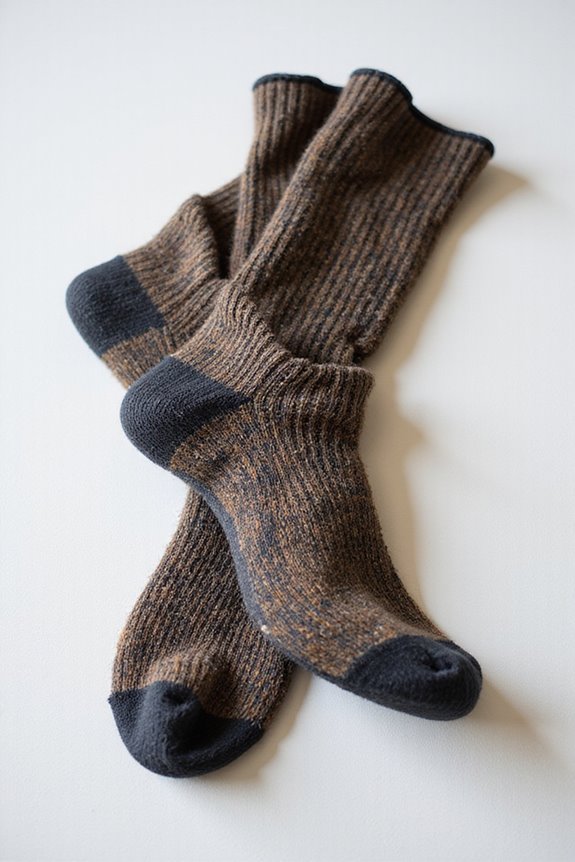
Best Hiking Socks for Cold Weather: How to Choose

The best hiking socks for cold weather help manage warmth, moisture, friction, and fit inside your boots. Compare wool and synthetic blends, cushioning, height, drying needs, and how the socks fit with your footwear. The warmest-looking pair is not always the best choice if it bunches, restricts circulation, or leaves your feet damp.
Key Takeaways
- Match sock weight and cushioning to your boots, activity, weather, and personal warmth needs.
- Choose wool, synthetic, or blended fibers by balancing insulation, moisture management, drying time, and durability.
- Look for a secure, smooth fit without bunching, pressure points, or restricted circulation.
- Check cuff height, arch support, heel and toe reinforcement, and seam placement for your footwear.
- Test socks on shorter outings and carry a dry spare for longer or wetter trips.
Key Features of Cold Weather Hiking Socks
You may be interested


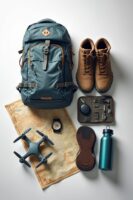
Useful features include cushioning where your boot creates pressure, a smooth toe seam, a secure cuff, and fibers that move moisture away from the skin or dry at a practical speed. Choose a thickness that fills the boot without making it tight. A snug sock can reduce movement and friction, but any numbness, pressure, or coldness is a sign to reassess the fit.
Recommended Products

Premium Merino Wool Blend + Breathable Design – All-Day Freshness: Crafted from 50% Merino wool mixed with tough nylon and polyamide, these hiking socks keep moisture under control and let your feet breathe easy. The breathable mesh helps you stay cool on spring hikes, summer camps, or any mild-weather adventure—no swampy, stuffy feet after hours on the trail

THERMOREGULATING: The hiking socks for men are made from ultra-soft Merino wool blend for comfort and spandex for durability. Featuring thermoregulation that keeps you warm when it's cool in winter and stays cool when it's hot weather in summer, great for all-season wearing.

Full Cushion Comfort: These boot socks offer full cushioning throughout the entire sock, providing exceptional comfort and support. They are ultra-comfortable, with True Seamless technology ensuring an undetectable seam fusion for an ultra-smooth, invisible feel.
Top Brands for Cold Weather Hiking Socks
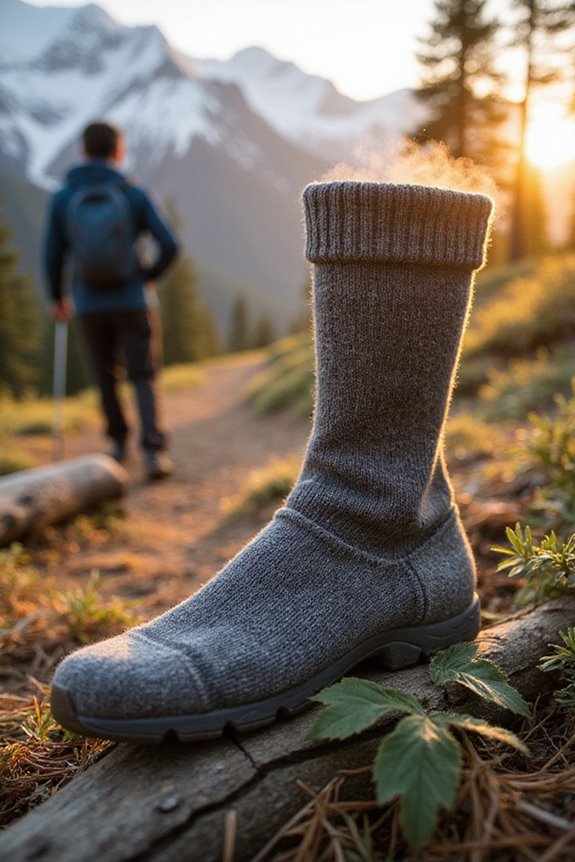
Brand names can be a starting point, but the specific model and fit matter more than the logo. Compare the fiber blend, cushioning map, height, care instructions, return policy, and warranty or replacement terms. Read reviews from hikers using similar boots and conditions, and confirm product details on the current manufacturer page before buying.
Recommended Products

HIGH QUALITY : The womens wool socks for hiking are blend of premium natural wool and cotton. These winter hiking socks for women are heavy, soft, comfortable, breathable, warm, cozy and durable.

MAKE HIKING A COMFORTABLE EXPERIENCE These Merino wool hiking socks are built to provide you with total support and comfort during your hiking trips, no matter the weather. Each pair of these hiking boot socks is ideal for the rugged terrain, allowing these to be great mens or women's hiking socks

[Upgrade and Thicken]: 2.0 times thicker than normal wool socks. The thickened material ensures excellent thermal performance. Each cozy pair of thick socks for men acts like a stove during cold weather, keeping your feet warm and comfortable.
Smartwool vs. Darn Tough: A Comparative Analysis
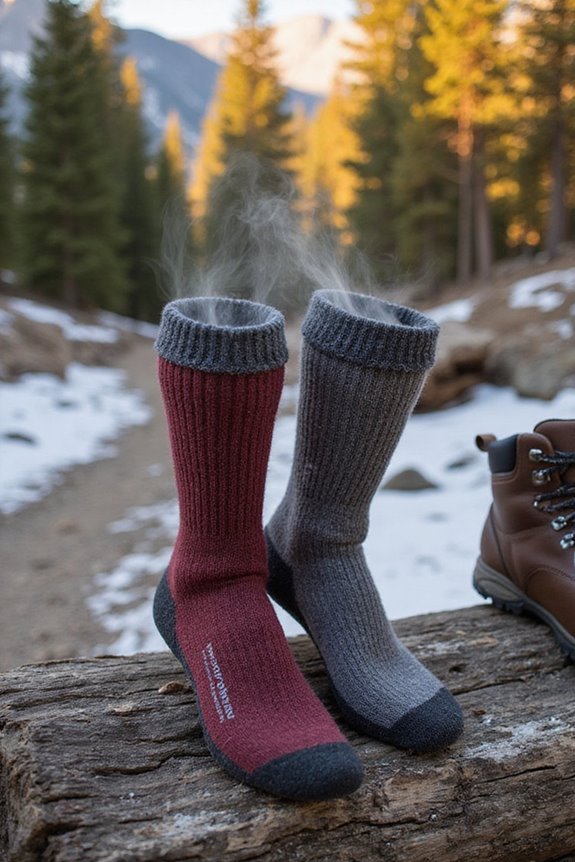
When comparing two sock brands or models, focus on the details that affect your feet: fiber blend, thickness, cushioning, stretch, seam feel, drying time, and boot fit. One may feel softer while another feels more secure or dries faster, but these impressions vary by foot and use. Compare the current specifications and warranty terms, then test the pair before committing to a long winter route.
Recommended Products

【Premium Merino Wool】Made of 70% merino wool, 23% polyester, 5% spandex , 2% nylon, MOGGEI hiking wool socks has better temperature regulation functional to keep feet warm and comfortable.

SELECTED MATERIAL - These womens hiking crew socks made of 70% MERINO WOOL, 23% polyester, 5% spandex , 2% nylon.They can keep the temperature and warm up your feet in cold weather.

【PREMIUM BLEND + TERRY CUSHIONED SOLE - DURABLE COMFORT】 50% Merino Wool + 30% Nylon + 17% Acrylic + 3% Lycra: Merino delivers cloud-like softness (no itch!) + natural moisture control; Nylon + Acrylic boost pill resistance (no fuzz balls!) and reinforce toes/heels; Terry cloth padded sole adds targeted cushioning to prevent blisters from long walks/runs—perfect for high-wear areas (solves US shoppers’ top complaints: discomfort, wear, and pilling!).
In-Depth Look at Smartwool Classic Mountaineer
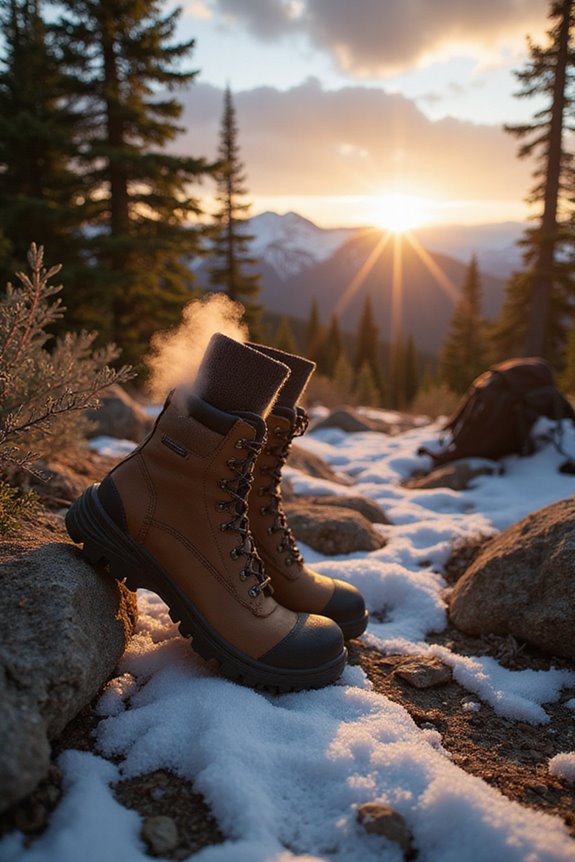
A heavyweight mountaineering sock can provide substantial cushioning and warmth, but it also takes more room in a boot and may dry more slowly. Check the current fiber content, cushioning, seam construction, and care label rather than relying on an older product description. Make sure your boots still have enough room for circulation and movement when the sock is worn.
Recommended Products

Full cushion leg and foot

[Extra Thickness for Unmatched Warmth]: Dive into unparalleled warmth with our wool socks mens, featuring an extraordinary 2.0 times thicker profile compared to regular wool socks. Our substantial thickness guarantees superior thermal performance, ensuring your feet remain snug and toasty even in the most frigid winter conditions. Say goodbye to cold feet with our wool socks.

Comfortable Merino Wool: The innotree hiking socks women with thermoregulating merino wool and sweat wicking ventilation lanes ensure that it's cold and stay cool when it's hot weather, great for all season wearing.
Exploring Darn Tough Options for Cold Weather
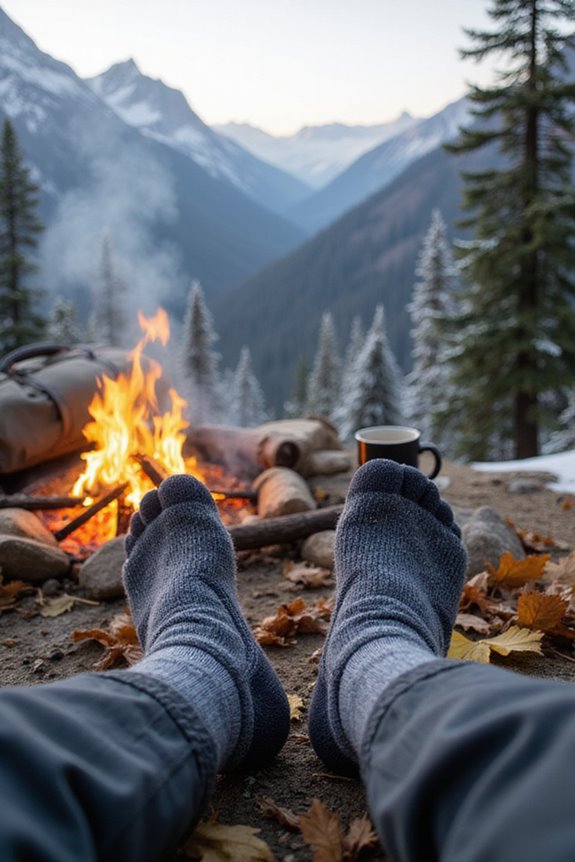
Cold-weather models from a performance sock brand may differ widely in fiber blend, height, cushioning, and fit. Check the exact model’s current specifications and warranty terms, and judge it against your boots and activity. Reinforced zones can support durability, but no sock is immune to abrasion, moisture, poor fit, or misuse.
Recommended Products

THERMAL MERINO WOOL SOCKS: These cold weather socks have been exclusively manufactured with Thermolite technology combined with natural Merino wool. Merino wool is the most Moisture wicking fabric transports sweat away from your body quickly and offer more breathability. Odor-resistant properties keeps smell fresh, dry and breathable while working, hiking, trekking, camping, hunting, ice fishing or playing winter sports

MULTI SIZE: Medium (Men shoe size 7-9/Women shoe size 8-11), Large (Men shoe size 9-12/Women shoe size 11-13), X-Large (Men shoe size 12-14/Women shoe size 13.5-15.5)

This is a three pair pack of over the calf boot socks
Ideal Materials for Cold Weather Hiking Socks
Merino wool can offer warmth and odor management, while synthetic fibers often dry quickly and can add durability. Blends may balance these traits. Alpaca and other natural fibers can feel soft and warm, but performance depends on the full construction, not one fiber alone. Choose materials you can wash, dry, and wear comfortably for the trip, and remember that moisture management also depends on boots, gaiters, pace, and conditions.
Frequently Asked Questions
How Do I Choose the Right Sock Size for Cold Weather Hiking?
Measure your foot according to the brand’s size chart and try the socks with the boots you will wear. The heel should stay in place, the toe area should lie flat, and the cuff should not pinch. Check for extra pressure when standing, walking downhill, or wearing a liner, and size for comfort rather than assuming a thicker sock needs a larger size.
Can I Wear Two Pairs of Socks for Added Warmth?
You can layer socks if the combined fit leaves room for circulation and does not create wrinkles or pressure points. A thin liner may help manage friction for some hikers, but extra layers can make boots tight and feet sweatier. Test the combination at home and stop if toes feel numb, cold, or compressed.
How Often Should I Replace My Hiking Socks?
Replace hiking socks when they develop holes, thinning, stretched cuffs, persistent compression, rough seams, or no longer manage moisture comfortably. The timing depends on material, washing, terrain, and frequency of use. Inspect them before a cold-weather trip rather than relying on a fixed calendar.
Are There Special Care Instructions for Cold Weather Hiking Socks?
Follow the care label for the fiber blend. Wash gently, avoid products that damage elasticity or wicking finishes, and dry thoroughly before storage. Do not use high heat unless the manufacturer allows it. Rotate pairs during multi-day trips so damp socks have time to dry.
What Features Should I Look for in Hiking Socks for Extreme Cold?
Look for insulation appropriate to the conditions, enough cushioning for the boot, a secure fit, and materials that manage moisture. Pair socks with boots that allow circulation and with gaiters or waterproof footwear when conditions require them. For extreme cold, plan a dry spare, protect your feet from moisture, and monitor for numbness or cold injury.