As an Amazon Associate, we earn from qualifying purchases. Some links on this site are affiliate links at no extra cost to you. Our recommendations are based on thorough research and editorial judgment.

Best Camping Foods: Easy, Safe Meal Ideas

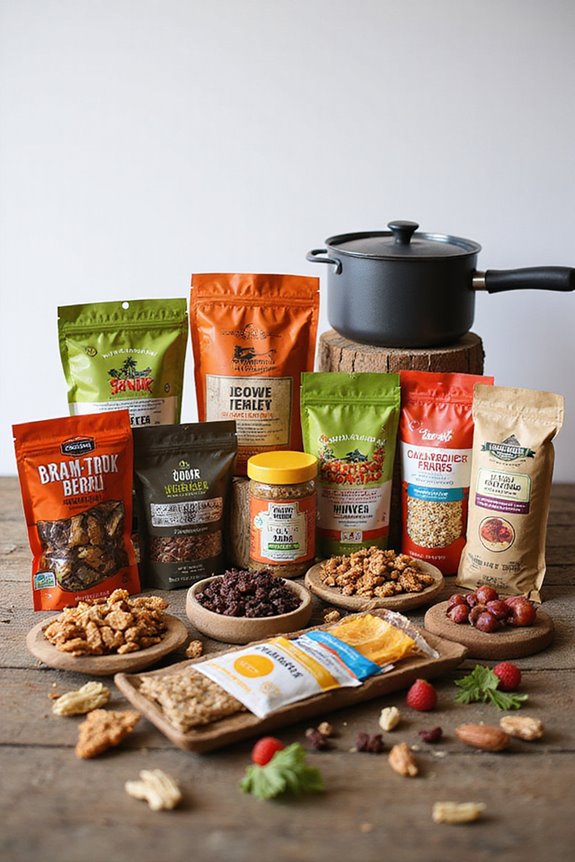
The best camping foods are practical, easy to pack, and suited to the way you plan to cook. Shelf-stable options such as canned fish, beans, oats, nuts, and jerky work well for no-cook meals and trail snacks. If you bring perishable ingredients, plan for a properly chilled cooler and use them first. A little meal planning helps you enjoy satisfying food without adding unnecessary weight, waste, or food-safety risk.
Key Takeaways
- Choose shelf-stable foods for simple meals when refrigeration or cooking equipment is limited.
- Pack a mix of filling meals, trail snacks, and safe drinking water for the route and campsite.
- Use a cooler, ice or frozen cold sources, and a food thermometer when carrying perishables or cooking meat.
- Prepare ingredients at home, pack realistic portions, and plan how food waste will be carried out.
- Store food, drinks, trash, and scented items according to the rules for the campsite or land manager.
Canned Meats for Convenience
You may be interested
Canned tuna, chicken, salmon, and beans can simplify camping meals because they are ready to use and do not need refrigeration until opened. Check the label, pack a reliable can opener, and choose smaller portions when practical. Mix canned fish or chicken with crackers, wraps, rice, or vegetables for a quick meal. Once opened, treat leftovers as perishable: keep them chilled and follow the product’s storage instructions rather than assuming the can’s shelf life still applies.
Recommended Products

PROTEIN POWERED SNACK PACK: Original chicken salad with crackers makes the perfect protein snack to help you stay satisfied on the run. Contains 10g of protein per serving.

One (1) 4.5 oz can of Swanson White Premium Chunk Canned Chicken Breast in Water

PROTEIN POWERED SNACK PACK: Original chicken salad with crackers makes the perfect protein snack to help you stay satisfied on the run. Contains 10g of protein per serving.
Protein-Packed Snacks

Good camping snacks should travel well and be easy to eat during a break. Jerky, nuts, seeds, roasted chickpeas, and protein bars are convenient options, while hard cheese or other perishable snacks belong in a well-chilled cooler. Check ingredient labels for allergens, sugar, and dietary restrictions, and choose snacks that match the activity, weather, and available water. Pack single portions when possible to reduce crumbs and leftovers on the trail.
Recommended Products
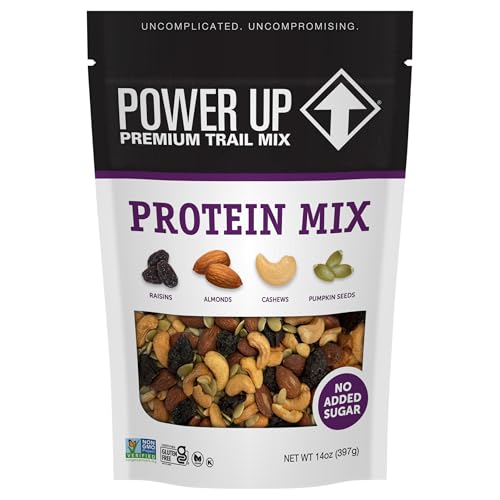
Protein is an essential part of muscle tissue formation, strengthens the immune system, and keeps you fuller longer. Made from only the finest, quality ingredients, our all natural Protein Packed Fruit & Nut Mix makes a great pre or post- workout snack as well as a delicious part of a daily "weight smart" diet.

Get energy on the go with these delicious snackable protein energy bites made with simple, no artificial ingredients
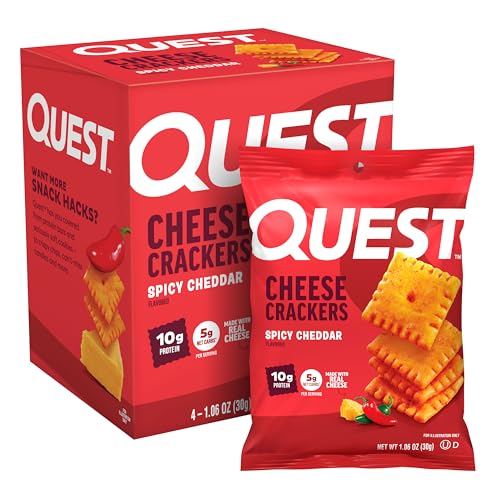
HACK YOUR SNACK.Quest Spicy Cheddar Flavored Cheese Crackers are bursting with real cheese flavor for the ultimate cheesy, spicy snack. And with 5g of net carbs, 1g of sugar, and 5g of fiber per serving* they bring the boldly cheesy taste and perfectly crunchy texture that keeps you reaching for more
Nutritious Breakfast Options

Make breakfast easier by preparing dry ingredients at home. Overnight oats, instant oatmeal, chia pudding made with a safe liquid, nut butter, and shelf-stable milk can work when the plan supports them. Yogurt, eggs, and avocado need reliable cold storage, so use them early and follow the storage directions on the package. Keep breakfast simple enough to prepare with the water, fuel, cookware, and cleanup system available at camp.
Recommended Products

Camping Cookware Set: Made for backpacking, scouting, and on-the-go meals, this camping cooking set includes a plate, bowl, cup, 2-piece Switch Spork camping utensil set, and a tether

Yumi Organics Organic Overnight Oats Starter Kit, 7.05 OZ

ZERO MORNING PREP - Mix one pack of Oats Overnight with your choice of milk or milk alternative the night before and place in the fridge so you can grab and go in the morning. Ditch the spoon and enjoy this premium oatmeal directly from the shaker bottle (included), perfect for your morning commute.
Hydrating Non-Refrigerated Drinks

Pack enough safe drinking water for the route, cooking, and cleanup, and treat water from streams or lakes unless it has been properly treated. Shelf-stable water, drink powders, tea bags, and single-serve beverages are easy to pack. Electrolyte drinks can be useful during prolonged or strenuous activity, but they are not a substitute for water and do not suit every person or diet. Read labels, protect drinks from heat, and follow local guidance for water treatment.
Recommended Products

TASTE OF THE TROPICS | Not long ago you needed a ladder and a machete to get great-tasting coconut water. Now all you have to do is crack open a Vita Coco.

SCIENTIFICALLY FORMULATED ELECTROLYTE DRINK: Electrolit’s formula offers an optimal balance of electrolytes to help support dehydration. Magnesium, Sodium, Potassium, and Calcium work together to help you hydrate faster.

BODYARMOR Lyte Sports Drink is a low-calorie sports drink made with coconut water to make staying hydrated delicious
Easy Meal Solutions

One-pot meals, foil packets, pasta, rice, beans, soup, and pre-chopped vegetables can keep campsite cooking manageable. Do as much preparation as possible at home, pack ingredients in leakproof containers, and measure portions before leaving. Keep raw ingredients separate from ready-to-eat food, use clean utensils, and follow the fire restrictions and cooking rules for the site. Choose meals that fit your fuel, cookware, time, and cleanup capacity.
Satisfying Snacks and Extras
Trail mix, granola, dried fruit, pretzels, popcorn, nut butter, and energy bars are easy extras for between meals. Include a few options with different textures and flavors so the group has a choice, but avoid packing more than the itinerary requires. Keep wrappers and crumbs contained, especially in areas with wildlife restrictions, and take all food waste with you.
Storage and Preparation Tips
Separate shelf-stable foods from perishables before packing. Keep perishable food in a closed cooler with enough ice or frozen cold sources to maintain a safe temperature, and use a thermometer when possible. Keep raw meat below or apart from ready-to-eat food, wash hands or use an appropriate backup when soap and water are unavailable, and clean utensils between tasks. At camp, keep food and scented items sealed and unattended food out of reach of wildlife; follow the local land manager’s storage rules.
Tips for Cooking Over a Campfire
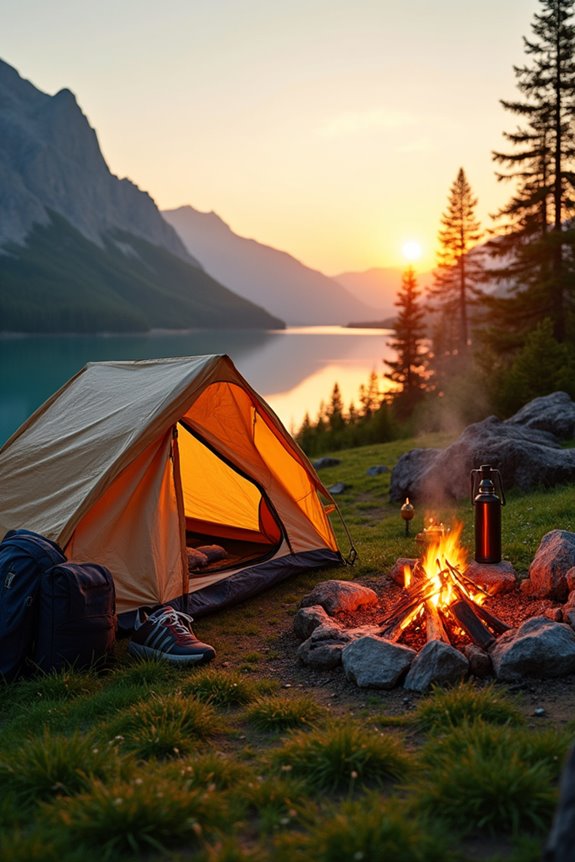
Before cooking over a campfire, check whether fires are allowed and keep the fire supervised. Foil packets, a grate, skewers, and a Dutch oven can support simple meals, but raw meat and poultry require careful handling and thorough cooking. Use separate utensils for raw and cooked food, keep hot cookware stable, and extinguish the fire completely when finished. A stove may be the better choice when conditions, restrictions, or campsite design make an open fire unsuitable.
Essential Camping Food Items
A flexible camping food list can include oats, rice, pasta, tortillas, canned fish or beans, nut butter, trail snacks, seasonings, and safe drinking water. Add fresh produce or refrigerated foods only when your cooler can keep them cold for the planned time. Bring the cookware, fuel, utensils, opener, soap or cleaning supplies, and waste bags needed for the menu. Match the quantity to the group and route so meals remain practical and food waste stays low.
Recommended Products
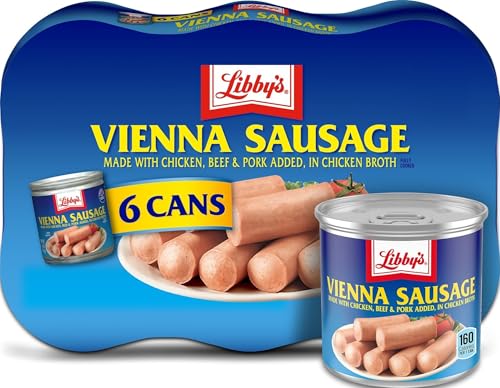
Shelf stable bulk supply of 6-4.6 oz. cans of Libby's Vienna Sausage in Chicken Broth, no refrigeration needed

PREMIUM CANNED BACON:– Enjoy high-quality, fully cooked bacon with rich, smoky flavor. Perfect for emergency preparedness, camping, hiking, and everyday meals.
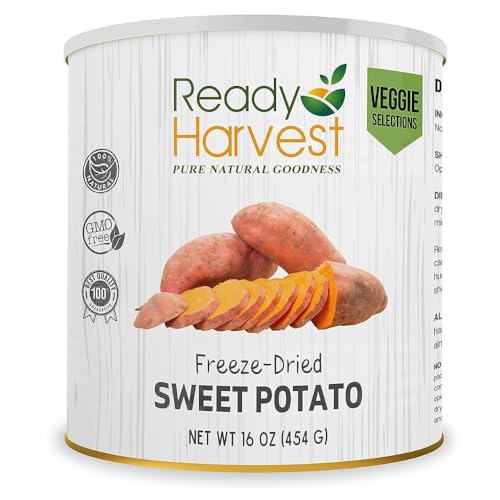
EMERGENCY FOOD SUPPLY: Dried sweet potato packs have a long shelf life, making them ideal for disaster preparedness and situations where fresh sweet potatoes may not be readily available.
Frequently Asked Questions
How Do I Choose the Right Camping Food for Dietary Restrictions?
Start with the person’s dietary pattern, allergies, medical needs, and tolerance for cross-contact. Read every label, choose familiar foods, pack separate utensils when needed, and bring a simple backup meal. If a restriction is medically important, verify ingredient and allergen information before the trip rather than relying on a product’s general marketing.
What Are Some Camping Food Ideas for Kids?
Keep children’s meals familiar and easy to handle: oatmeal, tortillas with a suitable filling, pasta, fruit, applesauce, crackers, trail mix without allergy triggers, or simple foil-packet ingredients can work well. Check the campsite setup for choking and burn hazards, supervise children around cooking areas, and account for allergies and individual preferences.
How Can I Minimize Food Waste While Camping?
Plan meals and portions before shopping, use ingredients across more than one meal, and pack only what the itinerary supports. Pre-portion snacks, choose shelf-stable foods when they fit the plan, and carry reusable containers for leftovers. Pack out food scraps, wrappers, and cooking water as required, and never feed wildlife.
Are There Vegan or Vegetarian Camping Food Options Available?
Yes. Shelf-stable options include beans, lentils, chickpeas, nut and seed butters, nuts, seeds, oats, tortillas, dehydrated vegetables, and plant-based meals that fit the trip’s storage and cooking setup. Check labels for allergens and ingredients, and plan enough variety for the group. Refrigerated plant-based foods still need the same cooler and temperature planning as other perishables.
How Do I Safely Store Food to Avoid Attracting Wildlife?
Never leave food, drinks, trash, or scented items unattended. Seal them in suitable containers and use the food locker, vehicle, bear-resistant container, bear box, cable, or other method required by the local campground or land manager. Rules vary by location, so check them before departure. Keep the cooking area clean, do not feed wildlife, and store food before sleeping or leaving camp.