As an Amazon Associate, we earn from qualifying purchases. Some links on this site are affiliate links at no extra cost to you. Our recommendations are based on thorough research and editorial judgment.

Best Outdoor Activities for Seniors: Safe, Enjoyable Ideas

The best outdoor activity is one that feels enjoyable, accessible, and realistic for the person taking part. Walking, gardening, low-impact games, accessible nature visits, markets, concerts, and community volunteering can all provide time outside and social connection. Start at a comfortable level, adapt the activity to mobility and health needs, and check with a clinician or physical therapist when a new activity raises concerns.
Key Takeaways
- Choose activities by interest, mobility, balance, weather tolerance, and access—not age stereotypes.
- Begin at a comfortable pace and add duration or difficulty gradually when it feels appropriate.
- Use supportive footwear, mobility aids, shade, water, and rest options suited to the activity.
- Look for accessible parks, adaptive programs, walking groups, and community events.
- Plan for weather, transport, companions, medication needs, and a simple way to contact help.
Walking and Jogging: The Most Accessible Activities
You may be interested


Walking is easy to scale: choose a smooth route, vary the pace, add seated breaks, or use a walking aid when recommended. Jogging is optional and may not suit every person or surface; brisk walking, intervals, or another low-impact activity can provide a similar sense of routine without forcing impact. Wear visible, comfortable footwear, check the route, and stop for pain, dizziness, unusual breathlessness, or loss of balance.
The Joy of Gardening and Outdoor Maintenance
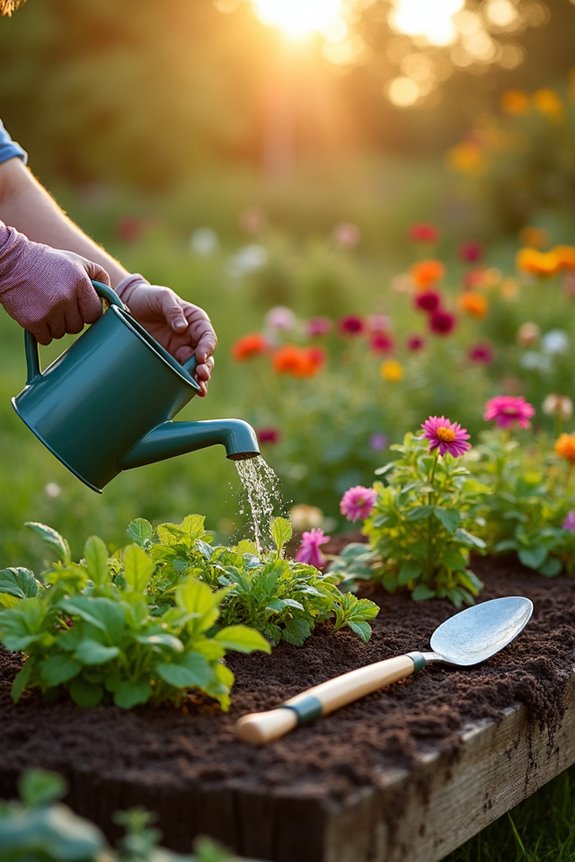
Gardening can be adapted with raised beds, containers, lightweight tools, a stable seat, and shorter work periods. Keep paths clear, avoid lifting beyond your ability, change position regularly, and protect hands and skin. A community garden can add company, but make sure there is safe access, seating, shade, and a way to stop when the weather or fatigue becomes uncomfortable.
Engaging in Sports: Golf, Bocce, and More
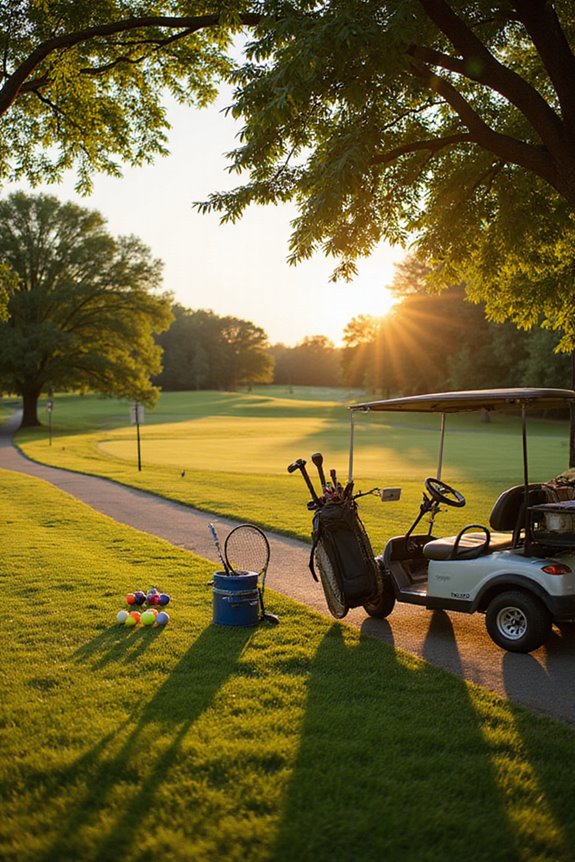
Golf, bocce, lawn games, and adaptive sports can combine movement with social time. Choose equipment, rules, distances, and surfaces that match the participant’s balance, grip, vision, and mobility. Ask local programs about adaptive options, accessible facilities, seating, and trained staff. Warm up in a comfortable way, take breaks, and avoid treating competition as a reason to ignore symptoms.
Low-Impact Exercise With Equipment
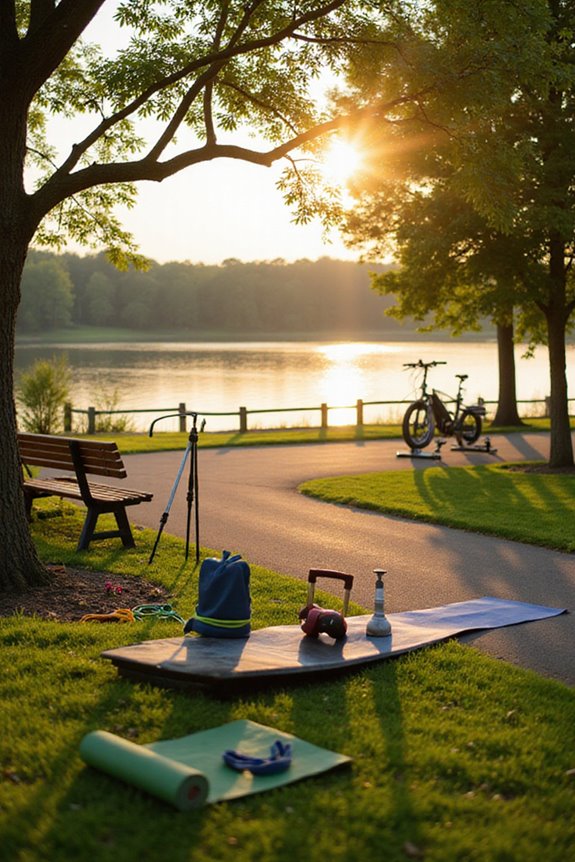
Equipment can make activity more comfortable, but it should support—not replace—good instruction and fit. Recumbent bikes, resistance bands, light weights, and other low-impact options vary in setup and suitability. Follow the manufacturer’s instructions, use stable support, keep the area clear, and ask a clinician or qualified professional for advice if pain, balance, or a medical condition affects exercise choices.
Exploring Nature: Hiking and Biking
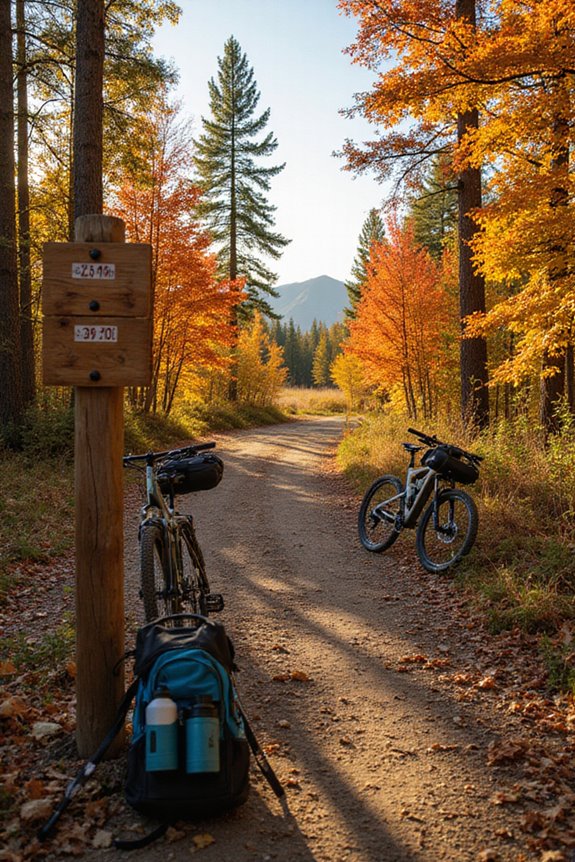
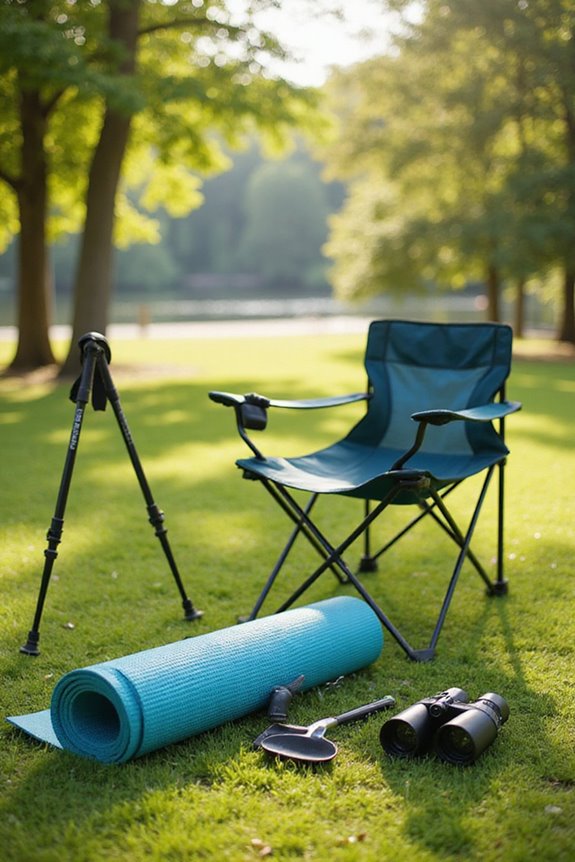
Exploring the great outdoors through hiking and biking offers seniors an invigorating way to stay active while soaking up the beauty of nature. Many seniors find joy in capturing stunning landscapes through nature photography, making each hike or ride an opportunity for artistic expression. With trails catering to various fitness levels, seniors can choose routes that suit their abilities, ensuring a safer experience. It’s important to remember trail etiquette, like yielding to fellow hikers or bikers and respecting nature. By engaging in these activities, seniors not only improve their physical fitness but also boost mental well-being, reducing stress and enhancing cognitive function. So, lace up those hiking boots or hop on that bike—adventure awaits!
Recommended Products
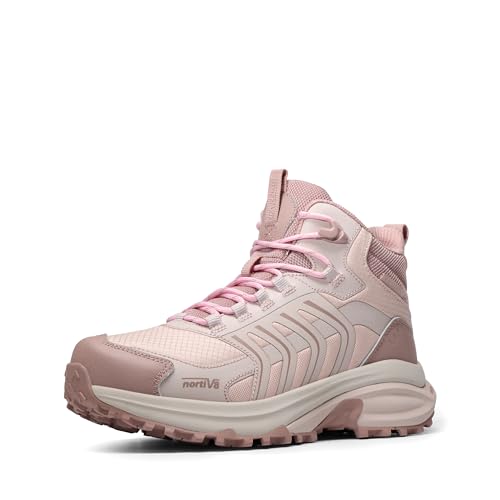
4-IN-1 Rebound Tech: Featuring innovative 4-in-1 rebound tech, NORTIV 8 hiking boots for women are engineered with the supercritical foam insole for step-in softness, a Strobel insole for sustained cushioning, and a dual-density EVA midsole that enhances shock absorption, providing energy return and lasting support for hikes.
Socializing at Farmers’ Markets
Farmers’ markets can provide a gentle reason to get outside and connect with neighbors. Check the surface, seating, shade, restroom access, parking, and opening hours before visiting. Go at a quieter time if crowds are tiring, bring a companion when useful, and plan how purchases will be carried safely.
Enjoying Outdoor Concerts and Events
Outdoor concerts and community events offer social connection without requiring a strenuous workout. Check seating, accessible entrances, restrooms, transport, noise, shade, weather policy, and exit routes. Carry hearing or vision aids, medication as prescribed, and weather-appropriate layers. Leave or seek help if heat, cold, crowding, or symptoms become uncomfortable.
Group Activities and Community Involvement
Walking groups, gardening clubs, park cleanups, and volunteer programs can make outdoor time easier to maintain because the social plan is already in place. Ask about pace, distance, rest opportunities, accessibility, cost, transport, and who to contact if you need assistance. Choose groups that respect different abilities and do not pressure members to continue beyond their limits.
Seasonal Outdoor Adventures for Seniors
Let the season shape the activity and the safety plan. In warm weather, favor shade, cooler times, rest, and weather awareness; in cold or wet conditions, prioritize traction, dry layers, daylight, and a clear route home. Gardening, photography, accessible walks, indoor-outdoor community events, and short outings can all be adjusted to the conditions.
Frequently Asked Questions
How can older adults find local walking groups?
Ask community centers, libraries, parks departments, senior organizations, healthcare networks, and local recreation programs. Before joining, ask about pace, distance, terrain, breaks, accessibility, transport, weather cancellations, and emergency contacts.
What safety tips help with outdoor gardening?
Use stable paths, suitable tools, shade, gloves, and a seat when needed. Break tasks into manageable periods, avoid unsafe lifting or reaching, and keep water and a phone nearby. Stop if you feel unwell, dizzy, or unusually tired.
Which outdoor activities can be adapted for mobility limitations?
Accessible walks, container gardening, seated games, nature centers, adaptive sports, markets, and outdoor events may work well when the route and facilities match the person’s needs. Check surfaces, slopes, seating, restrooms, transport, and assistance options in advance.
How can older adults stay motivated?
Choose an activity that is enjoyable, schedule it with a friend or group, keep the first goal manageable, and vary the setting. Track how the activity feels rather than chasing a fixed number. A clinician can help tailor activity when health or mobility concerns affect consistency.
What equipment may improve outdoor activity safety?
Depending on the activity, useful items may include supportive footwear, a properly fitted mobility aid, walking poles, sun or weather protection, water, a phone, and a small first-aid kit. Equipment should be fitted and used as intended; ask a qualified professional when balance or mobility is a concern.