As an Amazon Associate, we earn from qualifying purchases. Some links on this site are affiliate links at no extra cost to you. Our recommendations are based on thorough research and editorial judgment.

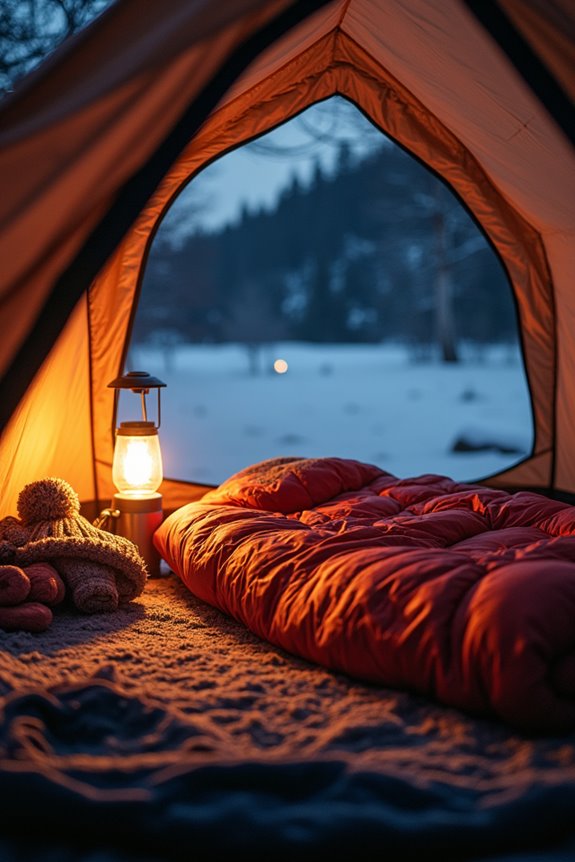
How to Stay Warm in a Tent Overnight

Staying warm in a tent overnight is mostly a sleep-system and moisture-management problem. Insulate yourself from the ground, choose a sleeping bag and pad suited to the forecast, keep clothing dry, and select a protected site without creating new hazards. Never use a stove, lantern, fuel-burning heater, or other combustion device inside a tent because carbon monoxide and fire can be fatal.
Key Takeaways
- Prioritize the sleeping pad and ground insulation because cold ground can draw heat away quickly.
- Use a sleeping bag or quilt with a temperature rating appropriate to the forecast and your setup.
- Keep base layers, socks, and insulation dry; adjust layers before sweating or chilling.
- Choose a dry, level, wind-aware site while respecting flood, avalanche, falling-tree, and local hazards.
- Ventilate the tent and avoid all fuel-burning appliances inside or near the sleeping space.
Ground Insulation Techniques
You may be interested


Start with a suitable sleeping pad rather than improvised leaves, hay, loose blankets, or materials that can become damp, unstable, or unsafe. Compare the pad’s insulation information, thickness, comfort, and fit with your sleeping bag and body size. A closed-cell foam pad can add backup insulation beneath another pad when conditions and pack space allow. Use a footprint or groundsheet under the tent as directed, but do not place wet materials inside the shelter.
Tent Wall and Roof Insulation
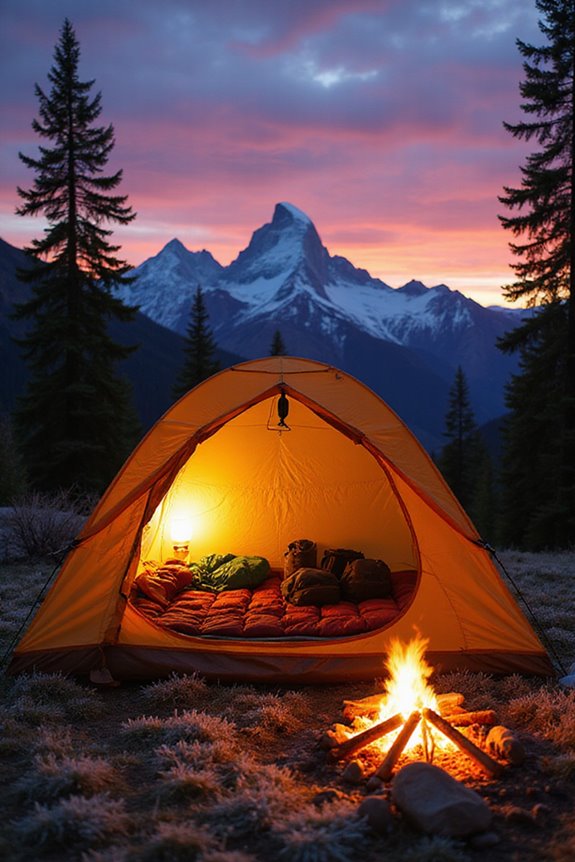
Do not line a tent with foil, blankets, or improvised panels unless the manufacturer specifically supports the setup. Added materials can block ventilation, increase condensation, damage fabric, or create a fire risk. A properly sized tent, intact rainfly, correctly tensioned guylines, and a well-matched sleeping system are usually more reliable. Ventilate enough to manage moisture while keeping the sleeping bag and clothing dry.
Personal Insulation and Clothing Choices
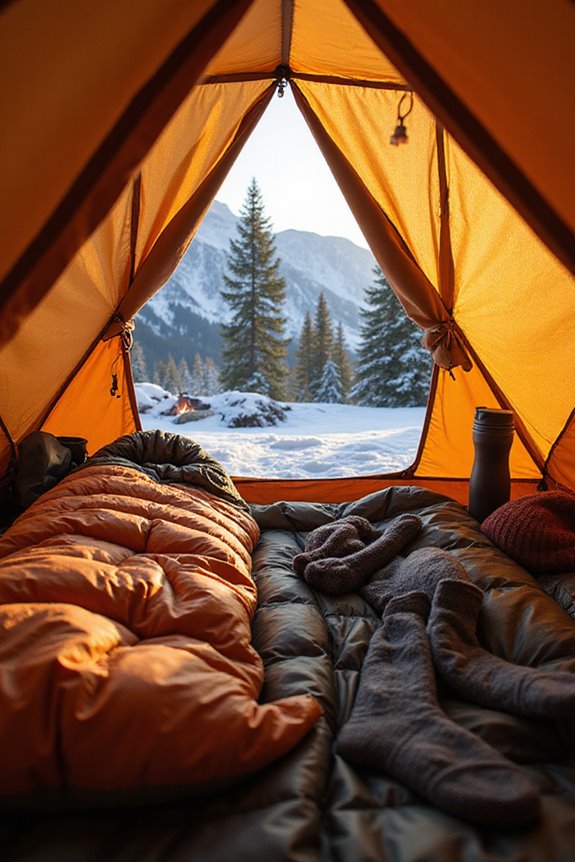
Keeping warm in a tent isn’t just about how well the walls are insulated; what you wear plays a huge role, too. The right clothing choices can make a world of difference. Thermal base layers, like those made from cozy merino wool, trap heat close to the body, while insulated mid-layers, such as a snuggly fleece jacket, add an extra layer of warmth. Don’t forget waterproof outerwear to fend off those pesky elements! Hats and gloves are essential, too; they prevent heat from escaping from your head and hands. And, of course, warm socks are a must—cold feet can ruin a good night’s sleep. Layering is key, allowing for adjustments as the night progresses, ensuring comfort throughout.
Site Selection and Wind Protection Strategies
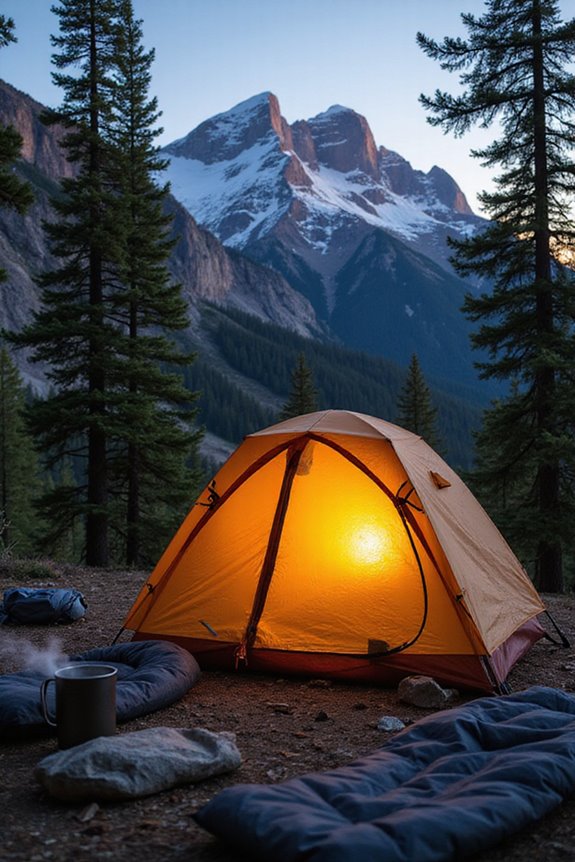
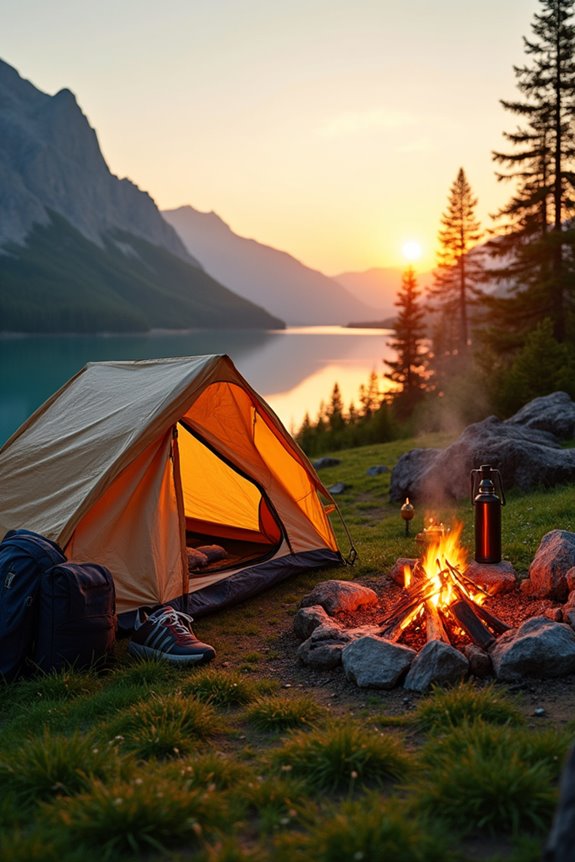
Selecting the right spot for a tent can make all the difference between a cozy night under the stars and a shivering, sleepless struggle against the elements. First off, find a level, dry terrain, steering clear of any rocks or debris; nobody wants to wake up with a sore back! Look for natural wind barriers like trees or boulders to shield your tent from those unexpected gusts. When considering tent orientation, position the narrow end into the wind, reducing pressure on the structure. And remember, keep those tent entrances away from the wind to avoid a chilly draft. If nature isn’t cooperating, you can always create your own wind barriers with stacked branches or tarps. Your comfort depends on it! Additionally, consider using a water resistance rating for your tent to ensure it can withstand any unexpected weather changes that may occur during your trip.
Heat Reflection and Body Heat Retention Methods
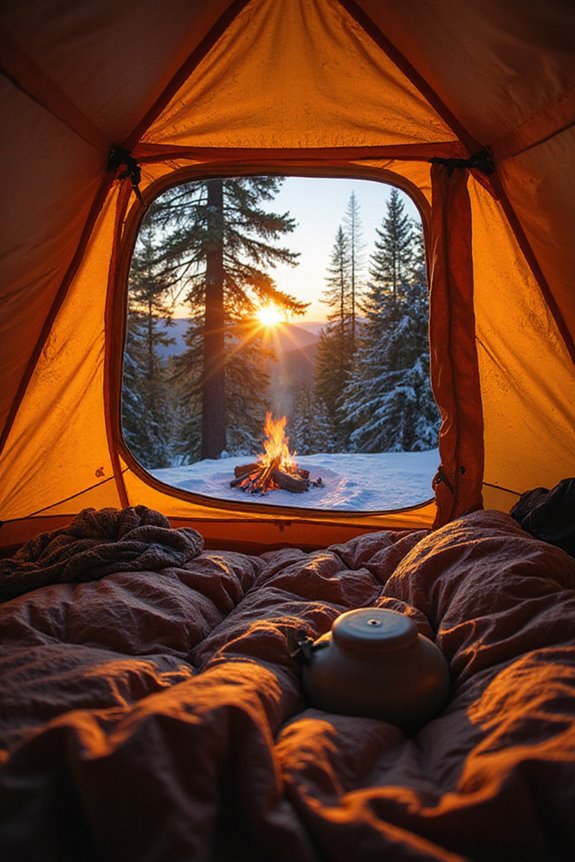
When it comes to staying warm in a tent overnight, the art of heat reflection and body heat retention plays an important role in transforming a chilly night into a cozy retreat. Using reflective materials, like Mylar or aluminum foil, can greatly enhance heat retention. These materials reflect your body heat back into the tent, creating a snug atmosphere. Placing thermal blankets between the tent fabric and rainfly adds an extra layer of insulation. To maximize warmth, layering is key—moisture-wicking base layers keep you dry, while insulating fleeces trap heat close to your skin. Remember, minimizing gaps is crucial; even a slight draft can steal your warmth. With the right techniques, those cold nights can turn into delightful experiences. Additionally, using a tent equipped with gear loft compatibility allows for better organization of warm clothing and gear, ensuring easy access to items that can help you stay cozy throughout the night.
Additional Tips for Thermal Comfort
Check the sleeping bag and pad before the trip, confirm that the forecast is within their intended use, and pack a dry backup layer. Keep batteries and moisture-sensitive items according to the manufacturer’s guidance. If you become uncontrollably cold, confused, unusually drowsy, or unable to warm up, leave the tent safely, contact your group or emergency services, and treat the situation as a potential cold injury rather than simply adding another blanket.
Frequently Asked Questions
What should I consider when buying a cold-weather sleeping bag?
Compare the bag’s published temperature rating, insulation type, fit, shape, draft features, and moisture handling with the lowest conditions you expect. Treat ratings as a comparison tool, not a promise that every sleeper will feel equally warm. A suitable sleeping pad is part of the overall system.
How should I layer clothing for warmth?
Start with dry moisture-managing layers, add insulation, and use a weather layer when needed. Adjust before sweating, keep a dry sleep set separate, and avoid compressing your sleeping bag with excessive clothing. The correct combination depends on the weather, activity, fit, and individual comfort.
Can I use a regular blanket for camping?
A regular blanket may add comfort in dry, mild conditions, but it is not a substitute for a sleeping bag and insulated pad designed for the forecast. Bulky blankets can absorb moisture and provide uncertain insulation. Use the manufacturer’s guidance and keep bedding dry.
What sleeping-pad material works best in cold conditions?
Closed-cell foam, self-inflating, and air pads can all work when their insulation information, durability, and fit match the conditions. Compare the pad’s published insulation value and combine pads only as recommended by the manufacturer. Check for leaks or damage before departure.
How do I choose a campsite for cold-weather camping?
Look for a legal, level, dry location protected from avoidable wind but clear of flood channels, avalanche terrain, falling trees, rockfall, and other local hazards. Check current weather and land guidance, and be prepared to change plans when conditions are unsafe.