As an Amazon Associate, we earn from qualifying purchases. Some links on this site are affiliate links at no extra cost to you. Our recommendations are based on thorough research and editorial judgment.

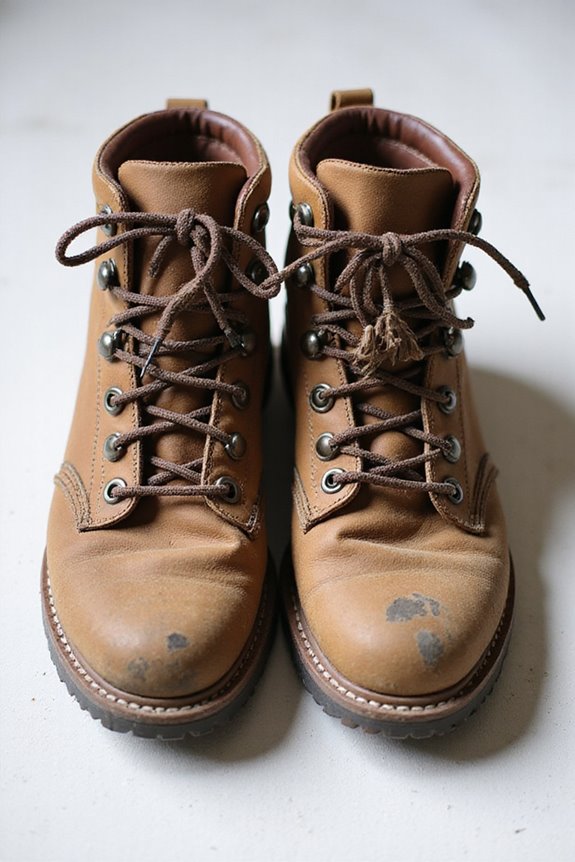
Signs of Wear on Hiking Boots

Inspect hiking boots before a demanding hike for shape changes, collar or upper damage, worn insoles, sole and midsole wear, waterproofing loss, loose hardware, and fit problems. The decision to repair or replace depends on the damage, boot construction, intended terrain, and whether the boot still feels stable and comfortable under load.
Key Takeaways
- Look for collapsed or misshapen toe boxes, heels, midsoles, or uppers that change fit, support, or stability.
- Inspect ankle collars, padding, seams, bonding, hooks, laces, and eyelets for damage or movement.
- Remove and examine insoles for flattening, cracks, odor, moisture damage, or loss of support.
- Check outsole lugs, smooth areas, uneven wear, separation, midsole compression, and damaged toe or heel edges.
- Compare repair cost and reliability with replacement, and do not trust a boot for a remote route when structural damage or persistent fit problems remain.
Misshapen Boots and Stability Issues
You may be interested


Have you ever noticed how a well-worn pair of hiking boots can start to look a little, well, misshapen? This deformation often occurs due to repeated flexing and compression on rugged trails. Boot deformation causes like material breakdown can lead to collapsed areas in the toe box or heel, affecting foot positioning. The stability impact is significant, as misshapen boots struggle to evenly distribute pressure, changing foot placement and stability on uneven ground. Imagine hiking with your foot sliding inside the boot—ouch! This internal movement can cause blisters and fatigue, making every step feel like a chore. If those boots have lost their shape, it might be time to contemplate a new pair to keep your adventures safe and comfortable.
Ankle Collar and Upper Support Deterioration
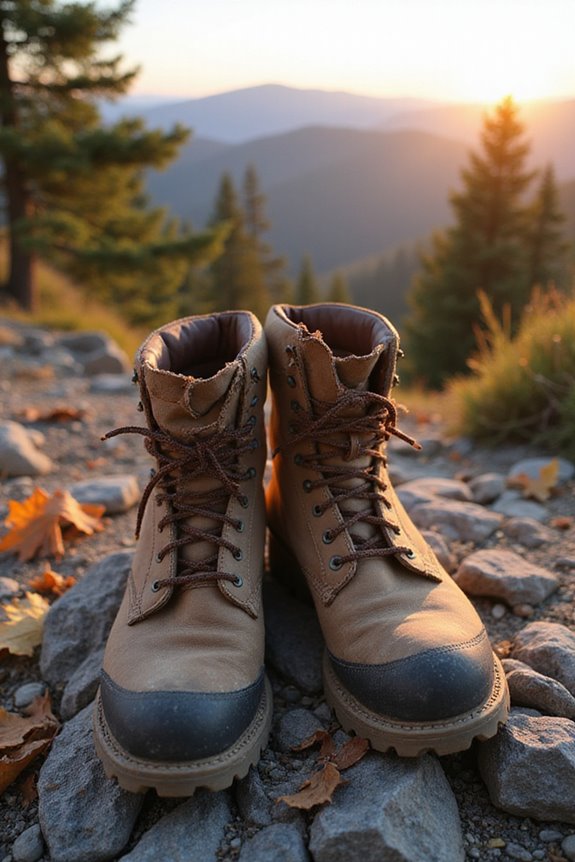
As hiking enthusiasts know, the adventure doesn’t stop at lacing up those boots; it continues into the heart of the wilderness, where each step brings its own challenges. One often overlooked aspect is ankle collar wear, which can lead to upper support degradation. Cracks or abrasions in the collar can signal trouble, while worn padding flattens, robbing hikers of comfort and protection. A deformed collar might feel like a loose hug—unreliable and risky. Frayed seams and weakened bonding can further expose feet to the elements, compromising safety. When the ankle collar loses its shape and support, it not only can reduce comfort and confidence on uneven ground but can also turn a fun hike into a painful experience. Time for a boot upgrade? Absolutely!
Insole Condition and Comfort
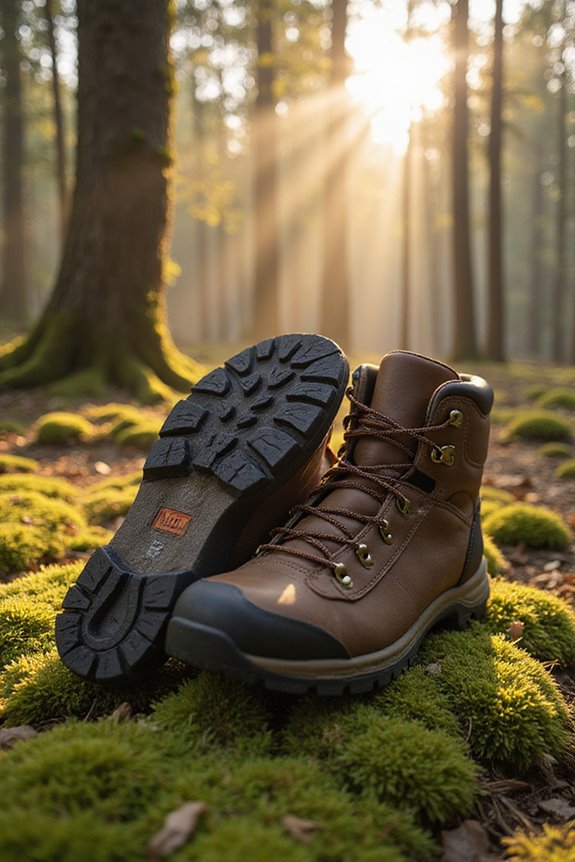
While hiking boots might seem sturdy enough to tackle rugged trails, the condition of the insoles can make or break the experience. Regular insole inspection is key; cracks, pits, or faded markings signal heavy use. Worn insoles lead to a serious lack of arch support, resulting in discomfort that can turn a beautiful hike into a painful ordeal. Imagine your feet sliding around, creating blisters as you struggle against the terrain. If the cushioning has vanished, it’s time for a change. Custom insoles can make a world of difference, snugly fitting your foot and providing the support you need. So, before you head out on your next adventure, check those insoles—your feet will thank you!
Recommended Products

Arch Support and Pain Relief for Foot Pain: This comfortable cushioning insole is ergonomically designed to effectively relieve foot pain such as plantar fasciitis, heel pain, plantar fasciitis, etc.
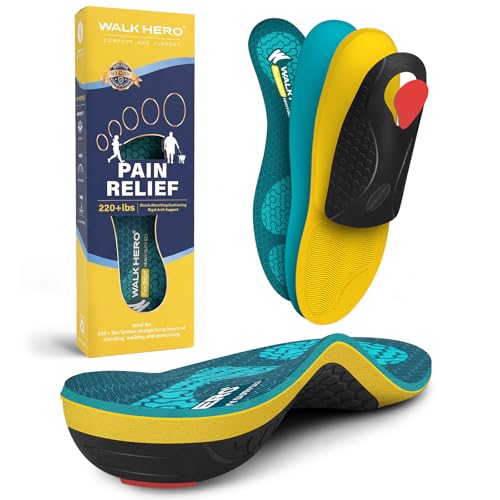
【Heavy Duty Pain Relief Insoles - Stop Pain Killing Your Feet!】Our orthotic insoles are designed for men and women weighing over 220lbs! Orthopaedic insoles relieve the symptoms of plantar fasciitis, flat feet, ankle pain, low back pain, bunions and bone spurs, eliminating any discomfort associated with prolonged standing or walking. WalkHero insoles permit a more confident, stable and relaxed stride.
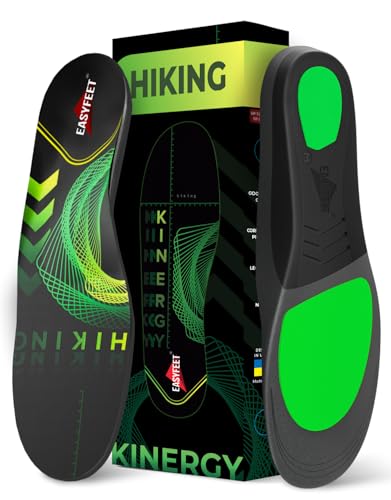
Ultimate Hiking Support: Kinergy hiking insoles, designed for both men and women, offer unparalleled arch support and cushioning. Crafted for rugged terrains, these hiking boot insoles for men minimize fatigue and enhance stability, ensuring every step on your outdoor adventures is secure and comfortable
Sole and Midsole Wear Patterns
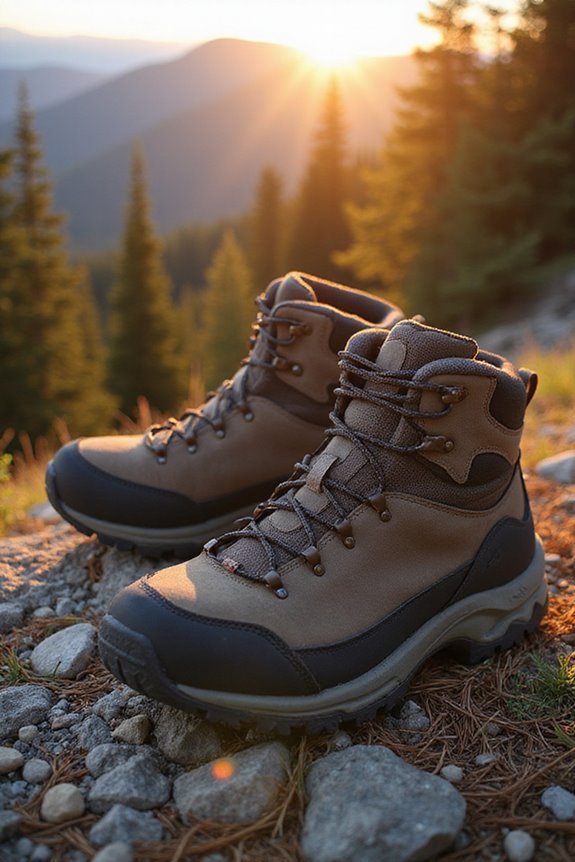
Regularly checking the soles and midsoles of hiking boots can reveal a lot about their readiness for the trails. Tread wear is a key indicator; if those grooves are nearly gone and the sole feels smooth, it’s time to think about replacements. Even wear shows proper support, but if you notice medial wear, that might mean your foot’s overpronating, leading to pesky foot problems. And don’t ignore cushioning loss—if the midsole is sagging or losing shape, your feet will start to feel the impact on those long hikes. Remember, worn soles can slip, and compromised midsoles can lead to discomfort or even injuries. So, keep an eye on those wear patterns and your feet will thank you!
Waterproofing and Breathability Failures
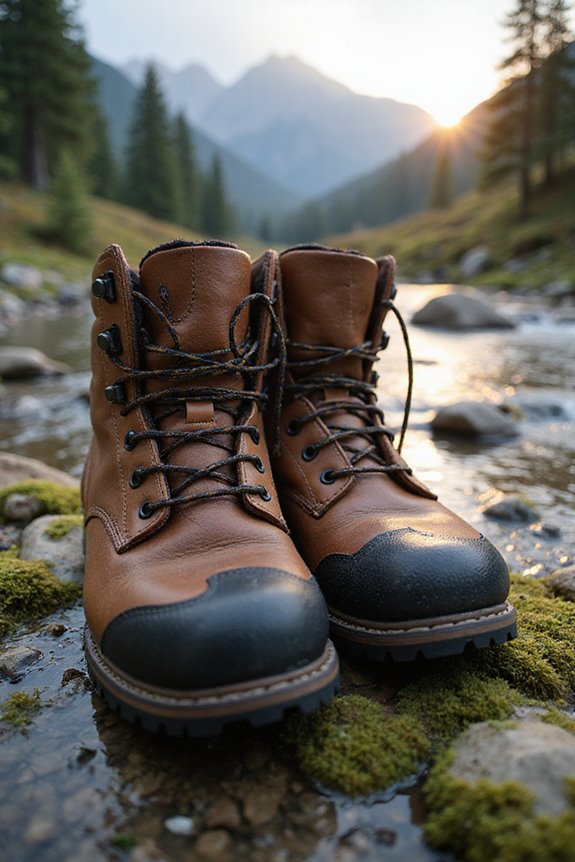
When hiking boots start to lose their waterproofing, it can feel like a betrayal on the trails. Imagine squishing through puddles, only to find your boots inviting water in instead of keeping it out. That’s the harsh reality of waterproofing deterioration. Signs like water soaking into the material or visible cracks and tears signal trouble. Not only does leakage become an issue, but breathability reduction can also occur as membranes clog, trapping moisture inside. High-flex areas, especially around the forefoot, often show wear first, making hiking less enjoyable. Regular maintenance, like cleaning and applying waterproof treatments, can extend a boot’s life. So, keep an eye out for those sneaky leaks, and don’t let damp socks ruin your adventure!
Recommended Products
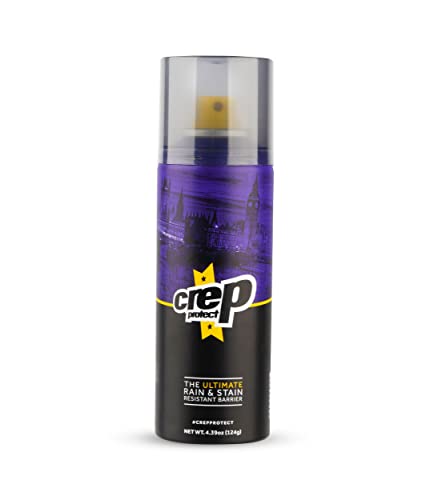
Invisible shoe Protection - Protect your Sneakers from grime and moisture with your water repellent spray for shoes from Crep Protect. Repel water, oil, and stains to keep your trainers looking and feeling fresh.

WATERPROOF AND STAIN RESISTANT FOR BOOT - BERLOVE shoe protector spray for boots helps add a protective layer against moisture, light splashes and everyday surface marks, making it a practical choice for people who want their boots to stay better prepared for wet sidewalks, outdoor wear and repeat use without turning footwear care into a complicated extra step.

12 percent silicone formula creates durable, long lasting waterproof bond to repel water, dirt and oil
Fit and Comfort Problems
Finding the perfect fit for hiking boots can feel like searching for a needle in a haystack—frustrating, yet vital for an enjoyable trek. Issues like insufficient toe space can lead to painful bruising, especially when maneuvering slopes. If toes overlap or feel pinched, it’s a sign that the boots are too small or narrow. On the flip side, too much space can cause blisters from excessive movement. Heel lift is another red flag; a snug fit should prevent slippage, but if the heel lifts consistently, it’s time to evaluate a smaller size. Proper ankle support is important too—too tight or loose can lead to discomfort or even sprains. Ensuring the right fit enhances comfort and overall hiking experience greatly.
Do not use visibly damaged boots on a remote or technical route as a test. If the sole is separating, the structure has collapsed, the tread is unreliable, or the fit causes pain or numbness, repair or replace them before the hike.
Recommended Products

Waterproof Design: Lined with a waterproof membrane, these women’s hiking boots feature rubber detailing on the upper, keeping your feet dry and comfortable when trudging through puddles, streams or other wet conditions.

All Day Comfort Fit:Cushioned midsoles and padded collars take the edge off long days on the trail, so your feet don‘t wear out before you do. Breathable linings keep you comfortable through extended hikes, and the upper feels broken in from the start, so you can skip the usual break-in period and hit the trail right away. Weekend wanderers and casual hikers will appreciate not having to baby their boots.

Genuine Leather: High-performance suede leather is softer and more wear-resistant than PU
Frequently Asked Questions
How Often Should I Replace My Hiking Boots?
There is no reliable mileage or calendar rule. Inspect the outsole, midsole, upper, collar, seams, waterproofing, hardware, and fit, then consider the terrain and risk of the next hike. Replace or professionally assess boots when structural damage, loss of traction, persistent leakage, or fit problems remain.
Can I Repair My Hiking Boots Instead of Replacing Them?
When considering boot repair options, individuals can utilize DIY maintenance tips for minor damage, such as re-gluing soles or patching tears. However, significant structural issues often necessitate replacement for safety and performance.
What Materials Are Best for Hiking Boots?
In the epic saga of leather versus synthetic, waterproof materials emerge as the unsung heroes. Leather boasts durability and water resistance, while synthetics flaunt lightweight charm, making every hiker’s choice a delightful conundrum of comfort and performance.
How Do I Properly Care for My Hiking Boots?
Proper care for hiking boots involves regular boot cleaning, conditioning, and waterproof maintenance. Cleaning after each hike prevents material degradation, while timely waterproofing treatments guarantee longevity and performance in challenging conditions.
Are Expensive Hiking Boots Worth the Investment?
When considering expensive hiking boots, the cost versus value analysis reveals that their durability and boot longevity often justify the initial investment, as they typically outlast cheaper options and provide superior performance in diverse conditions.