As an Amazon Associate, we earn from qualifying purchases. Some links on this site are affiliate links at no extra cost to you. Our recommendations are based on thorough research and editorial judgment.

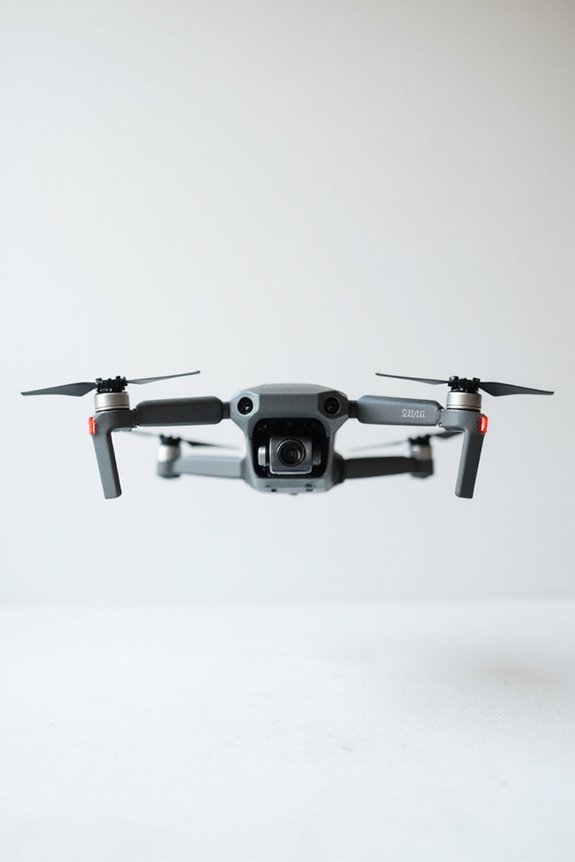
Best Drones for Outdoor Photography: What to Compare

The best drone for outdoor photography is the one whose camera, flight behavior, portability, safety features, and legal requirements match the way you plan to use it. Compare sensor and lens design, stabilization, weather limits, battery workflow, obstacle awareness, controller experience, and support. Product specifications and regulations change, so verify the exact model and local rules before buying or flying.
Key Takeaways
- Match camera and lens capability to the output, light, and subjects you actually photograph.
- Compare stabilization, obstacle-awareness features, return-to-home behavior, and control reliability.
- Assess battery, charging, storage, spare-part, and transport needs for the whole outing.
- Check weight, wind limits, weather restrictions, local airspace, privacy, and insurance obligations.
- Compare the complete kit cost, software support, repairs, accessories, and return policy.
Key Features to Consider in Outdoor Photography Drones
You may be interested


Compare sensor size, lens choice, aperture, stabilization, RAW or log recording, exposure controls, storage, and the app’s workflow. A larger sensor can help in low light, but image quality also depends on lens, processing, movement, focus, and the photographer. Choose the output you need—still images, short clips, large crops, or social content—rather than the highest resolution listed.
Top Drones for Aerial Photography
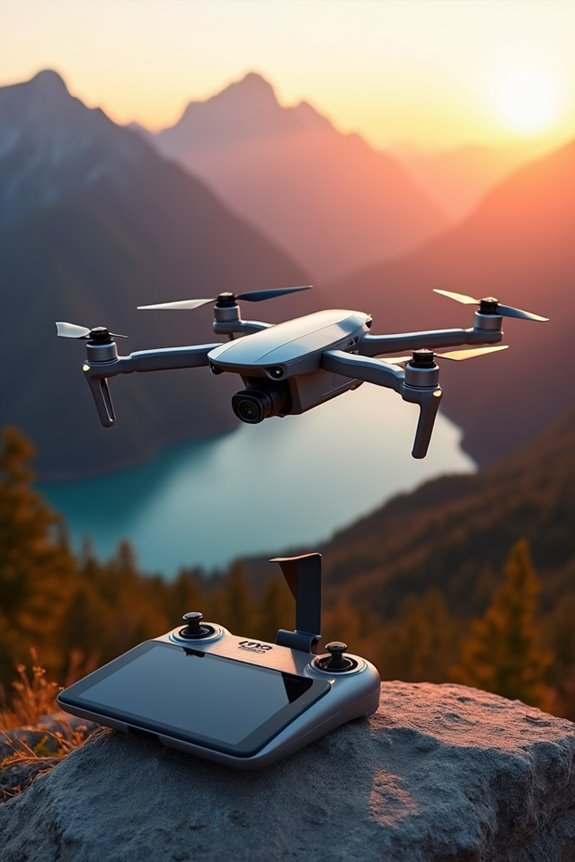
Compare complete drone systems rather than camera specifications alone. Look at flight behavior, obstacle awareness, controller range under local rules, app stability, battery availability, storage workflow, repair support, and the image quality you can achieve in the conditions you photograph. A compact model may be easier to carry, while a larger platform may offer different camera or wind-handling trade-offs. Verify current specifications for the exact regional model.
Flight Performance and Battery Life
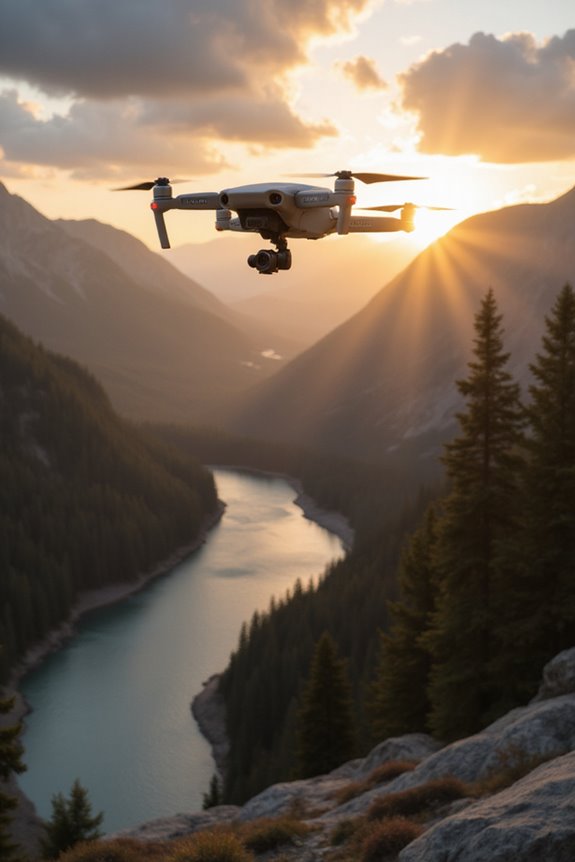
Flight performance depends on wind, temperature, payload, battery condition, software, pilot skill, and the aircraft’s settings. Treat advertised flight time as a test-condition estimate, not a guaranteed time for photography. Plan a conservative reserve, monitor battery and return-to-home settings, and avoid launching when weather or visibility exceeds the manufacturer’s limits. Carry and store batteries according to the maker’s guidance.
Portability and Handling for Outdoor Adventures
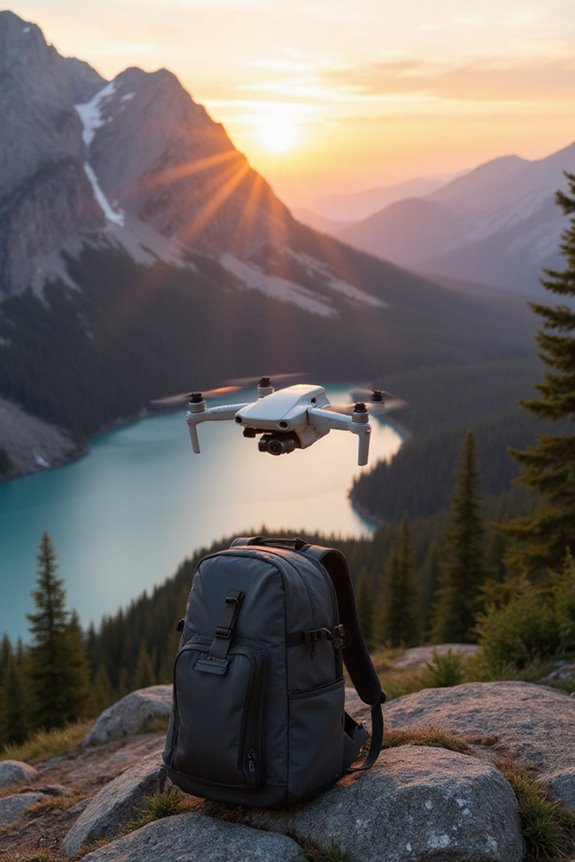
For outdoor adventurers, the thrill of capturing breathtaking landscapes often hinges on how easily a drone can be packed and maneuvered. A lightweight drone, ideally under 600g, strikes the perfect balance between portability and stability, making it an ideal companion on hiking trails. The DJI Mavic Air 2, weighing around 570g, folds flat to fit snugly in a backpack, ensuring you’re ready for that stunning sunset shot at a moment’s notice. Those ultra-light drones, like the DJI Mini series, are even easier to carry, though they might struggle against gusty winds. A folding design not only saves space but also speeds up setup, ensuring adventurers can focus more on exploring rather than wrestling with their gear.
Special Features That Enhance Usability
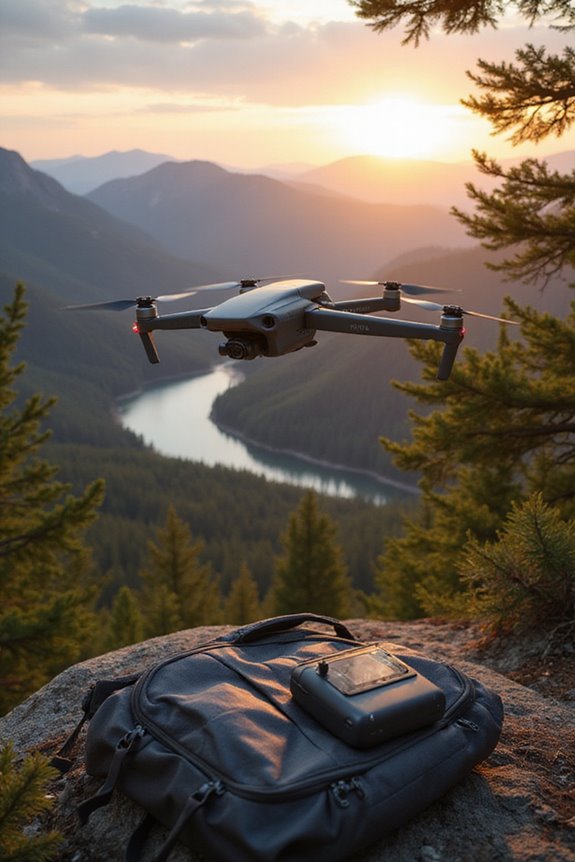
When it comes to drones, having a few standout features can truly elevate the outdoor photography experience. User-friendly interfaces make it easy for photographers of all skill levels to plunge in and start capturing stunning shots. Intelligent flight modes, like Active Track, allow the drone to follow subjects effortlessly, ensuring that the action is always in focus. Imagine soaring through a landscape with obstacle avoidance sensors maneuvering around trees—it’s a game-changer! High-resolution cameras paired with stabilization systems deliver breathtaking images, even in breezy conditions. Plus, features like built-in memory options and regular software updates keep the experience fresh and thrilling. With these advanced capabilities, every outdoor adventure transforms into a creative playground for photographers enthusiastic to explore.
Pricing and Target Audience for Different Models
Compare the full cost of the aircraft, controller, batteries, charging equipment, storage, filters, insurance, registration, software, repairs, and replacement parts. A lower purchase price may not be better value if batteries or service are difficult to obtain. Match the system to your experience and output needs, and confirm the return policy before opening or flying the product.
Frequently Asked Questions
How do weather conditions affect drone flight?
Wind, rain, cold, heat, visibility, and turbulence can affect control, battery performance, sensors, and image quality. Follow the manufacturer’s weather limits, check current conditions, and postpone a flight when the aircraft or pilot cannot operate safely.
Can drones be flown at night?
Night operations depend on the country, operation type, aircraft, pilot requirements, airspace, and local authorization. In the United States, check current FAA rules and airspace requirements before flying; do not treat a product feature as legal permission.
What rules apply when flying in public spaces?
Rules vary by country and location and may cover registration, remote identification, pilot testing or certification, airspace authorization, privacy, people, wildlife, parks, and property. In the United States, start with the FAA recreational-flyer guidance; elsewhere, use the aviation authority and land manager for the current rules.
How should I maintain a drone after use?
Inspect the airframe, propellers, gimbal, sensors, landing gear, battery, and case. Remove dirt and moisture using the manufacturer’s method, update software only when appropriate, store batteries as directed, and record damage or unusual behavior before the next flight.
Which accessories help outdoor drone photography?
Useful accessories may include spare batteries, a safe charging setup, a protective case, compatible filters, extra propellers, storage media, landing protection, and a controller sun shade. Choose accessories that are compatible with the exact model and do not compromise weight, balance, cooling, or local operating limits.