As an Amazon Associate, we earn from qualifying purchases. Some links on this site are affiliate links at no extra cost to you. Our recommendations are based on thorough research and editorial judgment.

Best Exercises for Core Strength

This guide covers practical core-strength exercises, including planks, bird dogs, bridges, crunches, free-weight movements, and progressive variations. Use the exercise that matches your current ability, focus on controlled movement and breathing, and progress gradually instead of chasing fatigue. If you have pain, an injury, or a health condition, get advice from a qualified professional before changing your routine.
Key Takeaways
- Use planks and variations to practice bracing and whole-body control without treating one exercise as universally best.
- Bird dogs can train coordination and controlled trunk movement; reduce the range or support the body if balance is difficult.
- Bridges and other hip-focused movements can complement core training by involving the glutes and trunk together.
- Crunches and loaded movements require a comfortable range, controlled technique, and progression that matches your experience.
- Build training around quality repetitions, rest, gradual progression, and the advice of a qualified professional when symptoms or injury are present.
Planks and Their Variations
You may be interested



When it comes to building core strength, planks are like the Swiss army knife of exercises—versatile, effective, and surprisingly simple. The basic plank not only engages the abdominal muscles but also improves posture and stability. As one dives deeper into plank variations, the workout can become an exciting adventure. Commando planks challenge the upper body, while reverse planks flip the script by focusing on the posterior chain. Meanwhile, dynamic planks, like walking planks and plank shoulder taps, add a fun twist, enhancing overall stability. These variations not only spice up routines but also target different muscle groups, making every session feel fresh. Fundamentally, incorporating these techniques can transform a monotonous workout into an engaging core-strengthening journey. Additionally, using high-quality materials like natural latex or TPE in resistance bands can further enhance your core workouts by providing additional support and resistance.
Quadruped (Bird Dog) Exercise

Engaging in the Quadruped Bird Dog exercise can feel like a playful dance between stability and movement, and it’s a fantastic way to enhance core strength. This exercise not only boosts core musculature but also sharpens spinal alignment, supporting controlled trunk movement. Picture yourself balancing on all fours and extending one arm with the opposite leg while keeping the movement controlled. The exercise can challenge coordination and trunk control; easier variations include moving one limb at a time or shortening the range. Progress only when you can maintain a steady position and comfortable breathing, making core training an enjoyable experience.
Bridges for Glute and Core Strength
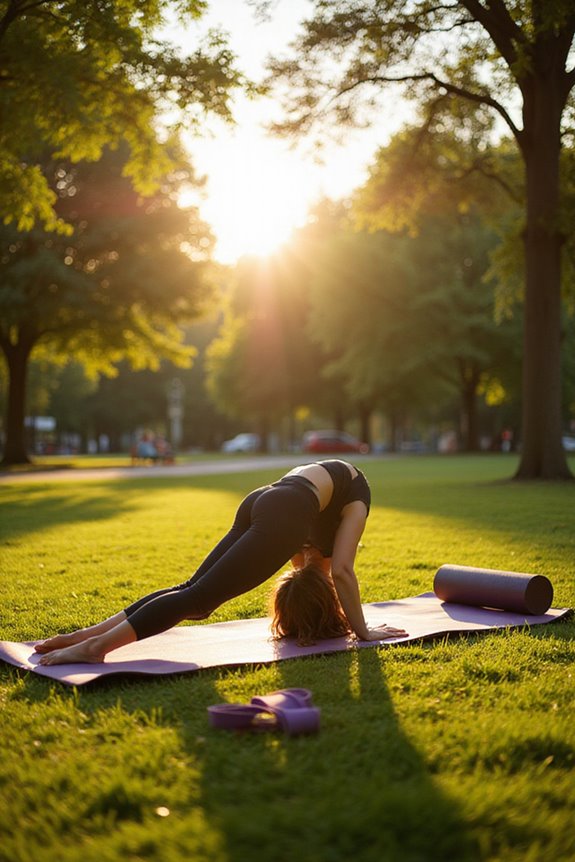
Bridges transform a simple lying position into a powerhouse of glute and core activation, making them a favorite for anyone looking to build strength. These exercises not only fire up the gluteus maximus and hamstrings but also engage deep core muscles, challenging trunk and hip control. The bridge benefits are plenty—improved balance, better posture, and even movement quality! For those wanting to spice things up, there are various bridge variations. Think single-leg bridges for an extra challenge or adding resistance bands for glute medius activation. Whether it’s a standard bridge or an elevated version, they make a fantastic addition to any workout routine, proving that sometimes, simplicity packs a serious punch!
Recommended Products
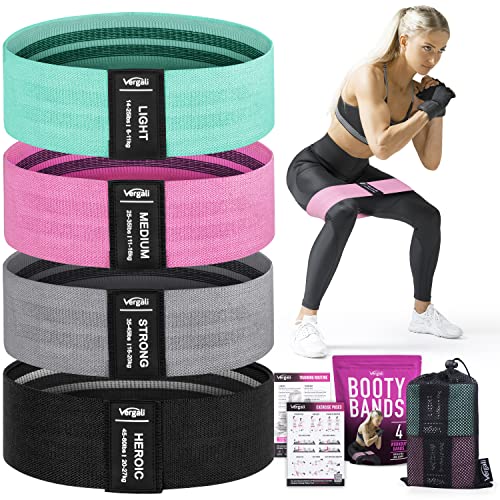
WON'T PINCH BARE LEGS. This at home workout equipment can be used over clothes or on bare skin without that horrible pinching you get with elastic bands. Enjoy comfortable workouts with these fitness bands whatever you are wearing
Abdominal Crunches: Benefits and Techniques

Abdominal crunches, often seen as a staple in the world of fitness, deliver more than just a quick burn—they pack a powerful punch for core strength. These exercises rapidly increase abdominal muscle endurance, making daily activities easier and more efficient. With variations like vertical leg or long arm crunches, individuals can target specific areas of the abs, promoting muscle growth and that coveted six-pack look. They also encourage lumbar flexion, which can aid in movement quality by enhancing spinal mobility and reducing lower back strain. Plus, crunches require no equipment, making them a convenient choice for anyone, anywhere. Just remember, proper technique is key—engage your core, keep your neck neutral, and enjoy the ride to a stronger you!
Single-Leg Abdominal Presses

Imagine this: lying on your back, one leg raised and bent at a perfect 90 degrees, while your hand presses against your knee. This is the essence of single-leg abdominal presses, a fantastic exercise for core stability. As you push against your knee, your abdominal muscles engage, working hard to maintain balance. The beauty of single-leg variations lies in their ability to isolate one side, enhancing coordination and proprioception—essential for everyday activities. Holding that contraction for three deep breaths not only strengthens deep core muscles but also improves muscle symmetry. To spice things up, try pressing with the opposite hand or even adding resistance bands. It’s a perfect blend of challenge and fun, transforming your core workout!
Free-Weight Exercises for Core Activation
When it comes to building core strength, incorporating free-weight exercises can elevate a workout routine to a whole new level. Dumbbell twists, for example, not only engage the obliques but also ramp up the intensity, making those side muscles work harder. Then there are kettlebell windmills, which are fantastic for activating the entire core while enhancing shoulder stability. Imagine standing tall, twisting and turning with a kettlebell, feeling every muscle in your body engage. Plus, using dumbbells provides added resistance, pushing core strength to new heights. As you progress, it’s like a game—each increase in weight challenges your body and prevents those dreaded plateaus. Who knew building a strong core could feel this rewarding and fun?
Cable-Based Anti-Rotation Exercises
Core strength isn’t just about having a six-pack; it’s about stability, control, and the ability to move efficiently in every aspect of life. Cable-based anti-rotation exercises are fantastic for building that essential core engagement. These cable exercises challenge rotational stability, forcing the body to resist twisting motions, which is vital for movement quality. Imagine pulling against a strong cable while your core muscles—like the obliques and transverse abdominis—work hard to keep you steady. Variations like the Pallof Press and Anti-Rotation Row not only enhance muscle activation but also boost athletic performance. With progressive resistance training, athletes can gradually increase their strength, leading to better balance and coordination. Ultimately, these exercises are key for anyone looking to improve their core and overall functional fitness.
Core Exercises on Unstable Surfaces
Stepping onto an unstable surface is like entering a funhouse where balance becomes the ultimate challenge. These surfaces, such as balance cushions, Swiss balls, and wobble boards, are not just toys; they offer serious unstable surface benefits. Exercises performed on these platforms demand greater core muscle activation, as the body works hard to stabilize the spine and pelvis. This means enhanced core stability techniques are at play, engaging deep stabilizing muscles that ordinary exercises might overlook. Imagine your muscles dancing to keep you upright! The continuous micro-adjustments improve joint stability and control, translating to better performance in sports and daily activities. So, if you want to spice up your core workout, unstable surfaces might just be your new best friend.
Progressive Core Training Approaches
Progressive core training approaches can be the key to releasing a stronger, more stable body. By beginning with the stabilization phase, individuals can build a solid foundation through low-load isometric holds, like planks and bird dogs. Once stability is established, they shift into the strength phase, incorporating dynamic exercises such as weighted crunches. Finally, the power phase introduces explosive moves like medicine ball slams. Throughout this journey, progressive overload is essential, utilizing volume progression by increasing sets and intensity progression with added resistance. Positional progression shifts from basic to more complex movements, while neurological adaptation guarantees proper form. This thoughtful approach not only minimizes injury risks but also maximizes performance, creating a resilient core that supports all physical activities.
These are general exercise ideas, not a diagnosis or individualized treatment plan. Stop if an exercise causes sharp or worsening pain, unusual symptoms, or loss of control; seek advice from a qualified healthcare or fitness professional when appropriate.
Frequently Asked Questions
How Often Should I Train My Core for Optimal Results?
Frequency depends on the exercise intensity, your wider training plan, recovery, and goals. Start with a manageable schedule that allows good form and no lingering symptoms, then progress gradually. Rest when the muscles are fatigued and seek professional guidance if pain or an injury affects your training.
Can I Do Core Exercises Every Day?
Engaging in a daily routine of core exercises may seem appealing, yet exercise variations and adequate recovery are essential. Individuals should balance their enthusiasm with mindful practice to avoid potential pitfalls of overtraining and injury.
What Is the Ideal Duration for Core Workouts?
There is no universal duration. A useful session is long enough to complete controlled sets with good form but short enough to avoid compensating or losing technique. Consider exercise difficulty, rest, training goals, and your overall weekly activity rather than following a fixed minute target.
Are There Any Risks of Overtraining My Core Muscles?
Like a tightly coiled spring, overtraining core muscles can lead to core fatigue and heightened risk of injury. Prioritizing recovery and balance in workouts is essential for effective injury prevention and overall strength development.
How Do I Know if I’m Performing Exercises Correctly?
To guarantee correct exercise form, one must monitor core stability through visual feedback, assess muscle engagement, and maintain controlled movements. Regular evaluations by fitness professionals can further enhance technique and prevent compensatory patterns during workouts.