As an Amazon Associate, we earn from qualifying purchases. Some links on this site are affiliate links at no extra cost to you. Our recommendations are based on thorough research and editorial judgment.

Best Team-Building Sports: Activities for Communication and Trust

The best team-building sport depends on group size, fitness, confidence, access needs, budget, venue, and the behavior you want to practice. Volleyball, basketball, soccer, low-risk adventure activities, walking challenges, and non-competitive games can all work when teams have clear goals, inclusive rules, good facilitation, and time to reflect afterward.
Key Takeaways
- Choose activities that match group size, ability, access needs, venue, and comfort with competition.
- Use clear roles, shared goals, and short debriefs to turn play into learning.
- Team sports can practice communication, trust, decision-making, and coordination.
- Provide inclusive alternatives so participation does not depend on speed, strength, or prior experience.
- Prioritize consent, qualified supervision, equipment checks, hydration, weather awareness, and a safe stopping point.
You may be interested



Recommended Products

Promote Teamwork: Cooperative band walkers are designed to develop cooperation and balance, by requiring groups of 5 students to communicate and work together in order to walk together. You and your kids will have a lot of fun.

Backyard Soccer Goal: Kids will go crazy for this soccer goal set! Complete with all necessary accessories, soccer goal set soccer net transforms any backyard into a personal soccer net field. Encourage your kids to step away from screens and engage in hours of healthy outdoor play. Perfect for skill training or fun games with friends, soccer goal set also promotes valuable parent-child interaction and strengthens family bonds.

Hole Tarp Team Building Set: the package comes with 1 piece of hole tarp with many small holes in blue color, 8 pieces of team building ball in different colors, a nice combination set to satisfy your demands of team building, exercise activities and games
The Importance of Team Cohesion in Sports
Team cohesion grows when people understand a shared goal, communicate clearly, support one another, and feel safe contributing. A sport can create useful practice, but the result depends on facilitation, group history, inclusion, and time to discuss what happened.
Goal-Oriented Sports for Enhanced Team Dynamics
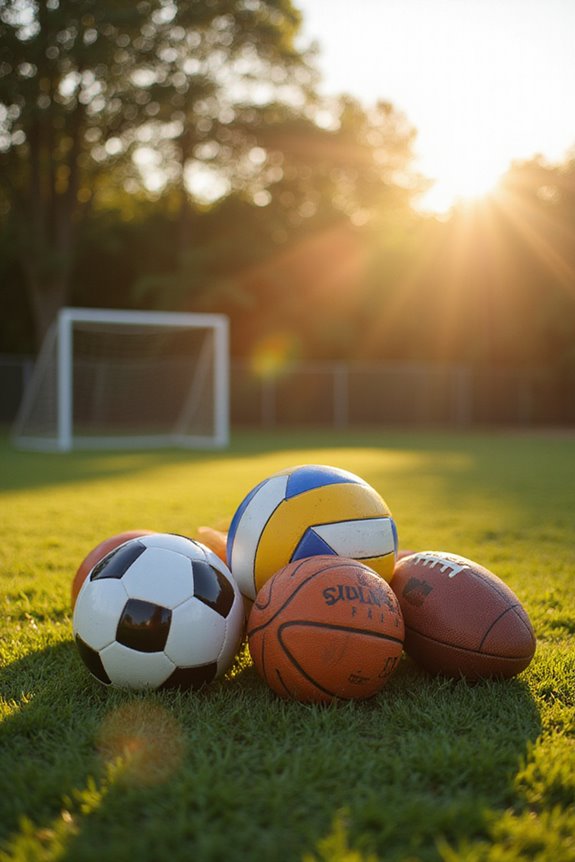
Sports with a shared objective make roles and decisions visible. Soccer, basketball, volleyball, rugby, and relay-style games can encourage coordination, but facilitators should keep instructions simple, rotate roles, and define success as collaboration as well as the final score.
Recommended Products

Material: Acrylic 80%, Wool 20%

Hole Tarp Team Building Set: the package comes with 1 piece of hole tarp with many small holes in red color, 8 pieces of team building ball in different colors, a nice combination set to satisfy your demands of team building, exercise activities and games
Social Bonding Opportunities in Team Sports
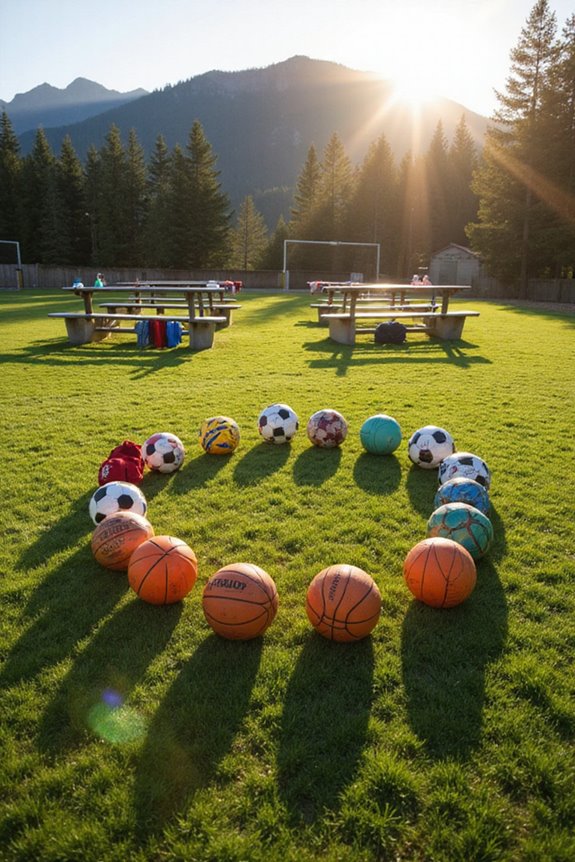
Shared practice and low-pressure competition can help colleagues talk and build familiarity. Avoid assuming everyone wants physical contact or public performance. Offer choices, protect personal boundaries, and make room for quieter participants so belonging is not limited to the most confident players.
Recommended Products
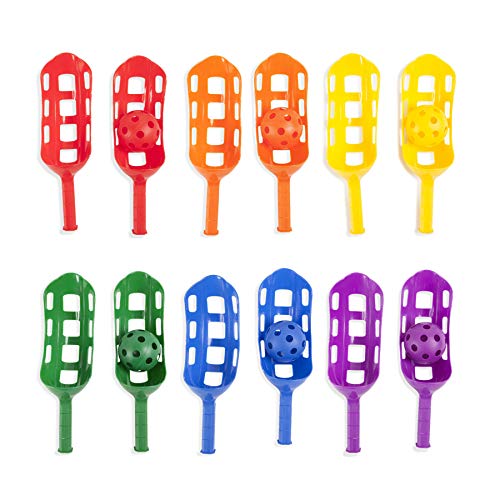
COLORFUL PARTY GAME 6 PACK - Enjoy a backyard game of scoop ball with up to 6 friends with this party pack set of 2 green, 2 orange, 2 purple, 2 red, 2 royal blue, and 2 yellow scoops and a matching high flying perforated plastic balls per color.

For Training and Practice-Coach's Choice,Boys and Girls use the ball to practice and do training.Size 3 is 7.1inch,Size 4 is 7.5 inch Size 5 is 8.7 inch,Refer to pictures for detailed Size Guidance.

Sufficient to Use or Share: the package contains 4 pieces of cheerleading pom poms in bright red color, designed with plastic ring handles, enough to meet your cheering needs, and you can share them with cheerleaders
Adventure-Based Activities That Strengthen Teams
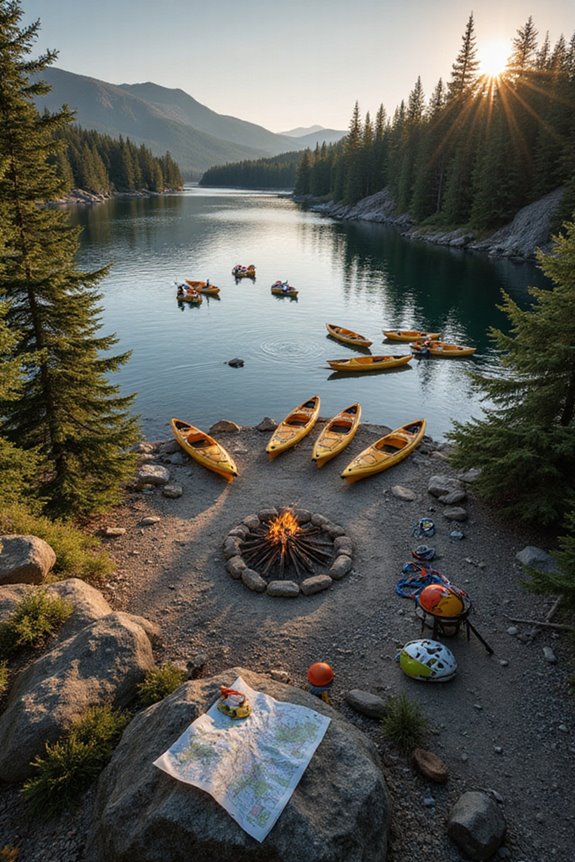
Climbing, paddling, ropes courses, and similar activities require stronger safety planning than ordinary games. Use qualified operators, inspect equipment, follow age and ability rules, and provide non-height or non-water alternatives. A shared challenge may support trust, but it is not a substitute for professional team development.
The Role of Clarity in Team Responsibilities
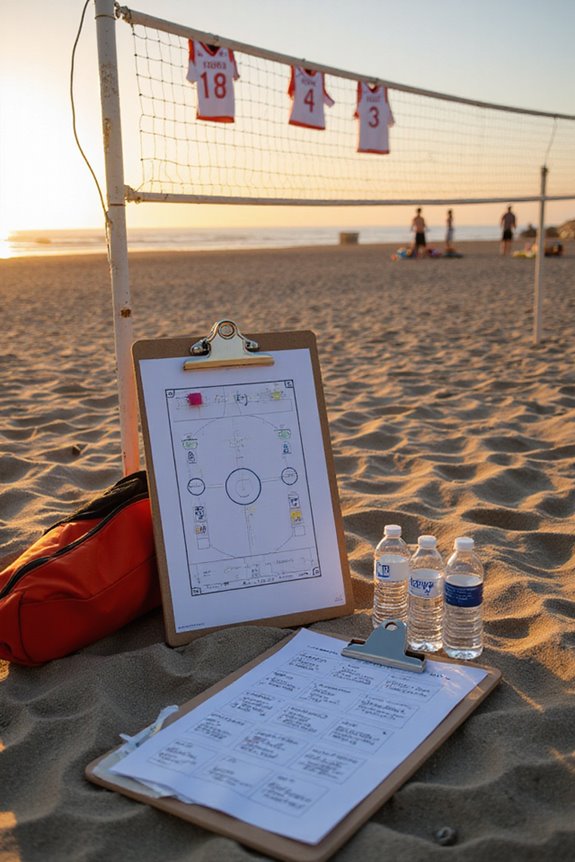
Before play begins, explain the objective, boundaries, scoring, roles, time, equipment, and how participants can opt out. Rotate responsibilities where practical, invite questions, and debrief which communication behaviors helped or created confusion.
Benefits of Team Sports for Organizational Performance
Team sports may create opportunities to practice communication, coordination, feedback, and shared decision-making. Do not promise automatic improvements in productivity, health, retention, or profit. If the activity is part of workplace development, connect it to a clear objective and evaluate feedback honestly.
Engaging Team-Building Sports Activities
For a flexible event, combine a warm-up, a simple cooperative challenge, an optional competitive game, and a short reflection. Walking relays, target games, modified volleyball, scavenger tasks, and problem-solving stations can be adapted for different abilities. Keep the rules transparent and the pace sustainable.
Recommended Products

FUN FOR THE WHOLE FAMILY - Experience laughter-filled family bonding with our body bumpers! These inflatable knocker balls ensure hilarious moments as family members bump and bounce together, creating unforgettable memories of joy and excitement.
Analyzing Team Dynamics Across Different Sports
Each activity emphasizes different interactions: a court game may require rapid calls, a relay may require handoffs, and a problem-solving task may reward listening and planning. Observe who speaks, who is included, how decisions are made, and whether roles can rotate. Use those observations to guide the debrief.
The Impact of Team-Building on Athletic Performance
Team-building can support coordination and morale within a sports group when it is relevant, well-led, and followed by practice. It does not guarantee better athletic performance. Set a measurable, realistic objective and consider coaching, training quality, recovery, and individual skill separately.
Strategies for Integrating Team-Building in Training Sessions
Add short cooperative drills to regular training, explain the behavior being practiced, rotate roles, and finish with specific feedback. Keep activities age- and ability-appropriate, avoid overloading athletes, and stop when fatigue or conditions make participation unsafe.
Frequently Asked Questions
What Types of Team-Building Sports Are Best for Large Groups?
Choose scalable activities such as modified volleyball, relay games, walking challenges, target games, cooperative scavenger tasks, or rotating stations. Keep teams small enough for everyone to participate and offer non-contact alternatives.
How Can Team-Building Sports Improve Communication Skills?
They create practical moments for calling, listening, giving feedback, making decisions, and repairing mistakes. A short debrief helps participants connect those behaviors to work or training.
Are There Specific Sports That Require Less Physical Ability for Team-Building?
Yes. Walking challenges, seated or modified target games, trivia, cooperative puzzles, low-impact bowling, and accessible virtual activities can focus on collaboration without demanding high speed, strength, or contact.
How Often Should Teams Engage in Team-Building Sports Activities?
There is no universal schedule. Use activities when they support a real team objective, allow enough preparation and recovery, and fit the group’s workload. Quality, inclusion, and follow-through matter more than frequency alone.
Can Virtual Team-Building Sports Activities Be Effective for Remote Teams?
They can help remote teams practice communication and shared problem-solving when participation is optional, the technology is accessible, and the activity is short and well facilitated. Offer alternatives for different time zones, bandwidth, mobility, and comfort levels.