As an Amazon Associate, we earn from qualifying purchases. Some links on this site are affiliate links at no extra cost to you. Our recommendations are based on thorough research and editorial judgment.

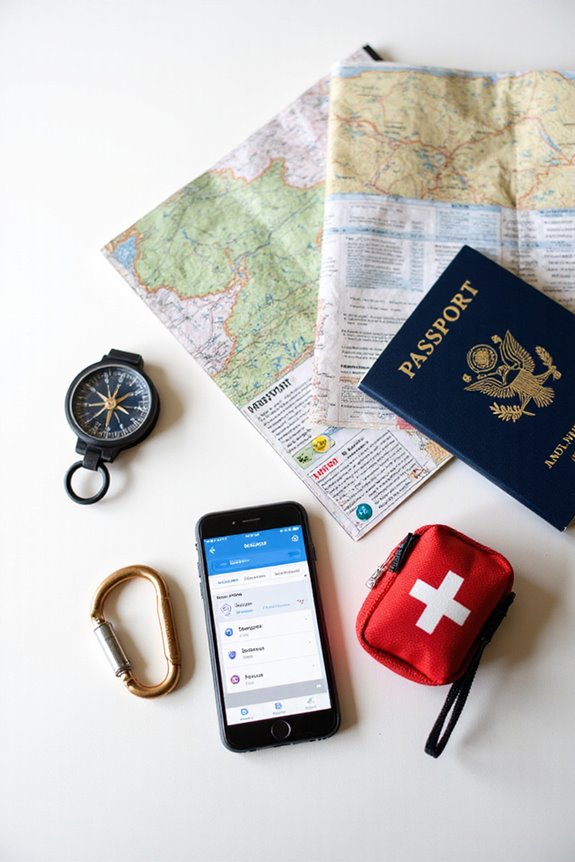
Best Travel Insurance for Adventurers: What to Compare

Adventure travel insurance should be compared against the exact trip, not a generic “best” list. Check emergency medical care, evacuation and repatriation, activity exclusions, altitude or depth limits, gear, cancellation, interruption, pre-existing conditions, destination restrictions, deductibles, assistance access, and claim evidence. Policy wording and availability change, so read the current documents before purchase.
Key Takeaways
- List every activity, destination, elevation, depth, transport method, and level of remoteness before comparing policies.
- Check emergency treatment, evacuation, repatriation, assistance, deductibles, exclusions, limits, and payment procedures.
- Confirm that the policy covers the exact activity—not only a broad phrase such as “adventure sports” or “trekking.”
- Review cancellation, interruption, delay, gear, rental equipment, pre-existing-condition, and destination terms.
- Save the policy, receipts, medical records, provider contacts, and claim instructions where you can access them.
Overview of Top Travel Insurance Providers for Adventurers
You may be interested


Providers differ in geography, underwriting, assistance, activity lists, medical limits, evacuation arrangements, gear cover, cancellation terms, deductibles, and claims. Compare the current policy wording and certificate for your residence, destination, trip length, and activities. A recognizable brand or comparison article cannot guarantee that a particular claim will be paid.
Essential Coverage Features for Adventure Travel Insurance
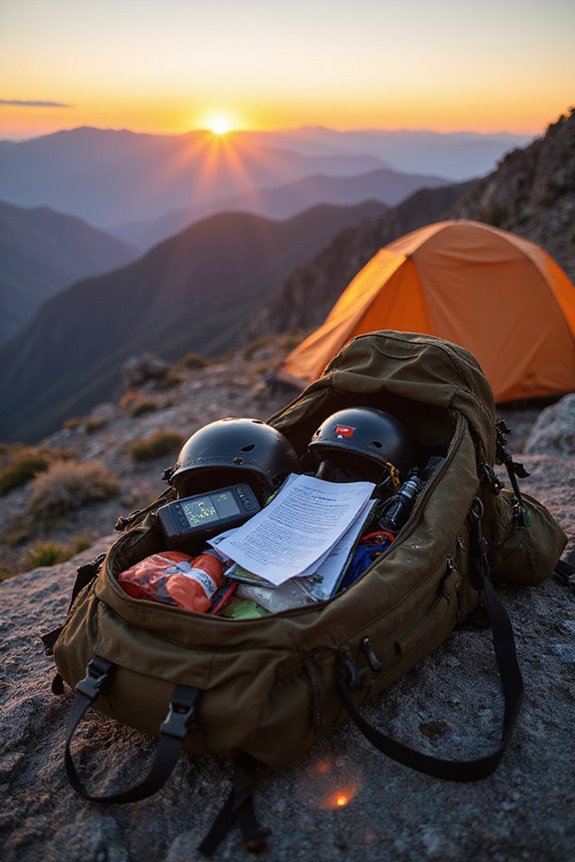
Look for emergency medical treatment, hospital payments, medical evacuation or repatriation, 24-hour assistance, trip interruption, cancellation, baggage and equipment terms, personal liability where relevant, and clear claims instructions. Check whether the insurer pays providers directly, requires pre-authorization, or reimburses you later. Confirm that the limits fit the destination’s costs and the trip’s remoteness.
Cost Comparisons and Pricing Estimates
Premiums vary with age, residence, destination, trip length, activities, limits, deductibles, medical history, cancellation options, and add-ons. Compare the total premium with the deductible, exclusions, limits, assistance quality, and the financial loss you are trying to protect. Avoid choosing by price alone, and check whether existing health, card, home, or employer cover already applies.
Specialized Plans for High-Risk Activities and Trekking
High-risk activities often require an activity-specific policy or extension. Read definitions for climbing, mountaineering, diving, skiing, off-piste travel, racing, motorized sports, altitude, technical grade, guide requirements, equipment, and rescue. A policy may cover an activity only when it is organized, permitted, guided, within a stated limit, or performed according to local rules.
Coverage Limits and Benefits Specifics
Compare medical, evacuation, repatriation, cancellation, interruption, baggage, equipment, liability, and personal-accident limits, along with deductibles, sublimits, per-item caps, exclusions, and currency. Check whether limits are per person, per trip, or per event, and whether emergency assistance must approve treatment or transport. Higher limits do not help if the activity or cause is excluded.
Practical Considerations When Choosing Adventure Travel Insurance
Read the certificate, wording, schedule, exclusions, endorsements, and assistance instructions—not only the summary page. Ask the insurer in writing about any unclear activity, medical condition, destination, gear, rental, or evacuation scenario. Check the cancellation window, claim deadline, documentation requirements, and whether the policy is valid for your full trip.
Key Differences Between Major Providers
Useful comparison points include policy jurisdiction, insurer and assistance company, activity definitions, medical and evacuation process, claims reputation, gear and rental terms, cancellation options, pre-existing-condition rules, and support language. Recheck current documents because providers can change coverage, prices, partners, limits, and exclusions.
Importance of Emergency Medical Care Coverage
Domestic health insurance may not cover treatment, transport, or repatriation abroad, and remote rescue can be expensive or logistically complex. Confirm how the policy handles emergency treatment, stabilization, evacuation, hospitals, pre-authorization, payment, and family assistance. Carry policy details and disclose relevant medical information accurately.
Understanding Trip Cancellation Benefits
Trip-cancellation and interruption cover only the listed reasons and costs, subject to exclusions, limits, documentation, and timing. Check whether illness, injury, weather, provider failure, work, government advice, or other causes are included; “cancel for any reason” options have separate eligibility and reimbursement rules. Keep receipts, booking terms, medical evidence, and written cancellation confirmation.
Tips for Customizing Your Insurance Plan
Build the policy from the actual risk list: activities, remote locations, altitude or depth, medical history, valuables, prepaid costs, transport, and the people traveling with you. Add only useful extensions, compare deductibles and sublimits, and ask the insurer to confirm exclusions in writing. Keep a copy offline and share assistance details with a trusted contact.
Frequently Asked Questions
How Do I File a Claim With My Travel Insurance Provider?
Follow the policy’s reporting and claim instructions as soon as practical. Contact emergency assistance before treatment or transport when the wording requires it, keep claim and case numbers, gather receipts, reports, medical records, booking documents, photographs, and proof of ownership, and submit by the stated deadline. Keep copies of everything and ask for written confirmation.
Are Pre-Existing Conditions Covered by Adventure Travel Insurance?
Coverage depends on the policy definition, stability period, disclosure, waiver, treatment, destination, and activity. Answer medical questions accurately, review the pre-existing-condition exclusion and waiver deadline, and ask the insurer or a qualified adviser for written confirmation. Do not assume a general medical limit covers a known condition.
What Happens if I Need to Cancel My Trip?
Check whether the reason is covered, notify suppliers and the insurer promptly, reduce avoidable costs, and keep booking, medical, cancellation, and payment records. The insurer may require a doctor’s note, official alert, or other evidence, and reimbursement is limited by the policy, deductible, and non-refundable costs that qualify.
Can I Purchase Insurance After My Trip Has Started?
Some providers sell limited post-departure cover, but waiting periods, exclusions, residence rules, existing events, trip cancellation, and pre-existing conditions may prevent the protection you expect. Check the current wording before relying on it; buying after a problem is known will not normally cover that event.
Is Rental Equipment Covered Under These Policies?
Rental equipment may be covered only under specific baggage, sports-equipment, liability, or rental-damage terms, with exclusions and per-item limits. Check whether the policy covers loss, theft, damage, the rental contract’s responsibility, deductibles, and activity use. Obtain a rental condition report and keep the agreement, receipts, and incident evidence.