As an Amazon Associate, we earn from qualifying purchases. Some links on this site are affiliate links at no extra cost to you. Our recommendations are based on thorough research and editorial judgment.

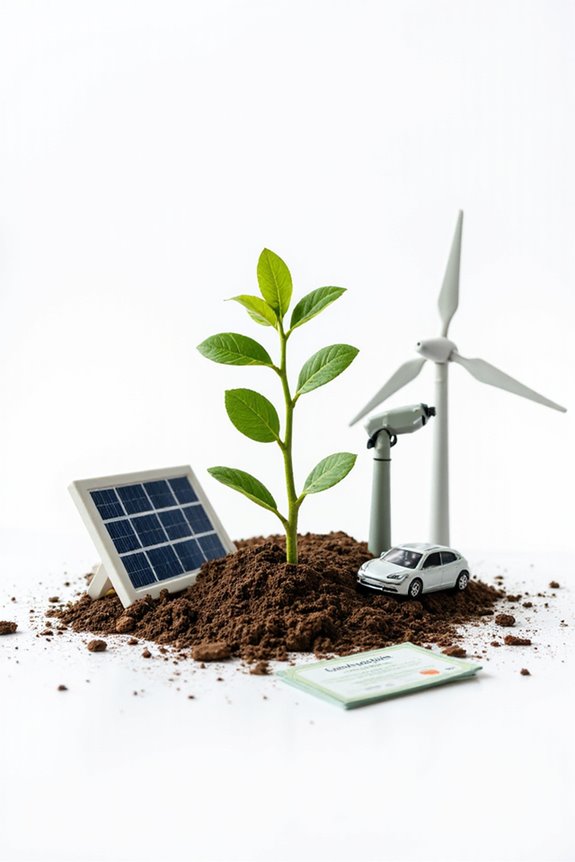
How to Reduce and Offset Carbon Emissions Responsibly

The most credible way to address personal emissions is to reduce them where practical, then evaluate whether a carefully documented project fits the remaining footprint. Offsets are not a substitute for efficiency, clean energy, lower-emission transport, or changes in consumption. Check project evidence, accounting methods, permanence, community safeguards, and reporting before paying.
Key Takeaways
- Measure and reduce your own emissions before considering offsets.
- Check additionality, baselines, permanence, leakage, verification, and retirement records.
- Do not assume a tree-planting or renewable-energy project equals a permanent removal.
- Review community rights, land ownership, local benefits, and environmental safeguards.
- Prefer transparent reporting and avoid claims of guaranteed carbon neutrality without evidence.
Carbon Capture and Storage Offsets
You may be interested



Carbon capture and storage may capture emissions from industrial processes or remove carbon from the air, but the climate value depends on the energy source, capture rate, transport, storage integrity, monitoring, and accounting. Treat project claims carefully and check independent documentation rather than relying on a broad technology label.
Energy Carbon Offset Projects
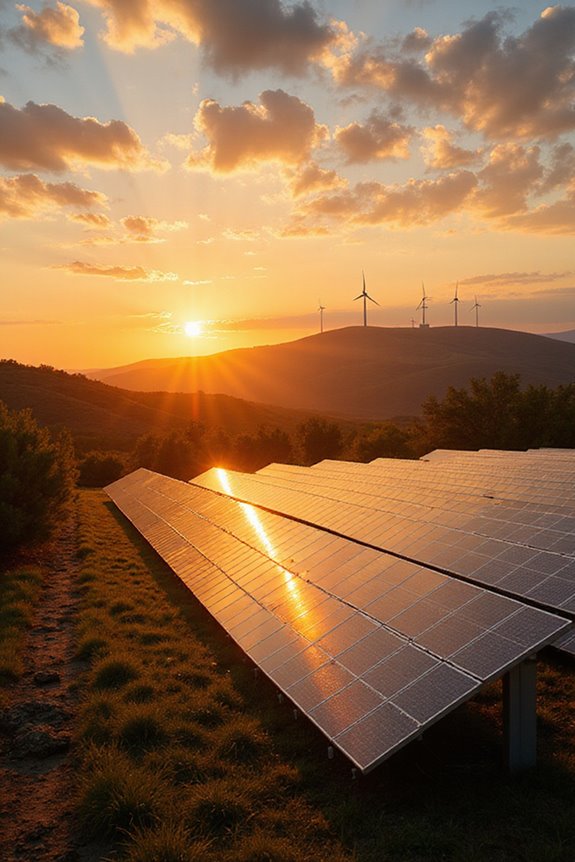
Energy projects can improve efficiency or add renewable generation, but the claimed climate benefit depends on what would have happened without the project, how emissions are measured, and whether the activity changes local energy access. Reducing energy use or choosing lower-emission power directly is usually easier to understand than treating every project as an equivalent offset.
Nature-Based Solutions

Forests, wetlands, soils, mangroves, and other ecosystems store carbon while supporting biodiversity and communities. Their climate benefit can be reversed by fire, drought, land-use change, or poor management, so examine permanence, monitoring, land rights, ecological suitability, and safeguards. Protecting existing ecosystems is not automatically interchangeable with a quantified offset.
Technology-Based Offsets
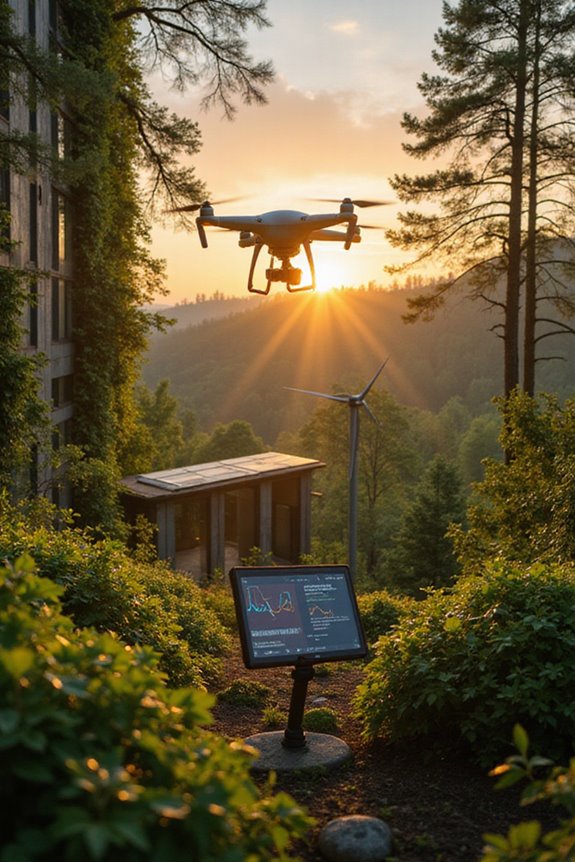
Monitoring tools such as remote sensing, project databases, and measurement systems can improve transparency, but technology does not replace sound accounting or independent review. Ask how data are collected, who controls it, what uncertainty is reported, and how corrections are handled.
Carbon Offset Programs
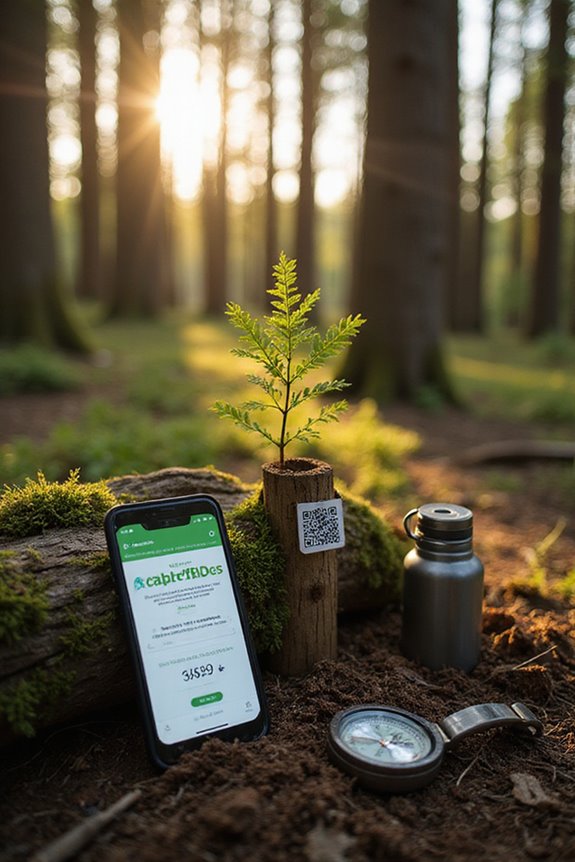
When comparing an offset program, look for a public methodology, project documents, independent validation or verification, a registry record, credit serial numbers, retirement evidence, and clear information about fees. Check whether the claim represents avoided emissions, a removal, or another environmental benefit, and avoid relying on a brand name alone.
Global Carbon Offset Initiatives
Carbon markets differ by jurisdiction, standard, and purpose. Compliance systems may serve legal obligations, while voluntary projects are purchased by organizations or individuals for their own claims. Rules, methodologies, and market conditions change, so use current official sources and do not treat one market’s credit as equivalent to another’s.
Quick Emissions Reduction Methods
Start with actions that match your largest sources: use less energy, improve efficiency, choose lower-emission transport where practical, reduce waste, and avoid unnecessary consumption. Keep records so you can see which changes matter, and do not let a small offset purchase distract from larger direct reductions.
Recommended Products

GREAT VALUE - This value pack comes with 4 bulbs, each with 800 lumens of light output at only 8.5 watts. Replace your old incandescent bulbs for a brighter and more energy-friendly home

【Efficiency Meets Comfort】 Dalattin's A19 engergy saving LED bulbs replace 60W incandescents with just 9W while delivering full 800 lumens brightness, slashing energy usage by up to 85%. This eco-conscious choice not only saves you approximately $1.08 annually per bulb but also ensures a cooler operation,and enhancing safety. With a lifespan of up to 13.7 years (at 3 hours daily use), they provide a lasting, no worry experience.
Cost-Effective Carbon Reduction Strategies
Low-cost steps can include sealing drafts, adjusting heating or cooling carefully, maintaining equipment, reducing unnecessary travel, using efficient lighting, and selecting durable products. Costs and incentives vary by location, so compare the expected savings, installation needs, lifespan, and maintenance rather than assuming every upgrade pays back quickly.
Recommended Products

60W Incandescent Replacement Bulb: A19 LED bulbs are more energy efficient than incandescent bulbs but generate less heat. No lead or mercury, no IR radiation. It provides a comfortable lighting space and protects our visual health at the same time

ENERGY EFFICIENT: These 9W LED light bulbs provide the brightness of 60 watt light bulbs, saving $55.87 in energy costs over their lifetime compared to the incandescent equivalent

Energy-Saving Brilliance: The EVELOR A19 100 watt LED light bulbs consumes only 13W while delivering the same brightness as a 100W incandescent bulb, achieving up to 90% energy savings. It's the perfect upgrade from outdated, inefficient lighting.
Enhancing Carbon Sinks
Protecting and restoring forests, wetlands, peatlands, grasslands, and healthy soils can support carbon storage and other ecosystem services. Outcomes depend on local ecology, land management, permanence, measurement, and community rights. Avoid reducing a complex ecosystem to a single fixed carbon figure without project-specific evidence.
Community Empowerment Through Carbon Offsetting
A credible project should involve affected communities in decisions, respect land and resource rights, explain who receives the revenue, and provide a way to raise concerns. Local jobs or services may be valuable, but they should be documented rather than assumed from marketing language.
Frequently Asked Questions
How Can Individuals Participate in Carbon Offset Programs?
Reduce emissions first, then choose a transparent project only if an offset fits your goals. Review the methodology, verification, registry record, project location, safeguards, and retirement evidence, and keep the receipt for any public claim.
Are Carbon Offsets a Long-Term Solution to Climate Change?
No. Direct emissions cuts and broader system changes are essential. Offsets may support some projects, but their quality and permanence vary, and they should not be used to excuse ongoing avoidable emissions.
What Is the Difference Between Carbon Credits and Carbon Offsets?
Terms vary by market. A credit generally represents a quantified unit under a particular program, while an offset is often a credit used to compensate for an emission claim. Read the program’s definitions and accounting documents rather than assuming the terms mean the same thing everywhere.
How Are the Effectiveness of Carbon Offset Projects Measured?
Review the baseline, additionality test, monitoring plan, uncertainty, permanence or reversal risk, leakage, independent validation or verification, registry records, and retirement process. A project should explain what is measured and what happens when results fall short.
Can Carbon Offsets Be Purchased for Personal Travel Emissions?
They can be purchased through some airlines, travel providers, and project platforms, but the quality of the claim varies. Estimate travel emissions transparently, reduce what you can, and check the project evidence before describing a trip as compensated or carbon-neutral.