As an Amazon Associate, we earn from qualifying purchases. Some links on this site are affiliate links at no extra cost to you. Our recommendations are based on thorough research and editorial judgment.

Best Ways to Reduce Plastic Use While Camping

Reducing plastic while camping starts with planning what you will eat, drink, carry, wash, repair, and take home. Refillable containers, durable utensils, reusable bags, repairable gear, and a waste plan can reduce disposable packaging, but the right choice depends on the campsite’s facilities and local disposal rules.
Key Takeaways
- Pack refillable bottles, reusable food containers, utensils, bags, and wraps that fit the trip and can be cleaned properly.
- Buy food in larger or lower-packaging formats only when it will be used and stored safely; avoid creating extra waste through overpacking.
- Repair, borrow, rent, buy used, and choose durable multi-use gear before replacing equipment.
- Follow the campsite’s rules for trash, recycling, compost, wastewater, and food storage; do not assume every site accepts the same materials.
- Pack out what you bring in, secure waste from wildlife, and check local guidance for disposal of damaged or contaminated items.
Embrace Reusable Alternatives
You may be interested

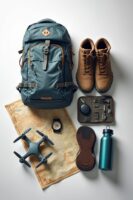
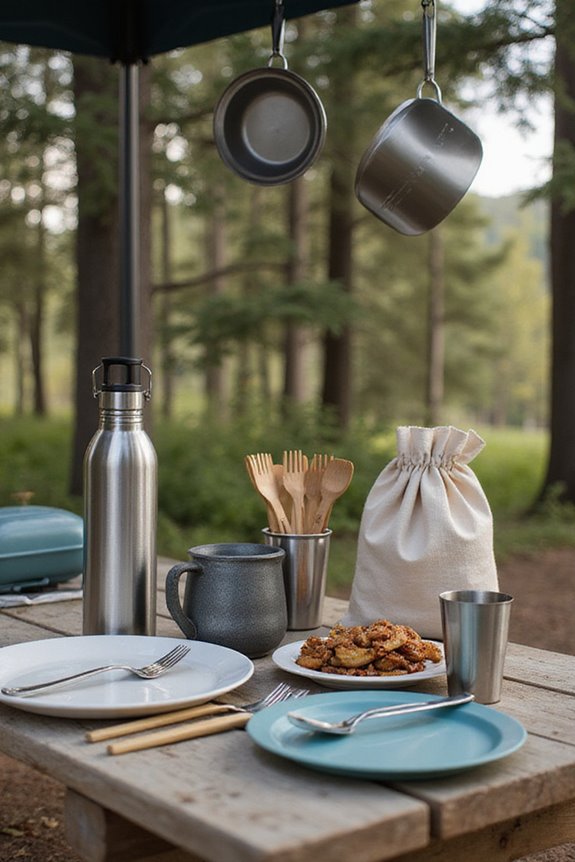
When it comes to camping, a surprising number of adventurers don’t realize how easily they can embrace reusable alternatives to cut down on plastic use. Imagine packing lightweight silicone containers for food storage, which are not only durable but also a breeze to clean. Stainless steel containers keep meals warm or cool, while eco-friendly wraps, like beeswax, offer a plastic-free way to cover leftovers. Reusable baggies work wonders for snacks, and collapsible bottles save precious space. Multi-purpose utensils, like sporks, reduce the clutter of traditional gear. For cooking, nothing beats cast iron, which lasts a lifetime. Finally, don’t forget camp-safe soap that meets local wastewater and Leave No Trace guidance to keep nature happy. Embracing these options transforms any camping adventure into an eco-friendly experience!
Recommended Products

Quantity: You will receive 8 pcs collapsible bowls with lids, can easily meet your daily use

【ENLARGED SIZE】In regard to some customers' complaint of the small size of 11.8oz/350ml, we now launch a enlarged size: 27oz/800ml. This large collapsible food storage containers with lids are great for adult, family or single. Set of 4 pack. Please feel assured to buy and use them.

K-HOME VT COLLAPSIBLE SILICONE FOOD STORAGE CONTAINER SET OF 8.
Implement Effective Waste Management Practices
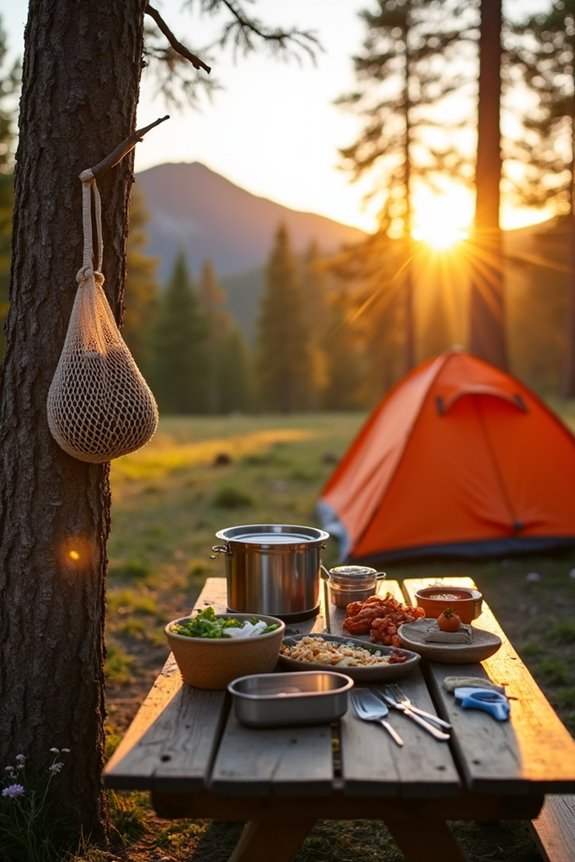
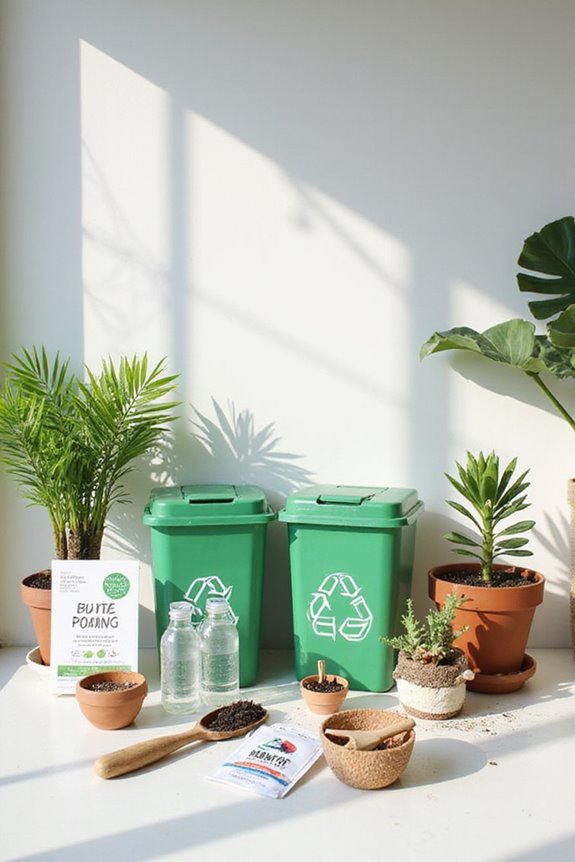
Camping is all about enjoying nature, but it can also come with a hefty dose of responsibility—especially when it comes to waste management. Effective waste segregation is key; clearly labeled bins for trash, recyclables, and compostables make it easy for campers to dispose of their waste correctly. Imagine this: vibrant signs guiding you to the right bin, ensuring you don’t accidentally toss that banana peel in the wrong place! Implementing food-scrap handling that follows the campsite’s rules can also transform food scraps into nutrient-rich soil, giving back to the earth. Regular cleaning schedules and education help maintain a serene camping environment, while also minimizing wildlife encounters. By making these practices fun and engaging, campers can feel good about their role in protecting the great outdoors.
Recommended Products

POP UP TRASH CAN - Keep your campsite, yard, or RV tidy with this camping trash can collapsible bin. The spring built into this outdoor garbage can allows it to pop up to full height in seconds, so it’s ready to get to work wherever adventure takes you.
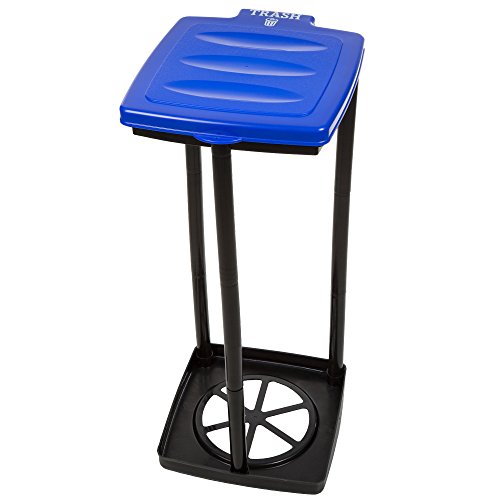
PORTABLE TRASH BAG HOLDER - This plastic bag holder lets you easily and conveniently dispose of trash in a sanitary manner no matter where you are. It's simple to assemble and disassemble, so it will be ready quickly for at-home or on-the-go use.
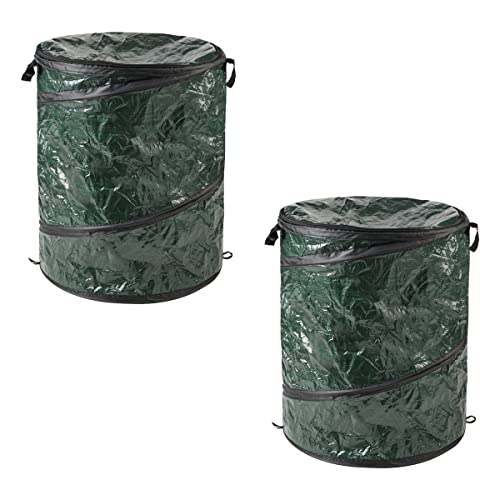
POP UP TRASH CAN SET OF 2 - This camping trash can set of 2 can be used for yard work, collecting empty bottles after parties, keeping your campsite clean, or even use it as a laundry basket. With a 29.5-gallon capacity each, the possibilities are endless.
Minimize Equipment and Tent Waste
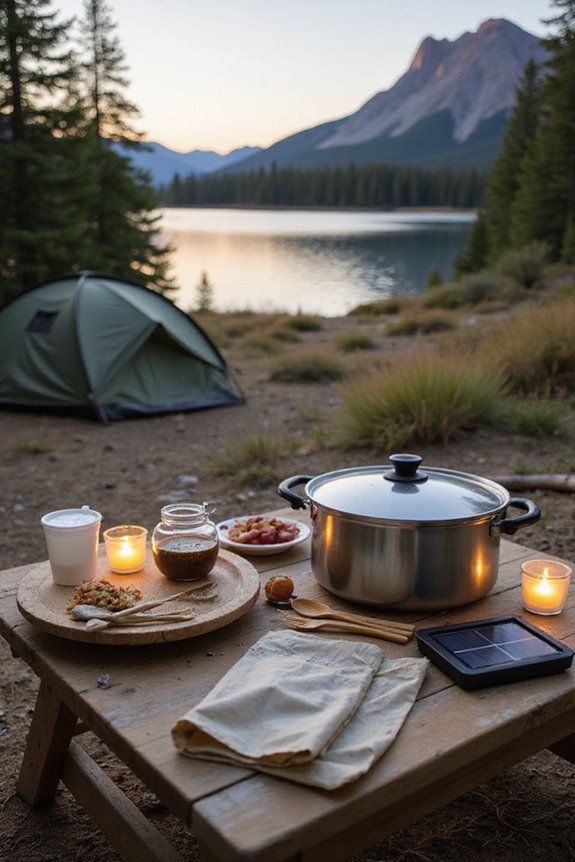
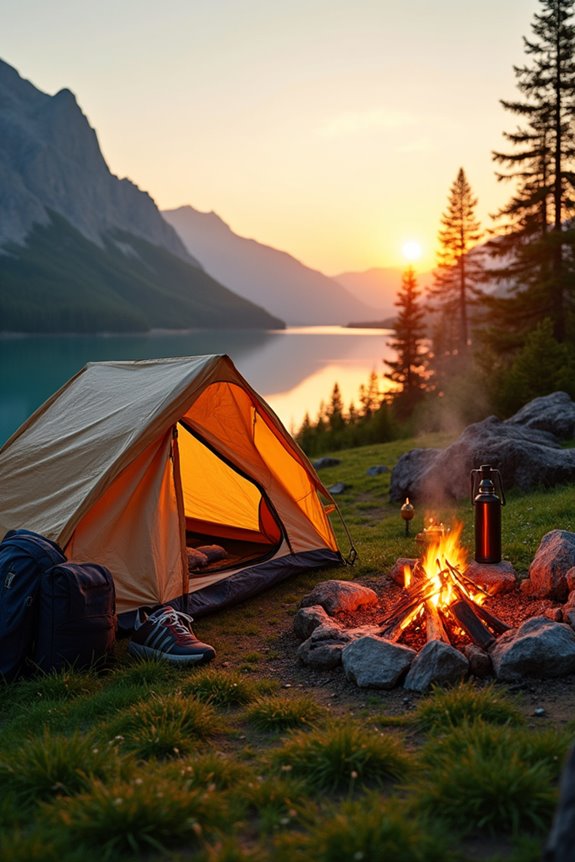
Reducing waste while setting up camp can feel like a game of Tetris, where every piece needs to fit perfectly without leaving a trail of plastic behind. Choosing durable tent materials, like recycled polyester or PFC-free fabrics, is a great start. Minimalist tent designs not only cut down on unnecessary bulk but also use fewer materials, which means less waste during production. Opting for multi-functional gear, such as a tent with an integrated vestibule, keeps plastic clutter at bay. And let’s not forget the importance of repair kits; fixing a tear can extend a tent’s life remarkably. Additionally, selecting inflatable tents can reduce the need for traditional poles, making them both lightweight and eco-friendly. By being thoughtful about equipment choices and repairs, campers can meaningfully contribute to waste reduction while enjoying the great outdoors.
Recommended Products

Lightweight and quick drying in warm climates.
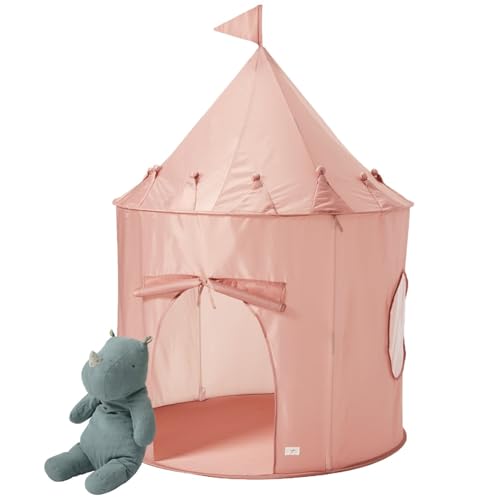
🎪 𝗞𝗜𝗗𝗦 𝗨𝗟𝗧𝗜𝗠𝗔𝗧𝗘 𝗧𝗘𝗡𝗧 𝗘𝗫𝗣𝗘𝗥𝗜𝗘𝗡𝗖𝗘: Transform any indoor space into a magical adventure with our 3 Sprouts kids play tents. It's perfect for sparking your child's imagination, fostering creativity, and providing hours of independent, screen-free playtime. Whether it's a toddler tent, a cozy hideaway or a reading nook for kids ages 3-10, this foldable tent is adaptable to the various play needs of children as they grow.

🎪 𝗞𝗜𝗗𝗦 𝗨𝗟𝗧𝗜𝗠𝗔𝗧𝗘 𝗧𝗘𝗡𝗧 𝗘𝗫𝗣𝗘𝗥𝗜𝗘𝗡𝗖𝗘: Transform any indoor space into a magical adventure with our 3 Sprouts kids play tents. It's perfect for sparking your child's imagination, fostering creativity, and providing hours of independent, screen-free playtime. Whether it's a toddler tent, a cozy hideaway or a reading nook for kids ages 3-10, this foldable tent is adaptable to the various play needs of children as they grow.
Make Sustainable Purchasing Choices
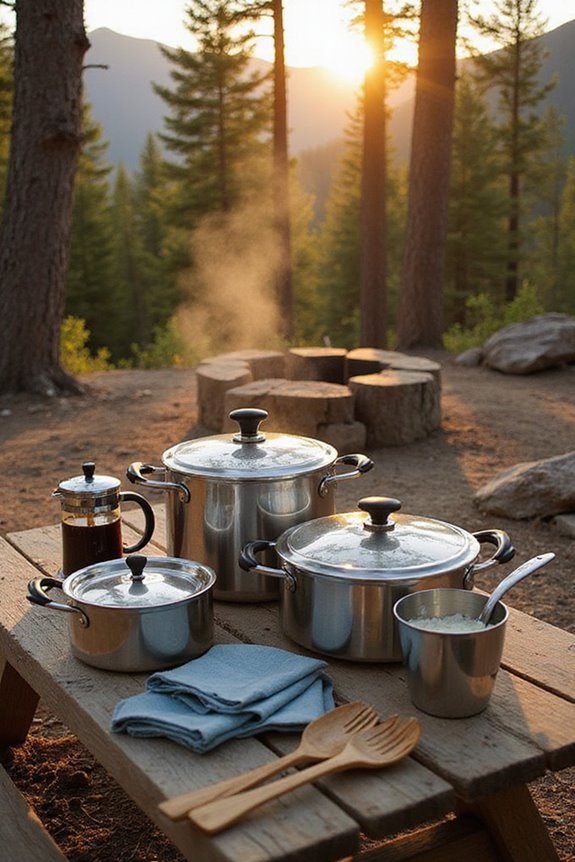
Outfitting for a camping adventure is like assembling a puzzle, where every piece matters, especially those that don’t come wrapped in plastic. Choosing sustainable gear can transform the experience, making it not only enjoyable but also eco-friendly. Opting for items made from recycled polyester or organic cotton guarantees that the adventure supports the planet. Look for certifications like bluesign® and fair trade to confirm safety and ethical practices. Buying used or refurbished gear extends the life of equipment, cutting carbon emissions considerably. Investing in durable, multi-use products means less frequent replacements, while also saving money. Each decision, from eco-friendly materials to responsible brands, shapes a camping trip that’s as kind to nature as it is to adventure-seekers.
Recommended Products

Lightweight quick-dry fabric keeps you cool, dry, and comfortable during hiking, camping, and warm-weather outdoor travel. Stretch performance moves naturally on trails, climbs, and long days outside
Adopt Minimal Waste Camping Techniques
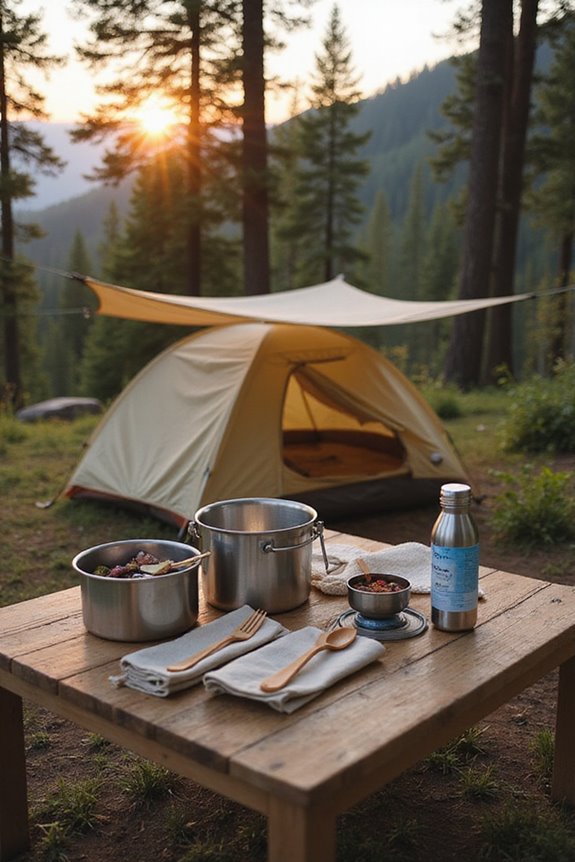
When it comes to embracing the great outdoors, many adventurers discover that the secret to a memorable trip lies in minimizing waste. By adopting minimal waste techniques, campers can enhance their experience while protecting nature. Planning meals ahead of time helps avoid excess packaging, and preparing food at home means less reliance on single-use snacks. Packing reusable utensils and containers, like beeswax wraps, not only cuts down on plastic but adds a touch of style to camp cuisine. Following Leave No Trace principles guarantees that every piece of trash makes it back home. Plus, using camp-safe soap that meets local wastewater and Leave No Trace guidances and practicing water conservation can keep campsites pristine. With these sustainable camping strategies, adventurers can enjoy the beauty of nature while leaving it untouched for future explorers.
Engage in Community Cleanup Efforts
There’s something undeniably energizing about a community cleanup effort, where a diverse group of people comes together with a common goal: to restore the beauty of their shared environment. Imagine this: hundreds of volunteers, armed with gloves and trash bags, united in community outreach to tackle litter and plastic debris. Since 1985, initiatives like California Coastal Cleanup Day have mobilized over 1.6 million volunteers, collecting a staggering 26 million pounds of trash! These volunteer initiatives not only remove waste but also foster connections among community members, turning cleanup days into celebrations of teamwork. Plus, they create opportunities for local leaders to emerge, enhancing skills and awareness around plastic pollution. Together, they make a difference, one piece of trash at a time!
Stay Informed on Policy Changes
Staying informed about policy changes related to plastic use can feel like maneuvering through a maze, especially with the constant shifts and updates coming from various levels of government and organizations. Maintaining policy awareness is vital for campers who want to reduce their plastic footprint. Legislative updates, like the U.S. Plastics Pact aiming for 50% recycling by 2026, highlight the urgency for action. States like New York are pushing for reductions in single-use plastics, but industry opposition complicates progress. By staying updated, campers can align their practices with current regulations, ensuring they contribute to a more sustainable environment. After all, every little effort counts in the battle against plastic pollution, making awareness not just beneficial, but essential.
Promote Behavioral Changes Among Campers
Transforming camping habits can seem like an intimidating task, but it’s as simple as swapping a few old routines for new, eco-friendly ones. By fostering peer influence and community accountability, campers can inspire each other to adopt better practices. Joining camping clubs or groups can enhance this dynamic, as members share tips and motivate one another. Imagine a group of friends organizing a clean-up after a trip, realizing just how much waste they generated—it’s a powerful eye-opener! Plus, when campers see others using reusable gear, like water bottles and utensils, it becomes the norm. Engaging in workshops or talks at campgrounds can further reinforce these behaviors, making sustainable camping not just a choice but a shared adventure.
Waste and wastewater rules vary by campsite and jurisdiction. Check official guidance before departure, keep food and rubbish secure from wildlife, and pack out all items that the site does not explicitly accept.
Frequently Asked Questions
What Are Eco-Friendly Alternatives to Traditional Camping Gear?
In the domain of outdoor adventures, eco-conscious enthusiasts embrace alternatives such as biodegradable utensils and reusable containers, harmonizing their journeys with nature while minimizing waste, ultimately fostering a more sustainable and joyful camping experience for all.
How Can I Convince Friends to Reduce Plastic Use While Camping?
To persuade friends to reduce plastic use while camping, one could organize group activities that highlight the benefits of sustainable practices. Utilizing persuasive techniques, such as sharing impactful statistics, can effectively motivate collective action towards eco-friendly choices.
Are There Apps to Help Track Plastic Waste During Camping Trips?
Amidst nature’s symphony, technology emerges as a beacon. Various apps offer innovative plastic tracking solutions, empowering campers in waste management, fostering accountability, and illuminating paths toward sustainable outdoor experiences. Each click contributes to a cleaner, greener planet.
What Should I Do if I Find Plastic Waste While Camping?
Upon discovering plastic waste while camping, one should employ effective plastic disposal strategies, remove the debris, and participate in a campsite clean up to enhance environmental preservation and promote responsible waste management among fellow campers.
How Can I Educate Children About Reducing Plastic Use Outdoors?
Make the lesson practical: let children help plan a reusable kit, identify packaging that can be avoided, sort items according to local rules, and keep a simple pack-in/pack-out checklist. Use age-appropriate supervision around sharp waste, food storage, water, and wildlife.