As an Amazon Associate, we earn from qualifying purchases. Some links on this site are affiliate links at no extra cost to you. Our recommendations are based on thorough research and editorial judgment.


How to Volunteer for Outdoor Causes: A Practical Guide

Outdoor volunteering can support parks, habitats, wildlife, waterways, and local communities while giving participants practical experience. Choose a credible organizer, understand the task and physical demands, follow safety instructions, and select a role that matches your skills, access needs, schedule, and comfort outdoors.
Key Takeaways
- Consider habitat restoration, trail work, cleanups, wildlife support, education, or community projects.
- Check the organizer’s mission, supervision, insurance, equipment, safeguarding, and use of donations.
- Ask about physical demands, weather, terrain, accessibility, transport, water, and first-aid arrangements.
- Bring task-appropriate clothing and follow all environmental and site rules.
- Choose meaningful, well-organized work and give feedback that can improve future events.
Understanding the Benefits of Outdoor Volunteering
You may be interested



Outdoor volunteering may build practical skills, social connection, environmental awareness, and a sense of contribution. Physical activity and time outside can feel rewarding, but organizers should not promise health outcomes. Choose a role that is safe and sustainable for your own ability and schedule.
Exploring Popular Outdoor Volunteer Opportunities
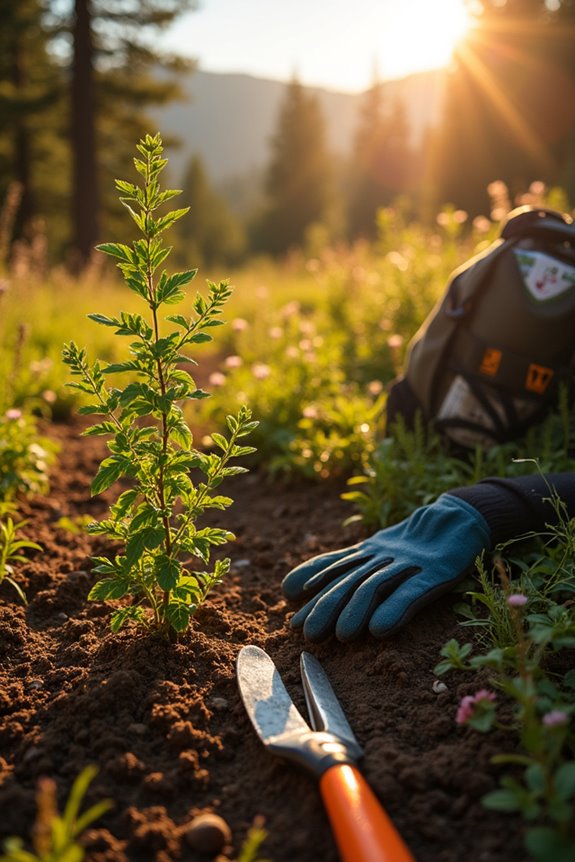
Common options include trail maintenance, invasive-plant removal, habitat restoration, litter cleanups, citizen-science support, wildlife monitoring, park assistance, and environmental education. Ask what training is provided, how the work is supervised, where the results are reported, and whether the project is appropriate for your experience.
Engaging With Community Environmental Initiatives
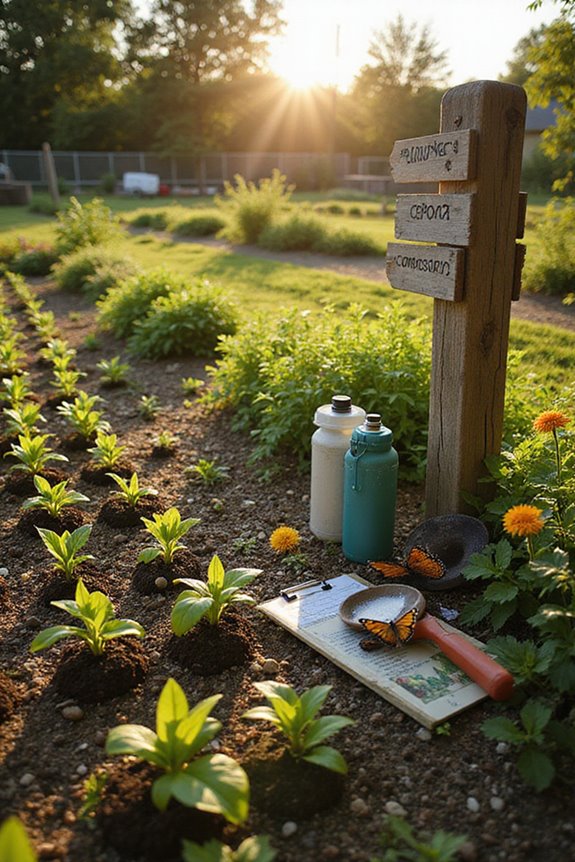
Local environmental groups may organize tree care, neighborhood cleanups, waterway monitoring, gardens, repair events, and public education. Start with a project that explains its goals and community relationships clearly. Respect residents, obtain permission where required, and follow local waste, planting, and wildlife rules.
Utilizing Technology for Volunteer Recruitment
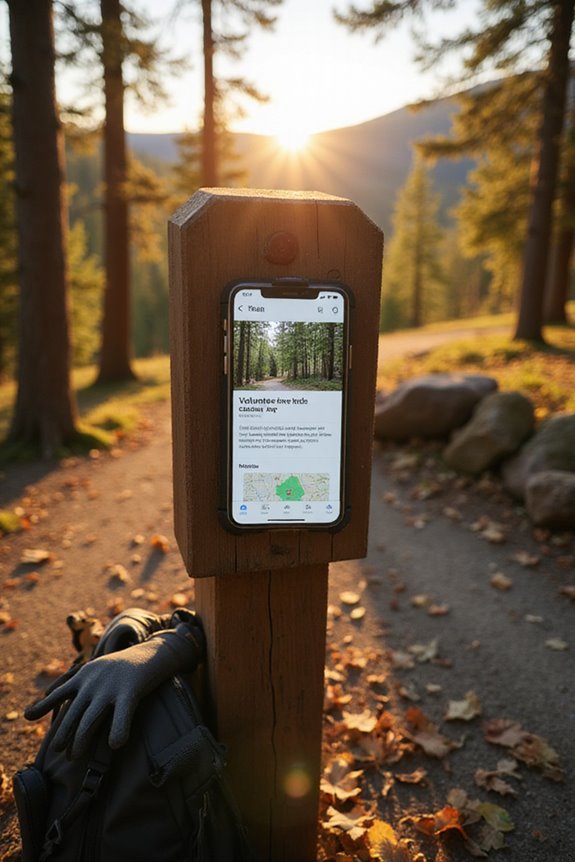
Organizations can use volunteer platforms, email, social channels, and scheduling tools to explain roles and reach participants. Good listings state the location, time, physical demands, age or supervision rules, equipment, weather plan, contact person, cancellation process, and how personal information is handled.
Overcoming Challenges in Outdoor Volunteering
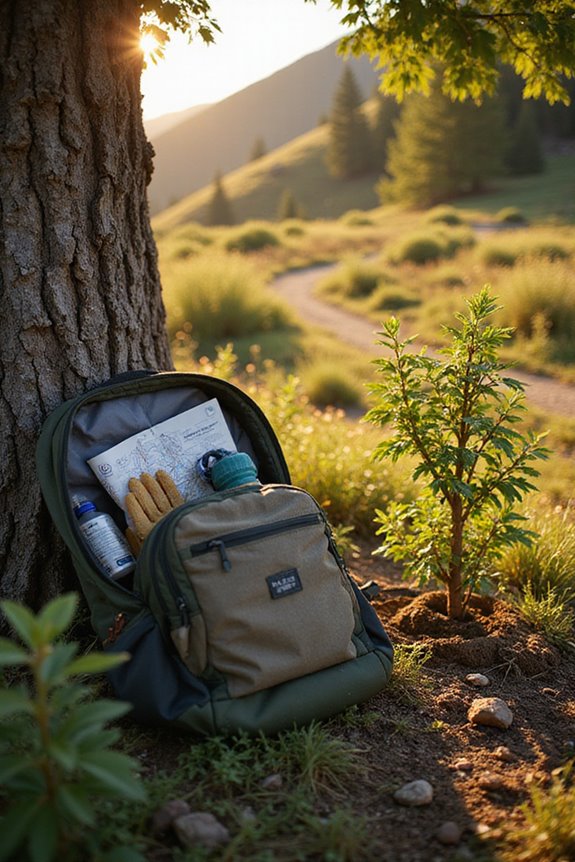
Outdoor work can involve heat, cold, rain, uneven ground, tools, insects, or lifting. Organizers should provide a clear briefing, suitable equipment, supervision, emergency contacts, breaks, water, and accessible alternatives where possible. Tell the leader about relevant limitations before the task begins and stop if conditions become unsafe.
Strategies for Sustaining Volunteer Engagement
Retention improves when volunteers understand the purpose of a task, receive realistic role descriptions, get useful feedback, and can choose a sustainable schedule. Thank people specifically, offer learning opportunities, listen to concerns, and avoid treating unpaid labor as unlimited availability.
Frequently Asked Questions
What Skills Are Beneficial for Outdoor Volunteering Roles?
Useful skills include communication, teamwork, reliability, basic tool or outdoor knowledge, observation, first aid, data recording, teaching, and respectful community engagement. Many programs provide training, so ask what is required before applying.
How Can I Find Local Outdoor Volunteering Events?
Check official park, conservation, community, university, and nonprofit websites, local event listings, libraries, and community groups. Verify the organizer, location, task, contact details, fees, age rules, and cancellation plan before registering.
Are There Age Restrictions for Outdoor Volunteer Programs?
Rules vary by organizer and task. Some roles require a minimum age, parental consent, adult supervision, training, or a different assignment for younger participants. Confirm the current requirements before attending.
What Should I Wear for Outdoor Volunteering Activities?
Wear sturdy, task-appropriate footwear, comfortable layers, sun or rain protection, gloves when supplied or recommended, and clothing that can get dirty. Bring water and personal medication, then follow the organizer’s equipment list and weather guidance.
Can I Volunteer as a Group or Organization?
Often, yes. Contact the organizer with the group size, ages, dates, skills, access needs, and preferred task. Confirm supervision, waivers, equipment, transport, and whether the project can handle the group without disrupting local work.