As an Amazon Associate, we earn from qualifying purchases. Some links on this site are affiliate links at no extra cost to you. Our recommendations are based on thorough research and editorial judgment.

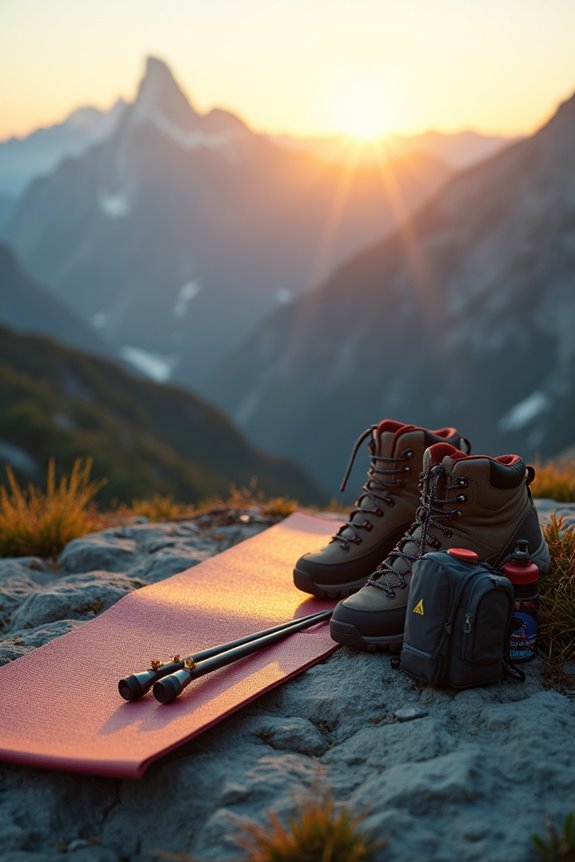
Best Yoga Poses for Hikers: Mobility, Balance, and Recovery

Yoga can complement hiking by encouraging gentle mobility, balance, body awareness, and recovery. Choose poses that feel comfortable, breathe normally, avoid forcing a range of motion, and stop when pain, dizziness, numbness, or unusual symptoms appear. A qualified clinician can help if you have an injury or medical condition.
Key Takeaways
- Use gentle poses for hips, calves, hamstrings, spine, shoulders, and ankles.
- Warm up with easy movement before deeper stretching and avoid forcing end ranges.
- Use balance poses near support and adapt them to your experience and the surface.
- Yoga can complement hiking preparation, but it does not replace strength, aerobic conditioning, or recovery.
- Practice on a stable surface and stop if a pose causes pain, numbness, dizziness, or breathing difficulty.
Hip and Quadriceps Openers
You may be interested

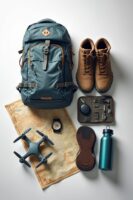
Low Lunge and other gentle hip-flexor or quadriceps stretches can feel useful after sitting or climbing, but keep the front knee comfortable and support the back knee. Move slowly, keep the spine easy, and avoid sinking deeper just to imitate a pose.
Recommended Products

Relax Your Body:The Stretch strap & leg stretcher is perfect for Physical therapy is perfect for stretch foot,waist and hand.Assist stretching after exercise,relieve muscle soreness,improve muscle flexibility,and also improve back pain caused by lack of exercise for a long time.
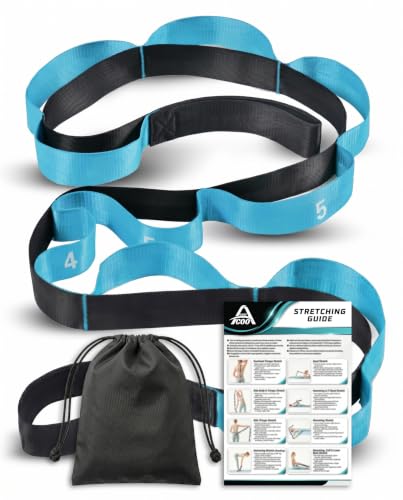
[2 VERSATILE OPTIONS FOR YOUR NEEDS] Available in two tailored styles. Choose our Professional 86" x 1.5" Strap featuring 10 numbered loops, a carry pouch, and an exercise guide for structural rehab. Or opt for our Minimalist 75" x 1" Strap for a sleek, lightweight, unnumbered stretching experience
Hamstring and Calf Stretchers
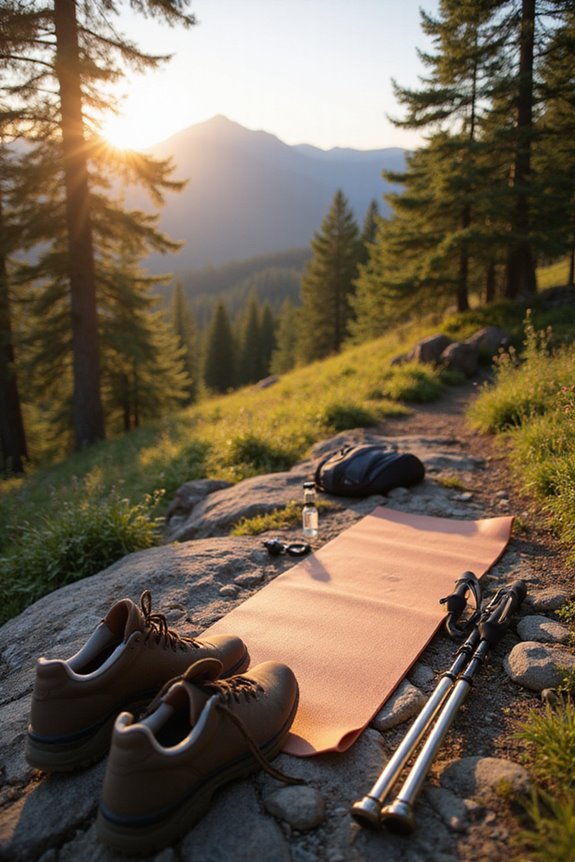
For calves and hamstrings, try gentle ankle movement, a supported downward-facing position, or a comfortable standing stretch. Keep a slight knee bend if needed, avoid bouncing, and use the intensity that allows relaxed breathing. Stretching should not cause sharp pain or tingling.
Recommended Products
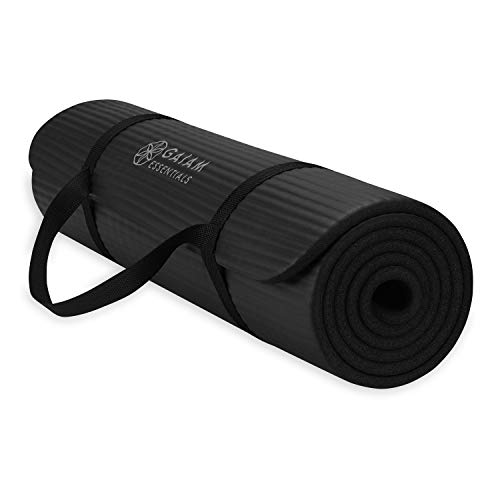
Extra-Thick Cushioning for Joint Comfort : Made with 10mm (2/5") high-density NBR foam, this mat delivers plush cushioning that helps reduce pressure on knees, hips, and joints—ideal for beginners, low-impact yoga, Pilates, stretching, floor exercises, and home workouts on hard surfaces.

Extra thick, cushy floor mat in Black for yoga, gym, and everyday exercise
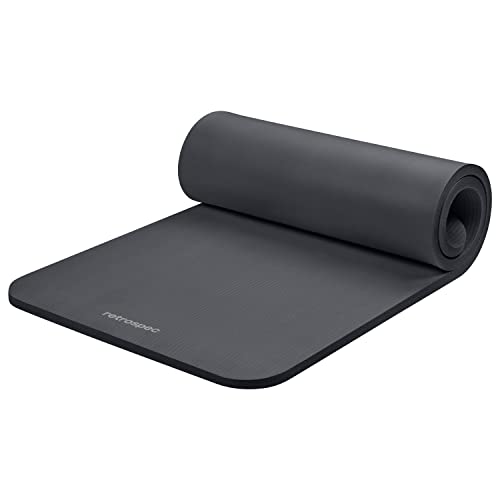
EXTRA THICK FOR COMFORT & BALANCE: Solana firm 1-inch extra thick fitness mat w/ mat strap alleviates stress on pressure points such as joints, hips, hands, and knees. Solana measures 72" X 24" X 1".
Spine and Back Mobility
Cat-Cow, Child’s Pose, and gentle rotations can move the spine through a comfortable range after a hike. Use slow transitions and support the body with a folded mat or cushion. Anyone with back symptoms should use individualized advice rather than copying a pose from a list.
Recommended Products

Extra-Thick Cushioning for Joint Comfort : Made with 10mm (2/5") high-density NBR foam, this mat delivers plush cushioning that helps reduce pressure on knees, hips, and joints—ideal for beginners, low-impact yoga, Pilates, stretching, floor exercises, and home workouts on hard surfaces.

Shoulder and Chest Openers
Pack carrying can make the shoulders feel stiff. Gentle chest opening, arm circles, and supported lunge variations may restore comfortable movement. Keep the neck relaxed, avoid forcing the arms overhead, and stop if symptoms travel into the arm or hand.
Recommended Products

Top Choice Stretching Strap for Physical Therapy: The OPTP Stretch Out Strap was the first stretching strap on the market in 1993 and is still recommended by physical therapists and athletic trainers. Backed by +27K reviews.
![YOGAER Yoga Mat Strap Carrier, Adjustable Thick Straps Sling for Carrying Large Mats, Stretching Band [Mat Not Included]](https://m.media-amazon.com/images/I/31VfX0MkrHL._SL500_.jpg)
HANDS-FREE COMMUTE & EASY CARRY: Transform your heavy yoga mat into a portable backpack in seconds. This Yoga Mat Strap serves as a lightweight alternative to bulky bags, allowing you to sling your gear over your shoulder or across your body. Perfect for walking to the studio, cycling to the gym, or traveling hands-free

Yoga Mat Slap Band - Secure your mat with one snap. The yoga strap easily "slaps" around your mat to keep it rolled and in place. The sleek band helps keep your yog mat in place without adding bulk.
Balance and Strength Builders
Tree Pose, Warrior variations, and supported single-leg work can challenge balance and leg control. Practice next to a wall or stable object, keep your gaze steady, and choose a simpler variation on tired legs. Yoga can supplement hiking strength work but should not be the only preparation for a demanding route.
Recommended Products
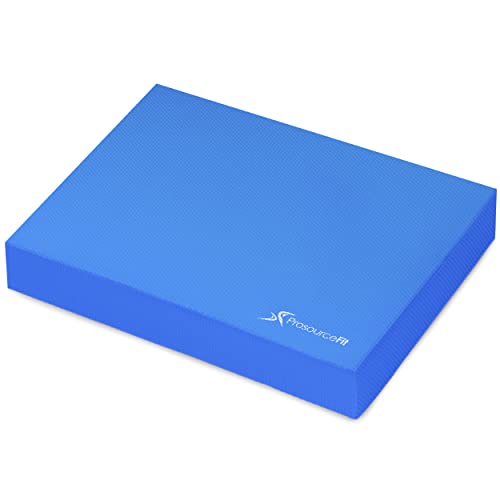
IMPROVE BALANCE & STRENGTH – Foam creates unstable surface for working on balance & core strength, which also strengthens feet/ankles for rehabilitation after injuries
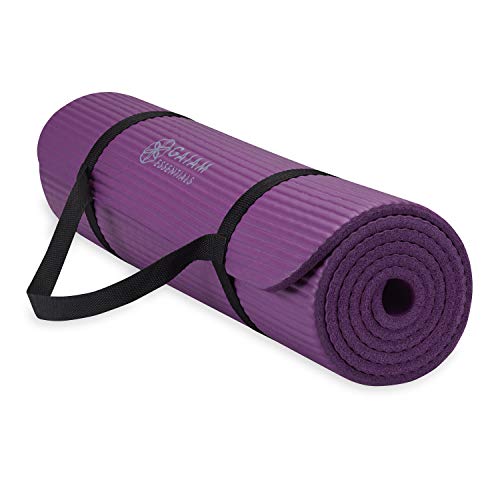
Extra-Thick Cushioning for Joint Comfort : Made with 10mm (2/5") high-density NBR foam, this mat delivers plush cushioning that helps reduce pressure on knees, hips, and joints—ideal for beginners, low-impact yoga, Pilates, stretching, floor exercises, and home workouts on hard surfaces.
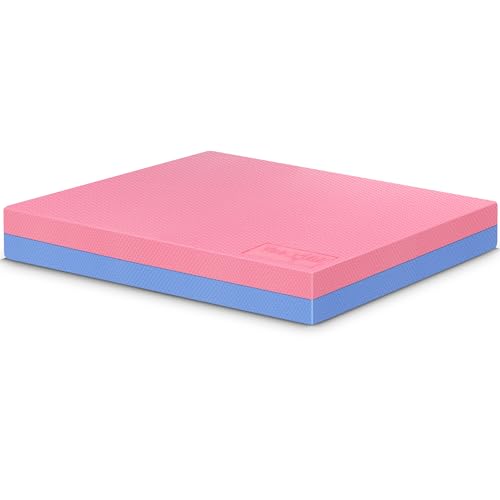
BOOST STABILITY AND COMFORT: 15.5 x 13.5 x 2.4 in. foam balance pad enhances daily workouts and mobility with firm cushioning support for balance training, yoga exercises, and low-impact movement
Recovery and Relaxation
A recovery session can use comfortable floor poses, slow breathing, and light movement rather than aggressive stretching. Rehydrate, eat appropriately, sleep, and check for injury signs. If pain persists or affects normal movement, pause training and seek appropriate medical guidance.
Benefits of Yoga for Hikers
Yoga may support flexibility, balance, movement awareness, relaxation, and a mindful transition between activity and rest. The effect varies by person and practice. It should be presented as a complement to progressive hiking training, strength work, foot care, nutrition, and recovery—not a guarantee against injury.
Incorporating Yoga Into Your Hiking Routine
Use easy movement before a hike, brief mobility breaks during long travel or rest stops, and gentle recovery work afterward. Keep pre-hike movement dynamic and comfortable; save longer, calmer stretches for when the body is warm and you are finished with demanding activity.
Tips for Practicing Yoga Outdoors
Choose a level, dry surface away from traffic, cliffs, loose rock, and other hazards. Bring a mat or towel, water, sun and insect protection, and clothing suited to the weather. Check forecasts, respect protected areas, and stop if heat, cold, wind, or unstable ground makes practice unsafe.
Frequently Asked Questions
How Often Should Hikers Practice Yoga for Optimal Benefits?
There is no single ideal frequency. Start with short, comfortable sessions that fit your training and recovery, then adjust based on how your body responds. Consistency and appropriate intensity matter more than a fixed weekly number.
Can Yoga Help Prevent Hiking Injuries?
Yoga may support mobility, balance, and body awareness, but it cannot guarantee injury prevention. Pair it with gradual hiking progression, strength, suitable footwear, rest, and professional advice when pain or symptoms persist.
What Is the Best Time to Do Yoga Before Hiking?
Use gentle movement before hiking to raise comfort and readiness, and avoid intense or long-held stretches when you are cold. A calmer recovery session can fit after the hike or on a rest day.
Are There Specific Yoga Styles Recommended for Hikers?
Choose a style that matches your goal and experience. Gentle mobility, flow, or restorative work can all be appropriate when adapted to the person and activity. The teacher’s guidance and your comfort matter more than the style label.
How Can I Maintain Balance During Yoga on Uneven Terrain?
Use a stable, level surface whenever possible. If the ground is uneven, simplify the pose, widen your stance, use a secure support, and avoid practicing near drop-offs or loose ground. Balance work is optional when conditions are unsafe.