As an Amazon Associate, we earn from qualifying purchases. Some links on this site are affiliate links at no extra cost to you. Our recommendations are based on thorough research and editorial judgment.

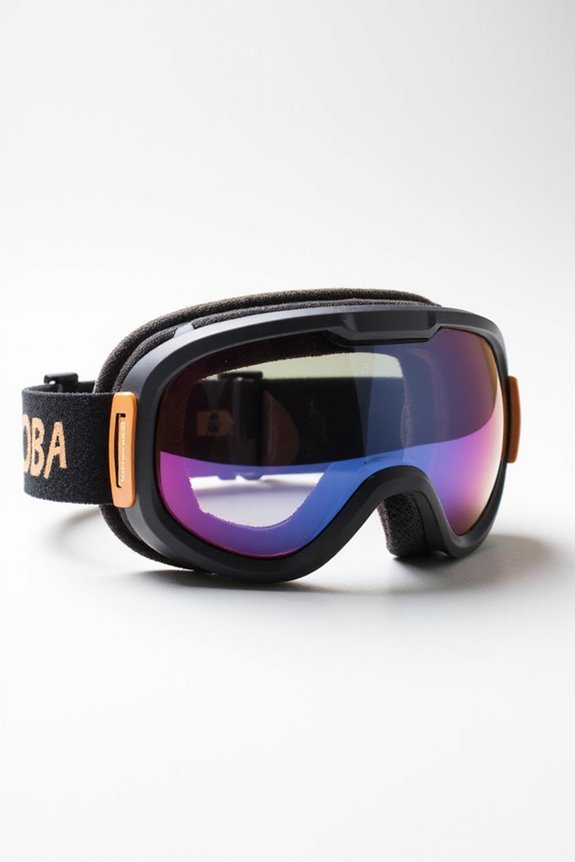
How to Choose Ski Goggles

Choosing ski goggles is mainly about clear vision, comfortable fit, weather protection, and compatibility with your helmet or glasses. Compare lens shape, visible-light transmission, tint, contrast, UV protection, anti-fog treatment, ventilation, frame size, foam, strap, replacement lenses, and the conditions in which you ski.
Key Takeaways
- Determine the right lens type—spherical for peripheral vision, cylindrical for glare reduction, or toric for optimal clarity.
- Choose lens tint based on weather conditions: darker tints for sunny days and lighter tints for overcast conditions.
- Consider frame style: full-frame for support, frameless for visibility, or semi-frameless for a balance of both.
- Look for interchangeable lenses with modern systems for quick adjustments to changing light conditions.
- Set a budget and compare brands, focusing on trusted names like Smith and Oakley for quality and performance.
Understanding Lens Types
Spherical, cylindrical, and toric lenses use different curvature designs that can affect field of view, distortion, fit, and optical feel. The shape alone does not determine visibility; compare the lens quality, coatings, visible-light transmission, frame, and fit with your helmet and face.
Selecting the Right Lens Tint and Color
You may be interested

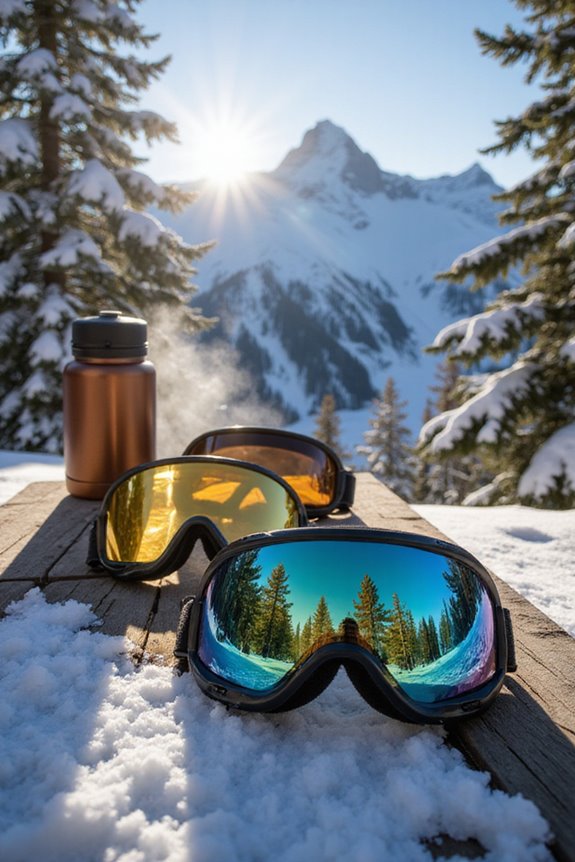
Choose tint and visible-light transmission for the light you expect: brighter conditions generally call for more glare control, while low-light or flat-light conditions need a lens that does not make the slope too dark. Check the manufacturer’s stated category or VLT range, contrast features, and whether an interchangeable lens is included for changing weather.
Recommended Products

OTG (Over-The-Glasses) Design: Ski goggles that fits over glasses. Suitable for both adults and youth

CHANGE YOUR LENS IN UNDER 60 SECONDS: Our ski goggles are designed with premium magnetic lens security, to allow a quick lens swap for customized and optimal performance in almost any light condition. The interchangeable Roca snowboard goggles offer different Aurora lens options in a wide range of colors and tints for all-day use. Additional snow goggle lenses are available for separate purchase
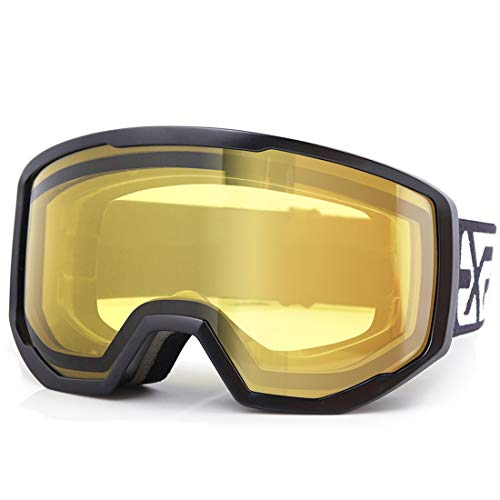
Clear, Distortion-Free Vision with Advanced Anti-Fog Technology: Experience uninterrupted runs with our anti-fog coated lens that resists moisture buildup. The wide-view design delivers crisp optics across your peripheral vision, helping you spot terrain details whether you're exploring backcountry trails or cruising resort slopes. Strategic top and bottom vents promote consistent airflow, minimizing fogging even during intense runs.
Frame Style and Fit Considerations
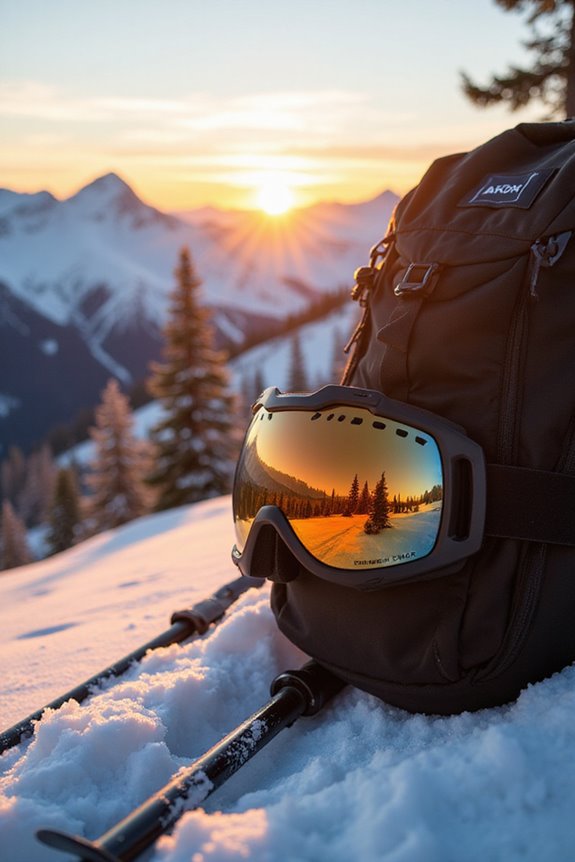
Compare full-frame, frameless, and semi-frameless designs by field of view, face shape, foam seal, strap adjustment, helmet gap, pressure points, and compatibility with prescription glasses or an OTG design. Try the goggles with the helmet and layers you will actually wear.
Recommended Products

OTG (Over-The-Glasses) Design: Ski goggles that fits over glasses. Suitable for both adults and youth

Frame Type Full Rim
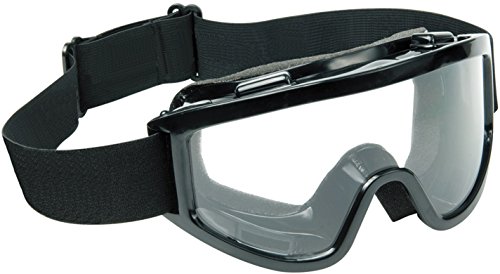
Durable, impact resistant poly-carbonate lens
Exploring Interchangeable Lenses and Technology
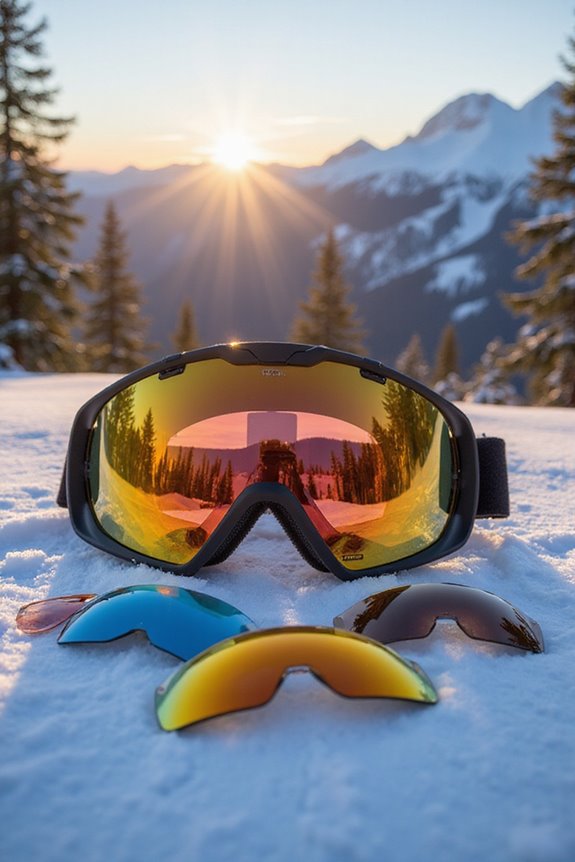
Interchangeable lenses can help when light changes, but compare the included lenses, replacement cost, storage, switching method, fit, and risk of losing a lens. Magnetic systems may be convenient, while any lens still needs careful cleaning and scratch protection. Check the manufacturer’s compatibility list before buying extras.
Recommended Products

Effortless Lens Swapping: This ski goggles has amazing magnetic interchangeable detachable lens design with 20 magnets, easy to change different lenses and can be very sturdy. All lenses offer great panoramic vision, perfect for sunny, cloudy days and at night! Suitable for men and women skiing all the day.

Effortless Replacement Lens Swapping: Equipped with 8 strong magnets, our lenses securely and seamlessly snap into the frame for a fast and hassle-free change.

The Ultimate Ski Goggles Set: The set includes 1 ski goggles and 1 bonus detachable lens(Yellow lens Vlt 80%), suitable for adults in skiing, snowboarding or skating. With 2 interchangeable lens, you can change it in a second and ski under any weather, not only meets both men and women skiing needs, but also provides perfect protection.
Evaluating Price and Brand Options
Compare the current price with optical quality, lens technology, fit, anti-fog performance, replacement-lens availability, warranty, and included accessories. A higher price is useful only when the features match your conditions and the goggle remains comfortable for a full day.
Review the brand’s size guide, return policy, replacement parts, and user feedback. Treat brand reputation as one input, not proof that every model fits or performs the same way.
Tips for Trying on Goggles Before Purchase
Ever found yourself standing in a ski shop, staring at rows of ski goggles, wondering which pair will fit just right? First, consider goggle sizing—small, medium, large, or XL. Make certain they hug your face without pinching or gaps that let the cold sneak in. Remember to try them on with your helmet or beanie for that snug, gap-free fit. Adjustable straps are key; test them at max tightness to avoid a loose ride down the slopes. And if you wear glasses, look for OTG designs. Finally, don’t forget to check for comfort—thicker foam can cushion, but too much might fog up your vision. With these fit testing tips, you’ll be ready to conquer the mountain!
Before buying, test the goggles with the helmet, glasses, or balaclava you will actually wear. A gap, pressure point, damaged lens, or persistent fogging can compromise comfort and visibility on the slope.
Recommended Products
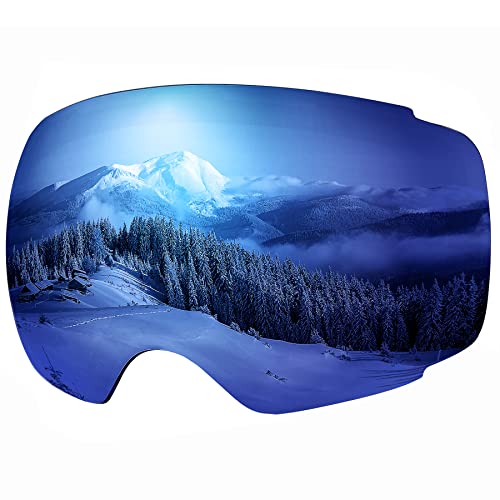
Replacement Lens: Different VLTs for different weather conditions. Over 20 different colored lenses, including 4 polarized options, 2 photochromic options
Frequently Asked Questions
How Do I Clean and Maintain My Ski Goggles?
Ironically, while many rush to wipe their goggles in haste, true goggle cleaning requires patience; gentle dabbing preserves lens maintenance, ensuring clarity. Avoid harsh materials and embrace air drying to prolong their life and performance.
Can I Use Ski Goggles for Other Winter Sports?
Ski goggles offer versatility and compatibility for various winter sports, effectively protecting against wind and snow. However, their effectiveness may vary depending on the activity’s speed and conditions, requiring consideration of fit and comfort.
What Is the Lifespan of Ski Goggles?
There is no universal lifespan. Sun exposure, scratches, impacts, foam compression, strap wear, moisture, cleaning, and frequency of use all matter. Replace goggles when the lens is damaged, coatings fail, the frame no longer seals comfortably, or visibility and fit are compromised.
Are There Specific Goggles for Night Skiing?
Specific goggles for night skiing typically feature night vision lenses with high VLT and appropriate lens tints. These enhancements improve visibility in low light conditions, ensuring a safer and more enjoyable skiing experience after dark.
How Do I Prevent Fogging in My Goggles?
To prevent fogging in goggles, one must prioritize anti-fog coatings and effective ventilation systems. Clear vents, active movement, and proper clothing also play critical roles in maintaining clarity and comfort during outdoor activities.