As an Amazon Associate, we earn from qualifying purchases. Some links on this site are affiliate links at no extra cost to you. Our recommendations are based on thorough research and editorial judgment.

How to Stay Hydrated During Outdoor Sports

Hydration during outdoor sports is a planning exercise, not a race to drink as much as possible. Start hydrated, bring enough safe fluid for the route, drink regularly in response to conditions and effort, and adjust for heat, altitude, duration, and access to water. Water is often suitable for shorter activities; longer or very sweaty sessions may call for food and an electrolyte plan. People with medical conditions or fluid restrictions should ask a clinician for individual guidance.
Key Takeaways
- Plan fluid access around the route, weather, duration, intensity, and opportunities to refill.
- Drink regularly without forcing excessive amounts; thirst, conditions, performance, and symptoms are useful cues.
- Water may be enough for shorter sessions, while longer or high-sweat activities may require carbohydrates and electrolytes.
- Protect drinks from heat and contamination, and avoid relying on untreated natural water.
- Stop for weakness, faintness, confusion, vomiting, or other heat-illness warning signs and seek help when needed.
Understanding Your Hydration Needs
You may be interested

Fluid needs vary with body size, pace, clothing, temperature, humidity, altitude, duration, and individual sweat rate. Use the route and forecast to estimate what you can carry and where you can refill. For repeated training, note what you drank, the conditions, how you performed, and how you felt afterward; this can help you build a personal plan without treating a generic number as a prescription. Do not use thirst, urine color, or a wearable alone as a diagnosis.
Pre-Exercise Hydration Strategies
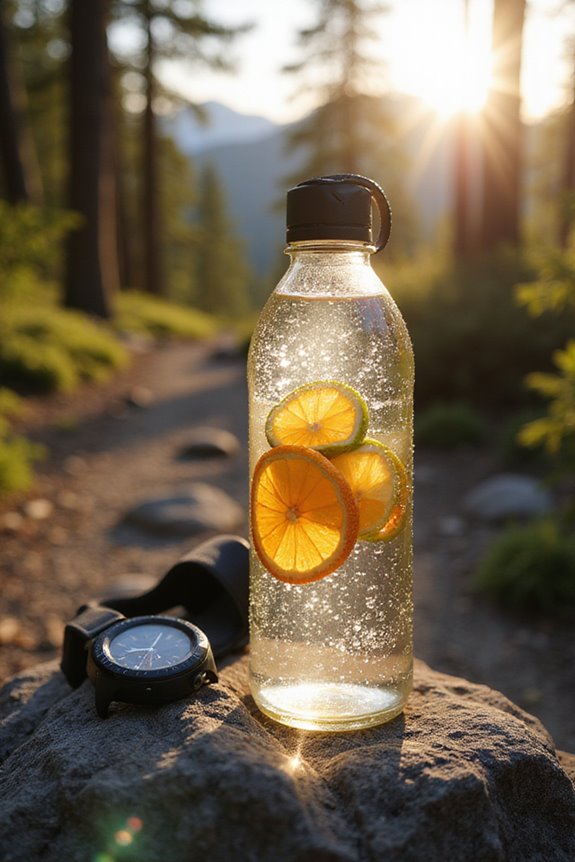
Begin the session normally hydrated rather than trying to compensate with a large drink immediately before exercise. Drink with meals and before departure, pack more for hot or remote routes, and include a refill or turnaround plan. Avoid starting with alcohol or a drink that you know upsets your stomach. If a clinician has limited your fluids or sodium, follow that advice instead of a general sports plan.
Recommended Products

Don't just hydrate, power your sweat session with a vital blend of sodium, calcium, potassium, and magnesium electrolytes
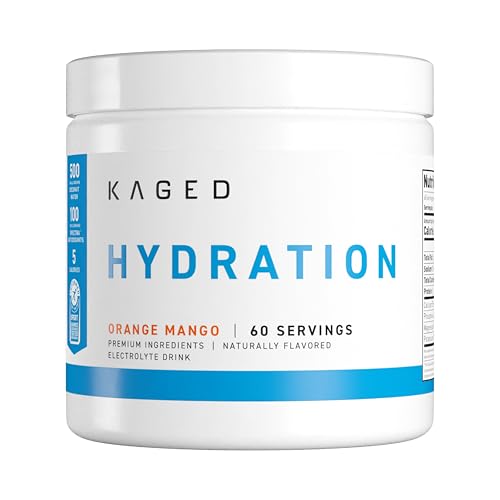
Enhances Performance & Endurance: With hydration boosting electrolyte minerals, Hydra-Charge is a delicious and refreshing electrolyte powder to replenish fluid balance before, during, and after workouts, or any time you need it. Each serving provides five essential electrolytes and a dose of taurine. Electrolytes to help hydrate your s faster and more effectively than water alone, the other to support endurance, cellular water balance, and electrolyte utilization

When you sweat, you lose more than water. Replace what has been lost with Gatorade
Hydration During Exercise
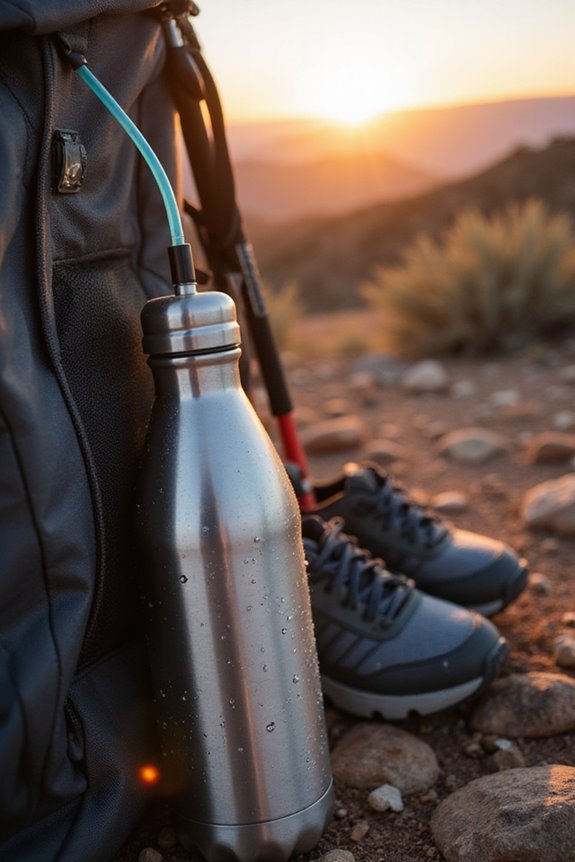
Take comfortable, regular drinks and adjust to heat, pace, terrain, and access to shade or water. Carry a bottle or reservoir you can use safely without losing awareness of traffic, footing, or other hazards. In hot conditions, slow the pace, seek cooler periods and shade, and watch teammates for weakness, dizziness, or confusion. Drinking far beyond thirst can also be dangerous, so avoid forced hydration.
Recommended Products

IDEAL GIFTS FOR FESTIVAL: Given its combination of smart features, excellent insulation, and stylish design, the BOOST Smart Water Bottle is not only a practical tool but also an excellent gift for anyone prioritizing health and wellness. You can earn points for every sip, which can be redeemed for discounts on future purchases—a rewarding way to stay hydrated and healthy!

💧 SMART LIGHT FOR WATER BOTTLE: Ulla is the world's first smart hydration reminder water bottle attachment! It can be seamlessly moved from bottle to bottle and uses smart detection sensors to remind you to drink water at least once per hour.

💧 SMART LIGHT FOR WATER BOTTLE: Ulla is the world's first smart hydration reminder water bottle attachment! It can be seamlessly moved from bottle to bottle and uses smart detection sensors to remind you to drink water at least once per hour.
Importance of Post-Exercise Rehydration
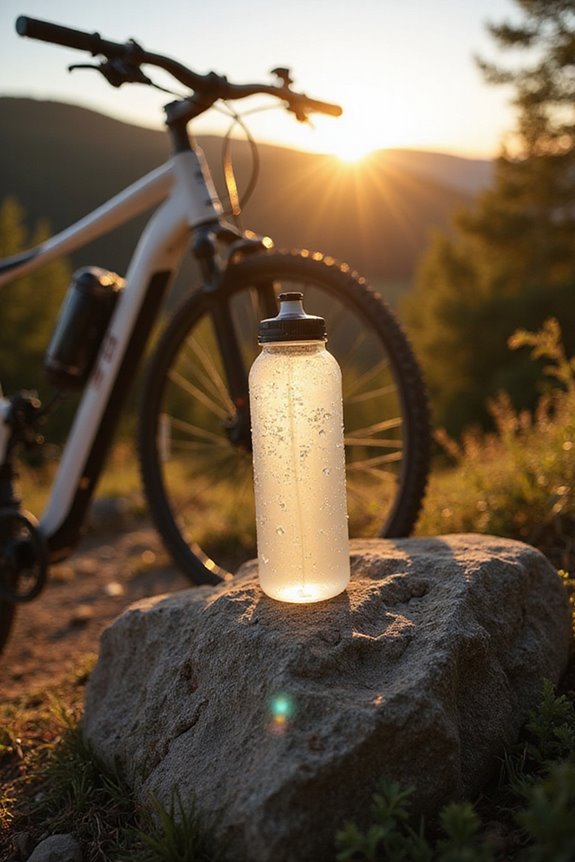
After exercise, replace fluids gradually through drinks and normal meals, especially if the session was long, hot, or unusually sweaty. Include salty foods or an appropriate electrolyte product when that fits your activity and diet. Rest, cool down, and monitor how you feel. Persistent vomiting, confusion, faintness, severe weakness, or worsening symptoms require prompt medical attention rather than more self-directed drinking.
Choosing the Right Fluids for Hydration
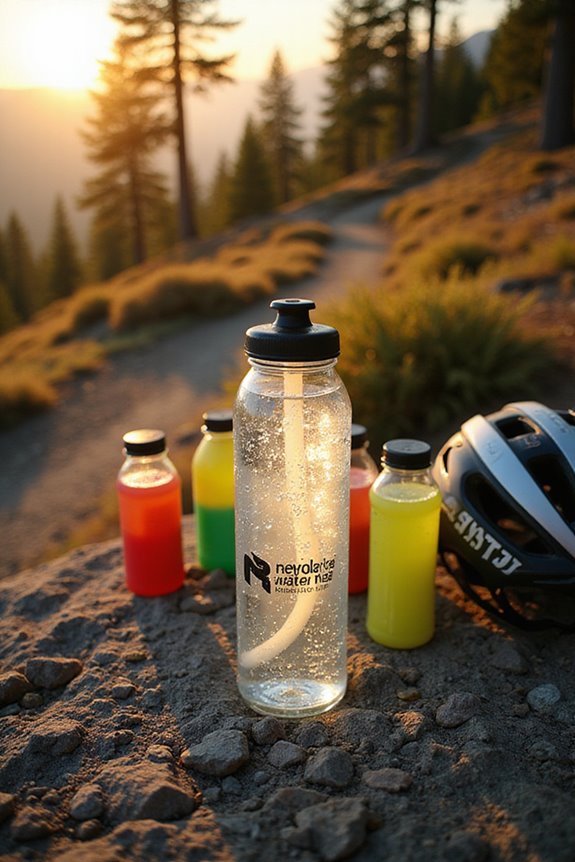
Plain water is a practical choice for many shorter sessions. For longer, harder, or very sweaty activities, a sports drink or electrolyte mix may add carbohydrates and sodium; choose by the duration, conditions, taste, stomach tolerance, and dietary needs. Read the label and test a product in training. Do not treat energy drinks, alcohol, or highly caffeinated products as a hydration plan.
Recommended Products

ELECTROLYTE POWDER NO SUGAR – Each serving contains 1000 mg of potassium and 40 mg of sodium sourced from pink Himalayan salt. Ideal for replenishing electrolytes during physical activity or exposure to heat. Additionally, this electrolyte powder offers a very unique blend of calcium, magnesium, and trace mineral complex. This refreshing and delicious Raspberry and Lemon flavor includes 100 servings.

ENHANCED FORMULA FOR YOU: Venture Pal high-sodium electrolyte powder packets provide 1000 mg of sodium per serving, along with essential electrolytes, in a zero-calorie, sugar-free formula to help keep you hydrated and performing your best during workouts or daily activities.

Balanced daily hydration: Ultima electrolyte powder packets deliver daily hydration with all 6 electrolytes—magnesium, calcium, potassium, chloride, sodium & phosphorus—plus vitamin C, zinc and delicious plant-based flavor without sugar and excess sodium
The Role of Electrolytes in Hydration
Sodium and other electrolytes support normal body functions, but more is not automatically better. Most people can use normal meals to replace routine losses; a planned electrolyte product may be useful when activity is prolonged or sweating is substantial. Avoid salt tablets or concentrated products unless a qualified professional has advised them, and check with a clinician if you have heart, kidney, blood-pressure, or fluid-balance concerns.
Recommended Products

Includes 10 Gatorade Thirst Quencher powder sticks each of Fruit Punch, Orange, and Lemon Lime flavors
Monitoring Your Sweat Rate
You can learn useful patterns by recording body weight before and after comparable sessions, the weather, duration, fluid intake, and symptoms, but home estimates are imperfect. Wearables and sweat tests may offer additional information without replacing judgment. Use the results to plan access to fluid and electrolytes, not to force a rigid target or chase zero weight change during every session.
Special Considerations for Different Athletes
Endurance athletes may need a more detailed plan for long events, including fluid access, carbohydrates, sodium, pacing, and practice in similar conditions. Children and young athletes need scheduled access to drinks, shade, supervision, and a lower tolerance for heat stress. Older adults and people with medical conditions may not sense thirst or heat the same way. Anyone taking medication or following a fluid or sodium restriction should seek individualized advice.
Frequently Asked Questions
How Can I Tell if I’m Dehydrated During Exercise?
Possible warning signs include unusual thirst, dry mouth, headache, fatigue, reduced performance, dizziness, or darker urine, but these signs are not specific and can have other causes. Stop or reduce activity, move to a cooler place, and drink appropriately. Confusion, fainting, inability to drink, severe weakness, or worsening symptoms require urgent medical help.
What Are the Signs of Overhydration?
Overhydration can be dangerous, especially when someone forces large amounts of plain water during prolonged activity. Headache, nausea, vomiting, confusion, unusual tiredness, or worsening symptoms need prompt attention. Stop forced drinking and seek medical help; do not try to diagnose or correct a serious electrolyte problem on your own.
Can I Rely on Thirst Alone for Hydration?
Thirst is a useful cue, but it should be combined with route planning, weather, effort, access to water, and previous experience. In heat or prolonged activity, take regular opportunities to drink rather than waiting until symptoms are severe. Avoid forcing fluid beyond what your body and plan require.
How Does Altitude Affect My Hydration Needs?
Altitude can change breathing, weather exposure, appetite, sleep, and the way a trip feels, but it is not a reason to force excessive water. Drink regularly, protect against cold and sun, and plan for acclimatization and safe water access. Headache, nausea, unusual fatigue, confusion, or worsening symptoms at altitude can have causes beyond dehydration; descend and seek medical advice when appropriate.
Should I Adjust Hydration for Cold Weather Sports?
Yes. Cold, wind, dry air, exertion, and layers can increase fluid loss while thirst feels less noticeable. Carry fluids that will not freeze, drink at regular opportunities, and plan how to refill safely. Keep the effort and clothing appropriate for conditions, and watch for both dehydration and cold-related symptoms.