As an Amazon Associate, we earn from qualifying purchases. Some links on this site are affiliate links at no extra cost to you. Our recommendations are based on thorough research and editorial judgment.

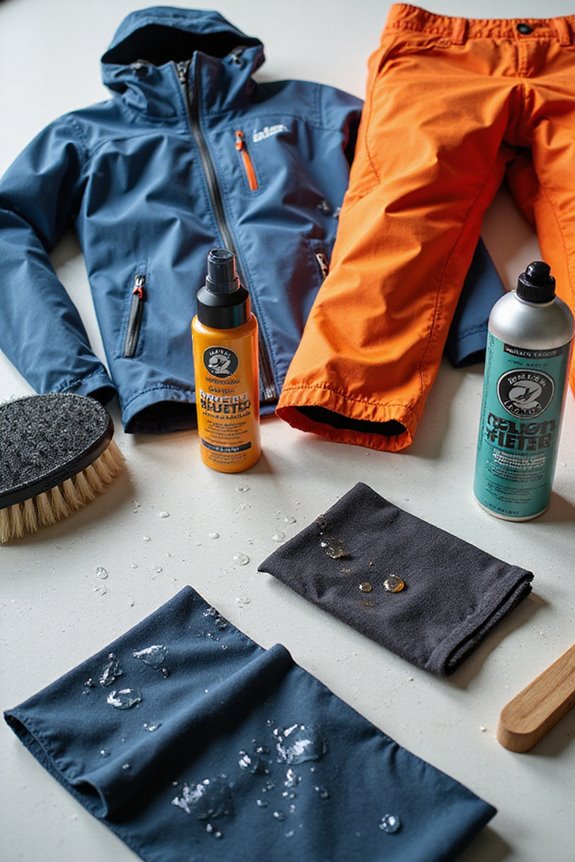
How to Care for Technical Outdoor Fabrics

Technical outdoor fabrics are not all cleaned the same way. A waterproof shell, insulated jacket, tent fly, pack, and synthetic base layer can use different coatings, membranes, adhesives, and care instructions. Start with the product label, remove loose dirt gently, use the recommended cleaner, dry the item completely, and inspect seams or coatings before storing or using it again.
Key Takeaways
- Read the care label and identify the fabric, membrane, coating, insulation, and construction.
- Remove loose dirt before washing and test any cleaner on a hidden area when appropriate.
- Avoid unapproved bleach, fabric softener, solvents, high heat, and aggressive scrubbing.
- Dry the item fully, inspect seams and closures, and follow product-specific reproofing guidance.
- Store clean and dry in a cool, ventilated place without crushing or sealing damp fabric.
Understanding Technical Outdoor Fabrics
You may be interested


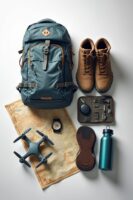
Technical fabrics may combine woven or knitted fibers with a membrane, coating, insulation, seam tape, or durable water-repellent finish. These parts can react differently to heat, detergent, abrasion, and solvents. Learn what the manufacturer says about washing, drying, ironing, tumble drying, and reproofing before choosing a method. Breathability or water resistance is a product specification, not a permanent guarantee.
Importance of UV Resistance
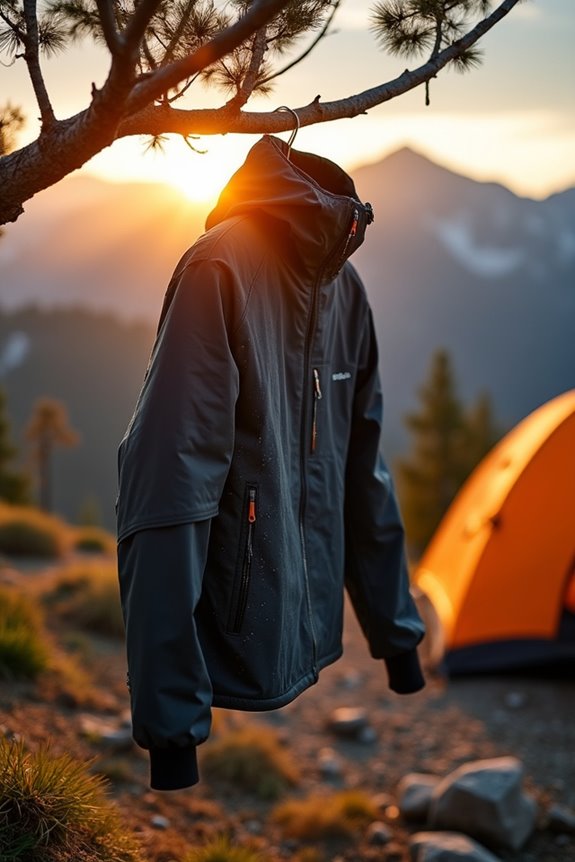
UV exposure can fade, weaken, or dry some fibers, coatings, elastics, and adhesives over time. Follow the product’s sun-exposure and drying guidance, and avoid leaving gear in direct sunlight longer than necessary. A fabric marketed as UV resistant still needs inspection; fading, cracking, brittle areas, or weakened stitching may indicate that the item needs repair or replacement.
Water and Stain Resistance Features
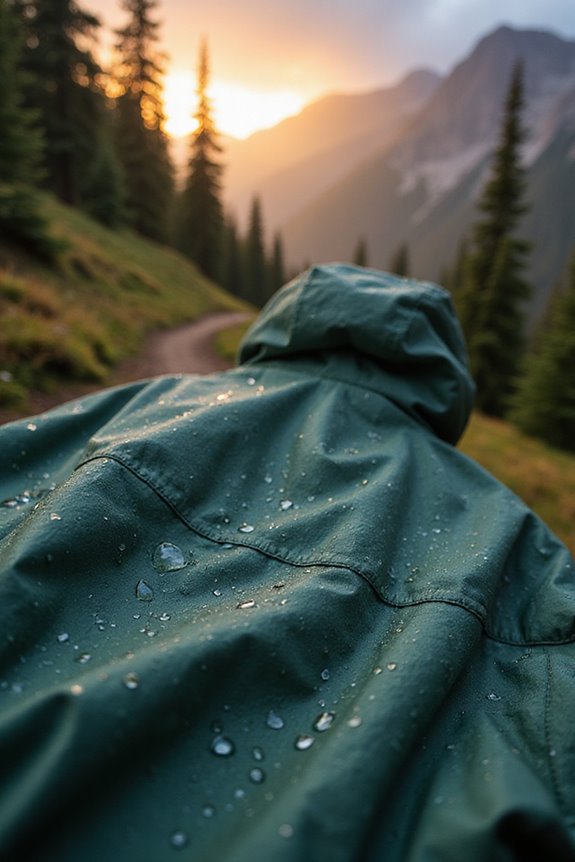
Water and stain resistance features in outdoor fabrics are essential for anyone who loves spending time in nature, especially when unpredictable weather and messy adventures are part of the plan. Many outdoor fabrics leverage waterproof technologies, like lamination or coatings, ensuring that water beads up and rolls off, keeping you dry on that surprise hike. Stain treatments, such as Durable Water Repellent (DWR) finishes, work wonders, making spills a breeze to clean up rather than a permanent reminder of your last picnic mishap. Fabrics woven tightly with high yarn counts further enhance these properties, resisting both water and stains. So, whether it’s a sudden downpour or a spilled drink, these advanced materials have you covered, literally!
Assessing Durability: Abrasion and Tear Resistance
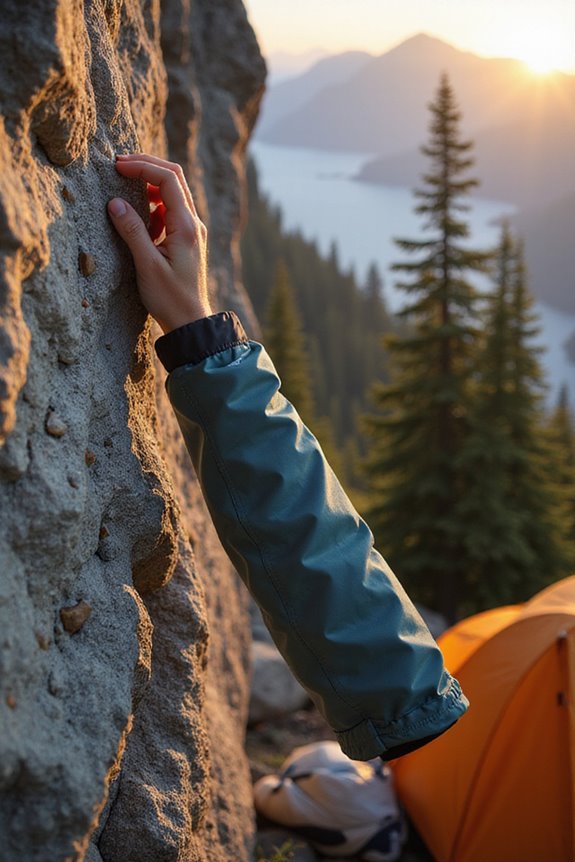
Inspect high-friction areas such as shoulders, seat panels, knees, cuffs, pack contact points, and tent floors. Abrasion or tear-test results can help compare materials, but a lab result does not predict every use case. Check the actual product construction, stitching, reinforcement, and repair options. Stop using gear when damage affects weather protection, load support, or safety-critical function.
Cleaning Techniques for Outdoor Fabrics
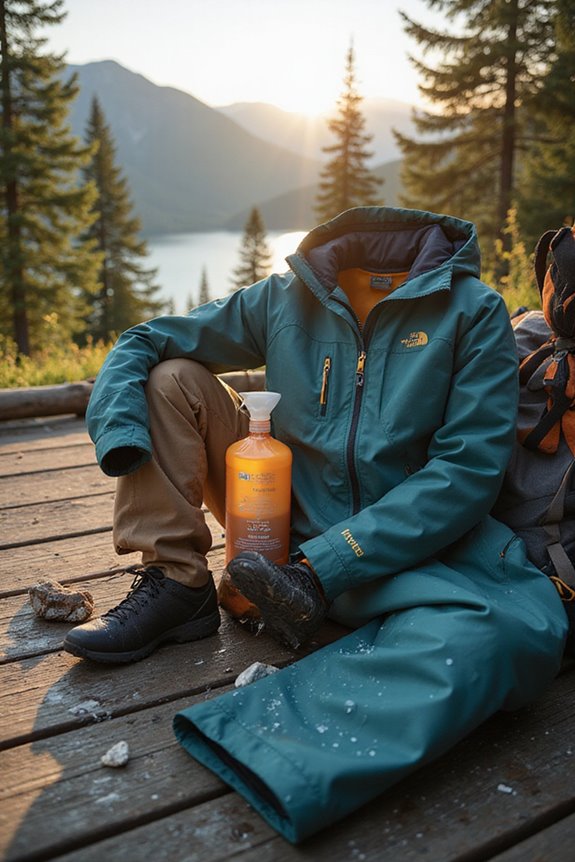
When it comes to keeping outdoor fabrics looking fresh and functional, a little care goes a long way. First, inspect the fabric types for any stains or damage—it’s like a health check for your gear! Brush off loose dirt with a soft brush, and you’ll avoid any abrasive mishaps. When choosing cleaning methods, opt for mild soap and lukewarm water; harsh chemicals are a no-go. For hand washing, soak the fabric and gently agitate with a sponge, ensuring you rinse thoroughly to banish soap residue. If machine washing, stick to cold water and a delicate cycle. Remember, air drying is your best friend—no wringing allowed! By following these steps, your outdoor fabrics will thank you with years of service.
Recommended Products

MULTIFUNCTIONAL CLEANING BRUSH: High-quality soft household cleaning brush bristles can easily clean dirty parts of clothes, such as collars and cuffs without damaging the fabrics, and can also be used to clean stains on tiles and countertops, making home cleaning easy.
Maintenance Guidelines to Extend Lifespan
Inspect gear before and after demanding trips, then clean it when dirt, sweat, salt, oils, or spills could affect the material. Check seams, zippers, buckles, elastic, coatings, and high-wear areas. Reproofing is not a routine substitute for cleaning or repair; use it only when the care guidance and fabric condition support it. Record recurring problems so you can decide whether a repair is worthwhile.
Proper Storage Practices
Clean and dry fabric completely before storage. Choose a cool, dry, ventilated place away from prolonged sunlight, heat, chemicals, pests, and sharp edges. Follow the product guidance on hanging, folding, rolling, or lofting; some insulated items should not remain compressed for long periods. Do not seal damp fabric in a container, and avoid stacking heavy gear on delicate membranes or coatings.
Handling Tips for Care and Preservation
Handle technical fabrics by clean areas and reinforced points when possible. Avoid dragging them across rough ground, pulling on seam tape, or storing them next to oily or sharp items. Dry out wet gear promptly, but use only the heat and sunlight allowed by the care instructions. Patch small damage with a compatible repair method, and use a professional or manufacturer service for failed waterproof seams, structural tears, or safety-critical repairs.
Frequently Asked Questions
Can I machine-wash technical outdoor fabrics?
Some can be machine-washed, while others require hand washing or specialist care. Follow the item’s label for cycle, temperature, detergent, spin, and drying instructions. Do not assume that a similar-looking fabric has the same care requirements.
What detergent should I use?
Use the detergent or technical-fabric cleaner recommended by the manufacturer. Avoid fabric softener, unapproved bleach, solvents, and strong household cleaners because they may affect coatings, membranes, insulation, or seam tape.
How often should I clean outdoor fabric items?
Clean when dirt, sweat, salt, oils, stains, or odor could affect the item, and after unusually dirty or wet trips when the care label allows. Frequent unnecessary washing can also add wear, so use the least aggressive method that works.
What should I do if fabric develops mold?
Separate the item, avoid brushing mold indoors, and follow the manufacturer’s cleaning guidance. Do not use diluted bleach or another strong treatment unless the care instructions explicitly allow it. If the material, insulation, or membrane is affected, contact the maker or a qualified cleaner.
Can a torn outdoor fabric be repaired?
Many tears can be repaired, but the method depends on the fabric, coating, location, and whether the item is waterproof or load-bearing. Use a compatible patch or service recommended for the product. Replace or professionally assess gear when damage affects structural or safety-critical performance.