As an Amazon Associate, we earn from qualifying purchases. Some links on this site are affiliate links at no extra cost to you. Our recommendations are based on thorough research and editorial judgment.

How to Choose a Backpack for Backpacking

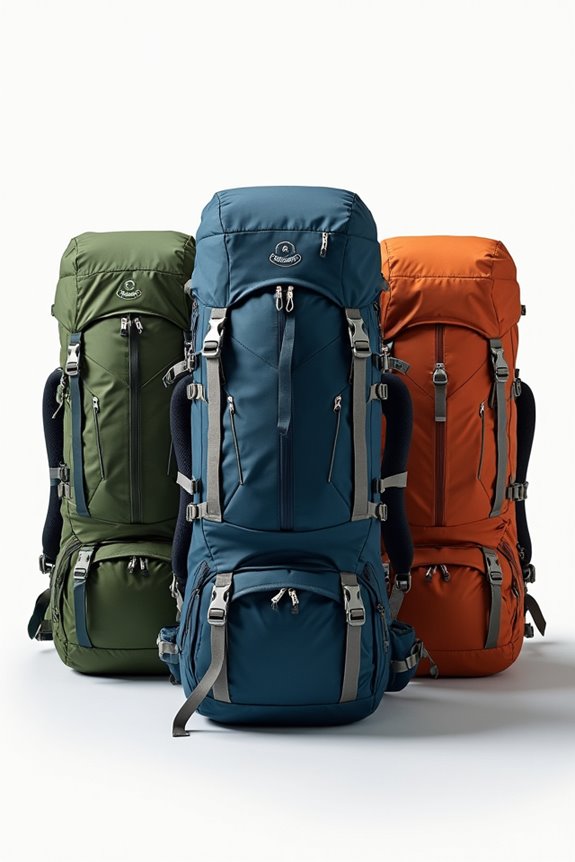
The right backpacking pack carries the gear your trip requires without creating unnecessary weight or discomfort. Choose it by the volume, load, frame, torso fit, hip-belt fit, access, weather strategy, terrain, and your ability to adjust it. Pack volume should follow the gear list and conditions—not a generic trip-length rule.
Key Takeaways
- Estimate volume from the shelter, sleep system, food, water, clothing, and safety gear your route requires.
- Fit the torso length and hip belt first, then load the pack and check movement, balance, and pressure points.
- Choose an internal, external, or frameless design according to the load, terrain, comfort, and carrying style.
- Water resistance usually comes from a liner, cover, dry bags, or pack design; do not treat a pack as waterproof without clear evidence.
- Test the loaded pack with your actual equipment and adjust or return it before a long trip.
Determining the Right Size for Your Trip
You may be interested
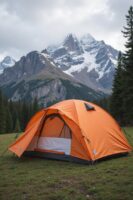


Estimate the packed volume from the actual gear list, season, food carry, water access, group equipment, and trip length. Cold or wet conditions can require more space, while a compact sleep system may require less. Leave enough room to pack safely without overstuffing, but avoid choosing a large bag that encourages unnecessary load. Compare the manufacturer’s usable volume, not only the headline name.
Assessing Weather and Terrain Conditions
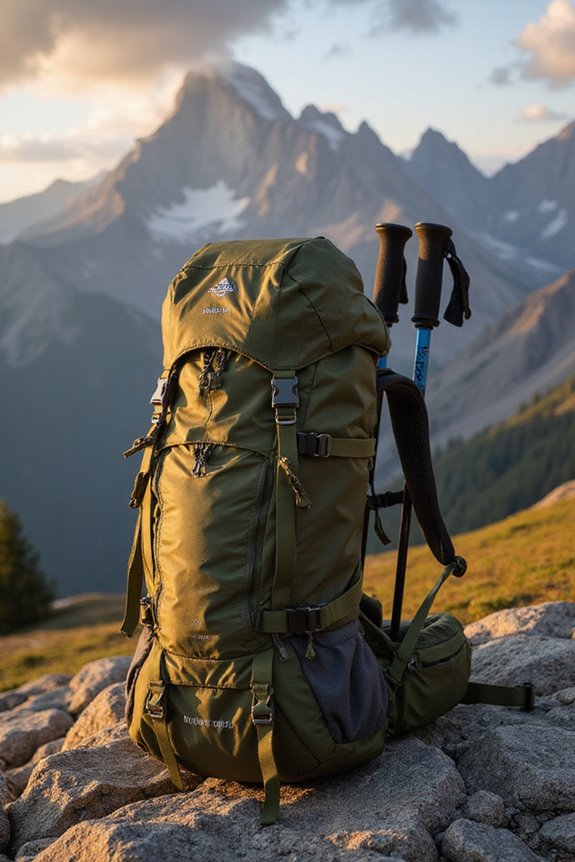
Check the forecast, terrain, water crossings, exposure, transport, and storage needs for the route. A pack may need to carry layers, rain protection, a warmer sleep system, or technical equipment, and wet conditions may require a liner or dry bags. Choose features for the actual route and protect important gear separately rather than assuming a fabric or coating is waterproof.
Understanding Pack Features and Their Benefits
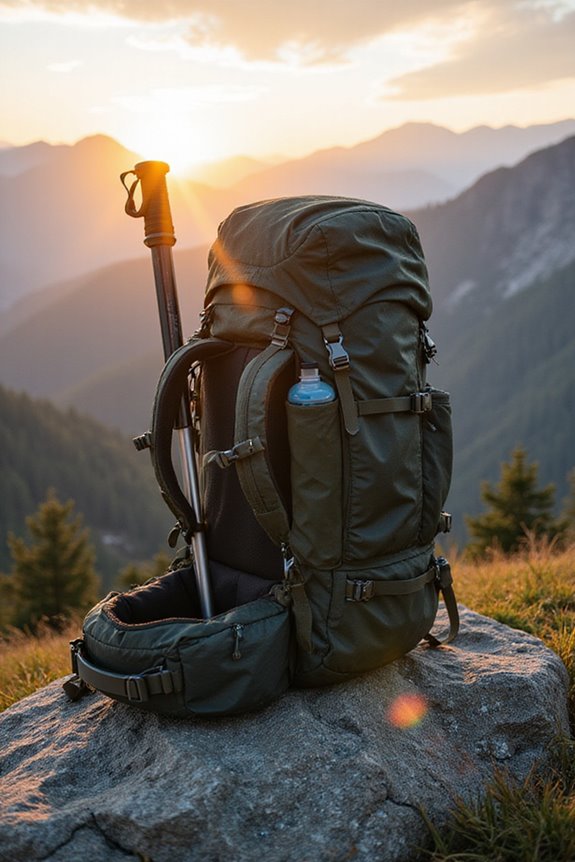
Useful features include a supportive frame, adjustable harness, comfortable hip belt, sternum strap, load lifters, ventilation, accessible pockets, a removable lid, compression, and attachment points. Every feature adds weight or complexity, so prioritize the ones that improve your carry and route. Check whether the pockets and closures remain usable when the pack is full.
Recommended Products

105 Liters: Ample storage for all your essential gear. 5lb 8oz empty weight, 38 x 22 x 14 inches, optimal carry weight 50-70 pounds. Versatile Pack: The Coyote is the...
Ensuring Proper Sizing and Fit
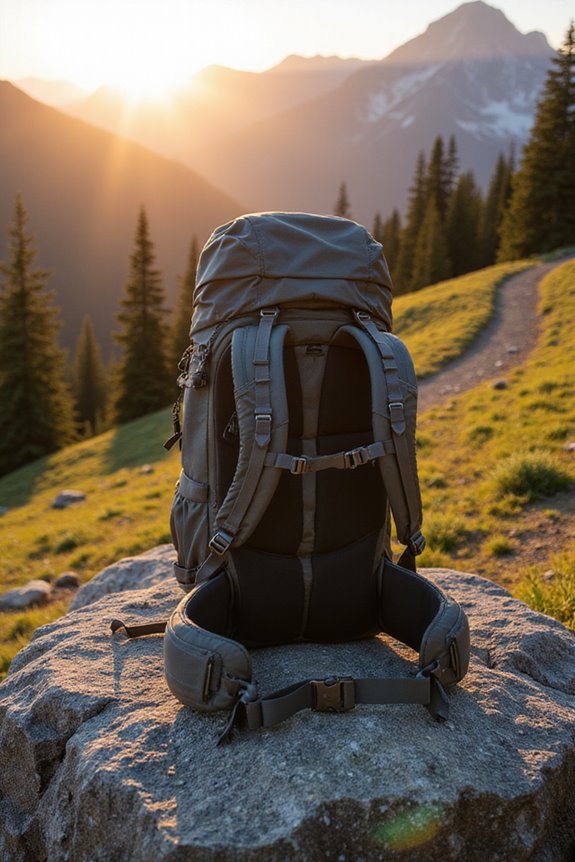
Measure torso length according to the manufacturer’s method, then adjust the harness so the hip belt rests securely on the pelvis, the shoulder straps follow the body without gaps, and the load stays stable. Add the equipment you will carry and walk, bend, climb, and descend while testing. Fit varies by body shape, so an adjustable pack is not automatically comfortable for everyone.
Exploring Frame Types and Ventilation Options
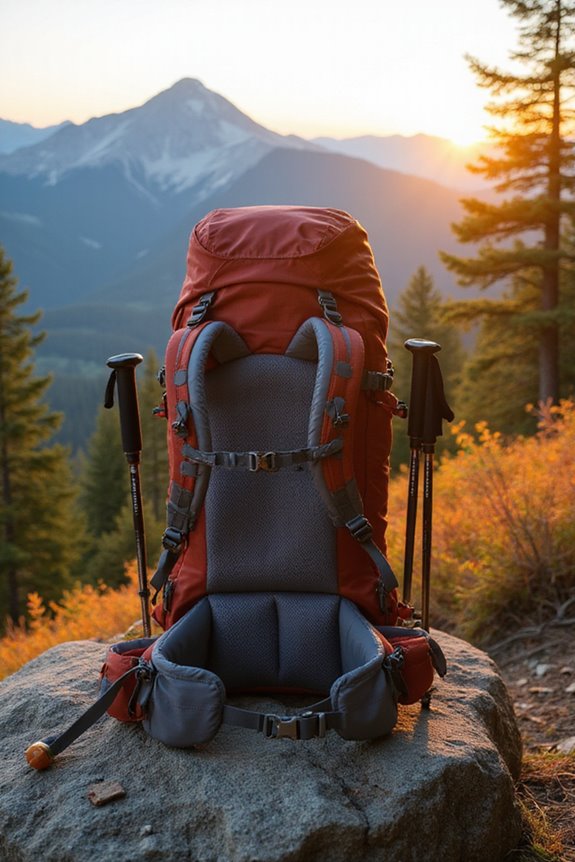
Internal frames can support a stable, close-to-body carry; external frames may suit particular loads and offer different ventilation; frameless packs can work for light, compact loads when the wearer accepts less structure. Compare frame stiffness, hip-belt support, load lifters, back length, ventilation, weight, and the terrain. Load the pack before deciding which design works for you.
Evaluating Durability and Water Resistance
Inspect fabric, seams, stitching, zippers, buckles, frame parts, hip-belt foam, and repair support. A coating or water-resistant fabric may shed light moisture without protecting contents during prolonged rain. Use a liner or dry bags for sleep insulation, electronics, and clothing, and check the manufacturer’s care and repair guidance before adding treatments.
Considering Organization and Access
Pack dense items close to your back and keep the load balanced without blocking your movement. Place infrequently used soft gear lower or deeper, and keep water, navigation, rain protection, first aid, food, and layers accessible. Use compression to stop shifting, but do not over-tighten straps or bury safety gear in a hard-to-reach pocket.
Setting a Budget and Choosing the Right Brand
Compare price with fit, load support, durability, repairability, warranty, return policy, included features, and realistic use. A lower-priced pack can be good value if it fits and supports the trip; a premium pack is not good value if it creates pressure or carries the wrong load. Try before buying when possible and check current specifications rather than relying on a brand reputation.
Recommended Products

50L HIGH-CAPACITY: Include Main compartment, two zipped front pocket, sleeping bag compartment, mesh side pockets, you can put your tents, blanket,cooking gear and other equipment & accessories in this backpack, backpack internal layout clear classified easily, more convenience to you.
Frequently Asked Questions
How Do I Clean and Maintain My Backpack?
Empty the pack, shake or brush out grit, and follow the care label. Spot-clean or hand-wash compatible materials with a mild cleaner, rinse as directed, and air dry completely away from high heat. Inspect seams, frame parts, foam, zippers, buckles, and coatings, and store the pack clean, dry, and loosely supported.
Can I Use a Backpack for Day Hikes?
Yes, if the pack fits and carries the day’s water, food, layers, navigation, first aid, and safety items without excess weight. There is no universal ideal volume; compare the packed gear, route, weather, and access to water. A smaller pack is not useful if it forces equipment outside where it can be lost or soaked.
What Should I Pack Inside My Backpack?
Pack the shelter or emergency layer, clothing, food, safe water or treatment, navigation, first aid, light, communication, sun and insect protection, personal medication, and waste bags appropriate to the route. Keep heavy items stable near your back, protect critical items from moisture, and carry only gear you know how to use.
How Do I Adjust My Backpack for Comfort?
Loosen the harness, place the hip belt securely on the pelvis, tighten it before the shoulder straps, then adjust the shoulder straps, sternum strap, and load lifters until the pack is stable without pressure or restricted breathing. Walk with the real load and readjust after a short distance. Persistent numbness, rubbing, or sharp pain means the fit or load needs attention.
Are There Backpacks Specifically Designed for Women?
Some packs are offered with harness shapes, torso ranges, hip belts, or shoulder spacing intended for different body proportions. Compare the actual measurements and fit rather than relying on a gender label. The best pack is the one that supports your pelvis, clears your neck and shoulders, stays stable, and remains comfortable with the intended load.