As an Amazon Associate, we earn from qualifying purchases. Some links on this site are affiliate links at no extra cost to you. Our recommendations are based on thorough research and editorial judgment.

How to Choose a Camping Stove: Fuel, Weight, and Safety

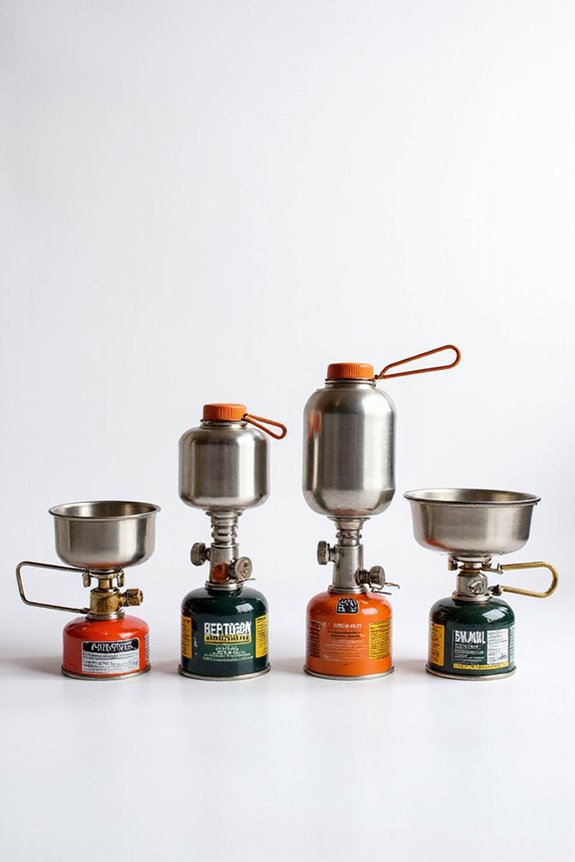
Choose a camping stove by starting with the trip: backpacking or car camping, group size, meals, cookware, weather, altitude, fuel availability, and pack space. Then compare stability, wind performance, simmer control, maintenance, and safety instructions. A stove should be used only as the manufacturer and local fire rules allow.
Key Takeaways
- Match the stove to group size, cooking style, trip length, transport, and environment.
- Compare canister, liquid-fuel, alcohol, electric, or wood-burning systems by fuel availability and conditions.
- Check weight, packed size, pot support, stability, wind protection, simmer control, and maintenance.
- Use fuel-burning stoves outdoors in a clear, ventilated area; never improvise indoor use.
- Carry the correct fuel, ignition backup, cookware, heat protection, and a plan for fire restrictions.
Understanding Different Types of Camping Stoves
You may be interested


Canister stoves are compact and simple but depend on compatible fuel and may need careful handling in cold conditions. Liquid-fuel stoves can suit longer or colder trips but require more maintenance. Wood-burning and alcohol systems have specific weather, fire, and efficiency trade-offs. Integrated systems can be convenient when their pot and burner are designed to work together.
Recommended Products
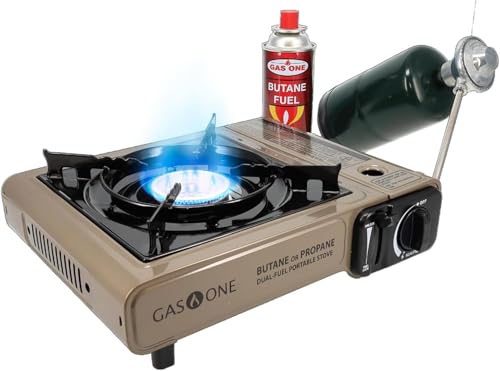
Duel Fuel - Compatible With Both Butane (Fuel Not Included) And Propane Fuel (Fuel Not Included), Operates On A Single Butane Cartridge 8 Oz Or A Propane Cylinder 16.4 Oz , Propane Converter Regulator Included

High OUTPUT - Most Fuel Efficient Butane Portable Stove On The Market - Boils Water quickly with 7,650 BTU Evenly Compared To Compeititors Portable Stoves/ To Be used with 8oz Butane Canister Only (Fuel Sold Separately)

1. the burner base is an integrated high-bright aluminum alloy, light weight, high strength; honeycomb high-temperature aluminum alloy windproof net, polyethylene flame increases oxygen circulation, improve combustion utilization. The furnace body is made of refined aluminum alloy, which is resistant to high temperature, rust and radiation. Repeated outdoor use is not a concern for air and rain, and is durable. Four-dimensional support
Evaluating Performance Metrics and Efficiency
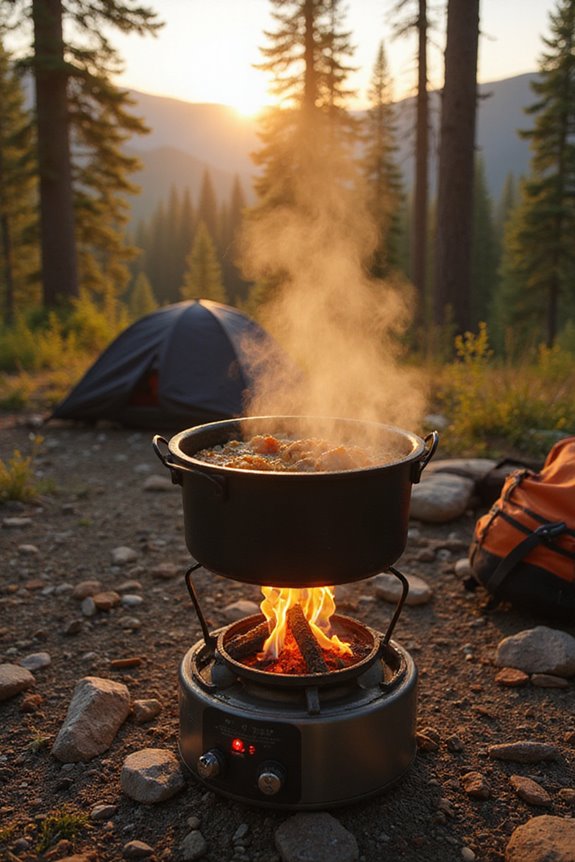
Compare the manufacturer’s test conditions, fuel use, wind protection, simmer control, and real cooking needs rather than relying on one boil-time claim. Wind, cold, pot shape, water volume, altitude, and fuel pressure can change performance. A stable flame and efficient heat transfer may matter more than a headline output figure.
Recommended Products

Windproof Design: Constructed with windshield design, provide an efficient prevention to wind, improving burning efficiency and saving energy.

Durable Pure Copper Burner: Crafted from high-temperature-resistant brass, our camping stove burner outperforms stainless steel with superior durability and anti-corrosion properties, ensuring long-lasting use.

【High Quality Material】Compared with stainless material of other brand, the burner of our camping stove is made of brass, consisted of three brass burner, the brass core has a high temperature resistant and anti-corrosion, the windproof cover is made of aluminium alloy, both materials are durable.
Considering Weight and Portability
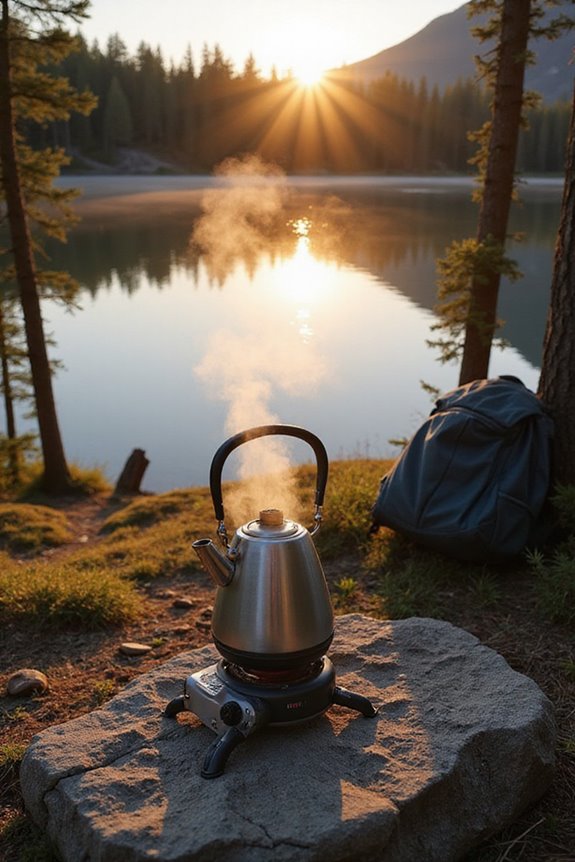
For backpacking, compare packed stove, fuel, windscreen, pot, support, and carrying case as one system. For car camping, stability and cooking capacity may matter more than minimum weight. Check how the stove fits your cookware and whether fuel can be transported legally and safely.
Recommended Products
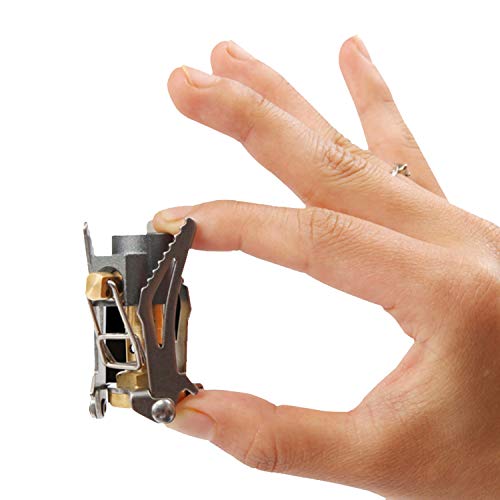
Durable Material: It made of 60% titanium alloy, 10% copper, 20% stainless steel, lightweight and are resistant to high temperatures. Triangular support design makes this stove can bear about 11 lbs, easily support camping cookware.

High Precision Portable Camping Stove - YCDMLJC portable camping stove is made of high-precision aluminum alloy and can be ignited by piezoelectric method; The bracket is stable and efficient in combustion, with an outer packaging of 3.1*2*1.6IN and a weight of 0.24 pounds; Camping stoves are lightweight and the best choice for outdoor cooking during camping or exploration

Compact and Lightweight Design: Folds flat for easy transport or storage; perfect for backpacking, camping, and any outdoor adventure where space is limited
Choosing the Right Fuel Type
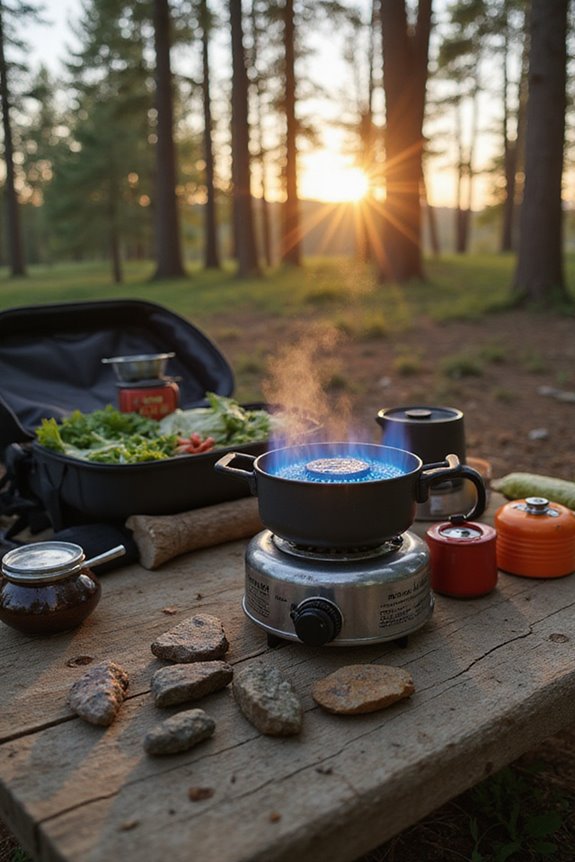
Choose a fuel that is available for the trip, compatible with the stove, and suitable for expected weather. Read the manual for fuel restrictions and storage. Canister pressure, liquid-fuel priming, and other systems behave differently in cold or wind, so test the setup before relying on it.
Recommended Products
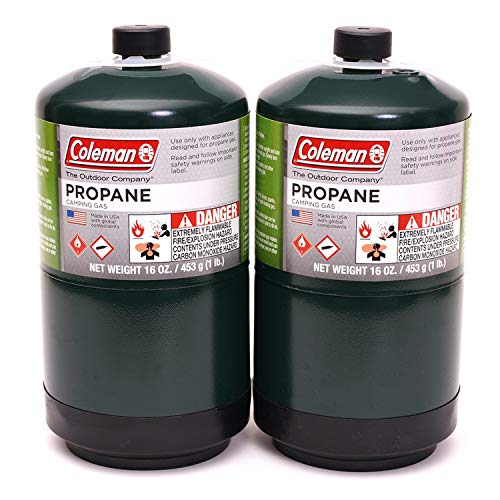
Material: Plastic

ONE ADAPTER FOR EVERYTHING - Use Easy-to-Find and Larger Inexpensive Green Propane Canisters as Fuel for Different Portable Stoves, Mini/Compact Butane Stoves, Camp Stove/Hiking Burner, Gas Heater, Gas Lanterns and Propane Appliances.

PACKAGE CONTENT: 12 pack of 8oz butane fuel canisters
Assessing Suitability by Activity and Environment
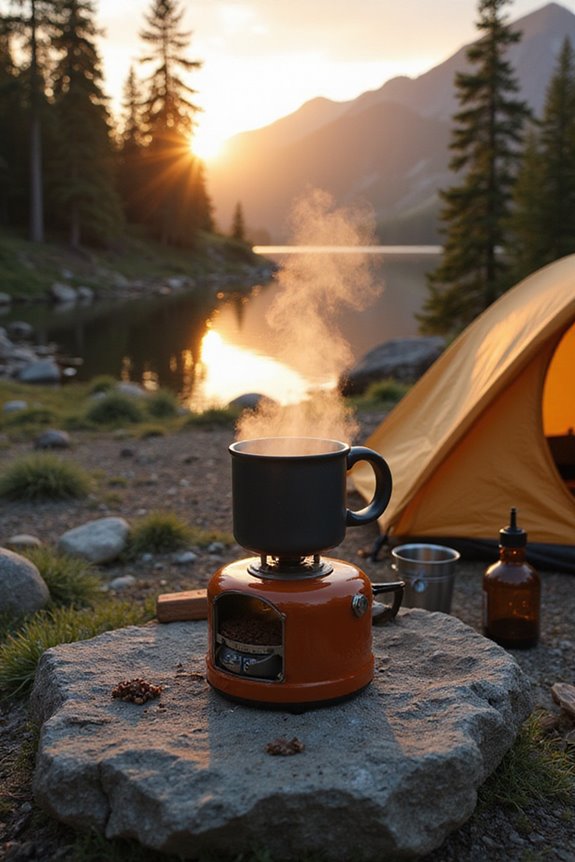
Match the stove to route length, elevation, temperature, wind, water access, group size, and meals. Check park or local fire restrictions, seasonal closures, and fuel transport rules. Carry a backup ignition method and avoid using a stove where the surface or weather makes it unstable.
Frequently Asked Questions
How Do I Clean and Maintain My Camping Stove?
Let the stove cool, remove fuel safely, wipe away spills, inspect the burner, supports, seals, hose, and valve, and follow the manual for cleaning or storage. Do not modify the fuel system, and replace damaged parts before use.
What Safety Precautions Should I Take While Using a Camping Stove?
Use the stove outdoors on a stable, nonflammable surface with clear space around it. Keep fuel and children away from flame, monitor wind, never leave it unattended, and follow the manual and local fire rules. Have a way to extinguish a small fire and know when to stop.
Can I Use My Camping Stove Indoors?
Do not use a portable outdoor camping stove inside a tent, vehicle, home, garage, or other enclosed area unless the specific product is designed and approved for that setting with explicit instructions. Fuel-burning equipment can produce deadly carbon monoxide and fire hazards.
How Do I Store Fuel Safely for My Camping Stove?
Follow the fuel and stove manufacturer’s storage instructions. Keep containers upright, sealed, cool, dry, ventilated, protected from heat and ignition, and away from living or sleeping areas. Check transport and disposal rules for the fuel type.
What Accessories Do I Need for My Camping Stove?
Useful accessories may include compatible cookware, a stable pot support, wind protection approved for the stove, a lighter or matches kept dry, heat-resistant gloves, a fuel gauge or spare fuel, and a small cleaning or repair kit. Follow the manual and local fire restrictions.