As an Amazon Associate, we earn from qualifying purchases. Some links on this site are affiliate links at no extra cost to you. Our recommendations are based on thorough research and editorial judgment.

How to Choose a Backpacking Sleeping Pad

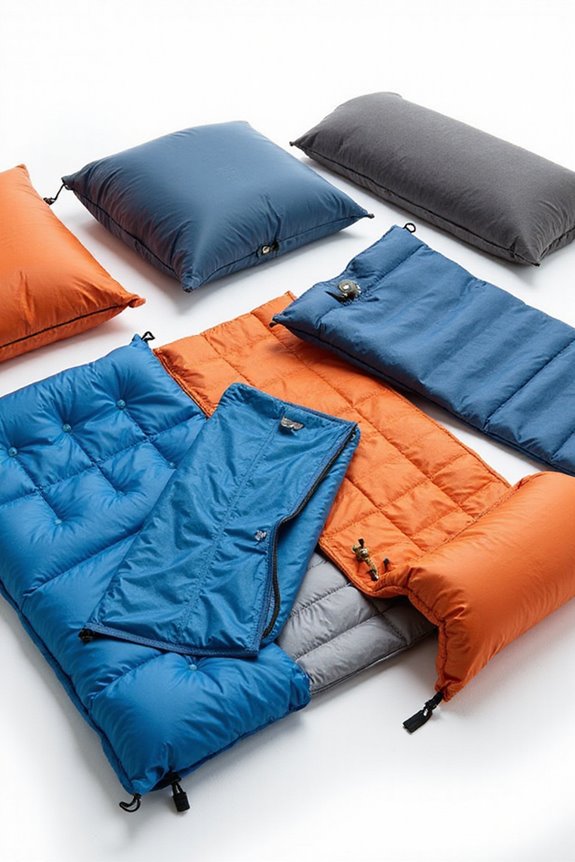
Choosing a backpacking sleeping pad is a balance between sleep comfort, warmth, weight, packed size, and reliability. Compare air, self-inflating, and closed-cell foam designs, then match the pad to your sleeping position, the season, the surface, and the rest of your sleep system. A lighter pad is not automatically the best choice if it leaves you cold, uncomfortable, or worried about punctures.
Key Takeaways
- Compare air, self-inflating, and closed-cell foam pads by comfort, insulation, packed size, and failure risk.
- Use the pad’s stated insulation rating and the manufacturer’s guidance for the temperatures and seasons you expect.
- Side sleepers should check usable width, cushioning, and stability rather than relying on thickness alone.
- Balance trail weight and packability with the durability and warmth needed for the route.
- Carry a repair plan for inflatable pads and store every pad clean, dry, and protected from unnecessary abrasion.
Understanding Different Types of Sleeping Pads
You may be interested


Air pads are often compact and adjustable, but they need careful handling and a way to recover from a puncture. Self-inflating pads combine foam with an air chamber and can offer a different balance of comfort and packability. Closed-cell foam pads are simple, quick to deploy, and resistant to punctures, although they may feel less cushioned and can be bulkier outside the pack. Compare the pad’s design, valves, insulation, packed dimensions, and repair options—not just the product name.
Evaluating Comfort Factors
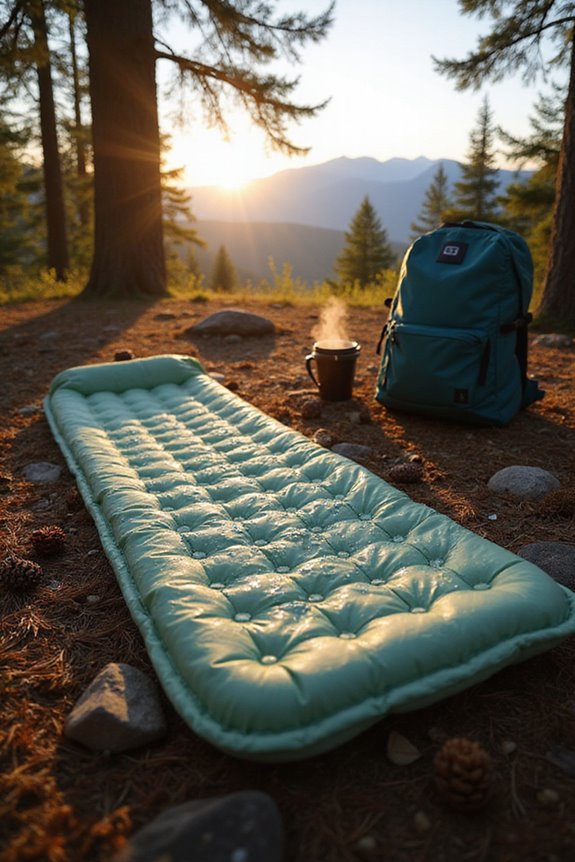
Comfort depends on body shape, sleeping position, surface, and how the pad is inflated. Side sleepers may value more cushioning and a stable width, while back and stomach sleepers may prefer a firmer or simpler setup. Check the usable sleeping area, edge stability, surface texture, valve position, and noise before buying. If possible, test the pad at home with the sleeping bag or quilt you plan to use.
Assessing Warmth and Insulation

Use the pad’s insulation rating as one part of a complete sleep system. Higher insulation is generally useful in colder conditions, but the ground, sleeping bag or quilt, clothing, shelter, and personal warmth all matter too. Check whether the rating follows a recognized testing method and read the manufacturer’s seasonal guidance. If you expect changing temperatures, choose a system that gives you practical ways to add insulation.
Considering Weight and Portability
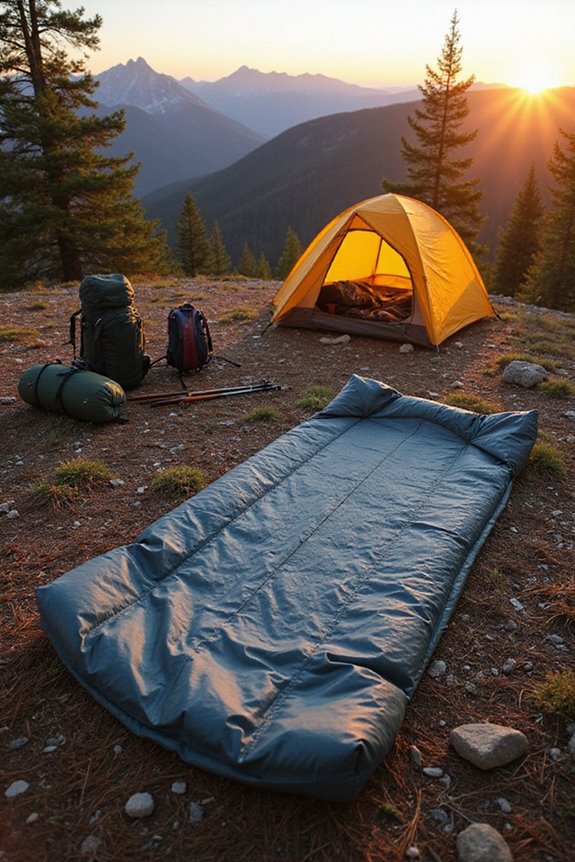
Compare packed weight, packed dimensions, inflation time, and how the pad fits with the rest of your load. A compact air pad may save pack space, while a foam pad can be carried outside the pack and used as a sit pad. Include the pump sack, repair kit, stuff sack, and any protective layer when judging the real carrying cost. Select the lightest option that still provides the warmth, comfort, and resilience your trip requires.
Examining Durability and Maintenance
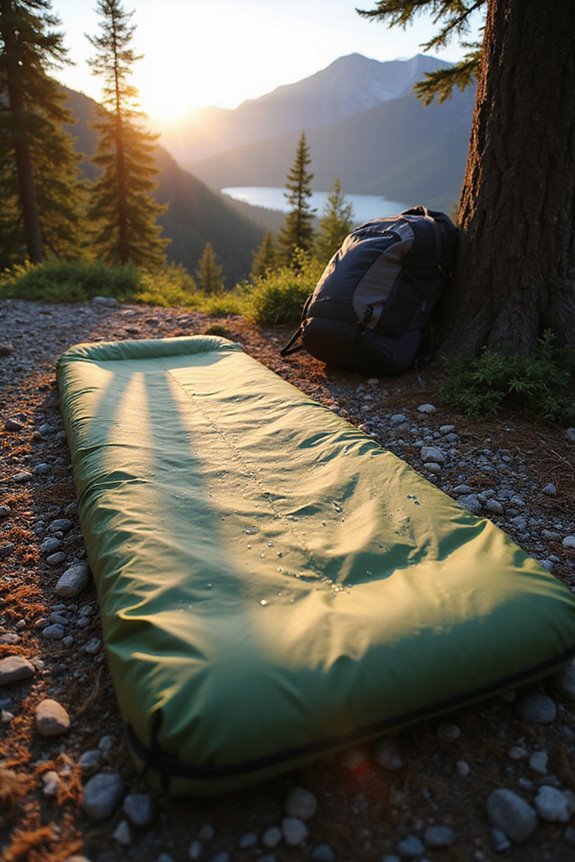
Protect an inflatable pad from sharp ground, sparks, pets, and unnecessary dragging. Clear the sleeping area, use a groundsheet when appropriate, and follow the manufacturer’s inflation limits. Learn how to use the supplied repair materials before the trip, inspect valves and seams, and dry the pad before storage. Foam pads need less leak management but can still be damaged by heat, chemicals, or rough handling.
Frequently Asked Questions
How Do I Properly Inflate and Deflate My Sleeping Pad?
Open the correct valve, inflate the pad gradually, and stop at the firmness recommended by the manufacturer. Avoid overinflating, especially when the pad may warm in direct sun. For deflation, open the deflate valve, press or roll the pad as directed, and pack it without forcing the valve or seams. A pump sack can reduce moisture entering some inflatable pads.
Can I Use a Sleeping Pad for Camping as Well?
Yes. The same pad can work for backpacking, car camping, and other trips if its insulation, comfort, size, and durability fit the setting. For car camping, weight may matter less; for backpacking, packed size and carrying weight usually matter more. Check the temperature and surface conditions for each trip.
What Should I Do if My Pad Has a Leak?
Find the leak, dry and clean the area, and apply the manufacturer’s patch or adhesive according to its instructions. Give the repair the required time to set before reinflating. If the damage is near a valve or seam, contact the manufacturer or use the recommended repair service. Carry a temporary backup plan for remote trips.
How Do I Clean My Sleeping Pad Effectively?
Wipe the surface with a soft cloth, water, and a mild cleaner that is compatible with the materials. Avoid solvents, harsh detergents, and prolonged heat unless the care instructions specifically allow them. Dry the pad completely before rolling it for transport or storing it loosely as directed by the manufacturer.
Are There Sleeping Pads Specifically for Side Sleepers?
Yes. Side sleepers often prefer a pad with enough cushioning, usable width, and stability to reduce pressure at the hips and shoulders. The right firmness is personal, so test inflation levels at home and check that the pad works with your sleeping bag or quilt. A thicker design is not automatically more comfortable if it feels unstable or too narrow.