As an Amazon Associate, we earn from qualifying purchases. Some links on this site are affiliate links at no extra cost to you. Our recommendations are based on thorough research and editorial judgment.

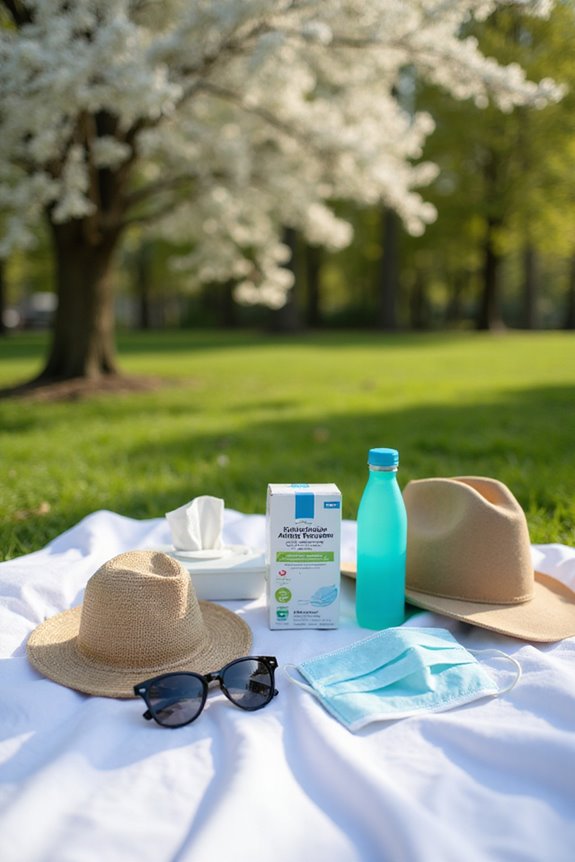
How to Enjoy Outdoor Activities During Allergy Season

You may still enjoy outdoor activities during allergy season by identifying your triggers, checking local pollen and air-quality information, adjusting the route or timing, and carrying your prescribed treatment. Symptoms and triggers vary, so use a clinician’s advice for medication and asthma management. When symptoms are uncontrolled, choose an indoor alternative rather than pushing through.
Key Takeaways
- Check local pollen, mold, smoke, weather, and air-quality conditions before choosing an activity.
- Adjust timing, route, intensity, clothing, eyewear, and face covering according to your triggers and symptoms.
- Carry prescribed medication and follow your asthma or allergy action plan; do not change treatment without medical advice.
- Shower, change clothes, and keep outdoor pollen away from bedding or indoor living spaces after the outing.
- Stop and seek help for severe breathing problems, facial or throat swelling, faintness, or rapidly worsening symptoms.
Understanding Allergy Triggers by Season
Seasonal triggers can include tree, grass, and weed pollen, outdoor mold, dust, smoke, and other irritants. Timing and prevalence vary by location and weather, so do not rely on a generic calendar or a national statistic. Check a local pollen or air-quality source, note which exposures cause symptoms, and discuss testing or a prevention plan with a qualified clinician when needed.
Best Times to Engage in Outdoor Activities
There is no universal “best” time for everyone. Pollen and mold levels can change with plant species, wind, temperature, humidity, rain, and local conditions. Check the forecast and local pollen information on the day, choose a lower-exposure window when possible, and change plans if symptoms begin. Early morning or after rain may help some people but can worsen symptoms for others.
Allergy-Friendly Outdoor Activities to Consider
You may be interested
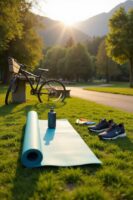
Choose activities that match your triggers, symptoms, and access to shelter. A short walk, scenic drive, covered garden, quiet park, or low-intensity outing may be easier than a long route through flowering plants or dry, windy terrain. Avoid calling a plant or location universally hypoallergenic; check the species and conditions, and keep an indoor backup ready.
Recommended Products

[Dual Layer Picnic Blanket]:This large picnic blanket features a woven beach blanket layer and an Oxford picnic mat base that can be used together or separately, creating a practical outdoor picnic blanket for parks, beaches, and daily picnic essentials

Waterproof and sandproof This blanket is made of acrylic fibers+ PE waterproof membrane, the surface is soft and comfortable. And the PE waterproof membrane blocks moisture, anti sand and waterproof. Easily wiped away by simply shaking and slapping. It is your perfect partner to keep dry in a rainy camp site or wet grass for picnic or sandy beach
Protective Measures for Outdoor Outings
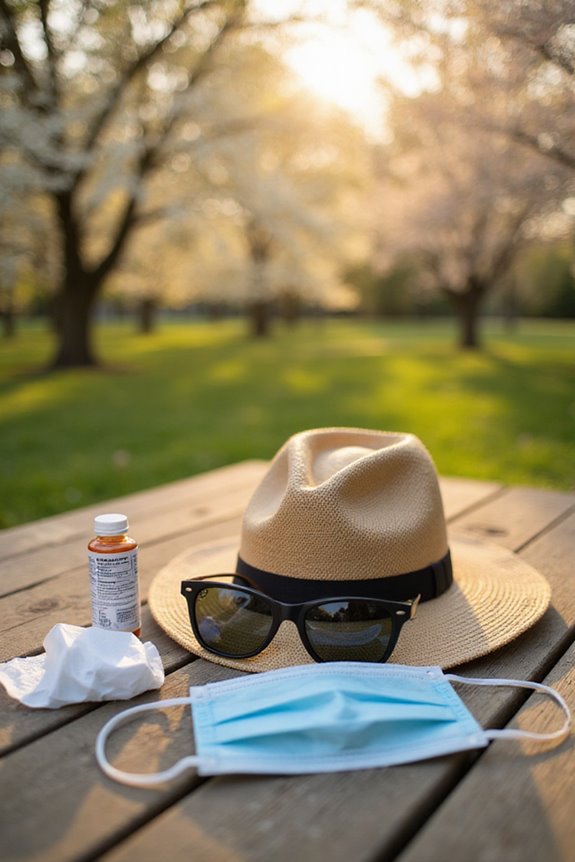
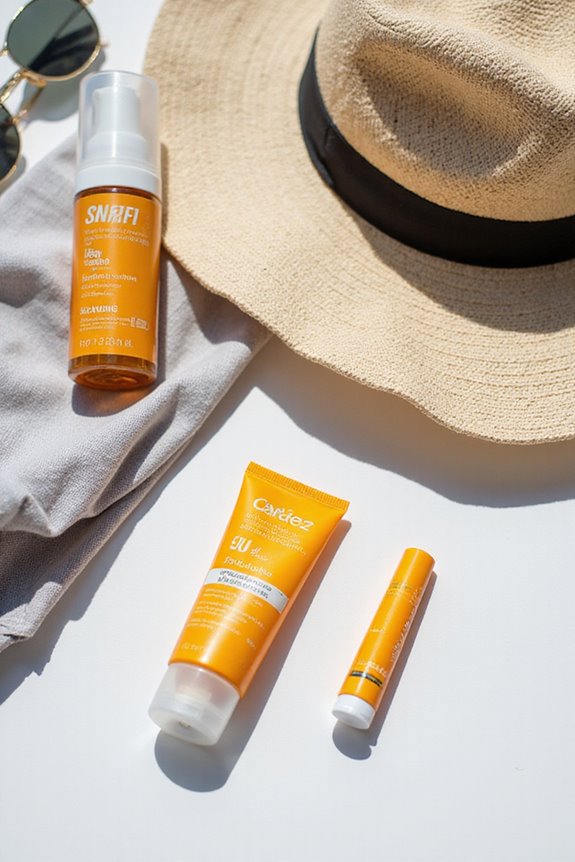
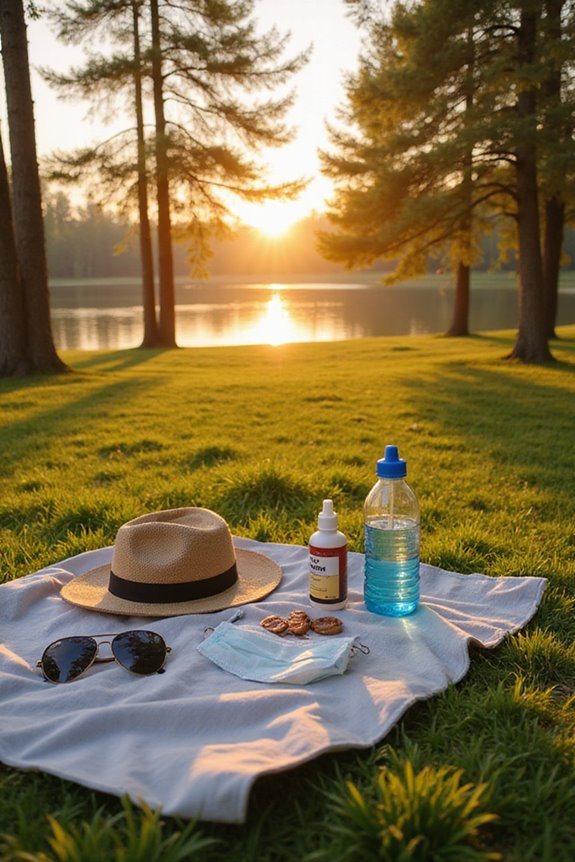
Sunglasses or wraparound eyewear can reduce eye exposure, while a hat, long sleeves, and clothing you can wash may reduce pollen on skin and hair. A well-fitting particulate mask may help some people during high-exposure tasks such as gardening, but it should not replace prescribed treatment or asthma planning. Shower and change clothes after returning, and keep outdoor clothing away from bedding.
Recommended Products

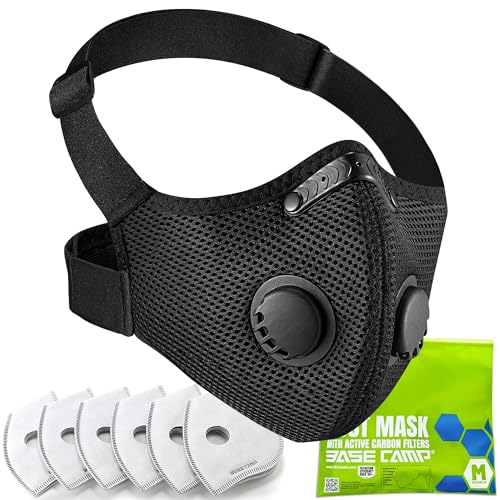
【99.6% FILTRATION】Adopted EAPI filter technology and Advanced Nanotechnology, BASE CAMP respirator mask works with 6-layer filters to block 99.6% dust, pollen, odors, pollutants, and other airborne particles (Note: The filter already attached is just an example; please replace it with a new filter when using your dust mask)

NIOSH-APPROVED N95 for at least 95 percent filtration efficiency against certain non-oil-based particles and aerosols

GOODBYE DISPOSABLE ELASTIC STRAPS: The comfortable nose piece does not pinch, snap, or irritate your skin. It's lightweight, form-fitting, smart, and effective. The design fits comfortably to your face and inside your nose. Offers long-lasting support.
Monitoring Pollen Counts and Weather Conditions
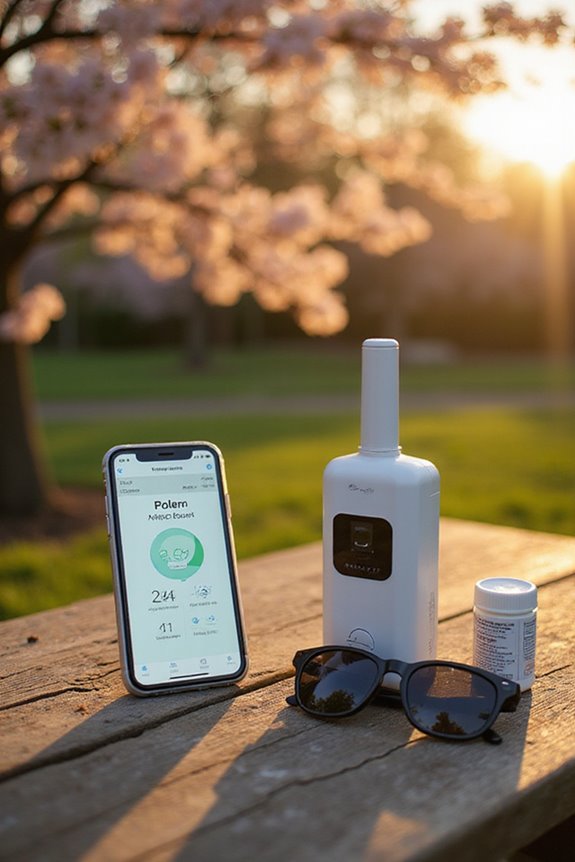
Use a local pollen forecast, air-quality report, weather service, or health authority rather than relying on one device or app. Dry, windy conditions can move particles through the air, while rain may temporarily change exposure; the effect depends on timing and location. Check conditions shortly before leaving and carry a route or activity adjustment plan.
Managing Allergic Reactions and Asthma Symptoms
Follow your clinician-provided allergy or asthma plan and take medication exactly as prescribed. Bring the medication and supplies you need, know how to use an inhaler or emergency treatment, and avoid changing doses because of a general online tip. Stop activity if coughing, wheezing, chest tightness, dizziness, or breathing difficulty develops. Severe or rapidly worsening symptoms require urgent medical help.
Choosing the Right Locations for Reduced Exposure
Choose locations using current pollen, mold, smoke, weather, vegetation, traffic, and shelter information rather than assuming a coast, mountain, forest, or city is automatically safer. Consider a route with easy exits, shaded or covered sections, clean indoor access, and a shorter turnaround. Local conditions can change within the same destination.
Recommended Products

Pack contains 100 Pcs replacement filters only for use with your Cloth Cover

NIOSH-APPROVED N95 for at least 95 percent filtration efficiency against certain non-oil-based particles and aerosols
Designed specially for average daily mask-wearing >8hrs per day professional /occupational use
Hydration and Medication Management During Activities
Carry enough water for the activity and conditions, but do not use a fixed drinking target as medical advice. Keep prescribed medication accessible, protected from heat and moisture, and within its labeled storage range. Ask a clinician or pharmacist about timing, interactions, travel, and emergency supplies, especially if you have asthma, severe allergies, or other medical conditions.
Recommended Products
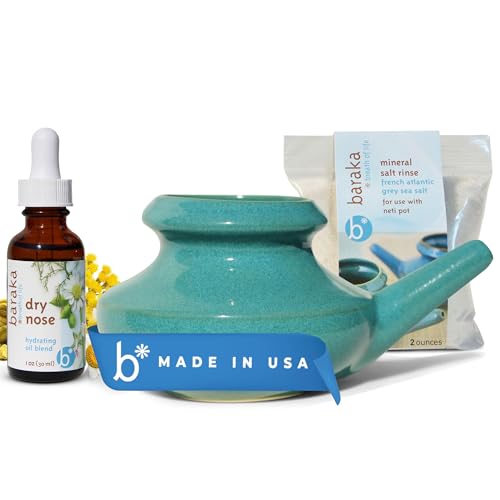
USA HANDCRAFTED NETI POT: Made from durable stoneware in 11 beautiful colors. Each pot is individually glazed, making every piece unique. It's the perfect blend of style and functionality for your wellness routine.

Teens & Women's Salicylic Acid Skincare Set - This skincare set for women and teenagers includes: water based cleanser, toner, serum, moisturizing cream,scrub and cleansing mask,effective to clear oiliness,blackheads,unclog pores,tighten enlarged pores,in the meantime,deeply hydrate,moisturize, smooth skin and soothe redness,even skin tone,improve skin texture to achieve a clear,radiant and glow skin,good for normal,combination,dry and oily skin with visible pores and acne
Tips for Staying Comfortable While Outdoors
Use clean, comfortable layers, sunglasses, a hat, and a mask when appropriate for your trigger and activity. Take breaks, avoid rubbing irritated eyes, keep tissues and water available, and leave when symptoms rise. Afterward, shower or wash exposed skin, change clothes, and clean gear that collected pollen. Carry snacks that are safe for your dietary needs rather than assuming “allergy-friendly” means safe for everyone.
Planning Ahead for Allergy-Friendly Adventures
Check local conditions, identify the likely trigger, choose a flexible route, pack prescribed medication and protective gear, and tell a companion what to do if symptoms worsen. Plan an indoor or shorter alternative, confirm access to care when traveling, and avoid remote activities if your symptoms are not controlled. A written action plan is especially useful for people with asthma or severe allergies.
Frequently Asked Questions
Can Indoor Activities Help Reduce Allergy Symptoms During Peak Season?
Indoor activities can reduce exposure when outdoor pollen, mold, smoke, or weather conditions are triggering symptoms, but indoor air can contain its own irritants. Keep indoor spaces ventilated and clean, manage known triggers, and follow medical advice. Choose movement you can do comfortably without worsening breathing or other symptoms.
What Are the Best Indoor Alternatives to Outdoor Exercises?
Walking indoors, strength work, mobility, yoga, swimming where appropriate, stationary cycling, and guided workouts can offer alternatives. Match the activity to your fitness and medical plan, keep indoor air comfortable, and stop if symptoms appear. Ask a clinician about exercise guidance if asthma or allergies interfere with activity.
How Can I Prepare My Home for Allergy Season?
Keep windows closed when outdoor pollen is high if that helps your symptoms, use suitable filtration, clean dust and pollen without spreading it into the air, wash bedding as directed, and leave outdoor shoes or clothing near the entry. Avoid strong fragrances and cleaning products that trigger symptoms, and follow the equipment manufacturer’s maintenance guidance.
Are There Specific Diets That Can Help Alleviate Allergy Symptoms?
No general diet reliably replaces allergy treatment. Eat a balanced pattern that meets your needs, avoid foods that cause known reactions, and ask a clinician or dietitian before making restrictive changes. A food allergy is different from seasonal pollen allergy and requires its own prevention and emergency plan.
Can Pets Bring Outdoor Allergens Inside My Home?
Yes. Pollen and other outdoor particles can collect on fur, paws, bedding, and clothing. Wipe or wash the pet as appropriate, clean high-contact surfaces, wash pet bedding according to its care instructions, and keep the pet out of bedrooms if that reduces symptoms. Ask a clinician about persistent or severe reactions.