As an Amazon Associate, we earn from qualifying purchases. Some links on this site are affiliate links at no extra cost to you. Our recommendations are based on thorough research and editorial judgment.

How to Entertain Kids During Long Car Trips

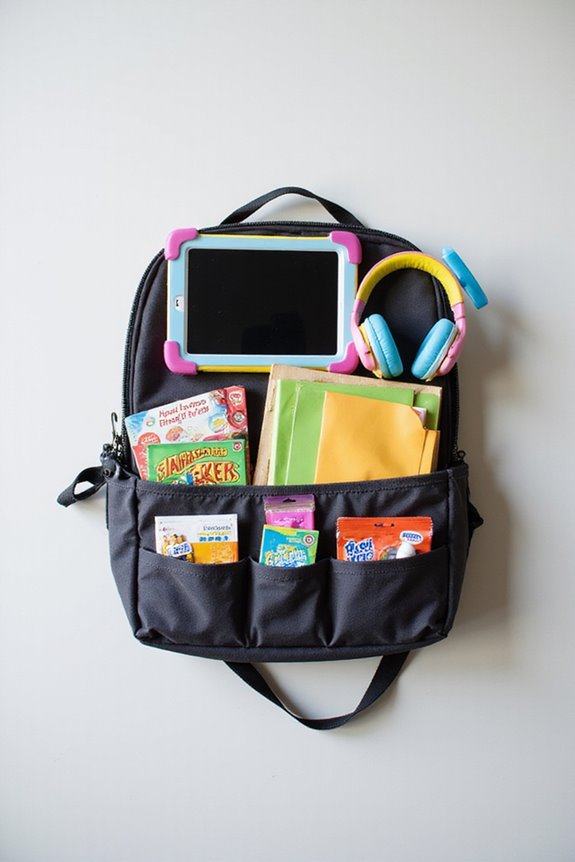
Long car trips become easier when entertainment is planned around the children’s ages, interests, attention spans, and the driver’s need to stay focused. Mix simple games, audio, books, crafts, snacks, observation, and movement breaks instead of relying on one activity. Prepare items before departure, keep safety-critical tasks with the adult, and leave room for plans to change.
Key Takeaways
- Mix screen-free games, audio, books, crafts, observation, and quiet time for different ages and moods.
- Choose activities children can use safely without distracting the driver or blocking car-seat restraints.
- Prepare small activity kits, snacks, comfort items, and a plan for charging or offline audio.
- Schedule safe stops for movement, toilets, food, fresh air, and motion-sickness management.
- Keep expectations flexible; boredom, disagreements, and changes in energy are normal on long trips.
Engaging Classic Car Games for Kids
You may be interested

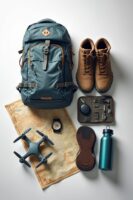
Try I Spy, the alphabet game, travel bingo, storytelling, simple riddles, or spotting landmarks and colors. Adapt the rules for age and avoid games that encourage shouting, unbuckling, distracting the driver, or throwing objects. Cooperative games can work better than scorekeeping when siblings are tired.
Screen-Free Entertainment Options
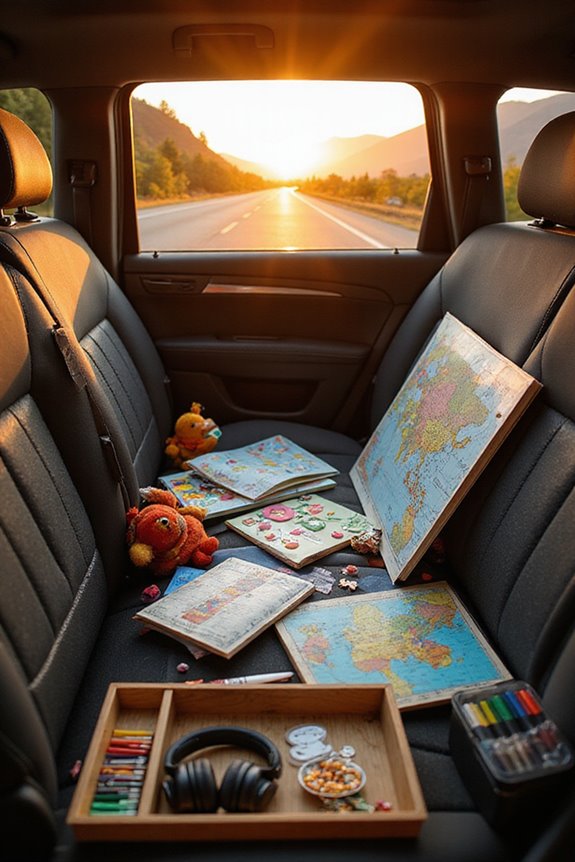
Pack audiobooks, books, sticker scenes, magnetic activities, drawing supplies, reusable puzzles, and a travel journal. Choose items that fit the child’s age and cannot become a loose hazard in the car. Use a small rotation rather than handing over everything at once, and collect dropped pieces only when the vehicle is safely stopped.
Recommended Products


Plan your trip and packing list.

🔎 Looking for an exciting way to keep both kids and adults entertained during your road trips? Look no further than the trivia game "Smartest in the Car"!
Age-Appropriate Activities for Younger Children
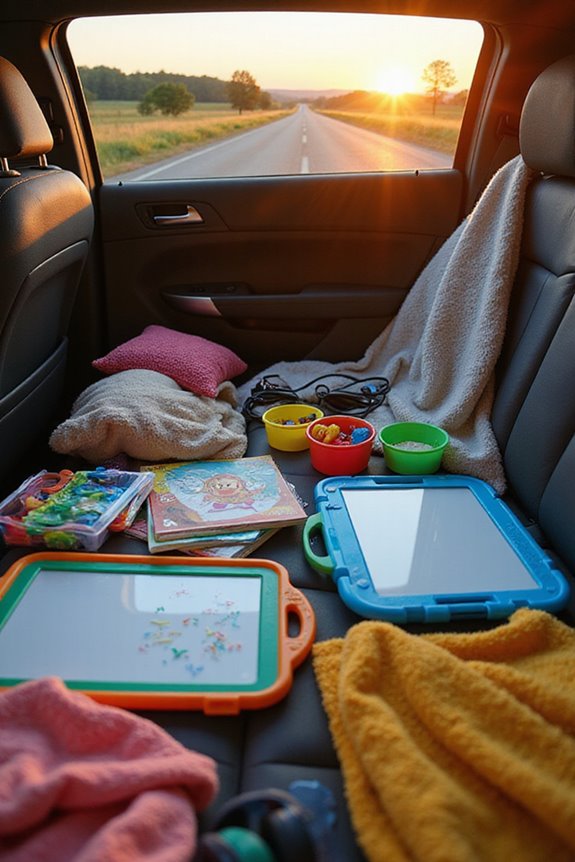
For toddlers and preschoolers, choose soft books, simple picture prompts, large-piece activities, music, finger rhymes, and familiar comfort items. Avoid small parts, long strings, unsecured hard objects, and food that creates a choking risk. Keep children correctly restrained and let an adult handle anything that requires close supervision.
Recommended Products

[8 in 1 ENDLESS FUN SENSORY BOARD] : Our montessori busy board toy offers 8 pages of fun with 21 toddler activities like life skills, 15 dress skills, 26 alphabets 10 numbers 12 colors 12 shapes 9 weathers 9 animals. Develop toddlers' practical life skills, fine motor skills, logical thinking and hand-eye coordination, as well as develop the cognitive ability to recognize letters, numbers, shapes, colors, animals, clocks, and more. Each page of activities is fun and can keep children interested in them and learning as they play

Engaging Innovation - This captivating toddler toy features multiple interactive switches and 23 vibrant LED lights. The playful front side showcases a clock design alongside a fun LED circuit diagram, while the back displays an engaging alpha-numeric chart. Perfectly crafted to stimulate curiosity and exploration in children aged 1-3 years, including preschoolers and children with autism. Requires 2 AAA batteries (not included).

【Montessori Toys for 1+ Year Old】 The Montessori toy includes 7 activity panels, such as a fun mirror, hide and seek clock, carrot puzzle, rotating activity, spinning activity, elastic braided rope and a soft silicone elephant toy. Montessori busy board for 1-3 year old boy and girl as they keep toddlers busy and entertained both indoors and outdoors, say goodbye to screen-time
Activities Catering to School-Aged Children
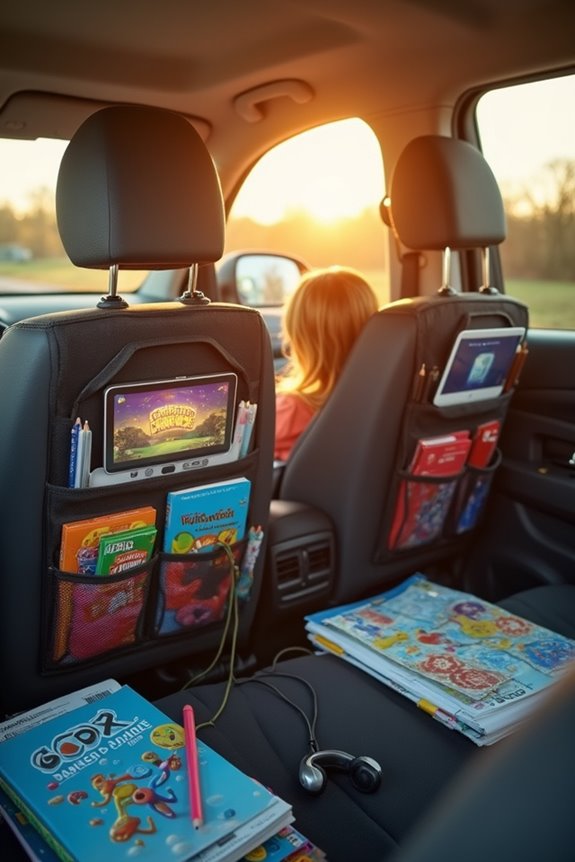
School-aged children may enjoy geography challenges, travel bingo, sketching, reading, puzzles, trivia, podcasts, and planning a stop. Give them a choice between a few activities, invite them to notice the landscape, and encourage quiet options when the driver needs a calm cabin. A shared family game can be more successful than forcing everyone into the same task.
Recommended Products

Highlights silliest hidden pictures puzzle book with challenging and funny seek-and-find pages

【Travel and Roadtrip Essentials】- Keep your toddler entertained for hours, even on long drives! Our kids travel tray & road trip must have is designed to hold up their iPad or tablets, so they can easily watch their favourite shows while giving them the freedom to play, make drawings, and enjoy their food comfortably. This travel toy has a mess-free design and comes with 5 original printed games kit and 4 colourful coloring pens to let them explore their creativity through art.

Audio-Based Entertainment Choices
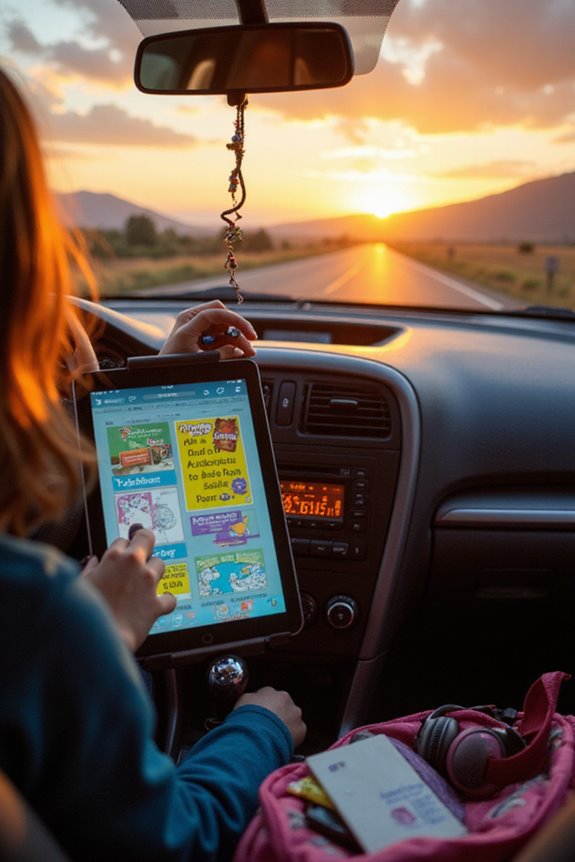
Audiobooks, music, podcasts, and recorded stories can fill long stretches without taking children’s eyes off the road. Download content before departure when coverage may be limited, use age-appropriate settings, and pack headphones only if they allow children to hear necessary adult instructions. Keep the volume comfortable and agree on listening choices before the trip.
Creative Crafts to Keep Kids Busy
Use clipboards, washable pencils, stickers, reusable activity books, and large, contained craft materials. Avoid scissors, beads, loose hard pieces, or anything that could become a projectile or choking hazard while the car is moving. Save messy projects and nature collecting for a safe stop, and keep a bag for scraps.
Recommended Products

Craft kit comes with everything you need to create 12 fuzzy felt friends

Foil Art That Makes The Magic – No Glue, No Scissors, No Mess: Little artists can create exquisite artworks unique pieces of art including sharks, whales, dolphins, submarines and more, shimmery foil art in three simple steps: peel, press, and reveal. Just match the shiny foil sheets to the pre-designed sticky canvas – no glue, no scissors, no complicated instructions. Each time a foil sheet is peeled off, a brand-new masterpiece is revealed, turning crafting into a magical surprise that builds fine motor skills and confidence. Perfect for parents who want creativity without the clean-up headache

Craft kit comes with everything needed to create 40 folded paper animals
Strategies for Self-Entertainment Skills
Give children a small choice of activities, show them how to reset or pack each one, and allow quiet stretches without constant prompts. A timer or trip milestone can help with transitions, but do not make children responsible for entertaining themselves when they need food, comfort, a toilet stop, or adult attention. Boredom can be normal; safety and wellbeing come first.
Building Family Bonds Through Music and Stories
Shared playlists, family stories, sing-alongs, and turn-taking prompts can create connection without requiring the driver to look away. Invite children to tell a story, choose a song, or describe something outside, while keeping the conversation calm enough for safe driving. Let different ages contribute in ways that suit them.
Utilizing Travel Journals for Observation and Creativity
A travel journal can include drawings, route notes, questions, favorite sounds, landmark sketches, or a short end-of-day reflection. Offer prompts for children who need help starting, but allow free-form entries too. Use a sturdy notebook and supplies that stay contained, and never encourage writing or drawing while it interferes with the child’s restraint.
Incorporating Breaks and Movement Activities
Plan safe stops for toilets, food, water, fresh air, and movement. Let children walk, stretch, or play only in an appropriate area away from traffic, drop-offs, and other hazards. Build extra time into the route so a break does not feel like a failure, and never stop in an unsafe location simply to end boredom.
Recommended Products
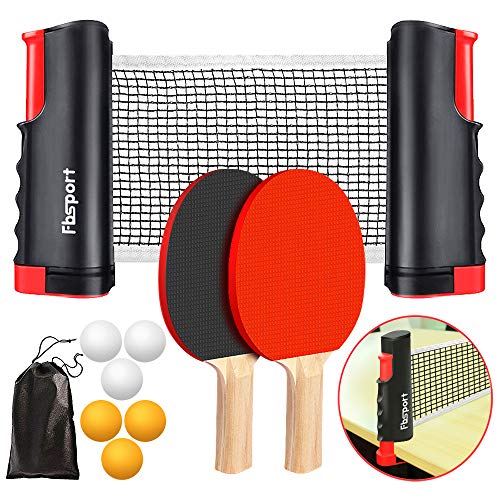
【Retractable Ping Pong Net】Our ping pong paddle set retractable net post boasts lightweight mesh, which is resistant to any impacts. NOTICE: It can be extended up to 5.25 feet (63 inch) wide, attach to the table below 4.5cm thickness

Portable and Complete Set: Enjoy a fun game of badminton doubles with your friends or family anytime and anywhere with this portable equipment set that includes everything you need to play.

Folding frame design allows quick setup and compact storage. The boards collapse flat for convenient transport and space-saving storage during outdoor activities
Frequently Asked Questions
How Can I Prepare Kids for Long Car Trips?
Explain the route in age-appropriate language, involve children in choosing a few activities, prepare comfort items and snacks, and pack a small accessible kit for each child. Check car seats and restraints before departure, set expectations for stops, and keep a flexible backup plan for delays or tiredness.
What Are Some Tips for Minimizing Car Sickness in Children?
Ask a healthcare professional for advice when motion sickness is frequent or severe. During the trip, keep the cabin comfortable, offer light snacks and small drinks when appropriate, limit activities that require looking down, and use safe forward-looking views when the restraint and vehicle allow. Stop as soon as practical if a child feels unwell, and seek care for concerning or persistent symptoms.
How Do I Handle Sibling Conflicts During Road Trips?
Set clear expectations before leaving, give siblings separate space and a few shared options, and intervene early when voices rise. Use calm turn-taking, avoid rewarding unsafe behavior, and schedule a stop when fatigue or hunger is driving the conflict. The adult should focus on driving first and address disputes only when it is safe.
What Snacks Are Best for Long Car Rides With Kids?
Choose familiar, low-mess foods that fit the child’s age, allergies, dietary needs, and ability to eat safely while restrained. Pack water, use containers that reduce spills, and plan for temperature control when food is perishable. Avoid choking hazards and sugary foods that make the trip harder for your child.
How Can I Encourage Kids to Share Their Travel Experiences?
Ask open questions, invite children to draw or dictate a journal entry, and share your own observations without turning the conversation into a test. Use prompts such as “What surprised you?” or “What would you show someone else?” Let children choose what they want to remember and revisit the stories during a safe stop or after arrival.