As an Amazon Associate, we earn from qualifying purchases. Some links on this site are affiliate links at no extra cost to you. Our recommendations are based on thorough research and editorial judgment.
How to Choose the Right Size for Outdoor Clothing

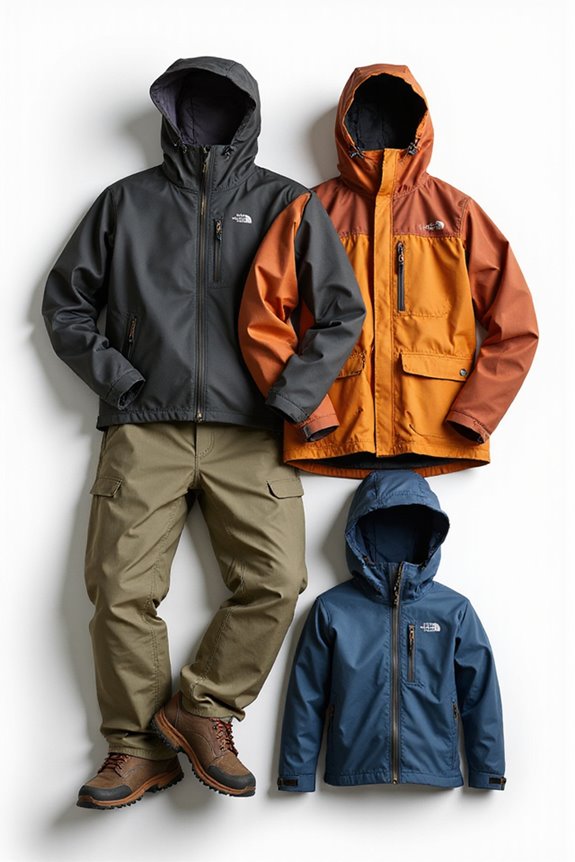
The right outdoor clothing size depends on your measurements, the brand’s chart, the garment’s intended fit, the layers underneath, and how you will move. Measure consistently, read the product notes, check user feedback for the exact item, and confirm the return policy before ordering.
Key Takeaways
- Measure the body areas listed in the product’s own size chart.
- Check whether the garment is slim, regular, relaxed, or designed to fit over layers.
- Use activity, movement, weather, and base or mid-layers to decide how much room you need.
- Read reviews for measurements and fit comments, but treat them as supporting evidence.
- Check the return, exchange, final-sale, and international-shipping terms before purchase.
Understanding Key Measurements
You may be interested
Use a flexible tape and follow the chart’s instructions for chest or bust, waist, hips, sleeve, inseam, and height where listed. Keep posture natural, avoid pulling the tape tight, and measure over the layers the chart requests. Record the result in the chart’s units.
Utilizing Size Charts Effectively
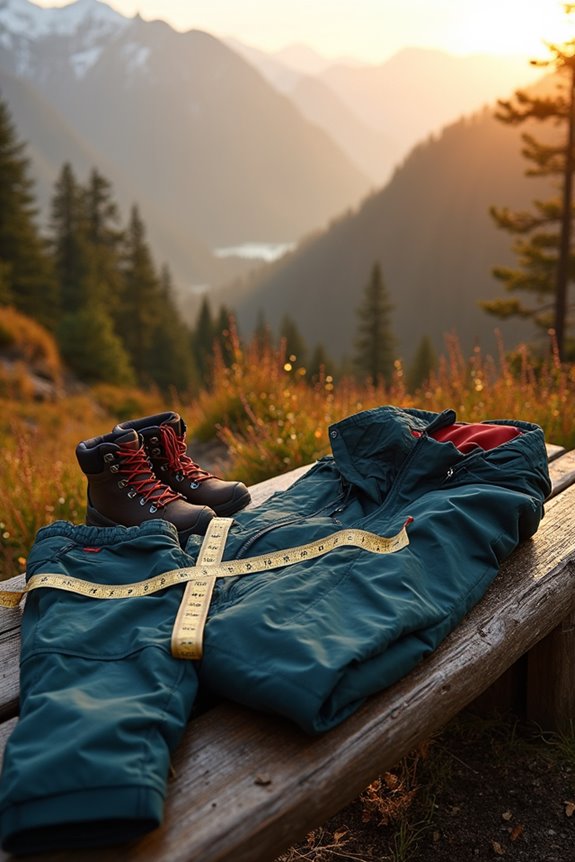
Use the chart for the exact product, not a generic small, medium, or large assumption. Check whether it lists body or garment measurements, confirm inches versus centimeters, and compare all relevant measurements when they fall in different size columns.
Strategies for Online Shopping
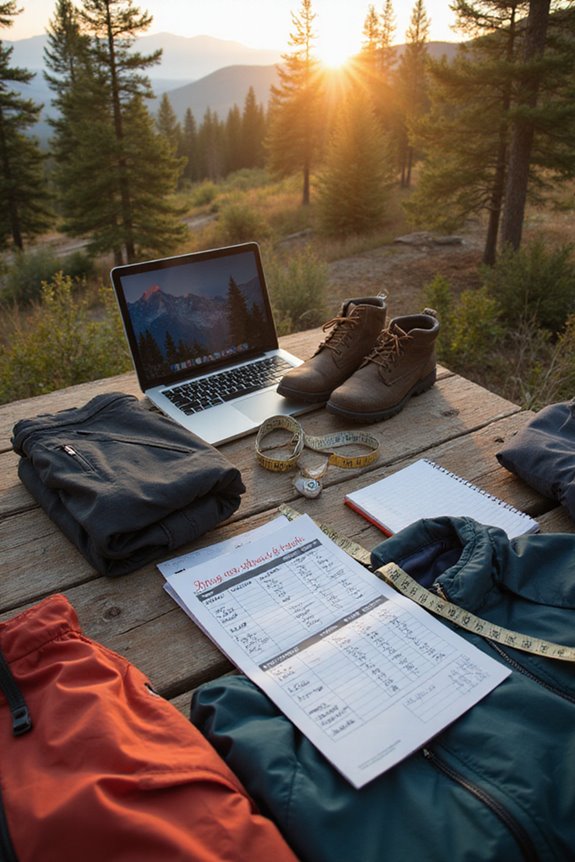
Read the product page, fit description, model measurements, fabric stretch, layer guidance, customer measurements, and recent reviews. Save the chart and return policy, and confirm whether a sale item can be exchanged. If the garment is technical or expensive, buy from a seller with clear support.
Tips for Achieving the Perfect Fit
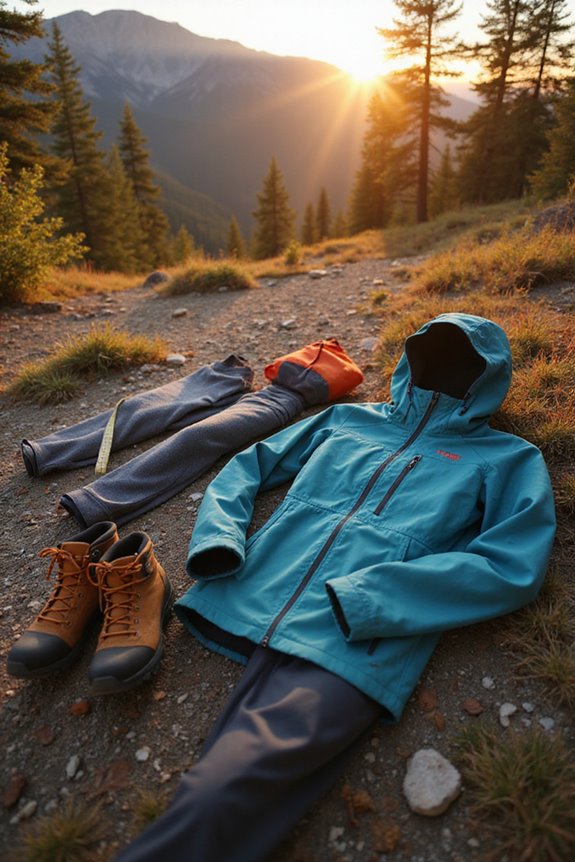
Try the garment with the layers and movement you expect outdoors. Check shoulder mobility, sleeve reach, hem coverage, waistband comfort, pocket access, and whether fabric pulls or bunches. A technically warm garment still fails if it restricts movement or cannot accommodate the required layer.
Specialized Sizing Options
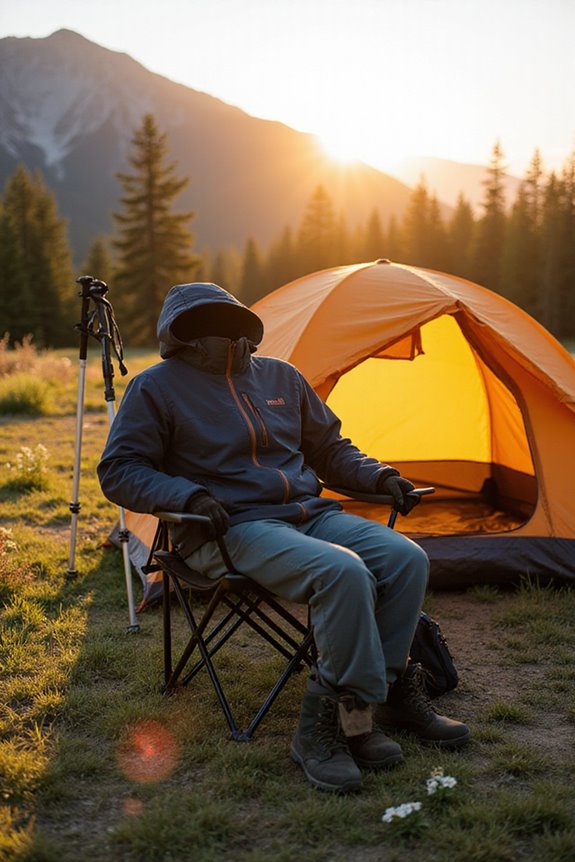
Look for tall, petite, plus, short, long, maternity, adaptive, or extended-size options when relevant. Read the brand’s description because labels differ. Adjustable hems, waist tabs, cuffs, stretch panels, and multiple inseams can improve fit, but they do not replace the correct base size.
Frequently Asked Questions
How Do I Measure Myself Accurately at Home?
Use a flexible tape, measure on a level surface with relaxed posture, and follow the garment’s chart. Keep the tape level without compressing the body, record units clearly, and repeat a measurement if the result seems unusual.
What if My Measurements Fall Between Two Sizes?
Check the garment’s intended fit, stretch, and layering guidance. Size up when you need more room for movement or layers, but compare the specific measurements and return policy rather than applying a universal rule.
Are There Universal Sizing Standards for Outdoor Clothing?
No. Labels and measurements vary by brand, product, region, and fit type. Use the exact chart and garment notes for the item you plan to buy.
How Can I Ensure Comfort During Physical Activities?
Choose a fit that allows the movement and layers required for the activity, then check fabric feel, ventilation, moisture management, cuffs, seams, and pressure points. Test the garment with your actual base and mid-layers.
What Brands Offer Sustainable Outdoor Clothing Options?
Look beyond a brand name and check the specific product’s material claims, certifications, repair program, durability, supply-chain information, packaging, and care instructions. Sustainability labels differ, so read the evidence and avoid assuming that one material or company solves every impact.