As an Amazon Associate, we earn from qualifying purchases. Some links on this site are affiliate links at no extra cost to you. Our recommendations are based on thorough research and editorial judgment.

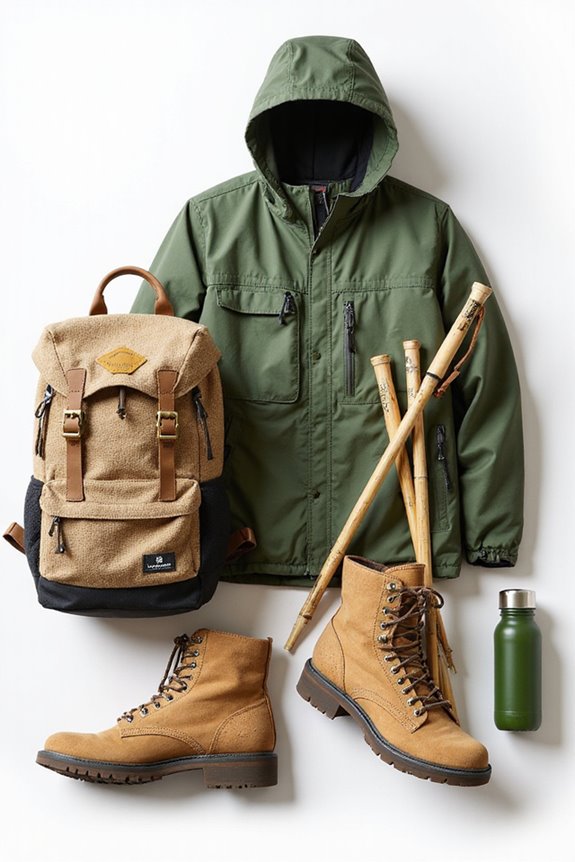
How to Find Vegan-Friendly Outdoor Gear

Finding vegan-friendly outdoor gear requires checking the specific product, not only the brand or a broad “eco” label. Review the materials, adhesives, dyes, coatings, trims, insulation, certification, care, repairability, and performance for your activity. Synthetic and plant-based options can meet many needs, but environmental and durability trade-offs still deserve attention.
Key Takeaways
- Verify each product’s materials, adhesives, coatings, trims, and insulation instead of assuming a brand-wide policy.
- Distinguish “vegan,” “recycled,” “plant-based,” “cruelty-free,” and “eco-friendly”; they do not mean the same thing.
- Check certification scope and current product documentation when a formal vegan claim matters.
- Choose gear that meets the activity’s needs for fit, weather protection, traction, warmth, durability, and repair.
- Consider total impact: useful life, maintenance, repair, synthetic shedding, sourcing, and end-of-life options.
Understanding Vegan Materials in Outdoor Gear
You may be interested


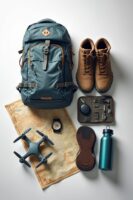
Vegan outdoor gear may use nylon, polyester, polyurethane, plant-based fibers, synthetic insulation, recycled inputs, and adhesives that do not contain animal-derived materials. “Plant-based” does not automatically mean fully vegan or environmentally preferable, and material names alone may not reveal trims, glues, coatings, or processing aids. Use the product’s current material statement and contact the manufacturer when an ingredient is unclear.
Key Features of Vegan Hiking Boots
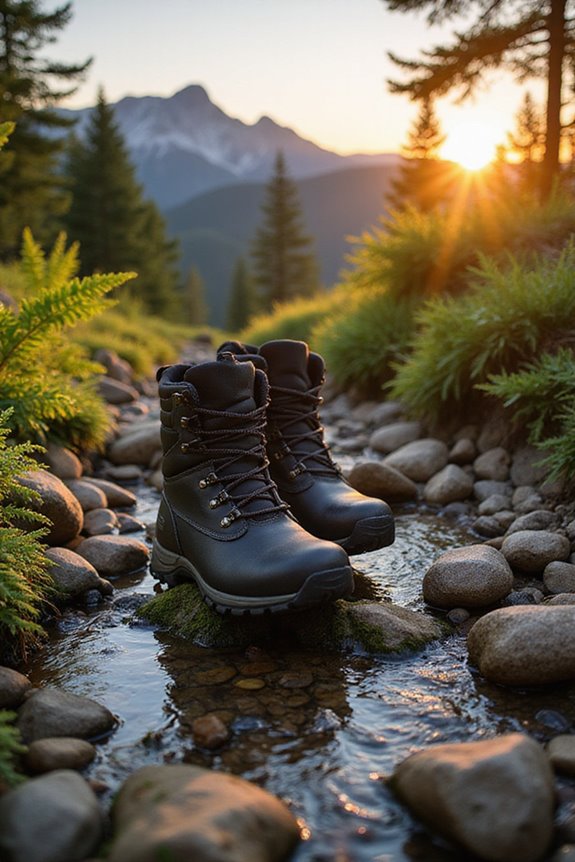
For vegan hiking boots, compare the upper, lining, midsole, outsole, adhesives, waterproof membrane, fit, flex, support, and traction for your routes. A synthetic or plant-based upper can still differ widely in abrasion resistance, breathability, drying time, and comfort. Check whether the manufacturer confirms the complete boot is vegan, and break in the fit before a long hike.
Notable Sustainable and Vegan Outdoor Brands
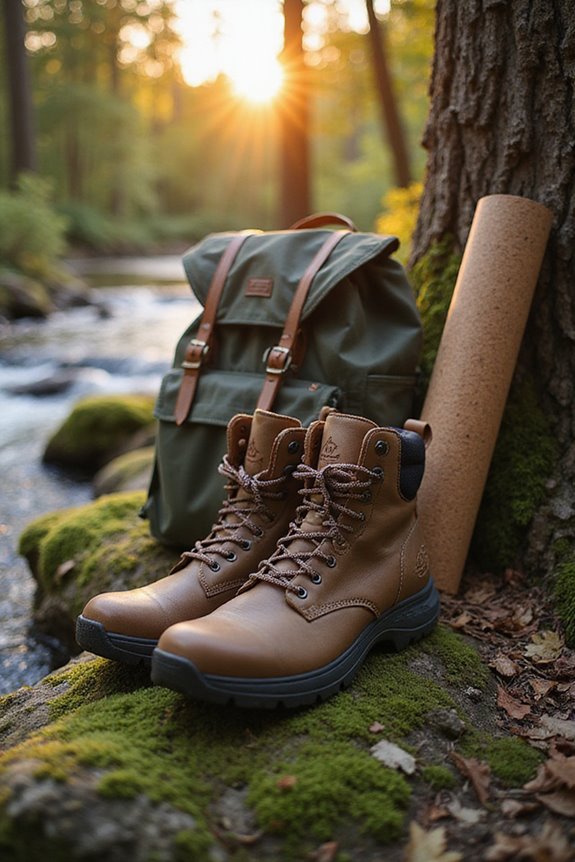
Brand lists change, and a brand that offers vegan products may also sell animal-derived materials. Use brand names as a starting point, then confirm the exact model, current material list, certification, repair policy, and availability. Compare the product’s performance and longevity with your needs, and treat vague sustainability language as a prompt for verification rather than proof.
Strategies for Verification and Labeling
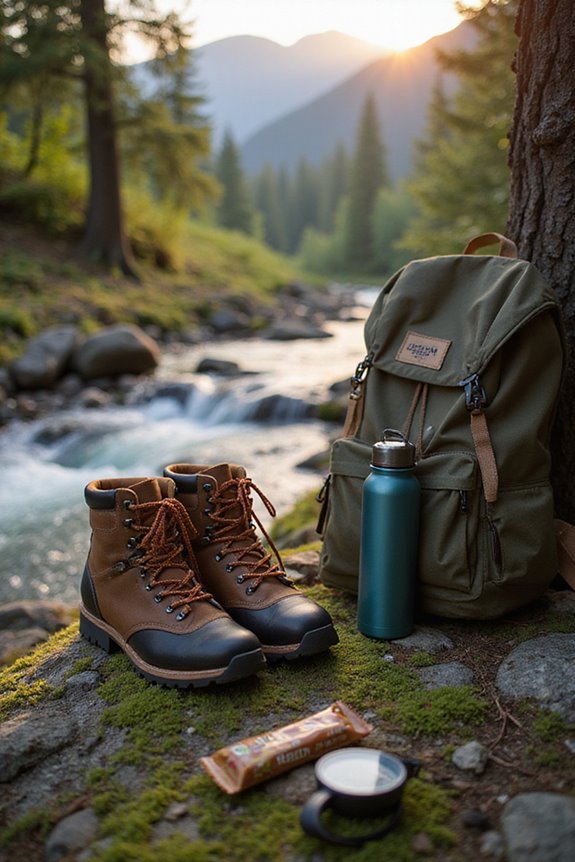
Look for a clear product-level statement, certification details, or a direct answer from the manufacturer about leather, wool, down, silk, animal-derived glues, coatings, and trims. Check what the certification covers and whether it applies to the current model or only a company or collection. “Cruelty-free” may address testing rather than materials, so do not use it as a synonym for vegan.
Common Types of Vegan Outdoor Gear
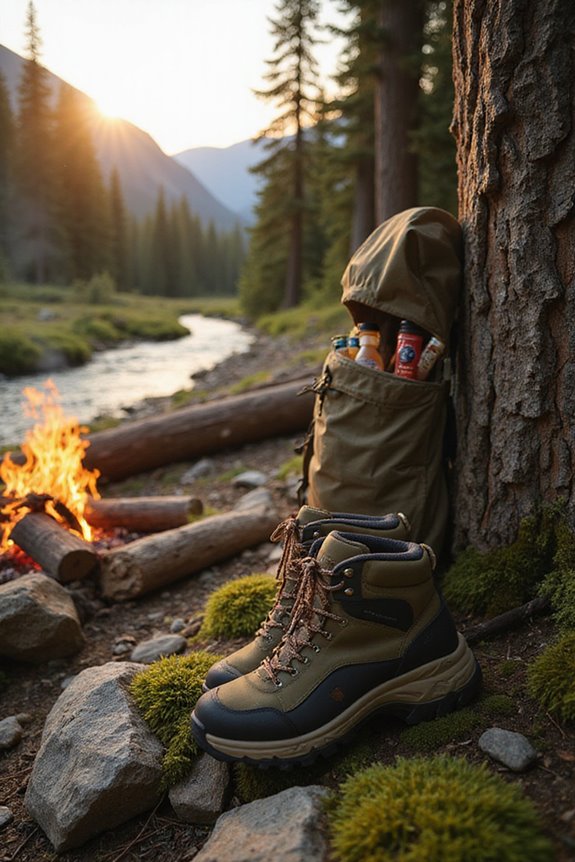
Common categories include synthetic or plant-based clothing, footwear, backpacks, tents, sleeping systems, gloves, belts, and accessories. Confirm the complete product rather than focusing on the main fabric: insulation, webbing, labels, adhesives, waterproofing, and trims may be separate materials. Match the gear to the activity’s weather, load, terrain, and repair needs.
Challenges in Sourcing Vegan Outdoor Gear
Vegan gear can involve trade-offs in durability, breathability, abrasion resistance, drying, microfibre shedding, chemical processing, and end-of-life recycling. Certification may not be available for every component or supplier, and product details can change. Make a short list of non-negotiable values and performance needs, ask specific questions, and choose the most durable suitable item you expect to use for a long time.
Frequently Asked Questions
Are There Vegan Options for Camping Gear and Accessories?
Yes. Tents, synthetic sleeping bags or quilts, backpacks, clothing, cookware, mats, and accessories may be available without animal-derived materials. Check each item’s complete materials and adhesives, especially for insulation, leather trims, wool, down, silk, and coatings. Choose equipment that also meets the trip’s weather, warmth, load, and repair requirements.
How Do I Care for Vegan Outdoor Gear?
Follow the product’s care label, use compatible mild cleaners, and avoid heat, solvents, or treatments that damage coatings and adhesives. Dry gear fully before storage, keep it ventilated, and inspect seams, zippers, soles, and coatings after use. Repair small damage early and check that any repair product also fits your vegan requirements.
Can Vegan Gear Be as Durable as Traditional Options?
It can be, but durability depends on the specific material, construction, use, care, and repair support—not the vegan label alone. Compare abrasion resistance, seams, closures, soles, insulation, warranties, and user reports from similar conditions. A durable product that is maintained and repaired may have a lower practical impact than a short-lived alternative.
Are There Vegan Outdoor Gear Rental Services Available?
Some rental shops may offer vegan-compatible items, but availability and definitions vary. Ask for the exact model and materials, including insulation, trims, adhesives, and cleaning products, and confirm the condition and return requirements. If a rental service cannot verify the details, bring your own confirmed item for values-critical use.
What Is the Environmental Impact of Vegan Outdoor Gear?
Impact depends on the full life cycle: raw materials, energy and water use, chemical processing, transport, microfibre release, useful life, repair, and disposal. Vegan does not automatically mean low-impact, while a recycled or repairable synthetic product may offer different trade-offs. Look for specific evidence, use the gear for as long as it remains safe and functional, and maintain it well.