As an Amazon Associate, we earn from qualifying purchases. Some links on this site are affiliate links at no extra cost to you. Our recommendations are based on thorough research and editorial judgment.

How to Handle Emergencies While Traveling

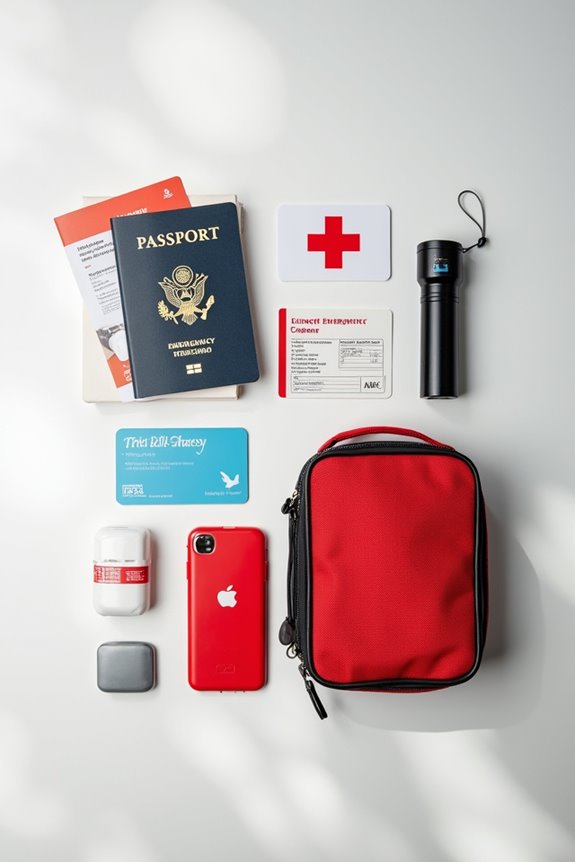
Travel-emergency preparation starts before departure: save destination-specific emergency contacts, identify medical and consular resources, carry prescriptions and important documents, review insurance, and tell someone your itinerary. If an emergency occurs, move to safety when possible, contact local emergency services or a trusted local provider, and follow instructions from qualified professionals.
Key Takeaways
- Save destination-specific emergency, embassy or consulate, insurance, airline, and accommodation contacts before leaving.
- Check destination health guidance, routine vaccines, recommended medicines, medication rules, and access to care with a qualified provider.
- Carry prescriptions in original packaging, copies of important records, essential medication, and a backup plan for delays or loss.
- Review travel, medical, evacuation, cancellation, and personal-property coverage for exclusions and claim steps.
- In an emergency, prioritize immediate safety, contact local services, inform companions, document what happened, and follow professional instructions.
Understanding Travel-Related Health Risks
You may be interested


Health risks vary by destination, season, itinerary, activities, age, and medical history. Before departure, review official destination health guidance and speak with a healthcare provider or travel-health specialist about vaccines, medicines, food and water precautions, insects, altitude, heat, and any personal conditions. Do not self-prescribe preventive medication or assume advice for one destination applies to another.
Common Medical Emergencies and Their Causes
Illness or injury can occur during flights or other parts of a trip, including fainting, breathing problems, allergic reactions, gastrointestinal symptoms, or trauma. Tell cabin crew or local staff promptly, follow their instructions, and seek urgent medical care for severe or worsening symptoms. Travelers with relevant conditions should discuss prevention and what to carry with a qualified clinician before departure.
Prevention Strategies for Safe Travel
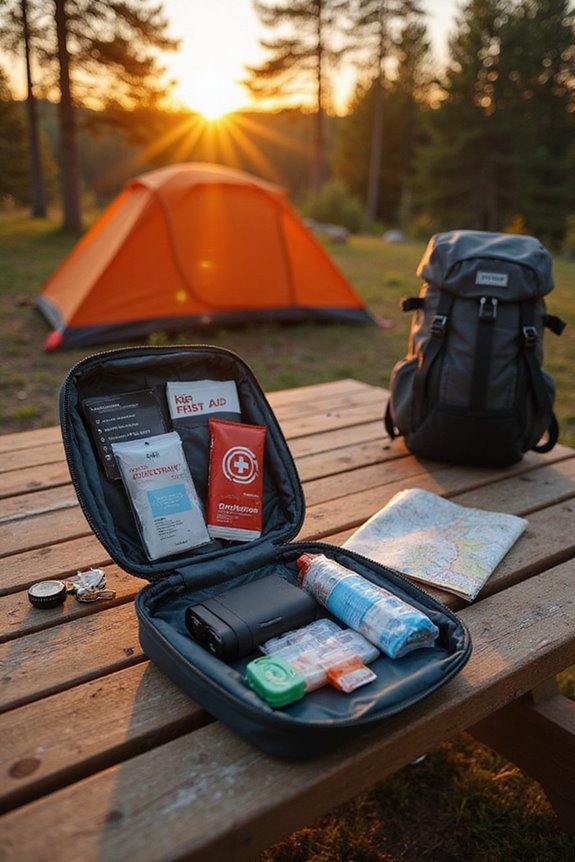
Preparing for a trip isn’t just about packing the right clothes and booking accommodations; it’s also about arming oneself with knowledge and strategies to stay safe and healthy. Travel safety starts with understanding the risks, like infectious diseases and road safety. A pre-travel consultation can be a lifesaver, helping travelers grasp potential health hazards. Additionally, knowing the traffic laws of your destination, like wearing seat belts or using child car seats, can prevent accidents. It’s essential to evaluate the safety of your destination by checking crime rates and political stability. Such emergency preparedness not only enhances one’s travel experience but also mitigates risks, allowing travelers to focus on making unforgettable memories instead of worrying about potential mishaps.
How to Access Emergency Medical Services
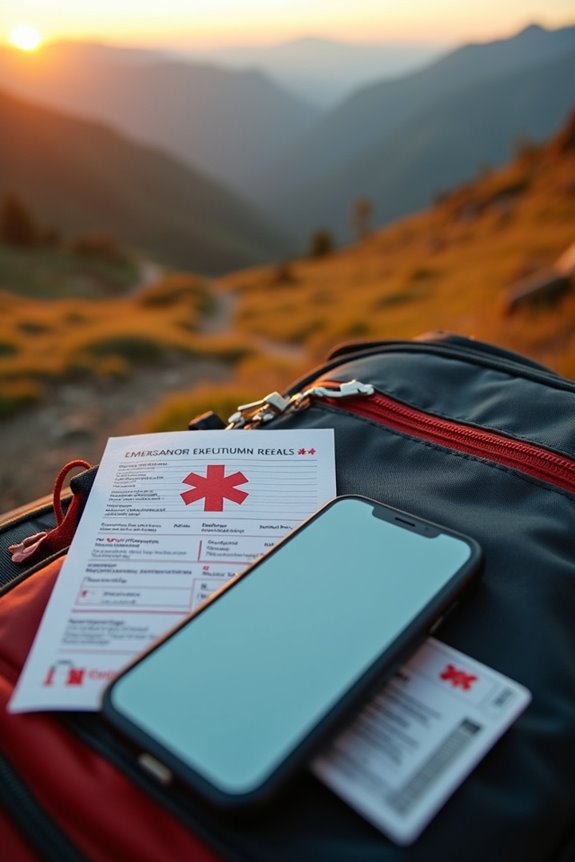
How does one even begin to navigate the maze of emergency medical services while traveling? First off, knowing local emergency numbers is essential; for instance, 911 in the US or 112 in Europe can be life-savers. But don’t stop there! It’s wise to scout out nearby healthcare facilities before you need them—think hospitals with solid emergency departments. Keep in mind that EMS accessibility challenges vary by region. In some places, EMS might just whisk you away, while in others, they focus on advanced care at the scene. If you’re ever in doubt, your hotel staff or even local embassies can be great resources. So, arm yourself with knowledge, and you’ll be ready when emergencies strike!
Importance of Travel Insurance
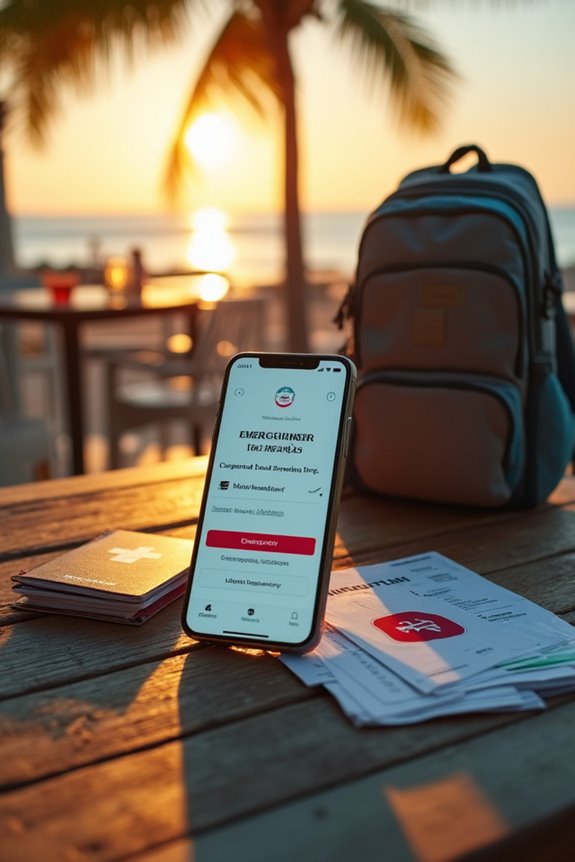
Review travel-insurance and medical-evacuation coverage before paying for a trip. Check limits, exclusions, pre-existing-condition rules, destination restrictions, activities covered, claim deadlines, assistance numbers, and whether you must contact the insurer before treatment. Keep policy details accessible offline because coverage varies by provider and plan.
Steps to Take After an Emergency Occurs
After an emergency, prioritize immediate safety and follow local emergency or medical instructions. Contact companions and your insurer or consular support when appropriate, preserve receipts and records, and note the time, location, providers, and incident details for follow-up. Do not move an injured person unless there is an immediate danger or a trained responder directs it.
For destination-specific health, entry, and emergency advice, use official government, consular, airline, and public-health sources. This article is general preparation information and cannot replace local emergency services or medical care.
Frequently Asked Questions
What Should I Pack in a Travel Emergency Kit?
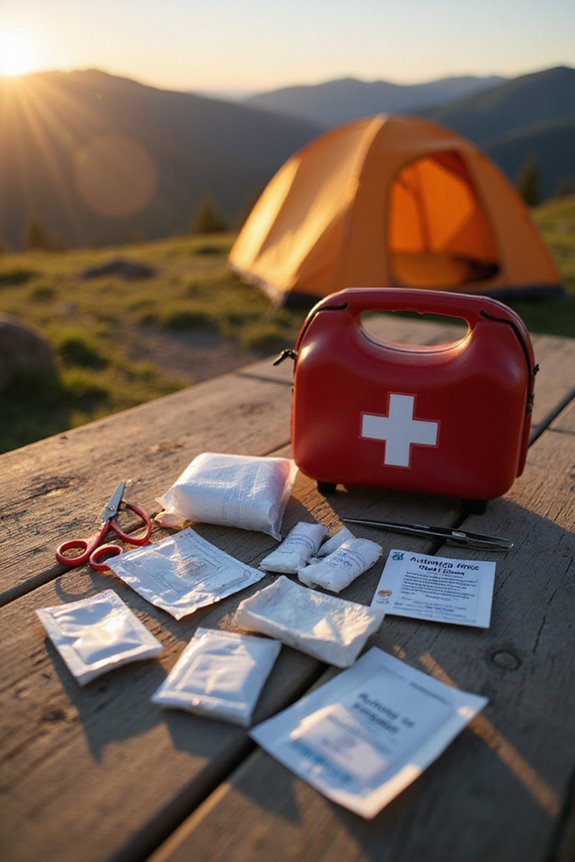
In a forest of uncertainties, the wise traveler packed essential supplies: a first aid kit brimming with plasters, antiseptics, and medications. Preparedness transformed potential chaos into a manageable path, guiding them safely through unforeseen challenges.
How Can I Find Local Medical Facilities While Traveling?
Travelers can efficiently locate medical facilities by utilizing local hospital directories and travel health apps. These resources provide essential information about nearby hospitals, clinics, and available services, ensuring prompt access to necessary healthcare during their trips.
Is It Safe to Drink Tap Water at My Destination?
Determining tap water safety involves researching local regulations and water quality. Travelers should verify government advisories and consider precautions like boiling or filtering water in regions known for unsafe drinking water to avoid illness.
What Should I Do if I Lose My Medication While Abroad?
Contact a local healthcare professional, licensed pharmacy, insurer assistance line, or your prescribing clinician as soon as possible. Keep the original packaging, prescription details, generic name, dosage, and a copy of your medical record available. Do not replace a prescription with an unfamiliar product without qualified advice, and check local import or dispensing rules.
How Can I Communicate During a Medical Emergency in a Foreign Country?
Effective communication during a medical emergency often requires overcoming language barriers. Keeping emergency contacts accessible and utilizing translation apps or bilingual documents can facilitate interaction with healthcare providers, ensuring accurate information exchange and timely assistance.