As an Amazon Associate, we earn from qualifying purchases. Some links on this site are affiliate links at no extra cost to you. Our recommendations are based on thorough research and editorial judgment.

How to Improve Balance for Outdoor Sports

Improving balance for outdoor sports involves practicing controlled positions, single-leg stability, core and hip strength, coordination, and movement on gradually changing surfaces. Start with a version you can perform safely, progress one variable at a time, and use sport-specific drills only when you can maintain control. If pain, dizziness, injury, or a medical condition affects training, seek advice from a qualified professional.
Key Takeaways
- Build from stable, predictable positions toward dynamic and sport-specific movements as control improves.
- Use single-leg, core, hip, and lower-body exercises to practice alignment, coordination, and controlled weight shifts.
- Progress surface, speed, vision, direction, or external load one variable at a time rather than adding every challenge together.
- Warm up, keep the practice area clear, use support when needed, and stop when technique or control deteriorates.
- Track quality, confidence, range, and consistency instead of assuming a balance drill prevents every fall or injury.
Understanding Balance in Outdoor Sports
You may be interested

When it comes to outdoor sports, balance is not just a nice-to-have skill; it’s essential, and mastering it can make the difference between soaring through a mountain trail or taking an unexpected tumble into a bush. Understanding balance mechanisms involves keeping the body’s center of gravity steady over its base of support, whether standing still or zipping down a trail. This skill relies heavily on sensory integration, pulling together visual, vestibular, and somatosensory inputs. Think of it as a team effort: your eyes spot that rock, your inner ear senses your head’s tilt, and your muscles react to keep you upright. With outdoor environments constantly changing, mastering balance can mean the difference between a thrilling ride and an awkward faceplant.
Outdoor Activities to Enhance Balance
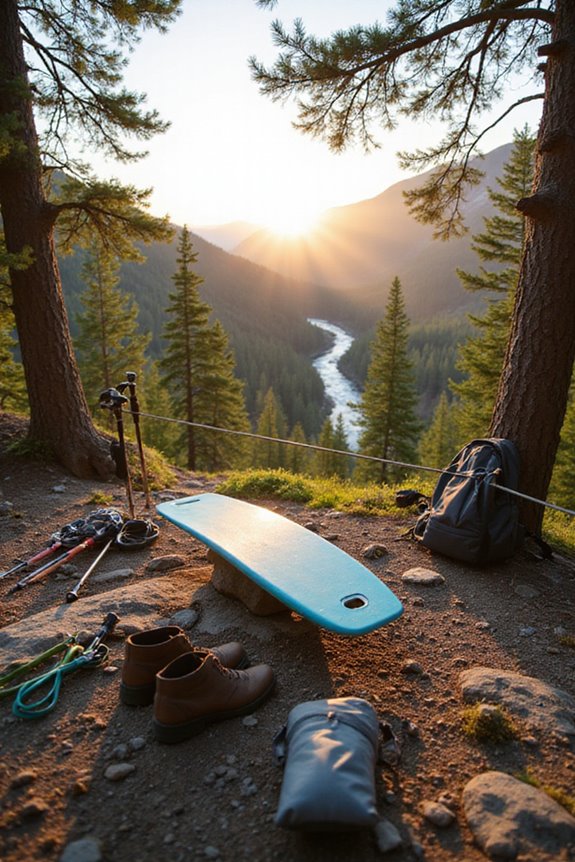
Balance isn’t just a skill; it’s an adventure waiting to unfold, especially in the great outdoors. Engaging in activities like trail running or obstacle navigation can transform the way one interacts with nature. Imagine racing down a rocky trail, every step a dance with the ground beneath. Walking on uneven surfaces sharpens proprioception, while dodging branches and boulders trains essential micro-adjustments. And let’s not forget about the thrill of single-leg balance exercises—standing tall on one leg while trying to catch a frisbee, anyone? These playful challenges not only boost confidence but also challenge stability and movement control, while still requiring appropriate footwear, terrain, and supervision. So, lace up those shoes, venture outside, and embrace the delightful journey to better balance—your body will thank you!
Recommended Products

The aggressive lug pattern delivers grip on both pavement and dirt with the AT Tread outsole system.

DynaSoft midsole couples ultra-responsive performance with plush comfort
Dynamic Balance Exercises for Athletes

Dynamic balance exercises play an essential role in shaping an athlete’s performance, and they can be a game-changer during training sessions. By incorporating balance training techniques, athletes enhance their proprioception, which means they become more aware of their body positions in motion. Imagine darting down a field, your body responding quicker to your brain’s commands—thanks to dynamic stability exercises. These workouts not only boost agility but also fortify joint stability, reducing injury risks that can sideline an athlete. Just picture a football player effortlessly shifting direction, all while maintaining control. In just a few weeks, improvements in balance can lead to better power production and cognitive processing, making these exercises crucial for anyone serious about outdoor sports. Additionally, using resistance bands during balance training can provide added resistance and further enhance strength and stability.
Recommended Products

Multi-functional Exercise: The half exercise ball trainer, unlike any other fitness equipment, offers various strength training methods targeting every muscle in your body, supporting multiple unique stretching poses, making it a perfect complement to your home gym and workout routine. With infinite exercise options, from stepping to plank, lunge to push-up, it provides endless possibilities for full-body workouts.
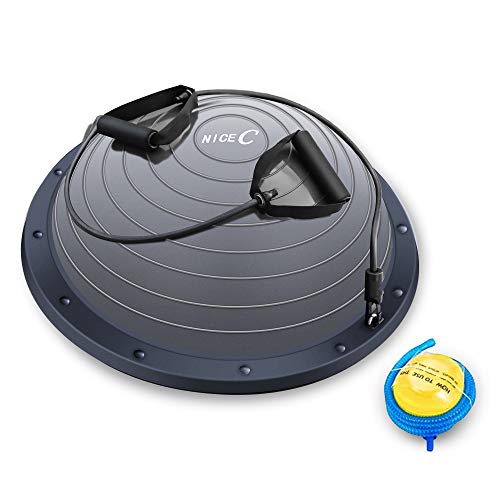
COMPREHENSIVE EXERCISE SET: The Nice C balance ball is a balance, strength, and muscle trainer all-in-one. It can be used by anyone at any fitness level, and focuses on improving agility and balance. This multifunctional exercise equipment assists in core training, improving mobility, high-intensity cardio training, and can even be used for rehabilitation and physical therapy. The ball can be easily carried and used in your home, office, gym or even outdoor.

High End Exercise Bands. Our 12"³ By 2"³ Heavy Duty Loop Resistance Bands Come In 5 Varying Resistance Levels. This Makes Them Perfect Whether You Are Just Starting To Workout Or A Seasoned Workout Warrior. Our Extra Light And Light Bands Are Great For Beginners, While Our Medium, Heavy And Extra Heavy Exercise Bands Are Targeted For More Intermediate And Advanced Strength Training.
Single Leg Balance Training Techniques
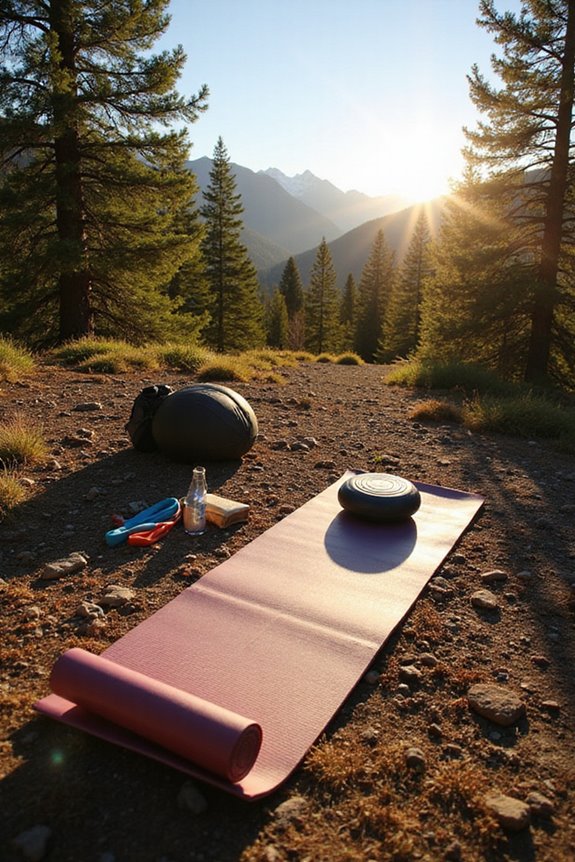
Standing on one leg might seem like a simple party trick, but it’s a powerful training technique that can seriously boost outdoor sports performance. Single leg balance techniques enhance agility and stability, essential for skiing, trail running, and hiking. Imagine reaching your free leg forward or sideways while maintaining your balance—it’s a workout for both body and mind! Start with a stable surface, holding for 30 to 60 seconds, then progress to dynamic movements like single leg squats or hops. These exercises not only strengthen stabilizer muscles but also reduce injury risks. Picture yourself gracefully maneuvering uneven terrain, thanks to your newfound balance. Incorporating resistance bands into your training can further enhance strength and stability during these balance exercises. So, embrace the challenge of single leg training—your outdoor adventures will thank you!
Recommended Products

Premium Package: WIKDAY professional resistance loop bands includes 5pcs different levels , they are all 6in length and 2in width, but different thickness. According to your training needs at different stages, you can match the exercise bands with the appropriate resistance level, So Whether you are a fitness beginner, or a exercise warrior, WIKDAY workout bands will be your perfect choice

Complete 5-Pack Fitness Kit: This versatile set of durable resistance bands includes 5 multi-level exercise bands (light to heavy resistance). Great for strength training, stretching, Pilates, yoga, physical therapy, and full body workouts. Suitable for users of all levels, including women, men, beginners, seniors, and athletic kids.

Vary colors for various strengths: The Yellow resistance band provides 0-10lbs resistance, Red is between 10-20 lb, Green is between 20-30lbs, blue is 30-40lbs & black provides 40-50lbs resistance.
Foundational Balance Exercises for Winter Sports
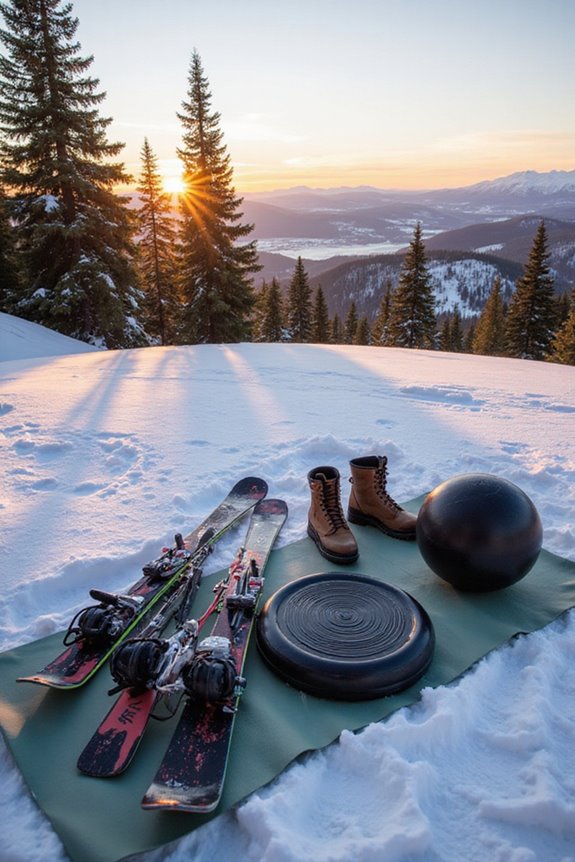
When it comes to winter sports, a solid foundation is key to not just surviving but thriving on the slopes. Core strengthening is essential; exercises like planks and bird dogs build stability, helping to keep the spine aligned while maneuvering tricky terrain. Imagine gliding down a snowy hill, knowing your body is ready for anything! Incorporating dynamic balance drills, such as single-leg jumps or lateral bounds, enhances proprioceptive training, sharpening the brain’s ability to respond to changing conditions. Plus, don’t forget about lower-body strength—squats and step-ups can make those turns feel effortless. By focusing on these foundational exercises, athletes can reduce the risk of falls and enjoy every exhilarating ride down the mountain, feeling confident and balanced. Utilizing resistance bands can further enhance your training by providing effective resistance and versatility in exercises.
Recommended Products

Adjustable Resistance Bands Set: 5 resistance levels, Pink 10 lbs, Medium pink 20 lbs, Blue 30 lbs, Grey 40 lbs, Black 50 lbs. Stackable exercise bands, both in 51", maximum resistance is 150 lbs

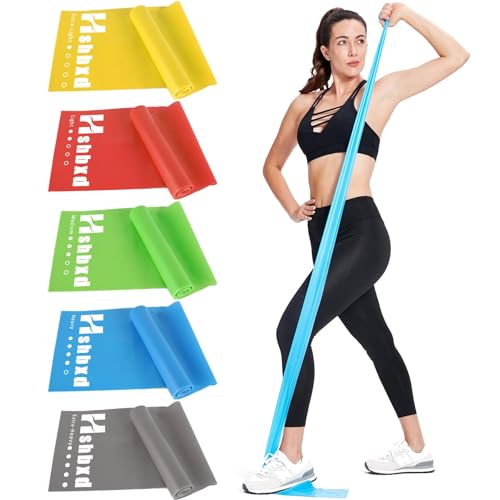
Good Quality Exercise Bands - Made of TPE material, TPE is environmentally friendly, non-toxic and safe, has a wide range of hardness, soft touch, weather resistance, fatigue resistance and temperature resistance, used TPE old products can be recycled after simple regeneration, reducing Environmental pollution, expanding the source of renewable resources. The product is latex and powder free and fragrance free.
Utilizing Balance Tools and Equipment
While many might think balance training is just for gymnasts or tightrope walkers, the truth is, anyone looking to improve their outdoor sports performance can benefit greatly from using balance tools and equipment. Balance boards, for instance, offer incredible balance board benefits by engaging core muscles, making workouts versatile and fun. Users can perform squats, push-ups, or even yoga, all while enhancing stability. Other tools like balance pads and discs focus on proprioceptive training, challenging the body on unstable surfaces. These lightweight devices are easy to use anywhere, adapting to fitness levels. Plus, they’re perfect for injury prevention! Incorporating these tools into a routine not only boosts balance but also adds excitement to workouts, making every session an adventure.
Recommended Products

Ultimate Head to Head Stack & Balance Challenge: A dynamic balance board base turns every block placement into thrilling brain games & high-stakes strategy board games fun! A must-have for lawn games, backyard parties, and unforgettable weekends with friends and family.
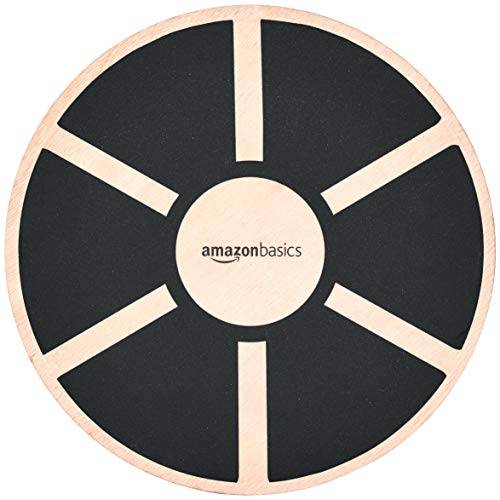
Black balance board can help improve core strength, coordination, posture, and balance

Wii Fit requires a Wii console to play. Wii console sold separately.
Training Principles for Balance Improvement
Improving balance isn’t just a chore; it’s a journey filled with exciting discoveries and challenges. To commence this adventure, one must embrace dynamic systems theory, which emphasizes the interconnectedness of body movements and balance. This means incorporating core stability exercises, plyometrics, and resistance training. For instance, engaging the core through planks and dynamic movements enhances stability, while jump squats add that zing to your quickness. Balance assessment is key, helping identify strengths and areas for improvement. And remember, blending in flexibility and mobility exercises keeps those joints happy and enhances overall control. With progressive overload and a sprinkle of humor, balance training can be an exhilarating ride, paving the way for outdoor sports success!
Progression Strategies for Effective Balance Training
Mastering balance is like starting a thrilling treasure hunt, where each step reveals new strategies for success. To initiate this adventure, one should begin with basic single-leg stances on solid ground, gradually introducing unstable surfaces like foam pads. Adding dynamic movements, such as lifting an opposite arm or leg, increases the excitement while enhancing balance progression. Incorporating external stimuli, think resistance bands or even friendly pushes, brings real-world stability challenges into play. As confidence builds, participants can explore multi-planar movements and tackle sudden changes, refining their reactive balance. Engaging in sports like trail running or mogul skiing not only solidifies these skills but also proves that balance training can be both effective and fun, ensuring every outdoor adventure becomes memorable!
Balance drills are general training ideas, not individualized treatment. Use a stable surface and support when needed, progress gradually, and stop if pain, dizziness, numbness, or unusual loss of balance develops.
Frequently Asked Questions
How Often Should I Practice Balance Exercises?
Choose a frequency that allows consistent practice without sacrificing control or recovery. Short, focused sessions may be enough for some people, while others may include balance work within a broader strength or sport program. Progress gradually and stop if pain, dizziness, or unusual symptoms appear.
Can I Improve Balance Without Specialized Equipment?
Ironically, many believe balance requires fancy equipment, yet yoga poses enhance core stability without it. Simple exercises, like one-leg stands, can effectively improve balance, proving that sometimes, less truly is more in fitness.
What Age Should Balance Training Begin?
Balance practice can be adapted to many ages through safe, age-appropriate play and movement. Children should be supervised, older adults may benefit from stable support, and anyone with a condition affecting balance should ask a healthcare professional for suitable exercises.
Are There Specific Warm-Ups for Balance Training?
Like a tightrope walker mastering their craft, specific warm-ups for balance training include dynamic stretches and proprioceptive drills. These techniques cultivate stability, enhancing overall coordination and preparing athletes for the unpredictable nature of outdoor sports.
How Do I Track My Balance Progress Effectively?
To track balance progress effectively, one should utilize various balance assessments alongside tracking techniques. Regular evaluations, such as the BESS and SEBT, combined with data analysis and coaching feedback, guarantee thorough monitoring of improvements over time.