As an Amazon Associate, we earn from qualifying purchases. Some links on this site are affiliate links at no extra cost to you. Our recommendations are based on thorough research and editorial judgment.

How to Lubricate a Bicycle Chain Correctly

A clean, correctly lubricated bicycle chain runs more quietly and shifts more consistently, but excess lubricant can attract abrasive grit. Start by removing surface dirt, choose a bicycle-chain lube for the weather and drivetrain, apply a small amount to the rollers, allow it to work in, and wipe the outside clean. Inspect chain wear and shifting regularly instead of relying on a fixed distance.
Key Takeaways
- Clean and dry the chain before applying lubricant, using compatible products and sensible ventilation.
- Choose wet, dry, wax, or another bicycle-specific lube according to the conditions and the manufacturer’s instructions.
- Place a small drop on each roller, rotate the cranks, let the lube settle, and wipe off the outside.
- Lubricate when the chain becomes noisy, dry, stiff, or exposed to water and contamination—not on an arbitrary schedule.
- Measure chain wear and replace the chain or other drivetrain parts when the manufacturer or tool indicates service is needed.
Importance of a Well-Lubricated Chain
You may be interested



Lubricant reduces metal-to-metal friction inside the chain and helps the drivetrain run more quietly and smoothly. The benefit depends on a clean chain, the correct product, enough coverage inside the moving parts, and removal of excess from the outside. Lubrication cannot repair worn rollers, stretched chain components, damaged teeth, or a misaligned drivetrain.
Preparing Your Chain for Lubrication
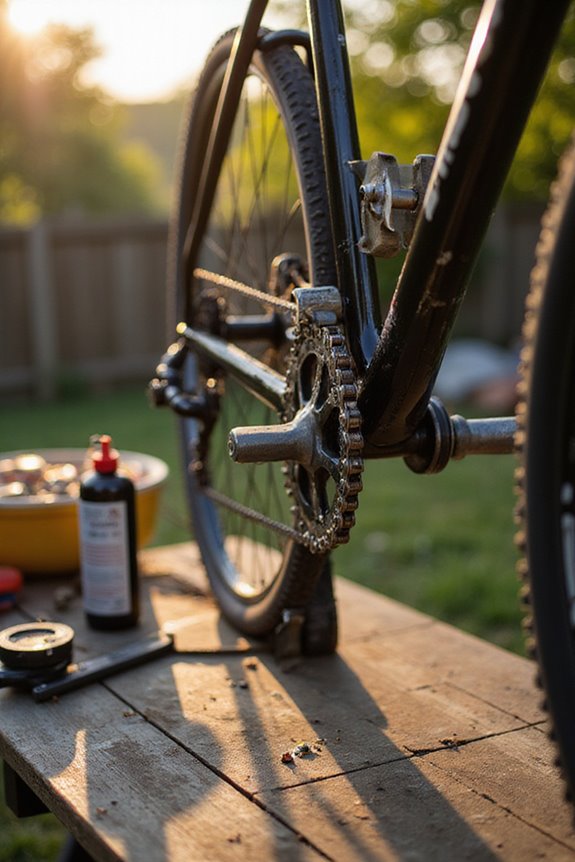
Wipe off loose dirt, then clean the chain with a bicycle-compatible degreaser or the method recommended for your drivetrain and lubricant. Use gloves and ventilation, keep solvents away from brakes, tires, paint, children, and flames, and dispose of contaminated materials responsibly. Rinse or wipe as directed and let the chain dry completely before lubricating. Do not use a pressure washer that can force grit or water into bearings.
Recommended Products

CB-4 Bio Chain rite is a 100 Percent biodegradable, natural, plant-based degreaser

Foaming action clings to bike surfaces to deeply penetrate and quickly remove stubborn grease and grime from bike chains and the rest of the drivetrain
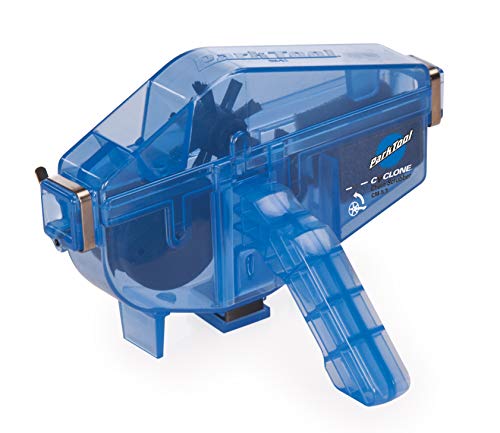
Works with all multi-speed bikes (5, 6, 7, 8, 9, 10, 11, and 12-speed)
Choosing the Right Lubricant
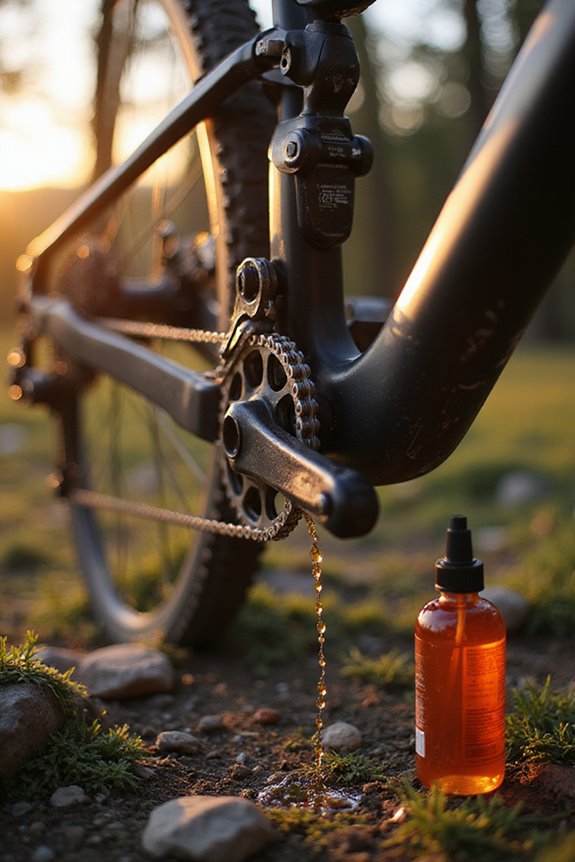
Wet lube can stay in place better in rain but may attract more dirt; dry or wax-based products can suit drier, dustier conditions but may need more frequent attention. Follow the product instructions and check compatibility with the chain, coating, wax system, and riding conditions. Use a product designed for bicycle chains rather than household oil, fuel, or an improvised solvent mixture.
Recommended Products

PREMIUM CERAMIC LUBE: Muc-Off C3 Ceramic Dry Lube is a premium bike chain lubricant that creates a ceramic coating for the ultimate chain performance.

Fast. Easy. Clean. Designed to keep your bike chain fast and clean by reducing friction, repelling dirt, and improving pedaling efficiency in dry and dusty conditions.

Fast. Easy. Clean. Designed to keep your bike chain fast and clean by reducing friction, repelling dirt, and improving pedaling efficiency in dry and dusty conditions.
Thinning Your Lubricants for Better Performance
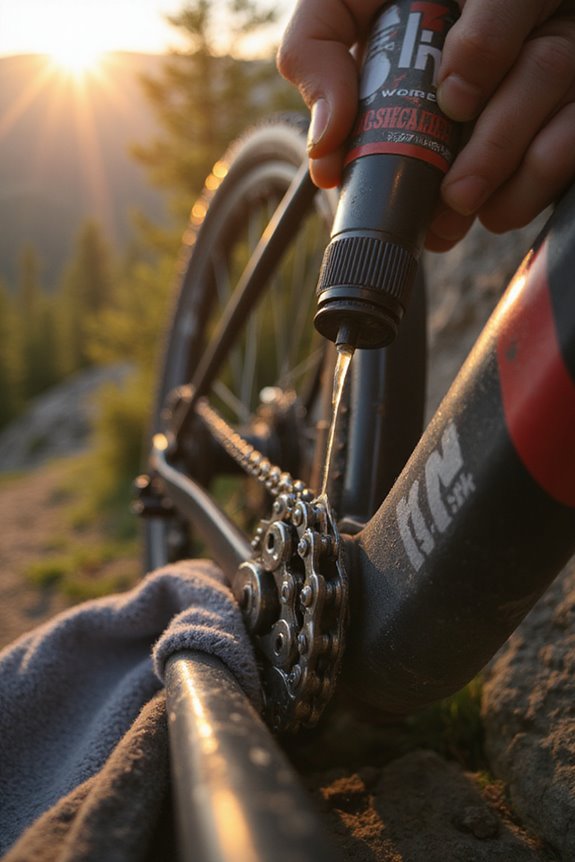
Do not thin bicycle lubricant with diesel, fuel, or an unapproved solvent. Changing the formula can reduce protection, damage components, create fire or health hazards, and leave an unreliable film. Use the product as supplied, choose a different lube for the conditions, or follow the manufacturer’s instructions for a compatible cleaning or application method.
Recommended Products

2-in-1 Performance: Cleans and lubricates in one easy step to remove grime while leaving behind a lubricating film for smooth, efficient drivetrain operation.

Keep rolling under extreme conditions with this Wet Lube formula. Designed for wet, muddy & extreme conditions, it provides a durable coating that helps repel water and mud and helps protect your chain to extend its life

ULTRA-DURABLE: Muc-Off Bio Dry Lube is an ultra-durable bike chain lube that penetrates deep to provide long-lasting lubrication.
Proper Application Techniques
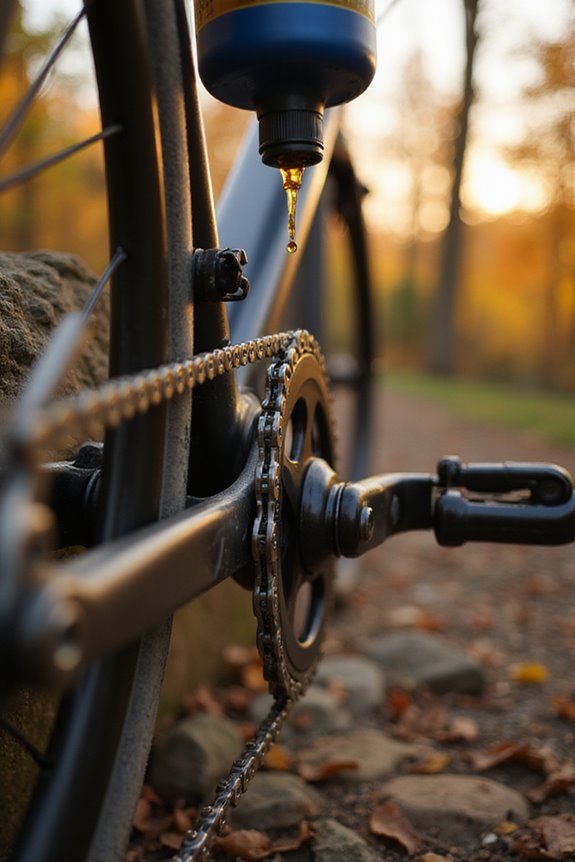
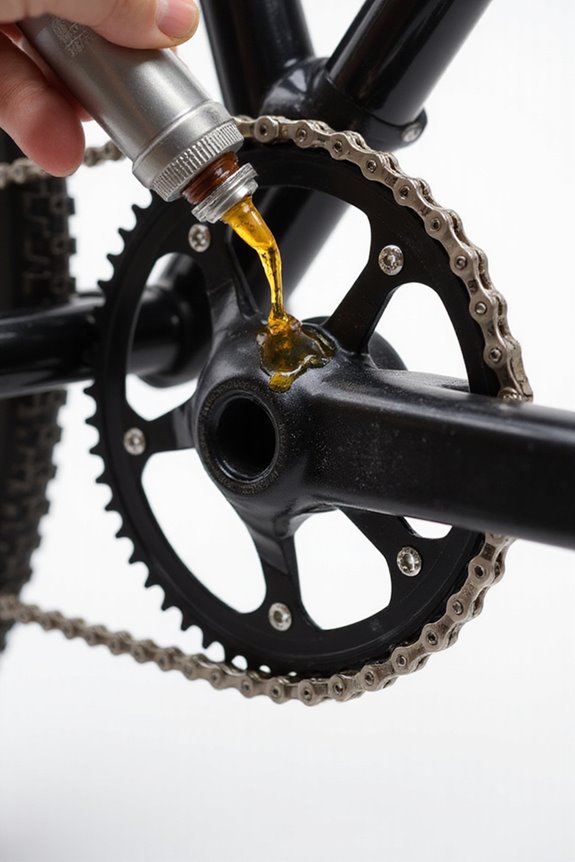
Shift to a suitable gear, place one small drop on the inside of each roller, and rotate the cranks backward to distribute it through the chain. Avoid spraying near brake rotors, pads, rims, or tires. Allow the lube to penetrate for the time stated on the label, then wipe the outer plates and rollers until no visible excess remains. Recheck shifting before riding.
Recommended Products

No Drip Design: The TorchPilot No Drip Chain Luber has a no-drip design, which means that it will not leak oil or other fluids onto your bike or the ground. This makes it a safe and environmentally friendly choice for your bike maintenance.

Premium Wet-Style Lubricant: Formulated to provide maximum performance in rain, mud, and extreme riding conditions

BICYCLE CHAIN LUBE: Provides the benefits of a hot-melt wax experience in a convenient drip application. Our bike lubricant delivers efficiency, cleanliness, and durability without removing your chain.
Maintaining Your Chain’s Health
Inspect the chain after wet, muddy, dusty, or salty rides and after cleaning. Re-lubricate when the chain sounds dry, feels rough, develops stiff links, or no longer shifts smoothly, then wipe away dirt-attracting excess. Use a chain-wear checker or the drivetrain manufacturer’s guidance to decide when replacement is due. Replace damaged parts before a long or remote ride.
Tools and Accessories for Chain Maintenance
A practical kit may include a chain-wear checker, compatible degreaser, brushes or a chain-cleaning device, lint-free rags, bicycle-chain lube, gloves, and a way to protect brakes and the work surface. Add a master-link tool or spare link only if it matches the chain and you know how to use it. Store chemicals safely and follow disposal instructions.
Recommended Products

【Bicycle Cleaning Kit】:Fully equipped, include, Wheel Brush, Claw bicycle cleaning brush, Chain Cleaner Brush, Chain Scrubber, Degreaser, Lubricant, After in-depth maintenance of your bike, your bike will look completely new.

【BIKE CHAIN CLEANER】Bicycle riding will have oil and dust over a period of time. This will increase the wear of components.This chain cleaner can effectively remove stubborn dirt without corroding the bicycle.The bike chain cleaner kit include Bicycle Chain Cleaning Fluid 300ml x1 , Lubricant 100ml ×1,Chain scrubber ×2,Gear brush ×1, Sprocket Brush×1.

Essential Drivetrain Kit: Essential 7-Piece Chain Maintenance System - Includes 10oz chain degreaser, 2oz wet lubricant, chain scrubber tool, and cleaning brush; focused on drivetrain care and chain maintenance for optimal performance
Storing Your Bicycle Chain Properly
If storing a spare chain, keep it clean, dry, lightly protected according to the manufacturer’s guidance, and sealed from humidity without trapping moisture. Avoid contaminating it with household grease or fuel, label the size and speed compatibility, and inspect for rust, stiff links, or damaged packaging before installation.
Frequently Asked Questions
How Often Should I Replace My Bicycle Chain?
Replace a chain when a chain-wear tool or the drivetrain manufacturer indicates that it has reached its service limit, or sooner if it is damaged, corroded, has stiff links, or causes persistent skipping. Wear depends on mileage, power, weather, dirt, maintenance, and drivetrain design, so a fixed distance is not reliable for every rider.
Can I Use Motor Oil for Chain Lubrication?
Motor oil is not the preferred choice because it may have the wrong viscosity and can collect dirt or migrate onto braking surfaces. Use a bicycle-specific chain lubricant selected for the conditions, apply it sparingly, and wipe off the outside.
What Signs Indicate My Chain Needs Lubrication?
Noise, a dry or rough feel, stiff links, sluggish shifting, visible corrosion, or recent exposure to rain, mud, salt, or washing can indicate that the chain needs attention. Clean it when contaminated, apply compatible lube, and investigate persistent skipping or grinding instead of masking a mechanical problem.
Is It Necessary to Remove the Chain for Cleaning?
No. On-bike cleaning can be enough for routine dirt when the chain can be cleaned without contaminating the brakes. Removing the chain or using a compatible quick link may help with heavy contamination or a deeper service, but follow the chain and drivetrain manufacturer’s instructions and reinstall it correctly.
Can Environmental Conditions Affect Lubrication Frequency?
Yes. Rain, mud, dust, road salt, humidity, heat, washing, and indoor storage all change how quickly lubricant becomes contaminated or displaced. Inspect the chain after those conditions, clean and dry it as needed, and choose a lube suited to the route rather than following a calendar alone.