As an Amazon Associate, we earn from qualifying purchases. Some links on this site are affiliate links at no extra cost to you. Our recommendations are based on thorough research and editorial judgment.

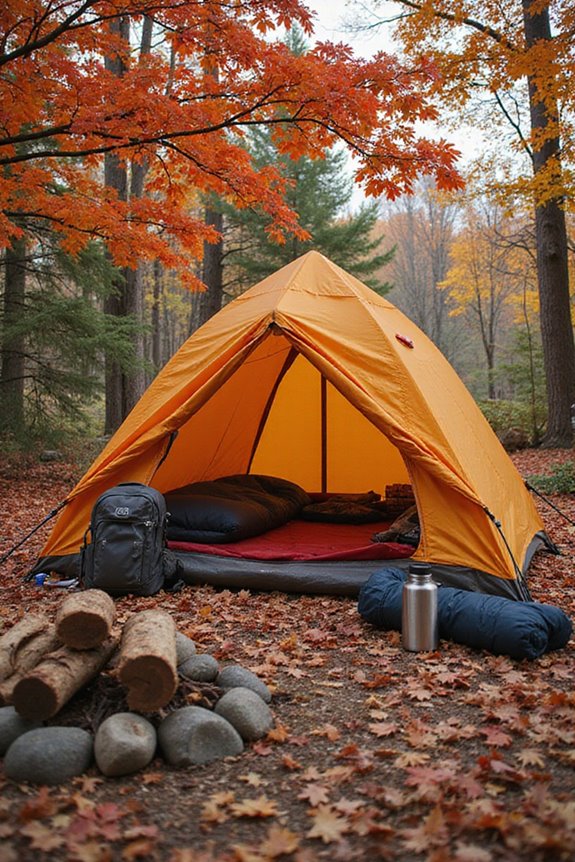
Fall Camping Checklist: How to Prepare Safely

Fall camping can bring cool nights, changing weather, shorter daylight, wet ground, and active wildlife. Prepare for the coldest and wettest conditions you may encounter, then match clothing, shelter, sleep insulation, food, water, navigation, fire rules, and turnaround time to the exact route and forecast. Check current land-manager guidance before leaving.
Key Takeaways
- Use a flexible clothing system with a moisture-managing base, insulating layer, and weather-protective outer layer.
- Choose a stable, well-drained campsite away from flood channels, dead branches, exposed hazards, and wildlife attractants.
- Plan safe drinking water, food, cooking fuel, waste storage, and a backup for delays or cold conditions.
- Check forecasts, daylight, fire restrictions, permits, closures, and wildlife rules before departure.
- Carry navigation, light, first aid, communication, and enough margin to turn around before conditions become unsafe.
Clothing and Layering Essentials
You may be interested


Use a moisture-managing base layer, an insulating midlayer, and a wind- or rain-protective outer layer that you can add or remove. Pack dry socks, gloves, a hat, and footwear that suits wet or uneven ground. Waterproof does not mean breathable or warm, so test the clothing system and protect insulation from moisture.
Shelter and Campsite Setup
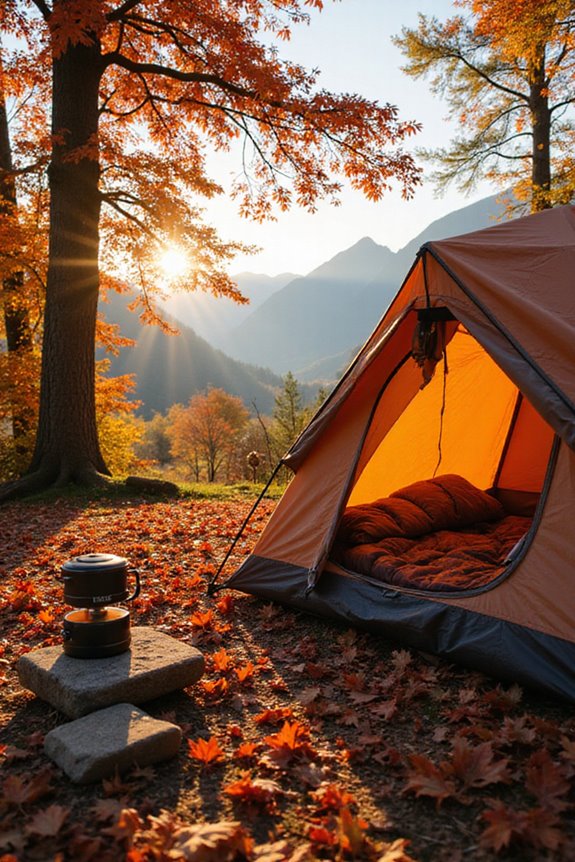
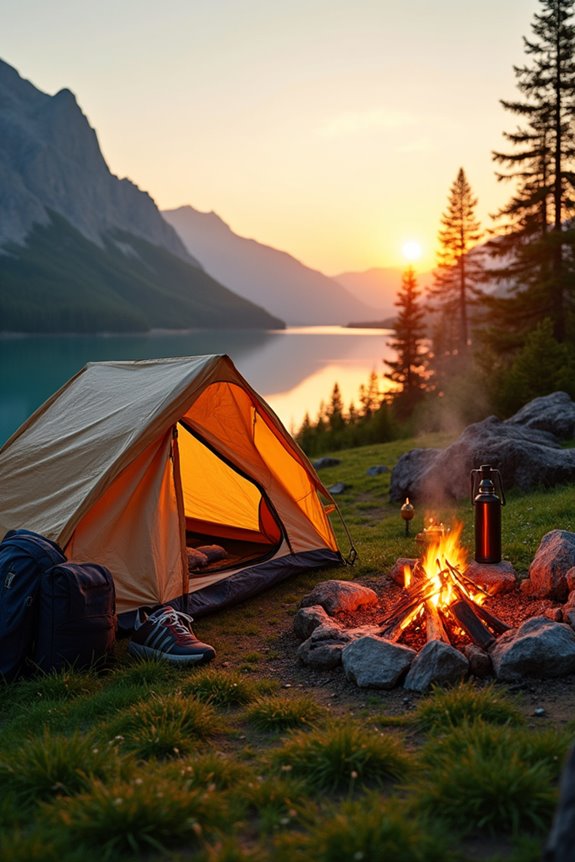
Choose a legal, durable site with drainage and protection from wind without placing yourself under dead branches, in a drainage channel, near unstable slopes, or on exposed ground during severe weather. Pitch the shelter correctly, use the rainfly and guylines as designed, ventilate to manage condensation, and keep wet gear from soaking sleeping insulation. A tent with weather-resistance features still needs safe site selection and proper setup.
Recommended Products
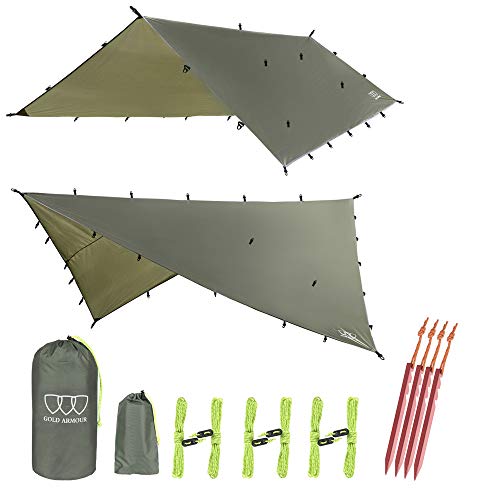
✔ HIGH QUALITY & DURABLE RAINFLY TARP - The Gold Armour Rainfly Tarp will keep you dry and comfortable with unparalleled weather protection and water shedding capability with 5,000mm waterproof rating

Best protection: The JAICOM Camping Tarp is made from 210T tear-resistant polyester fabric that is highly abrasion resistant. The seams are all press-glued and the fabric has a waterproof coating, making our tarp highly waterproof. It gives you strong protection no matter how extreme the weather is
Equipment and Essentials to Bring
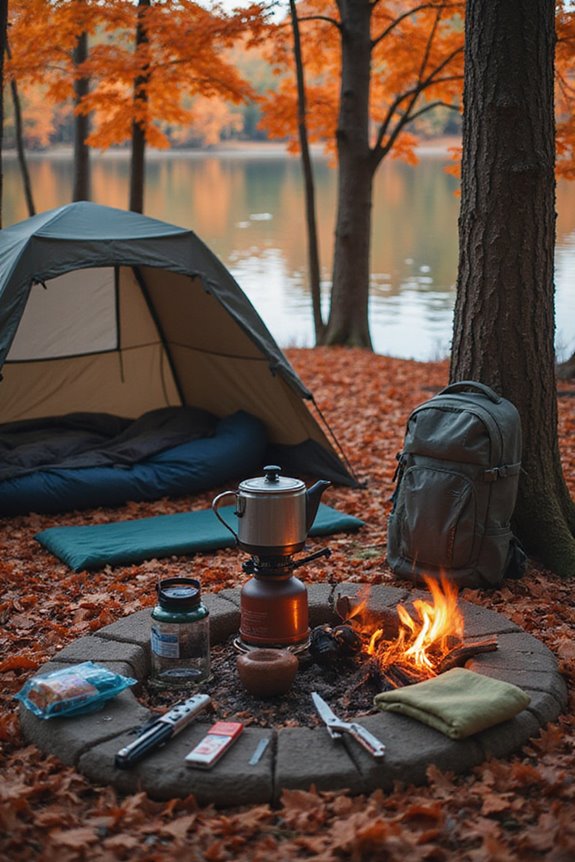
Pack shelter, sleeping bag or quilt, an adequately insulated sleeping pad, headlamp and spare power, warm layers, rain protection, navigation, first aid, communication, food, water treatment, cooking equipment, hygiene supplies, and waste bags. Add repair materials that match the gear. Treat a stated tent water-resistance rating as one specification, not a guarantee against every storm.
Recommended Products

Comfortableness: NORTIV 8 Men's Waterproof Hiking Boots certainly delivers on all-day comfort! Removable and shock-absorbent cushioned insoles offer the support for your feet.
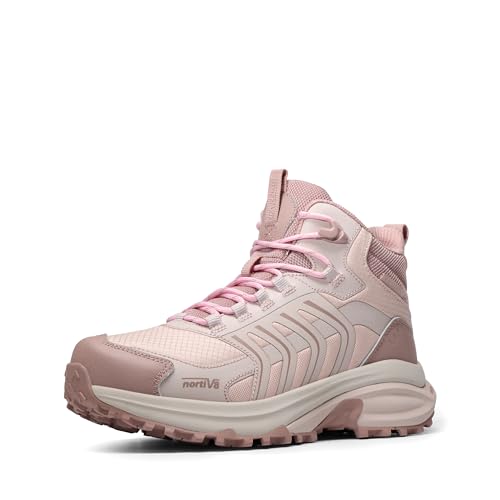
4-IN-1 Rebound Tech: Featuring innovative 4-in-1 rebound tech, NORTIV 8 hiking boots for women are engineered with the supercritical foam insole for step-in softness, a Strobel insole for sustained cushioning, and a dual-density EVA midsole that enhances shock absorption, providing energy return and lasting support for hikes.

ANTI-COLLISION: Full-cover toe cap designed for prevent kid's toes from the injury of falling objects and collision of hard objects.
Food, Water, and Hydration Planning
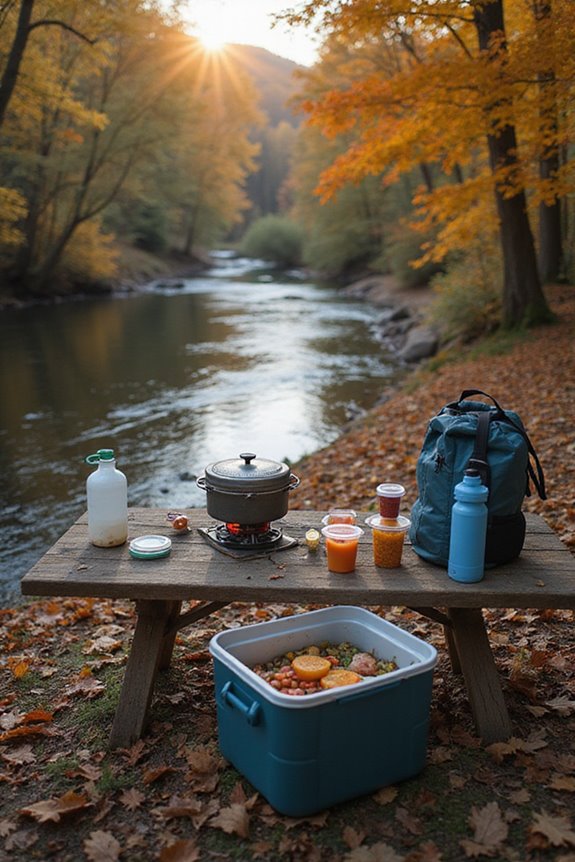
Plan food and water for the route, weather, group, effort, refill access, and possible delays rather than using one daily volume for everyone. Carry safe water or a treatment method for uncertain sources, and keep raw and ready-to-eat food separate. Store food, trash, and scented items according to local wildlife rules, and choose meals that can be prepared safely with the available fuel and cookware.
Recommended Products

Ideal for outdoor recreation, hiking, camping, scouting, domestic or international travel, and emergency preparedness
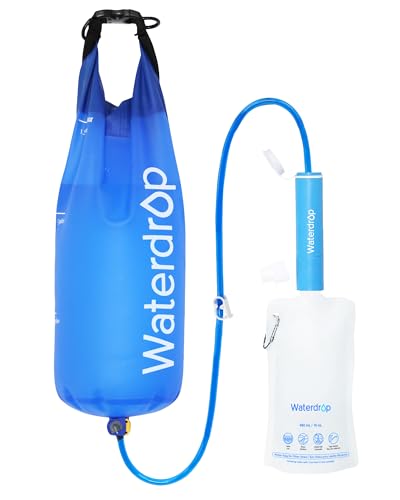
5-Stage Efficient Filtration: With adoption of premium-quality 0.1 um ultrafiltration membrane and other raw materials, the Water Filter Straw can effectively reduce harmful substances like chlorine, particulates, sediment, stones, sand, dirt, bad taste &odor in water to ensure the water safety and deliver better drinking experience.

HIGH FLOW RATE: Access potable water anywhere - Filters approximately 1,500 liters of fresh water at a rate of >1 L per minute.
Safety and Comfort Considerations
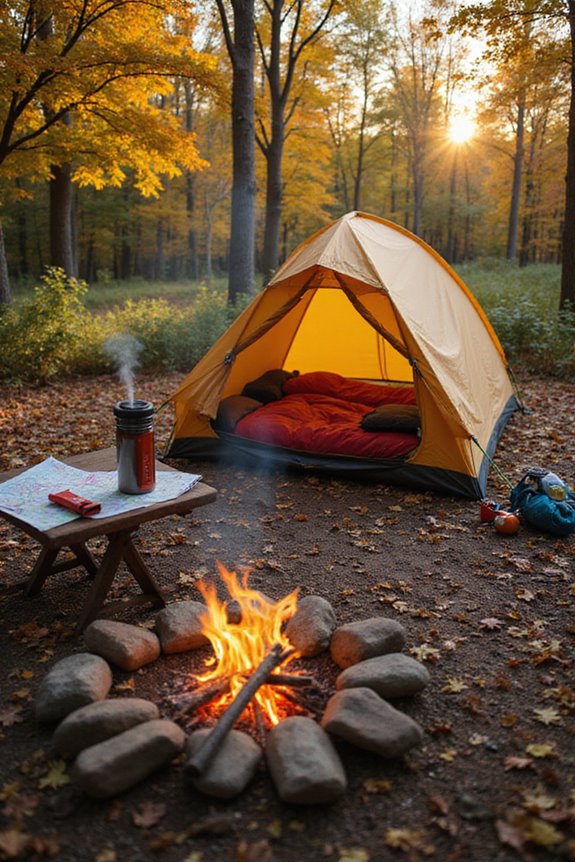
Check weather, closures, fire restrictions, daylight, wildlife guidance, and emergency contacts before departure. Carry first aid, navigation, a light, communication, warm and dry layers, and a route plan shared with someone at home. Keep food and scented items secure, never feed wildlife, and leave camp if wind, flooding, fire, cold, or other hazards exceed your plan. A vestibule can help organize wet gear, but keep cooking and food storage within local rules.
Recommended Products
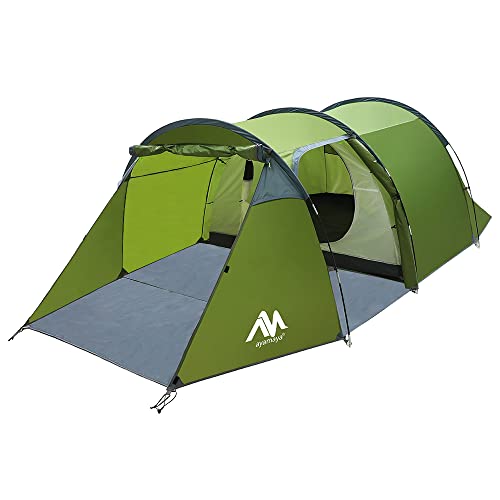
2 Room Design: The two-room tent consists of a detachable bedroom and a vestibule. You can sleep in the bedroom and then store your bicycle, motorcycle, or other camping gear in the vestibule. When the bedroom is removed, it will become a long tunnel sun shelter.

Sets up in under 5 minutes thanks to pre-attached poles
Researching and Selecting Campsite Locations
Use official maps, permit information, recent alerts, weather, route reports, and land-manager guidance to assess the site. Check access, water, toilets, fire rules, wildlife storage, drainage, wind exposure, daylight, and evacuation options. Do not rely on reviews alone, and confirm that the site is legal and open for the planned dates.
Budgeting for Fall Camping Trips
Budget for permits, transport, campsite fees, food, fuel, water treatment, layers, sleep insulation, batteries, repairs, and emergency changes—not only the tent. Borrowing or renting can reduce the initial cost, but inspect fit, condition, and weather suitability. Spend first on safety-critical items and choose equipment that matches the conditions you will actually face.
Daylight Management and Scheduling Activities
Check local sunrise and sunset, plan conservative turnaround times, and avoid starting a demanding route without enough daylight margin. Set up camp and prepare food before darkness when possible, keep a headlamp accessible, and tell someone when you expect to return. Shorter daylight is a planning constraint, not a reason to rush through unsafe terrain.
Final Preparations Before Departure
Review the forecast, permits, closures, fire restrictions, wildlife rules, route, water plan, food, fuel, clothing, shelter, sleep system, navigation, light, first aid, communication, and emergency contacts. Test batteries and equipment, dry and pack gear, share the itinerary, and check the vehicle or transport plan. A rain-ready shelter is useful only when pitched within its limits and paired with a safe site.
Frequently Asked Questions
What Wildlife Should I Be Cautious of During Fall Camping?
Wildlife varies by location and season, so follow the land manager’s guidance for bears, large mammals, snakes, insects, and food storage. Keep distance, never feed animals, secure food and scented items, and avoid leaving scraps or trash at camp. If an animal approaches or acts aggressively, do not run toward it; follow local instructions and seek help.
How Can I Keep My Campsite Clean and Eco-Friendly?
Use established sites and fire areas, pack out food scraps and trash, keep soap and wastewater away from natural water, and follow the local sanitation method. Avoid moving natural objects, cutting vegetation, or feeding wildlife. Carry reusable containers and leave the site ready for the next visitor.
What Should I Do in Case of an Emergency While Camping?
Protect the group from immediate danger, provide basic first aid within your training, contact emergency services or the land manager, and share your location and route. Use your communication backup, conserve warmth and battery, and follow dispatcher or ranger instructions. If conditions are deteriorating, act early rather than waiting for a minor issue to become a rescue situation.
Are There Specific Campfire Regulations to Follow in the Fall?
Yes, but the rules depend on the park, land manager, season, weather, and fire danger. Check current restrictions before departure, use only approved sites and fuel, keep a fire attended, keep water or an approved extinguishing method ready, and put it out completely. A stove may be safer or required when open fires are restricted.
How Can I Entertain Myself During Longer Evenings?
Pack a book, cards, a journal, quiet games, a repair task, or a downloaded audio option. Keep lighting low and considerate, protect electronics from condensation, and avoid risky activities near fire or water after dark. Use the longer evening for rest, meal planning, and checking the next day’s route and weather.