As an Amazon Associate, we earn from qualifying purchases. Some links on this site are affiliate links at no extra cost to you. Our recommendations are based on thorough research and editorial judgment.

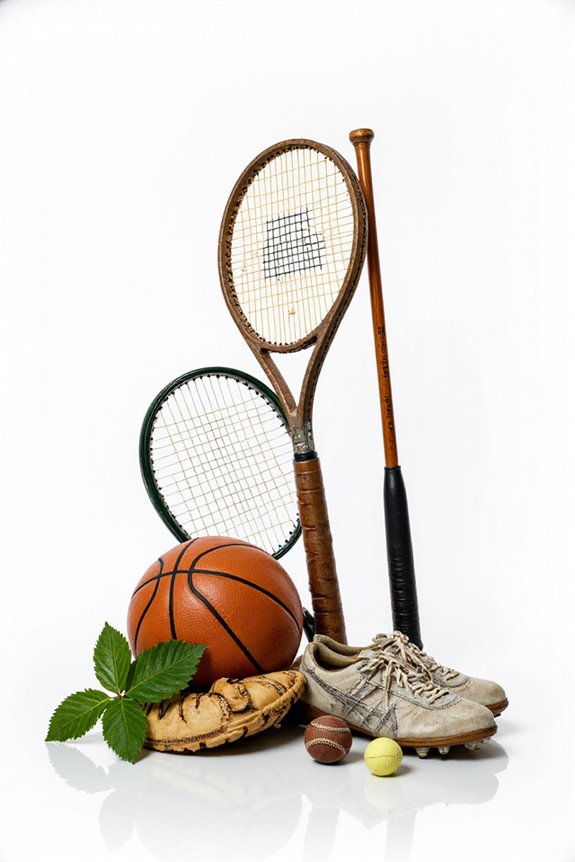
How to Recycle Old Sports Equipment

Recycling old sports equipment starts with choosing the best next use: repair it, pass it on, donate it, return it through a take-back program, or send its separated materials to a facility that accepts them. Mixed composites, foam, rubber, electronics, coatings, and carbon fiber often need specialized handling, so check local rules and the program’s current acceptance list before placing anything in a household bin.
Key Takeaways
- Reuse, repair, donate, or resell safe equipment before recycling it, because extending product life may be the most practical option.
- Identify the materials, batteries, electronics, coatings, foam, rubber, and composite parts before choosing a disposal route.
- Check local recycling rules, retailer take-back programs, manufacturer guidance, and specialist facilities rather than assuming curbside collection accepts sports gear.
- Clean and separate parts only when the program allows it, and handle sharp, pressurized, chemical, or electronic components carefully.
- Verify any named program’s current locations, fees, accepted items, and preparation requirements before sending equipment.
Understanding the Challenges of Recycling Sports Equipment
You may be interested



Recycling sports equipment is often difficult because a single item may combine plastics, rubber, foam, textiles, metal, adhesives, electronics, or carbon-fiber composites. The correct route depends on the material, condition, local infrastructure, and whether the item can be safely reused or repaired. Check the destination facility before transporting the gear.
Advanced Recycling Technologies and Their Benefits
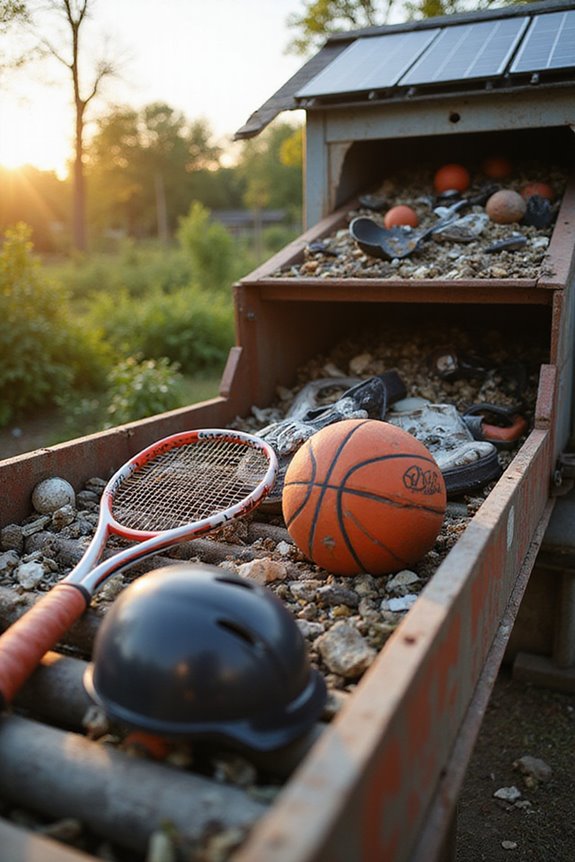
Specialist processes may recover materials from composites, textiles, plastics, and other difficult products, but availability and output vary by facility. Treat technologies such as thermochemical processing as a potential route rather than a guarantee, and look for clear information about accepted materials, processing, recovered output, and environmental claims.
Recommended Products
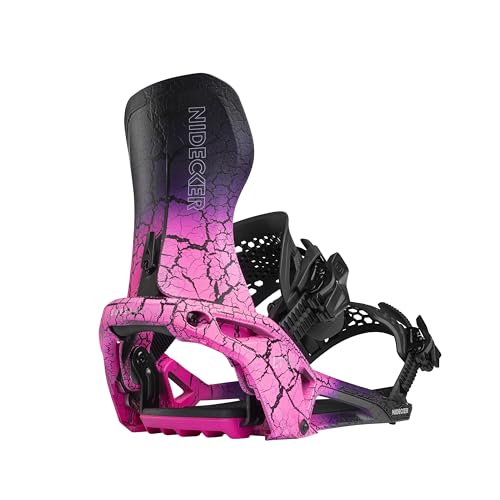
𝐋𝐈𝐆𝐇𝐓 𝐒𝐋𝐈𝐏-𝐒𝐓𝐄𝐏 – Assisted entry design speeds up in/out while keeping a classic strapped feel.
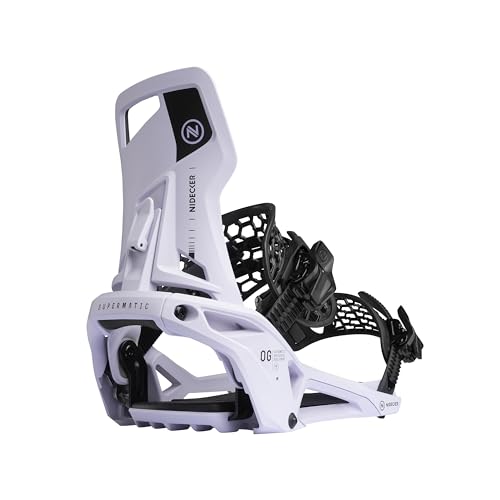
𝐀𝐔𝐓𝐎𝐌𝐀𝐓𝐄𝐃 𝐄𝐍𝐓𝐑𝐘 – Hands-free style engagement speeds up laps without sacrificing locked-in support.

Our CarbonTec Men’s Polo Shirt is a fusion of style and passion crafted for those who live life in the fast lane. Elevate your motorsport experience with a wardrobe that mirrors your love for speed, precision, and adrenaline.
Options for Recycling and Donation
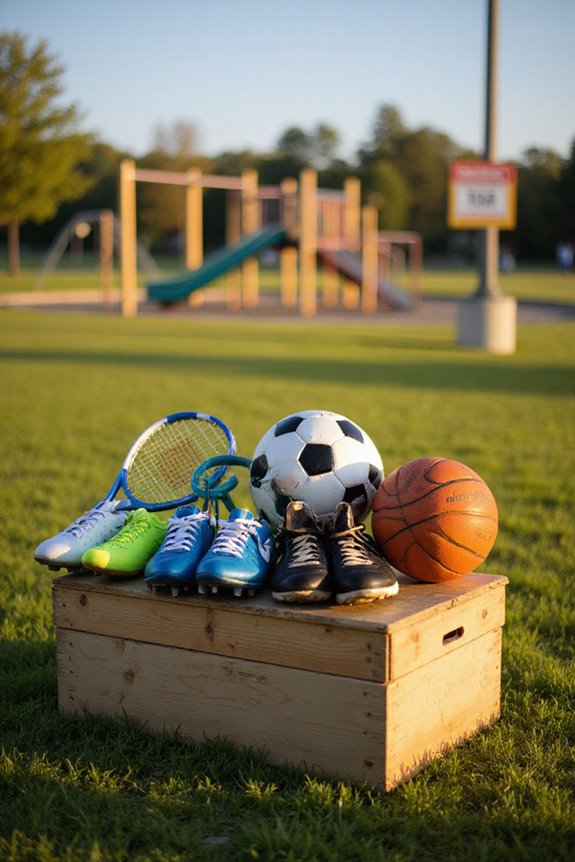
Recycling and donating old sports equipment isn’t just about clearing out clutter; it’s a chance to make a real difference in someone’s life. Many local donation programs and community organizations step up to accept gear, helping aspiring athletes and underprivileged kids thrive. Imagine your old soccer ball bringing joy to a child enthusiastic to play! Some organizations even offer hassle-free online pickups, making it easier than ever to contribute. Just remember, items should be safe and functional—no one wants a broken skateboard! Organizations like Replay It and Leveling The Playing Field guarantee your donations find their way to those who need them. So, let’s give that equipment a new life and inspire the next generation of athletes!
Recommended Products

LARGE ORGANIZER CAPACITY : The unique 4-layer design allows product to accommodate a greater quantity of sports gear. 15.7*39 inch Top Flat Shelving & 2 Layers 4 Balls Holder Pipe & 15.7*39 inch Ball Storage Bin & Side Hooks (9 Straight Hooks+ 5 Bent Hooks), ensuring your sports equipment is neatly stored with ease.

【DURABLE CONSTRUCTION】: The sports rack organizer is made of high quality black powder coating steel,rust resistant and durable. This sports rack will be a life-long use, as an indispensable role for garage ball organizer. Dimensions: 20.87"L x 20.87"D x 27.56"H.

Garage Sports Equipment Organizer: Our garage sports equipment storage rack features an innovative space-saving design with multi-tiered structure to accommodate various sports gear such as basketballs, footballs, and yoga mats. Each tier has anti-slip design to keep equipment, stable, and comes with multi-functional hooks and baskets to meet diverse storage needs.
Corporate and Industry Initiatives Supporting Recycling
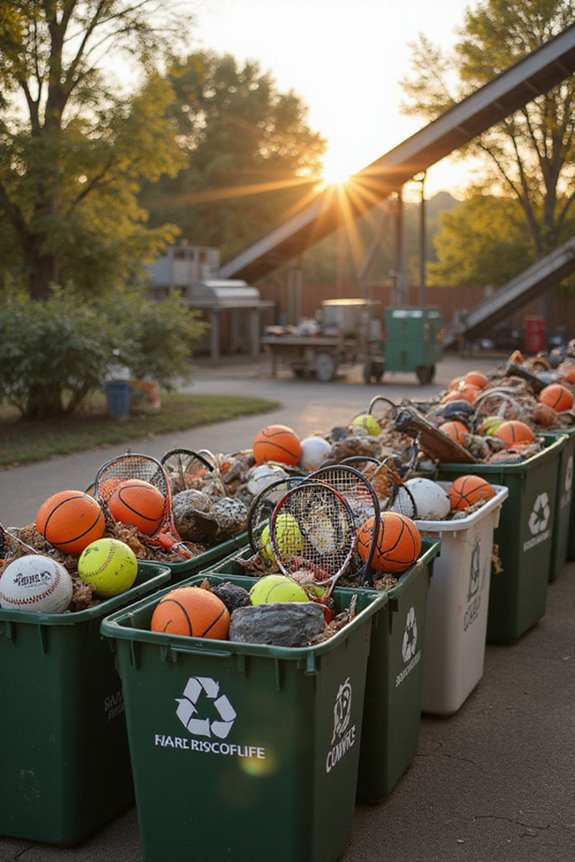
In today’s world, a surprising number of companies and organizations are stepping up to support the recycling of sports equipment, and it’s more than just a trendy move. Corporations like Tecnica Group are developing innovative recycling programs for items like ski boots, while cross-industry partnerships, such as TerraCycle teaming up with UC Santa Barbara, tackle challenging waste. Many local sports facilities even host collection points, making it easy for everyone to participate. Education plays a key role too, with companies leading campaigns that highlight the importance of recycling. By integrating these efforts into supply chains and collaborating with environmental organizations, corporate partnerships are not only enhancing sustainability but also inspiring communities to join the recycling revolution.
The Environmental Impact of Recycling Sports Equipment
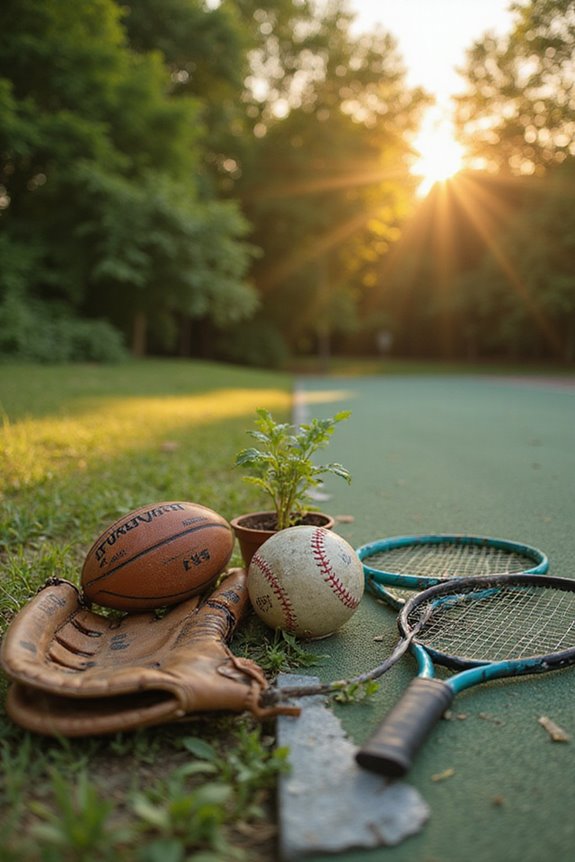
Sports equipment, like a worn-out pair of sneakers or a cracked helmet, can have a much bigger role in the environment than one might think. Many people hold recycling misconceptions, believing that tossing old gear into a bin is enough. The reality, however, is that plastic sports equipment often ends up in landfills, contributing to pollution and microplastic contamination, which harms wildlife and ecosystems. By recycling, individuals can enjoy environmental benefits, reducing the carbon footprint associated with manufacturing new gear. It’s not just about saving space; it’s about protecting habitats and ensuring healthier food chains. Embracing recycling can transform those forgotten items into new opportunities, proving that old equipment can indeed make a difference in our world.
Practical Tips for Consumers and Organizations
Old sports gear often lingers in closets, gathering dust while waiting for a second chance at life. Consumers can take charge by exploring accessible recycling programs like TerraCycle’s Sporting Goods Zero Waste Box or Wilson’s RecycleBalls, which turns old tennis balls into new products. Local recycling centers may offer specialized disposal options too, so it’s worth checking. For organizations, community engagement is essential; partnering with programs like LoadUp encourages collection drives, motivating members to recycle. Clear communication about the benefits of recycling education can spark interest and participation. Donating usable equipment to nonprofits extends its life, helping others while reducing waste. Together, these practices not only clear out clutter but also contribute to a healthier planet.
Recommended Products
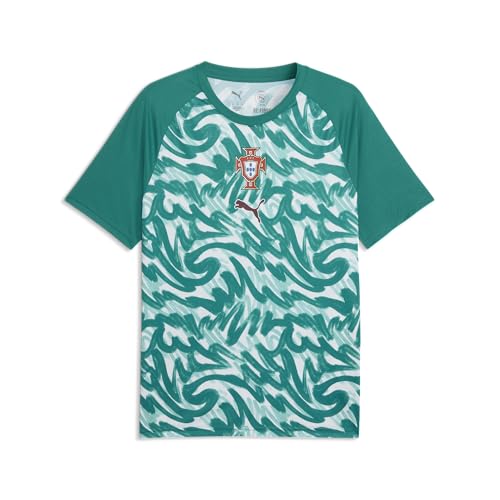
SLIM FIT, WARM-UP FOCUS: Streamlined silhouette with a classic crew neck and set-in sleeves engineered for easy movement during pre-game routines.

⛳ BRAND VALUE - This 50-pack of good condition golf balls includes a popular selection of models such as TP5X, Supersoft, Velocity, Noodle Long and Soft, Top Flite Hammer, Kirkland & More, giving you excellent practice options at a fraction of the retail cost

ENGINEERED FOR FOOTBALL FIELD DURABILITY - Our Deluxe Football Hash Mark Field Stencils are crafted to endure the rigors of the gridiron, constructed from tough 1/8" PolyTough Plastic for long-lasting performance on the field.
Future Trends in Sports Equipment Recycling
As the world shifts towards a more eco-conscious mindset, the future of recycling sports equipment is looking brighter than ever. Companies are embracing emerging materials, like recycled plastics from ocean debris, which Adidas is turning into trendy shoes. Innovative designs are not just about aesthetics; they focus on sustainable practices, such as using biodegradable materials and advanced textiles made from recycled polyester. The rise of second-hand markets and circular business models shows that consumers are enthusiastic to join the green movement. Plus, technologies like smart sensors and AI-powered gear are making waves, enhancing performance while promoting sustainability. With venues implementing recycling initiatives and community engagement, the future is not just about playing hard—it’s about playing smart!
Because recycling rules vary by location and material, confirm the current instructions with your local authority, retailer, manufacturer, or specialist recycler. Do not place damaged batteries, pressurized items, or chemically contaminated gear in ordinary recycling.
Frequently Asked Questions
Can I Recycle Sports Equipment at Home?
Recycling sports equipment at home presents challenges due to mixed materials. However, individuals can explore reuse options and donation centers to extend the life of their items, promoting sustainability and reducing waste effectively.
What Sports Equipment Is Most Difficult to Recycle?
Recycling challenges abound in the domain of sports gear, particularly with composite materials and advanced footwear. The complex components hinder efficient processing, leading to significant waste as most equipment ultimately ends up in landfills or incinerators.
Are There Local Recycling Programs for Sports Gear?
Local initiatives and community programs exist to recycle sports gear. Organizations like TerraCycle and LoadUp facilitate the recycling process, while many communities accept donations, promoting sustainability and reducing waste in local sports programs.
How Do I Prepare My Equipment for Recycling?
In a hypothetical case, a community center prepares old bicycles for recycling through a thorough cleaning process and item disassembly. They remove non-recyclable parts, ensuring only clean, sorted materials are sent for efficient recycling.
Can I Recycle Sports Equipment Made From Wood?
Recycling sports equipment made from wood poses challenges due to treatments and coatings. However, wood recycling offers eco-friendly alternatives, such as energy recovery or repurposing, contributing positively to sustainability efforts in the sports industry.