As an Amazon Associate, we earn from qualifying purchases. Some links on this site are affiliate links at no extra cost to you. Our recommendations are based on thorough research and editorial judgment.

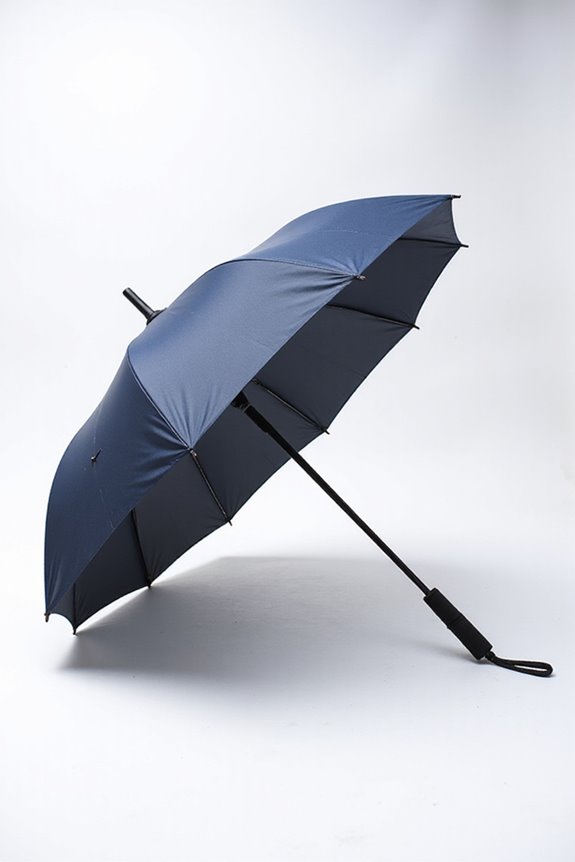
How to Choose a Travel Umbrella

A good travel umbrella balances packed size, coverage, weight, frame durability, wind handling, opening mechanism, and the conditions you expect. Compare the closed length with the open canopy, check how it fits your bag, and treat “windproof” or UV claims as model-specific information to verify—not as a guarantee in severe weather.
Key Takeaways
- Balance closed size and weight against the canopy coverage you need.
- Compare frame, shaft, ribs, canopy, venting, handle, and replacement or repair support.
- Wind resistance depends on the design, gusts, grip, and use; close the umbrella when conditions become unsafe.
- Automatic opening is convenient, but a reliable manual mechanism may be simpler and easier to repair.
- UV protection is model-specific and does not replace sunscreen, clothing, shade, or eyewear.
Size and Portability Considerations
You may be interested

Compare the closed length, packed width, weight, case, and open canopy with the bag, luggage, or transport you will use. A smaller umbrella is easier to carry but may provide less coverage and be more affected by gusts. Check whether the handle and strap remain comfortable when carried for a long walk, and test it before relying on it for a trip.
Recommended Products
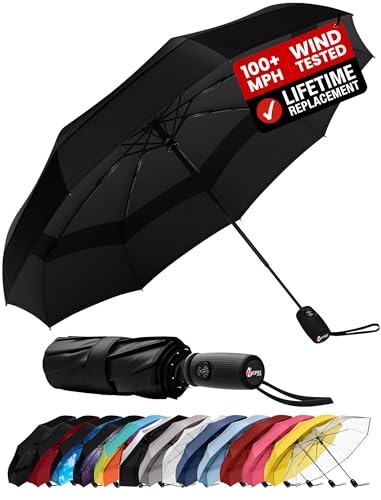
AWARD-WINNING WINDPROOF DESIGN: Engineered to outperform ordinary umbrellas, this compact folding umbrella withstands extreme conditions with reinforced fiberglass ribs, a vented canopy, and strong fabric. Tested to 100MPH, Repel is resistant to flipping and breaking where others fail. Portable and sturdy, it expands wide for large coverage against rain, UV light, and storms, making it the strongest and most dependable travel essential accessory or a classic gift.

Durable Design to Windproof: This is Durable umbrella for men and women. The SY Compact umbrella have Black aluminum frame and 8 Fiberglass Ribs ensure resistance to wind gusts. Even when flipped inside out it will flip back without any damage.

【Sturdy & Windproof】The travel umbrella compact perfectly combines upgraded aluminum shafts and fiberglass ribs. The kids umbrella forms a strong structure that protects you from wind and rain. Besides, the high-density flexible fabric of the mini umbrella adds an extra layer of durability, so you can easily handle sudden changes in weather.
Material and Durability Factors
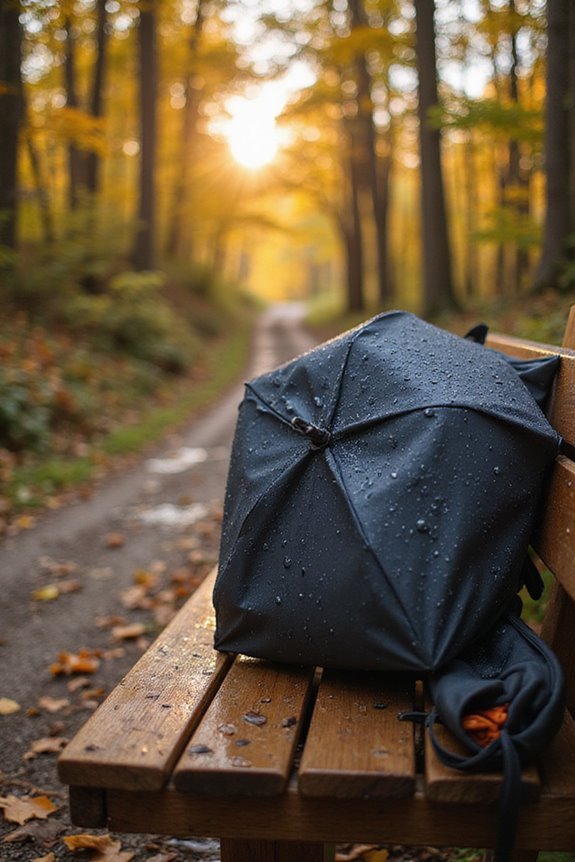
Inspect the shaft, ribs, stretchers, joints, handle, canopy seams, and coating. Fiberglass and metal components involve different trade-offs in flexibility, weight, corrosion, and repair. A water-repellent finish may help rain run off but can wear with use and cleaning. Choose a construction you can store, dry, and handle without forcing the frame.
Recommended Products

Lightweight & Travel-Friendly Design - Weighing just 7.2 pounds, the Dream On Me Aero Travel Light Stroller makes traveling with your little one easier. Ideal for families on the go — great for vacations, city strolls, and quick errands.

Lightweight & Travel-Friendly Design - Weighing just 7.2 pounds, the Dream On Me Aero Travel Light Stroller makes traveling with your little one easier. Ideal for families on the go — great for vacations, city strolls, and quick errands.

UV blocking umbrella: The inside layer is made from black glue fabric, which reflects most UV rays. The black coating underside of the canopy absorbs any remaining UV rays, giving an overall UPF rating of 50+
Importance of Wind Resistance

Vented canopies and flexible frames can help manage some gusts, but performance depends on the exact model and conditions. Hold the umbrella securely, avoid using it near traffic or overhead hazards, and close it when wind becomes strong enough to invert or pull the frame. No compact umbrella should be treated as a shelter in severe weather.
Recommended Products

OUTSTANDING PROTECTION FOR EXTREME OUTDOOR WEATHER - Frequently travelling or just walking outdoors, you can't avoid bad weather conditions. With conventional umbrellas, the wind rolls around the canopy and forces the edges up, flipping or inverting the entire umbrella. The EEZ-Y Travel Umbrella with its vented DOUBLE CANOPY construction allows the wind to pass through the vents preventing it from flipping over under strong gusts of wind, so you'll never get soggy again

AWARD-WINNING WINDPROOF DESIGN: Engineered to outperform ordinary umbrellas, this compact folding umbrella withstands extreme conditions with reinforced fiberglass ribs, a vented canopy, and strong fabric. Tested to 100MPH, Repel is resistant to flipping and breaking where others fail. Portable and sturdy, it expands wide for large coverage against rain, UV light, and storms, making it the strongest and most dependable travel essential accessory or a classic gift.

UPF 50+ UV Protection Umbrella: 100% polyester canopy with a silver coating that reflects heat and cools you down. 50+ UPF rating to block 99% of the sun’s harmful UVA and UVB solar rays. Keep you cool in the sun and safe in the rain
Automatic Mechanisms for Convenience

Automatic opening or closing can be useful when one hand is occupied, but it adds springs, buttons, and moving parts. Check the lock, release, closing force, hand clearance, and behavior when the canopy is wet. A manual umbrella may be lighter or simpler; choose the mechanism that you can operate safely and maintain.
Recommended Products

Lightweight, auto open close, large canopy foldable umbrella allows for easy one-handed operation, and sun protection blocks harmful UV rays

HIGH-END UMBRELLA: Best-in-class construction, stylish and sturdy, high quality, durable travel umbrella, High end umbrella in the market.

WINDPROOF GUARANTEED – Our patented RED CABLE TECHNOLOGY prevents this umbrella from flipping inside out. It’s the world’s first compact umbrella GUARANTEED to withstand wind speeds up to 75 mph!
UV Protection and Additional Features
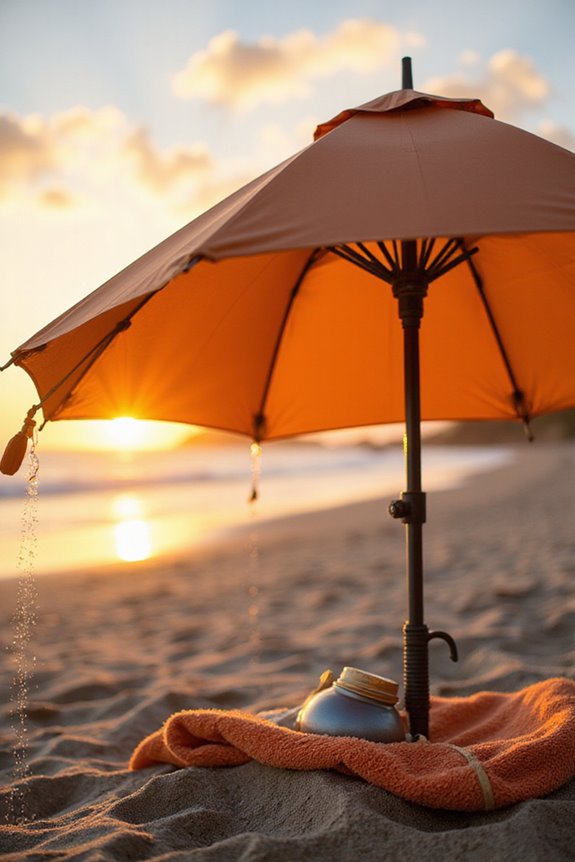
Some umbrellas are designed to reduce UV exposure, but protection depends on the canopy fabric, color, angle, coverage, and product documentation. Check the stated UV or UPF information and use the umbrella with sunscreen, protective clothing, sunglasses, and shade. Additional features such as a reflective edge, case, vent, or wrist strap may be more useful for your route than a marketing claim.
Recommended Products
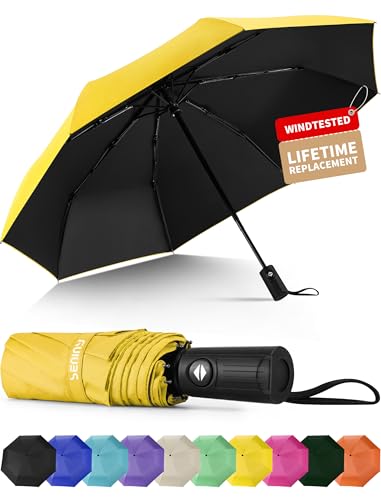
【Sturdy & Windproof】The travel umbrella compact perfectly combines upgraded aluminum shafts and fiberglass ribs. The kids umbrella forms a strong structure that protects you from wind and rain. Besides, the high-density flexible fabric of the mini umbrella adds an extra layer of durability, so you can easily handle sudden changes in weather.

Sun protection umbrella uv blocking UVA and UBA rays UPF 55+ keeps users 15 degrees cooler.
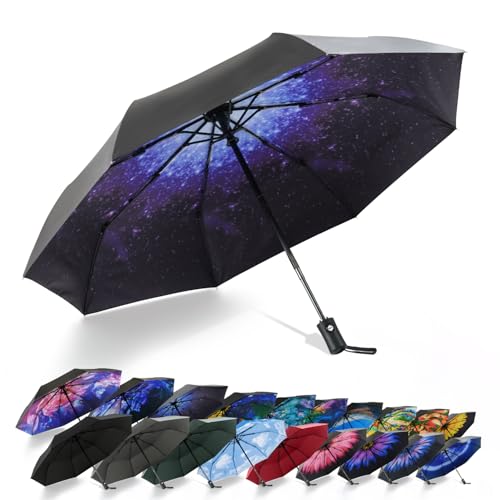
Durable Design to Windproof: This is Durable umbrella for men and women. The SY Compact umbrella have Black Metal Shaft and 8 Fiberglass Ribs ensure resistance to wind gusts. Even when flipped inside out it will flip back without any damage
Style and Design Preferences
Color, pattern, handle shape, and finish are personal choices, but they can also affect visibility, grip, storage, and cleaning. Choose a design you will carry and maintain, check the materials behind any sustainability claim, and prioritize frame function and coverage before appearance.
Frequently Asked Questions
How Can I Clean and Maintain My Travel Umbrella?
Open the umbrella to dry fully after use, rinse away salt or dirt when appropriate, and wipe the canopy and frame with a soft cloth. Avoid forcing joints, harsh solvents, and long-term damp storage. Inspect ribs, stretchers, seams, handle, and runner before the next trip, and repair or replace a damaged frame rather than using it in strong wind.
What Is the Average Lifespan of a Travel Umbrella?
There is no reliable universal lifespan. Use, wind exposure, folding, corrosion, storage, and build quality determine how long an umbrella remains safe and functional. Replace it when the frame, lock, ribs, handle, seams, or canopy can no longer operate reliably; a cosmetic mark alone is not a useful service interval.
Are There Specific Travel Umbrellas for Extreme Weather Conditions?
Some models are built with reinforced frames or vented canopies for more challenging rain and wind, but a small umbrella has limits. Check the exact product guidance, keep a safe grip, avoid overhead and lightning hazards, and close it when conditions exceed the design. Use a proper shelter or rain layer for severe weather.
Can I Find Eco-Friendly Travel Umbrella Options?
Some umbrellas use recycled, bio-based, repairable, or longer-lasting components, but environmental claims vary by product. Check the exact materials, coating, packaging, warranty, repair options, and expected service life. The most practical lower-impact choice is often an umbrella you can use, maintain, and repair for a long time.
How Do I Choose the Right Size for My Needs?
Choose the smallest closed size that still gives adequate coverage for your height, bag, route, and expected rain. Compare the open canopy, handle length, weight, case, and stability, and consider whether you need space to shield another person or a backpack. Test the umbrella indoors and outdoors before departure.