As an Amazon Associate, we earn from qualifying purchases. Some links on this site are affiliate links at no extra cost to you. Our recommendations are based on thorough research and editorial judgment.

How to Set Realistic Fitness Goals for Travel

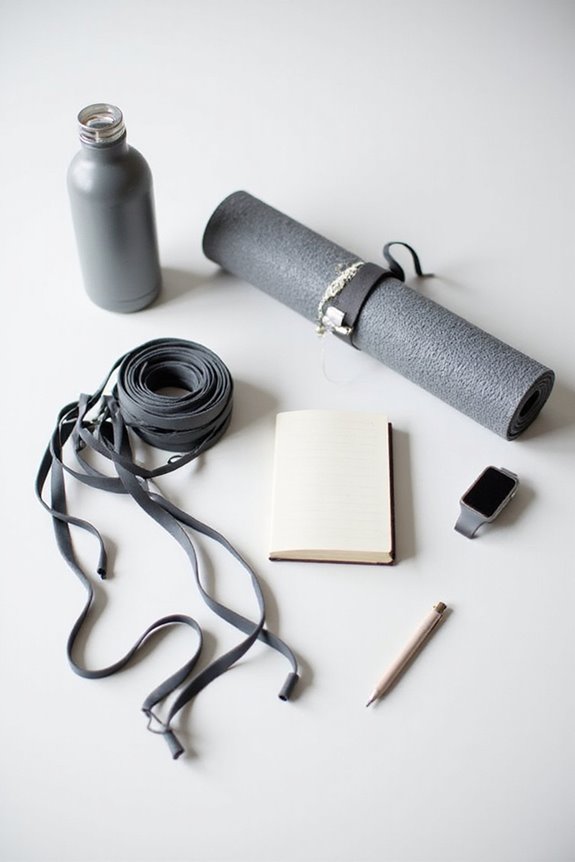
Realistic travel fitness goals should fit the itinerary, available space, local conditions, and your current ability. Choose a small number of priorities—such as maintaining movement, building consistency, or enjoying active sightseeing—then create flexible options for busy days. A plan that adapts to delays, fatigue, weather, and rest is more useful than a rigid routine.
Key Takeaways
- Match fitness goals to the trip’s schedule, terrain, equipment, and your current starting point.
- Use short bodyweight sessions, walking, hiking, swimming, or cycling when a gym is unavailable.
- Build in recovery, sleep, hydration, and weather adjustments instead of treating every day as a training day.
- Track consistency and how you feel, not only distance, pace, weight, or workout duration.
- Keep health preparation practical and seek professional advice for medical or destination-specific concerns.
Researching Your Travel Itinerary
You may be interested
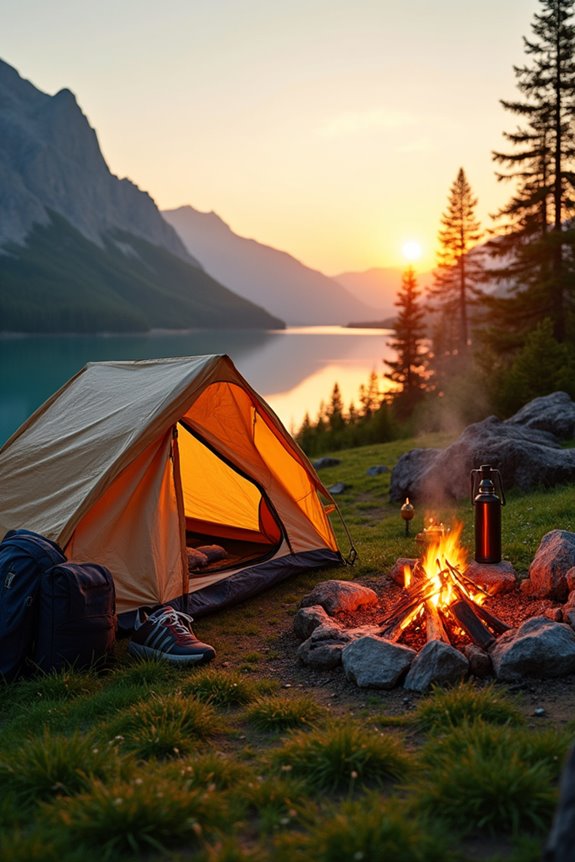
Review the itinerary for realistic movement opportunities: walking between sights, hotel stairs, a safe running route, a local pool, a guided hike, or a short room workout. Check terrain, weather, daylight, transport, opening hours, permits, and safety guidance before committing to an activity. Leave space for arrival, jet lag, meals, and recovery. You can also prepare with a quick-setup tent if camping is part of the trip, but do not let equipment planning crowd out rest and route safety.
Recommended Products

50-Second Setup & More Camping, Less Struggling: No poles drama here. With pre-attached poles and an instant setup system, this 4 person instant camping tent goes up in about 50 seconds. No complicated assembly required. Perfect for beginners, weekend campers, and anyone who’d rather roast marshmallows than wrestle tent poles
Assessing Local Fitness Facilities
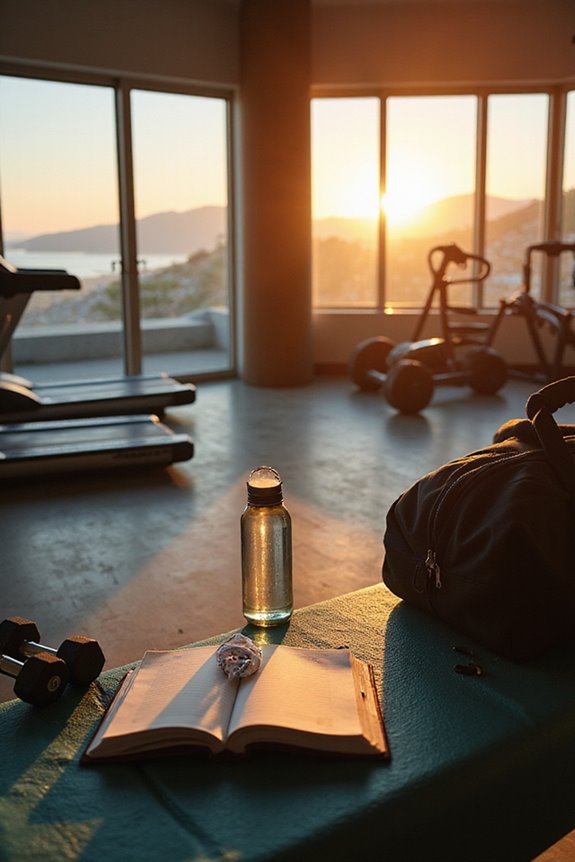
Check whether a hotel gym, public pool, studio, park, trail, or community center is actually open and accessible during your stay. Confirm location, hours, entry rules, equipment, cleanliness expectations, and any reservation requirements. A nearby facility you can use easily is usually more practical than a highly rated option that requires a long detour. Keep a no-equipment backup for days when plans change.
Recommended Products

COMPACT & TRAVEL-READY SINGLE USE SOCKS: These disposable low cut socks are individually compressed into small, lightweight capsules, making them easy to carry in travel bags, gym lockers, luggage, or emergency kits. Ideal for situations where hygiene, convenience, and freshness matter—such as hotels, camping, flights, business trips, and short workouts. Just open, unroll, and wear. No washing, no packing dirty socks, and no extra bulk.

PORTABLE HOME GYM: TRX GO is a lightweight Suspension Trainer that is easy to use as a home workout system or take on the go. It’s easy to pack for travel and perfect for fun, fast, and effective workouts anywhere and anytime in as little as 20 minutes per day.

DISPOSABLE TRAVEL SOCKS – INDIVIDUALLY WRAPPED FOR CLEANLINESS: Each pair is tightly compressed and individually wrapped, keeping socks hygienic and fresh until use. Whether you’re packing for travel, preparing for hotel stays, or need backup socks for the gym, these socks are convenient and ready to go without exposure to dirt or dust.
Creating a Flexible Workout Schedule

Plan a few workout formats instead of one fixed timetable: a short mobility session, a bodyweight circuit, an active sightseeing block, and an optional longer session. Use effort and recovery as guides, especially after long travel or unfamiliar terrain. Keep rest days available, warm up before harder work, and reduce intensity if pain, illness, unusual fatigue, heat, or poor air quality changes the risk.
Recommended Products
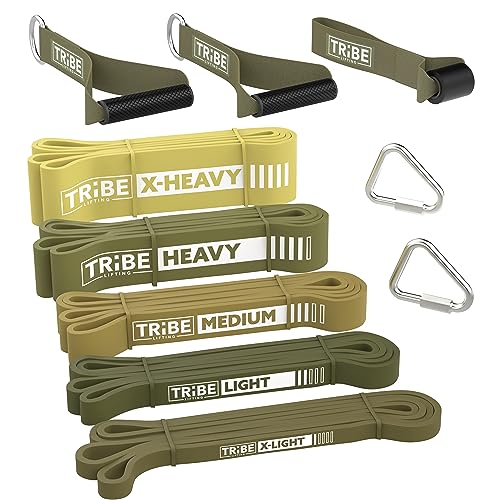
COMPLETE HOME GYM SET — 5 long resistance bands, 2 rubber handles and 1 door anchor. Everything you need for pull up assistance, strength training and stretching in one box

【Workout Equipment System】Portable Exercise Pack is used with various workout equipment attachments:Foldable Push up board,3-section Bar,6 Resistance Bands, 2 Ankle Strap,Door nachor,Ab roller wheel,Which can fulfill most of your workout needs in the gym.

Pilates Exercise is Everywhere: Do you want to have a perfect hip? Do you want to have an enviable and impressive figure? This professional pilates bar kit with resistance bands allows you to achieve twice the result with half the effort, it can offer more targeted and challenging squat training approaches. you can just toss it in the storage bag and take it everywhere. It is not just a glute workout equipment, but also a silent companion for pursuing a healthy lifestyle
Incorporating Bodyweight Exercises and Outdoor Activities

Bodyweight movements such as squats, lunges, push-ups against a stable surface, step-ups, planks, and mobility drills can be adapted to a hotel room or park. Walking tours, hikes, cycling, and swimming add movement without requiring a full gym setup. Start below your maximum, use safe surfaces, and follow local rules for trails, water, traffic, weather, and wildlife. Compact resistance bands can add options when they suit your plan and pack.
Recommended Products

💖Resistance Bands for Women: Our exercise bands are based on market conditions to upgrade women's resistance bands, to upgrade the stretching strength of the resistance band set (each resistance band represents a different resistance level, 10 lbs, 15 lbs, 20 lbs, 25 lbs, 30 lbs.) This helps you to easily adjust the resistance levels required for various muscle exercises according to the intensity of different sports. One kit can meet all your exercise needs.

High End Exercise Bands. Our 12"³ By 2"³ Heavy Duty Loop Resistance Bands Come In 5 Varying Resistance Levels. This Makes Them Perfect Whether You Are Just Starting To Workout Or A Seasoned Workout Warrior. Our Extra Light And Light Bands Are Great For Beginners, While Our Medium, Heavy And Extra Heavy Exercise Bands Are Targeted For More Intermediate And Advanced Strength Training.
Maintaining Motivation and Tracking Progress

Track a simple measure that matches the goal: completed movement days, time spent walking, a planned session, or how recovery feels. Share the plan with a travel companion, use reminders, or book an activity that makes movement part of the itinerary. Treat missed sessions as information, not failure; adjust the next opportunity instead of trying to compensate with an unnecessarily hard workout. Resistance loops may help with light, adaptable sessions when appropriate.
Prioritizing Health and Wellness During Travel
Fitness is only one part of travel health. Plan for sleep, hydration, food, sun and heat exposure, local hazards, hand hygiene, and recovery from long journeys. Check destination health guidance and routine vaccination needs early, and speak with a qualified clinician about personal medical conditions, medications, strenuous activities, or higher-risk destinations. Stop exercise and seek care if symptoms are severe, unusual, or worsening.
Frequently Asked Questions
How Can I Stay Active During Long Flights?
Move your ankles, change position, and take brief walks when it is safe and permitted. Gentle stretches and regular movement can reduce stiffness, but avoid blocking aisles or disturbing other passengers. If you have a medical condition or elevated clot risk, ask a clinician about travel precautions before flying.
What Are Quick Workouts I Can Do in My Hotel Room?
Try a short sequence of mobility work, squats or sit-to-stands, lunges, wall or counter push-ups, and a comfortable core exercise. Keep furniture stable, clear the floor, control each movement, and stop if you feel pain or dizziness. Adapt the session to your ability and the space available.
How Do I Manage Fitness Goals With Family Travel?
Choose activities that allow different ages and abilities to participate, such as walks, easy hikes, swimming, games, or short mobility breaks. Set individual goals, keep the schedule flexible, and avoid turning shared travel time into a competition. Build in rest, food, shade, and a plan for changing weather.
Can I Maintain My Diet While Eating Out Frequently?
Focus on a sustainable pattern rather than perfect meals. Review menus when possible, include foods that help you feel satisfied, drink water, and choose portions that match your appetite and activity. Account for allergies, medical diets, cultural foods, and food-safety conditions. A qualified dietitian can help with individualized nutrition needs.
What Should I Do if I Miss a Workout?
Resume at the next practical opportunity without trying to make up the missed session with excessive intensity. Check whether travel, sleep, illness, pain, or an overfull plan caused the gap, then reduce or rearrange the goal if needed. Rest is appropriate when your body is recovering.