As an Amazon Associate, we earn from qualifying purchases. Some links on this site are affiliate links at no extra cost to you. Our recommendations are based on thorough research and editorial judgment.

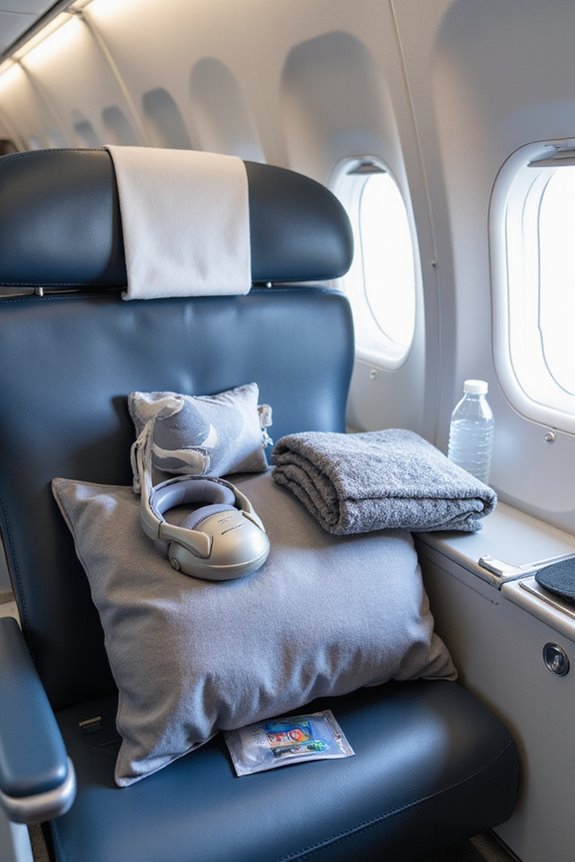
How to Stay Comfortable on Long Flights

Long flights are easier when you plan for movement, temperature changes, hydration, rest, hygiene, and the airline’s current rules. Choose a workable seat, wear adjustable layers, carry a few useful items, and pace food, drinks, and screen time. If you have a medical condition or a history of travel-related symptoms, ask a clinician about your personal plan before flying.
Key Takeaways
- Choose a seat and setup that make movement, rest, and access to the aisle realistic.
- Wear layers and shoes that remain comfortable when cabin temperature or swelling changes.
- Drink normally, eat familiar food, and limit alcohol if it worsens sleep or dehydration.
- Use only sleep aids or supplements that you have discussed and tolerated appropriately.
- Check the airline’s current device, baggage, accessibility, and disruption procedures.
Seating and Movement Strategies
You may be interested

Choose an aisle seat if easy access to the bathroom or occasional standing matters more than a window view, and check the airline’s current seat map before paying for an upgrade. Support your back in a neutral position, change posture, move your ankles and legs gently, and stand only when the crew and cabin conditions allow. Do not block the aisle or ignore the seat-belt sign. If you have a clotting or mobility concern, ask a clinician for personalized travel advice.
Clothing Recommendations
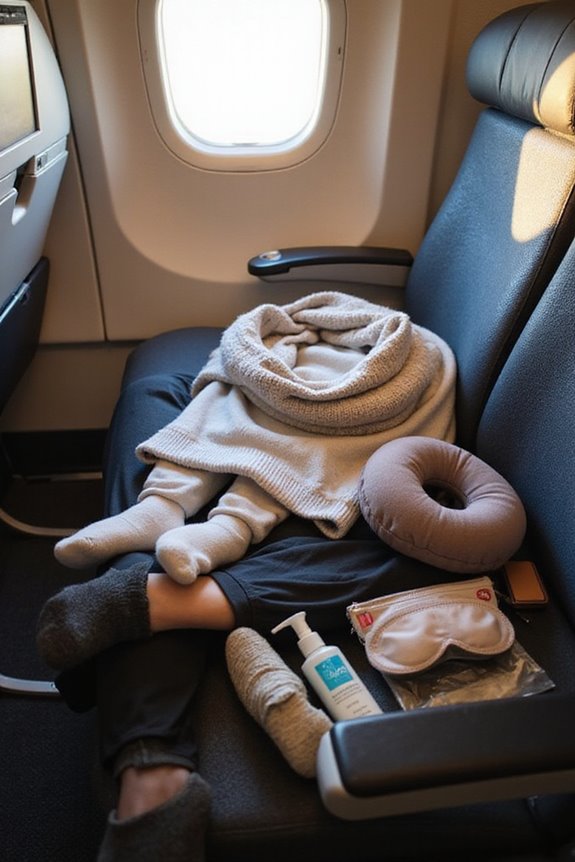
Wear soft, adjustable layers so you can respond to cabin temperature without overheating. Choose shoes that are easy to remove when appropriate but still provide secure footing, and avoid clothing that restricts breathing, sitting, or movement. Pack a spare layer or socks if the route is long or connections are uncertain. Compression garments may not suit everyone, so ask a clinician if you are considering them for a medical reason.
Hydration and Nutrition
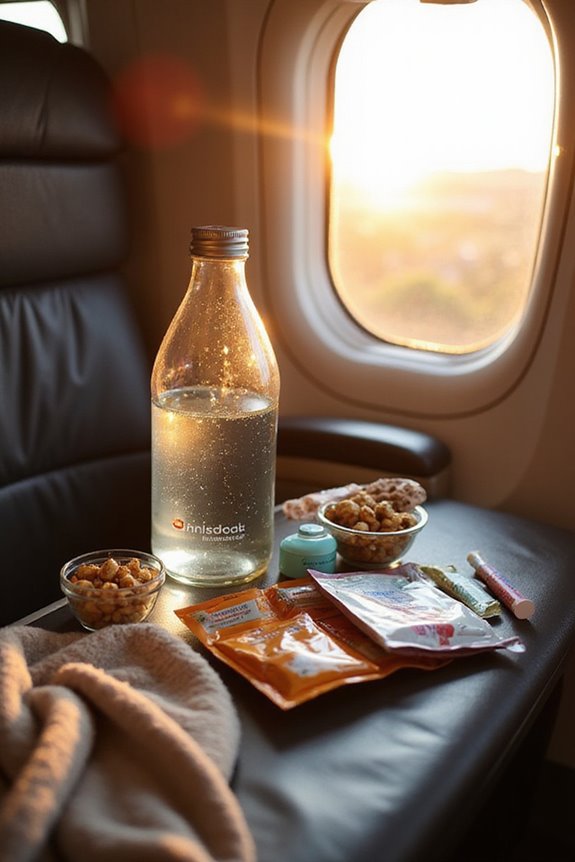
How can travelers keep their spirits high and their bodies well-hydrated during those marathon flights? Staying hydrated is essential, especially with that dry cabin air sucking moisture away faster than a vacuum. Hydration tips like sipping on water regularly, rather than guzzling it all at once, can make a huge difference. For a tasty twist, pack some nutritious snacks like juicy fruits or electrolyte-rich treats to keep energy levels up and hydration steady. Avoid those tempting cocktails and excessive caffeine, which can leave you feeling parched. Instead, opt for nonalcoholic, low-sodium drinks to help maintain fluid balance. Remember, a refillable water bottle is your best friend—sip away to stay refreshed and ready for whatever adventures await after landing!
Recommended Products

Collapsible silicone water bottle is made of food grade silicone, free of BPA , safe and healthy to use. The temperature ranges from -20℃ to 60℃. Blue+Pink camouflage.
Sleep and Rest Aids
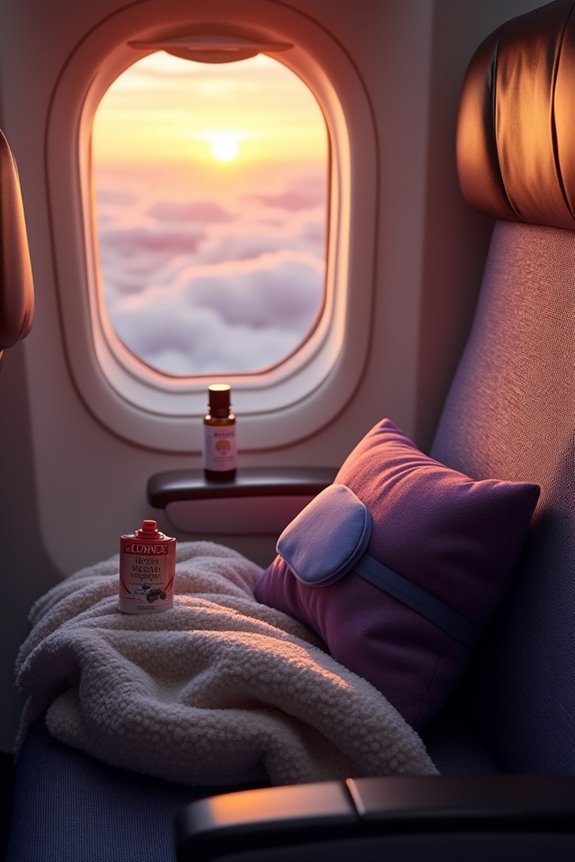
After quenching that thirst during a long flight, the next challenge is tackling the delicate dance of sleep and rest. Many travelers turn to sleep supplements, like melatonin, hoping to catch some Zs. While melatonin can improve sleep quality—especially after eastward flights—it’s not a magic pill. It’s best used alongside relaxation techniques, such as adjusting your sleep schedule a few days prior to departure and using bright light strategically. However, travelers should be cautious, as prescription and OTC sleep aids can come with side effects like grogginess or dehydration. A thoughtful approach, blending supplements and behavioral strategies, may just lead to a restful journey, transforming those long hours into peaceful moments instead of a restless struggle against the seatbelt.
Health and Hygiene Measures
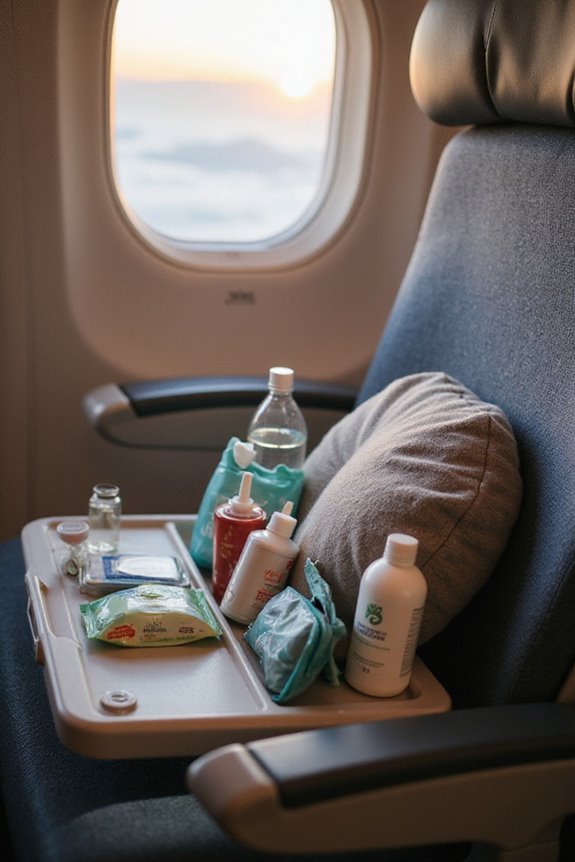
While commencing on a long flight, keeping one’s health and hygiene in check becomes just as essential as packing snacks and a good book. Airlines have ramped up their cleaning protocols, ensuring high-touch surfaces like tray tables and seat belts are frequently disinfected. Passengers can spot visible cleaning efforts, which is reassuring. Health screenings, including temperature checks, are common at airports, helping to catch any potential illness before boarding. Travelers are encouraged to practice personal hygiene, such as using hand sanitizer often and covering sneezes. While social distancing may be tricky on a plane, boarding by rows and limited movement helps. All these measures aim to create a safer environment, making long flights a bit more comfortable for everyone.
Preparation and Practical Tips
Before departure, check the airline’s current baggage, seat, accessibility, device, and connection rules. Keep identification, medicines, valuables, chargers, a layer, and essential documents in your personal item. Save the itinerary and contact details offline, allow realistic time for check-in and connections, and avoid packing anything you cannot replace in checked luggage.
In-Flight Activities for Comfort
Alternate quiet entertainment with rest, conversation, music, reading, or offline work. Adjust the screen brightness and posture, take gentle movement breaks when permitted, and avoid exercises that disturb other passengers or affect balance. A short plan for arrival—water, food, transport, and a realistic first sleep—can make the final hours feel easier.
Managing Jet Lag Effectively
Jet lag improves when you gradually align sleep, light, meals, and activity with the destination’s time zone. Use local daylight at sensible times, keep naps short if they delay nighttime sleep, and protect the first night’s rest. Avoid treating melatonin or caffeine as universally appropriate; timing and safety depend on the person, medicines, and trip. Give yourself flexibility rather than promising an exact adjustment period.
Frequently Asked Questions
Can I use electronic devices during a flight?
Follow the airline and crew instructions for each phase of the flight. Device rules, connectivity, and permitted accessories vary by aircraft and route, so keep devices charged and be ready to switch them off or secure them when asked.
What should I do if I feel anxious or claustrophobic?
Tell a crew member early, use slow breathing or a familiar grounding technique, and focus on a manageable task. An aisle seat or pre-flight seating discussion may help. If panic or claustrophobia is severe or new, ask a clinician about a travel plan before departure.
What entertainment is available in flight?
Options depend on the airline, aircraft, route, and connectivity. Download a few offline choices, bring headphones that meet the airline’s rules, and keep a non-screen option available in case the system or internet is unavailable.
How can I cope with a crying baby nearby?
Use earplugs or headphones when safe, keep your own routine flexible, and remember that a baby’s needs are not fully controllable. Ask crew for practical help without confronting the family; respectful communication usually works better than blame.
What should I do if a flight is delayed or canceled?
Check the airline’s app, messages, airport screens, and official support channels. Ask about rebooking, baggage, meals, accommodation, accessibility, and any rights that apply to your itinerary and departure location. Keep receipts and document the disruption when seeking assistance.